About this article
India's rich tapestry of culture, tradition, and cuisine is intertwined with a treasure trove of superfoods that have been revered for centuries for their medicinal properties. Among these, Amla, Moringa, Turmeric, and an array of other indigenous ingredients stand out for their remarkable health benefits and versatility in Ayurvedic practices. In this blog, we delve into the essence of these Ayurvedic superfoods, exploring their origins, nutritional profiles, and therapeutic uses. From the tangy goodness of Amla to the golden hues of Turmeric, each ingredient offers a unique blend of flavors and healing properties that have been celebrated through generations. Join us on a journey through India's culinary heritage as we uncover the secrets of these nourishing gifts from nature.
Amla or Indian Gooseberry

Amla, also known as Indian Gooseberry, is a fruit native to India. It is widely cultivated in various parts of the country, including the states of Punjab and Himachal Pradesh. Amla has been used in traditional Ayurvedic medicine for centuries due to its numerous health benefits.
To consume Amla, it can be eaten raw or in the form of juice, pickle, or powder. It has a tangy and slightly bitter taste.
Amla is rich in vitamin C, antioxidants, and other essential nutrients. It helps boost the immune system, improves digestion, promotes hair growth, and enhances skin health. It is also known to have anti-inflammatory and anti-aging properties.
In Ayurveda, Amla is used to balance the three doshas (Vata, Pitta, and Kapha) and treat various ailments, including respiratory disorders, digestive issues, and liver problems. It is also believed to improve eyesight and strengthen the heart.
Including Amla in your diet can have several health benefits and contribute to your overall well-being.
Moringa
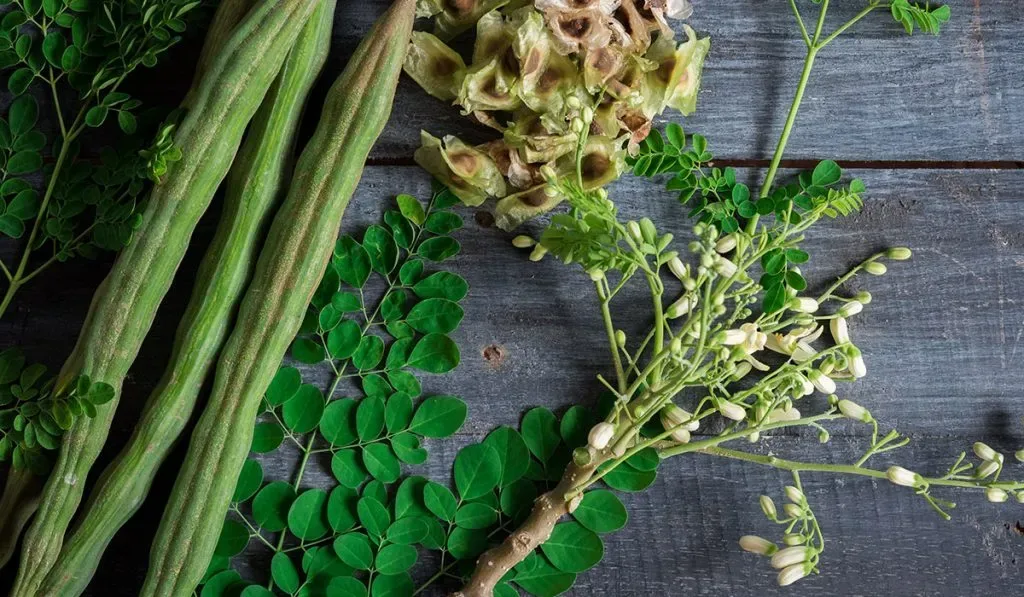
Moringa, also known as the 'Miracle Tree' or 'Drumstick Tree', is a plant native to India and is widely cultivated in various parts of the country, such as Tamil Nadu and Andhra Pradesh.
Different parts of the Moringa tree, including the leaves, seeds, flowers, and roots, are consumed for their health benefits. The leaves can be used in cooking, and the seeds can be eaten raw or roasted.
Moringa is a nutritional powerhouse, packed with vitamins, minerals, and antioxidants. It is known to boost energy levels, improve digestion, and support immune function. It also has anti-inflammatory properties and is beneficial for skin and hair health.
In Ayurveda, Moringa is used to balance the doshas and treat various ailments, including arthritis, diabetes, and high blood pressure. It is also believed to have anti-cancer properties.
Incorporating Moringa into your diet can provide you with numerous health benefits and contribute to your overall wellness.
Kokum or Garcinia Indica
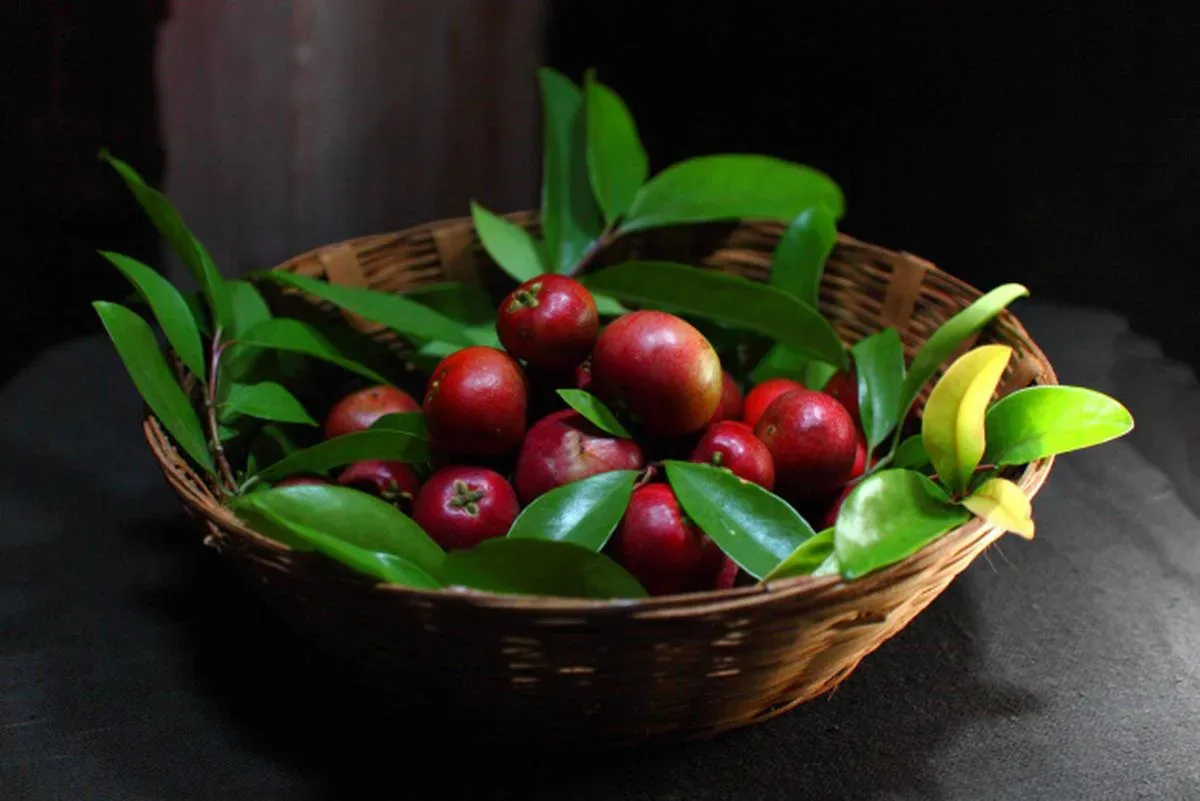
Kokum, also known as Garcinia Indica, is a fruit native to the Western Ghats region of India, particularly Maharashtra and Goa. It is widely cultivated in these regions for its culinary and medicinal uses.
The outer skin of the Kokum fruit is dried and used in cooking to add a tangy flavor to various dishes. It is also used to make a popular refreshing drink called Kokum sherbet.
Kokum is rich in antioxidants and has anti-inflammatory properties. It aids digestion, helps in weight management, and reduces acidity and bloating. It is also known to improve skin health and boost metabolism.
In Ayurveda, Kokum is used to balance the Pitta dosha and treat digestive disorders, heat-related conditions, and skin issues. It is also believed to have anti-allergenic and anti-microbial properties.
Including Kokum in your diet can offer you numerous health benefits and enhance your overall well-being.
Chickpeas
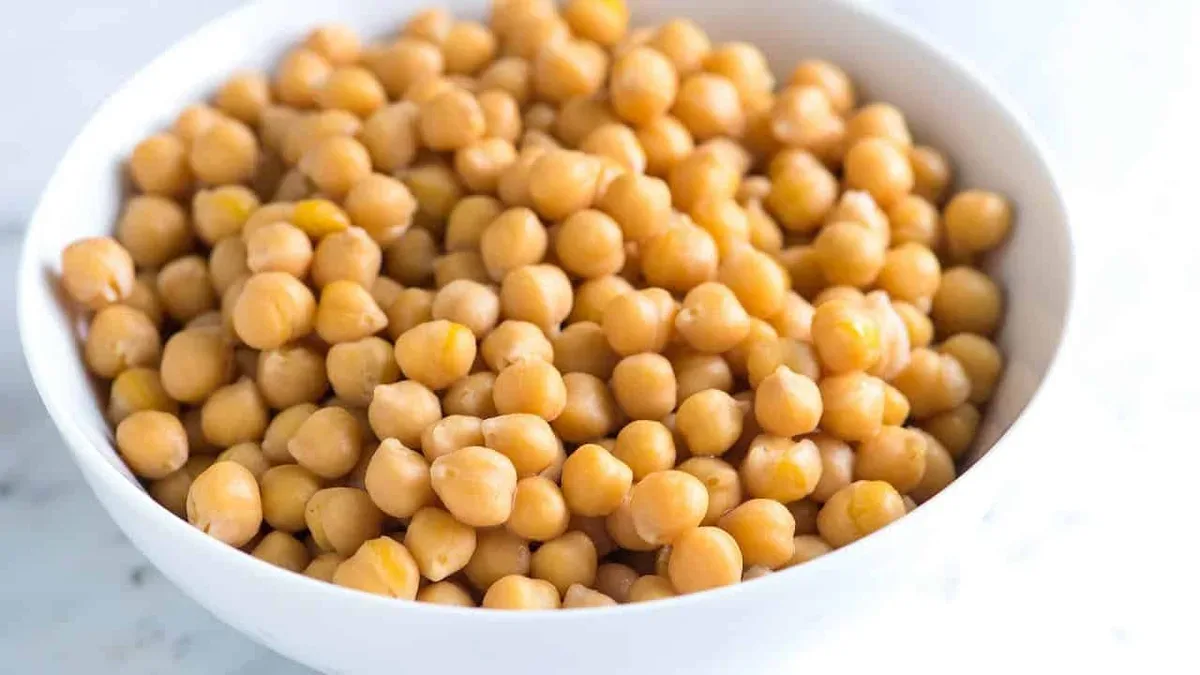
Chickpeas, also known as Garbanzo beans, are a legume native to the Mediterranean region but widely cultivated in India. They are a staple ingredient in Indian cuisine and are consumed in various forms, such as curries, salads, and snacks.
Chickpeas are a rich source of protein, fiber, vitamins, and minerals. They offer numerous health benefits, including improved digestion, weight management, and heart health. They are also beneficial for controlling blood sugar levels and reducing the risk of chronic diseases.
In Ayurveda, chickpeas are considered balancing for all three doshas and are believed to enhance strength and vitality. They are also used in traditional Ayurvedic preparations for their medicinal properties.
Incorporating chickpeas into your diet can provide you with a healthy source of plant-based protein and contribute to your overall well-being.
Banana

Banana is a fruit native to India and is cultivated throughout the country. It is widely consumed in various forms, such as raw, ripe, or cooked, and is a popular ingredient in Indian desserts and snacks.
Bananas are a rich source of vitamins, minerals, and dietary fiber. They provide instant energy, aid digestion, and promote heart health. They are also known to improve mood and reduce stress levels.
In Ayurveda, bananas are considered sweet and cooling in nature. They are used to balance the Vata and Pitta doshas and are believed to provide nourishment and strengthen the body.
Including bananas in your diet can offer you several health benefits and contribute to your overall well-being.
Jackfruit
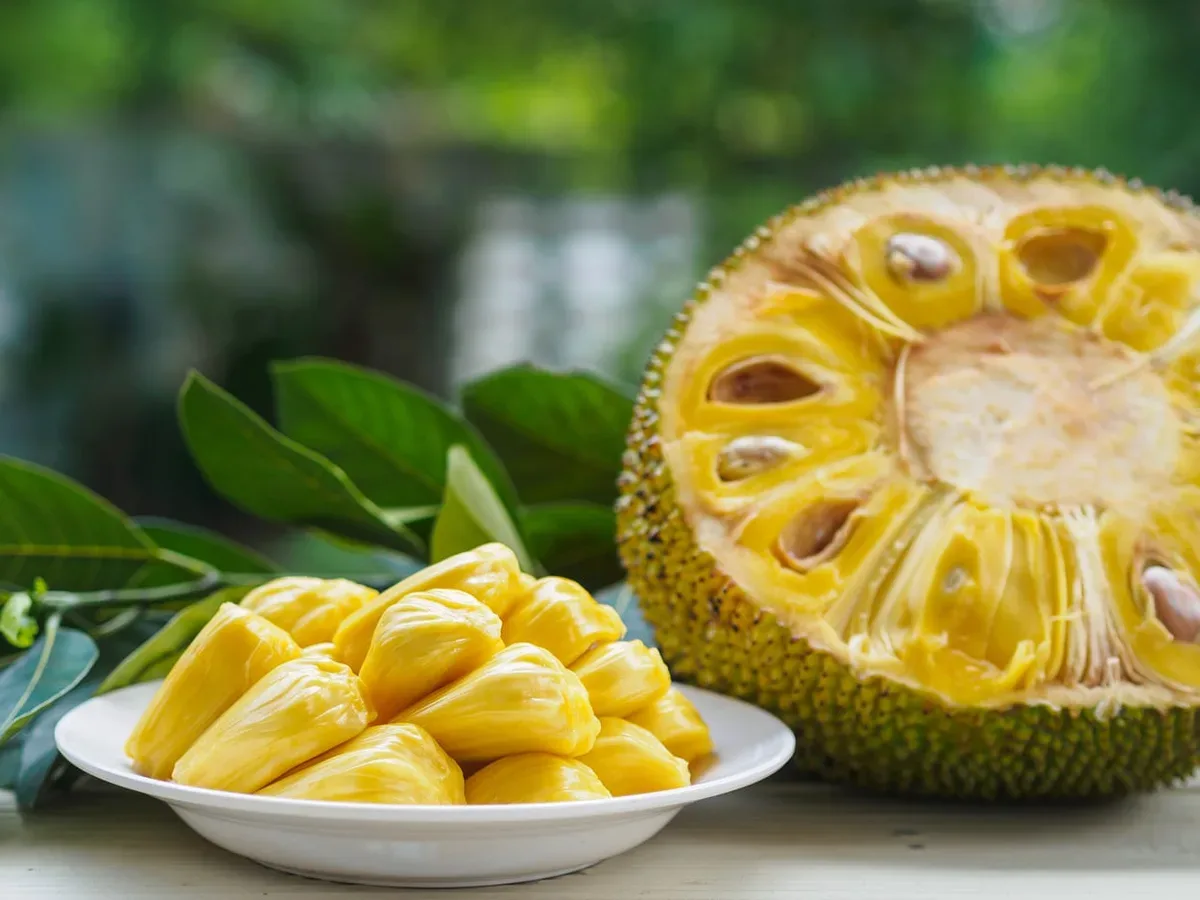
Jackfruit is a tropical fruit native to India and is widely cultivated in the southern part of the country, particularly in Kerala and Karnataka. It is the largest fruit that grows on a tree and has a unique flavor and texture.
Different parts of the jackfruit tree, including the fruit, seeds, and leaves, are consumed for their culinary and medicinal uses. The ripe jackfruit is sweet and used in desserts, while the young jackfruit is often used as a meat substitute in savory dishes.
Jackfruit is a good source of fiber, vitamins, and minerals. It aids digestion, boosts immunity, and promotes cardiovascular health. It is also known for its anti-inflammatory properties and is beneficial for skin health.
In Ayurveda, jackfruit is considered cooling and balancing for the Pitta dosha. It is used to treat digestive disorders, reduce inflammation, and improve overall vitality.
Including jackfruit in your diet can provide you with unique flavors and numerous health benefits.
Turmeric
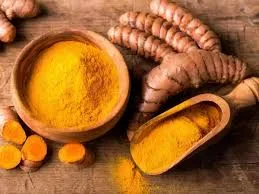
Turmeric, also known as the 'Golden Spice', is a root native to India and is widely cultivated in various parts of the country, including Andhra Pradesh and Tamil Nadu. It is commonly used as a spice in Indian cooking and has been used in Ayurvedic medicine for its medicinal properties.
Turmeric can be consumed in powdered form or as a fresh root. It has a warm, bitter taste and a vibrant yellow color.
Turmeric contains a compound called curcumin, which has powerful anti-inflammatory and antioxidant properties. It aids digestion, supports joint health, and boosts the immune system. It is also known for its potential anti-cancer properties.
In Ayurveda, turmeric is considered heating and balancing for all three doshas. It is used to treat various ailments, including arthritis, digestive disorders, and skin issues. It is also used in Ayurvedic beauty treatments for glowing skin.
Incorporating turmeric into your diet can provide you with numerous health benefits and enhance your overall well-being.
Ghee

Ghee is a type of clarified butter widely used in Indian cuisine and is an integral part of Ayurvedic cooking and medicine. It is made by simmering butter until the milk solids separate and are then removed, leaving behind pure golden fat.
Ghee is rich in healthy fats, vitamins, and minerals. It provides nourishment to the body, aids digestion, and supports brain health. It is also known to strengthen the immune system and promote healthy skin.
In Ayurveda, ghee is considered balancing for all three doshas and is used as a carrier for herbs and spices in medicinal preparations. It is also used in various Ayurvedic therapies and rituals.
Including ghee in your diet can offer you numerous health benefits and enhance the flavors of your meals.
Ragi
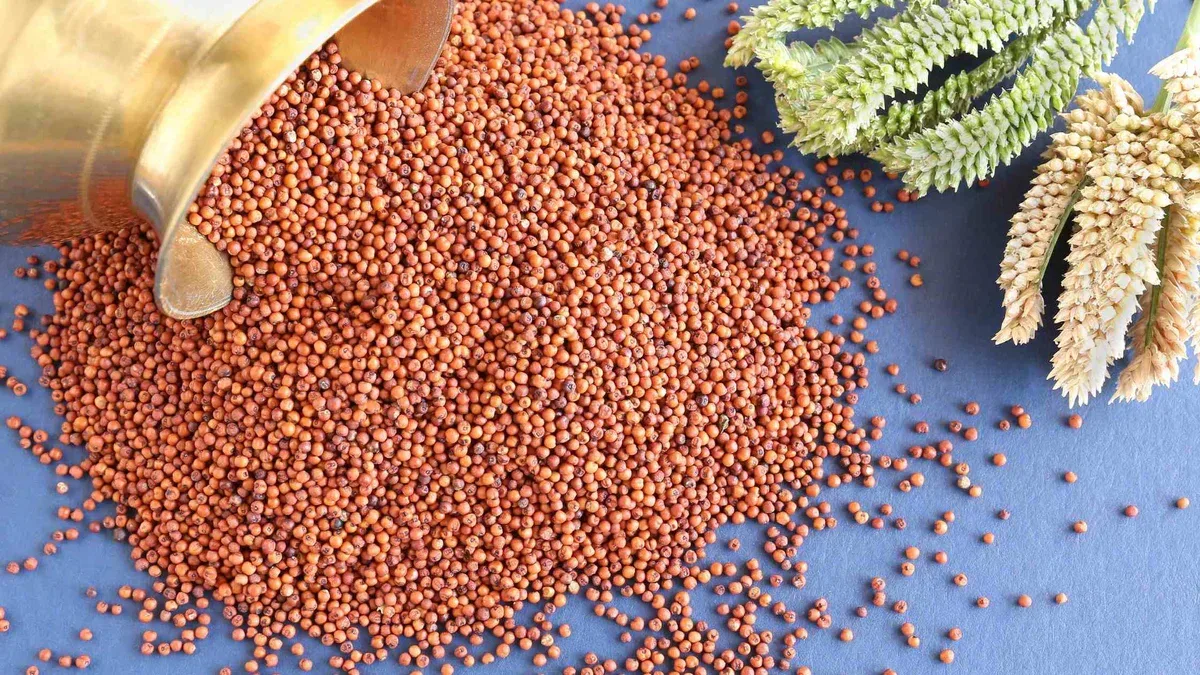
Ragi, also known as finger millet, is a cereal grain native to the Indian subcontinent and is widely cultivated in the southern states of India, such as Karnataka and Tamil Nadu. It is a staple food in many parts of South India.
Ragi is a rich source of dietary fiber, protein, and essential nutrients. It is gluten-free and has a low glycemic index, making it suitable for people with diabetes and those following a gluten-free diet. It aids digestion, promotes bone health, and helps in weight management.
In Ayurveda, ragi is considered balancing for all three doshas and is believed to provide strength and nourishment to the body. It is used in traditional Ayurvedic preparations for its nutritive and therapeutic properties.
Including ragi in your diet can provide you with a nutritious and healthy alternative to other grains and contribute to your overall well-being.
Makhana
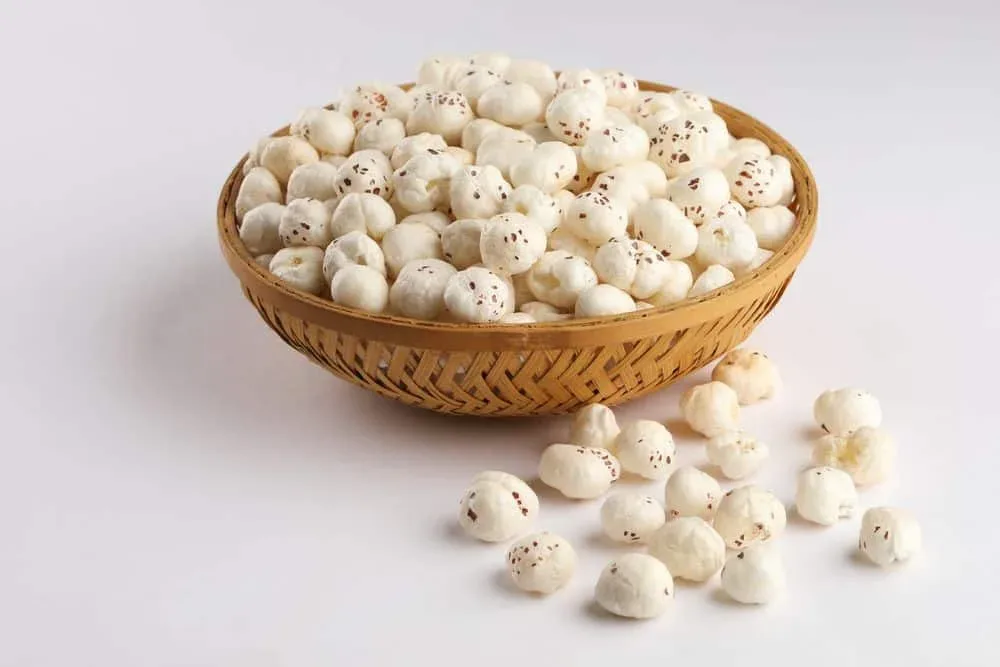
Makhana, also known as fox nuts or lotus seeds, is a popular snack in India and is widely cultivated in the northern states of Bihar and Uttar Pradesh. It is the seed of the lotus flower and is consumed in its popped form.
Makhana is low in calories and fat but rich in protein, fiber, and essential minerals. It is a healthy snack option and is often roasted or fried with spices for added flavor.
Makhana is known for its antioxidant properties and is beneficial for heart health. It aids digestion, helps in weight management, and regulates blood sugar levels. It is also believed to have anti-aging properties and improve kidney function.
In Ayurveda, makhana is considered cooling and balancing for the Pitta dosha. It is used in Ayurvedic preparations for its medicinal properties, particularly for its benefits on the reproductive system.
Including makhana in your diet can provide you with a nutritious and satisfying snack and contribute to your overall well-being.