About this article
India has long captivated the hearts of spiritual seekers from around the world, offering a profound tapestry of ancient wisdom, transformative practices, and sacred landscapes that speak directly to the soul. For American spiritual explorers, this mystical land presents an unparalleled opportunity to connect with traditions that have guided humanity toward enlightenment for thousands of years.
From the snow-capped peaks of the Himalayas to the lush forests of the Western Ghats, India's sacred destinations offer more than just breathtaking beauty. They provide gateways to inner transformation, where ancient rituals, timeless teachings, and powerful spiritual energies converge to create experiences that can fundamentally shift your consciousness and deepen your spiritual practice.
The journey to these sacred sites becomes an inner pilgrimage, one that challenges you to look beyond the surface of everyday existence and embrace the profound mysteries of life. Each destination carries its own unique spiritual signature, offering different pathways to awakening and self-discovery.
10. Chitrakoot: Where the Divine Once Walked
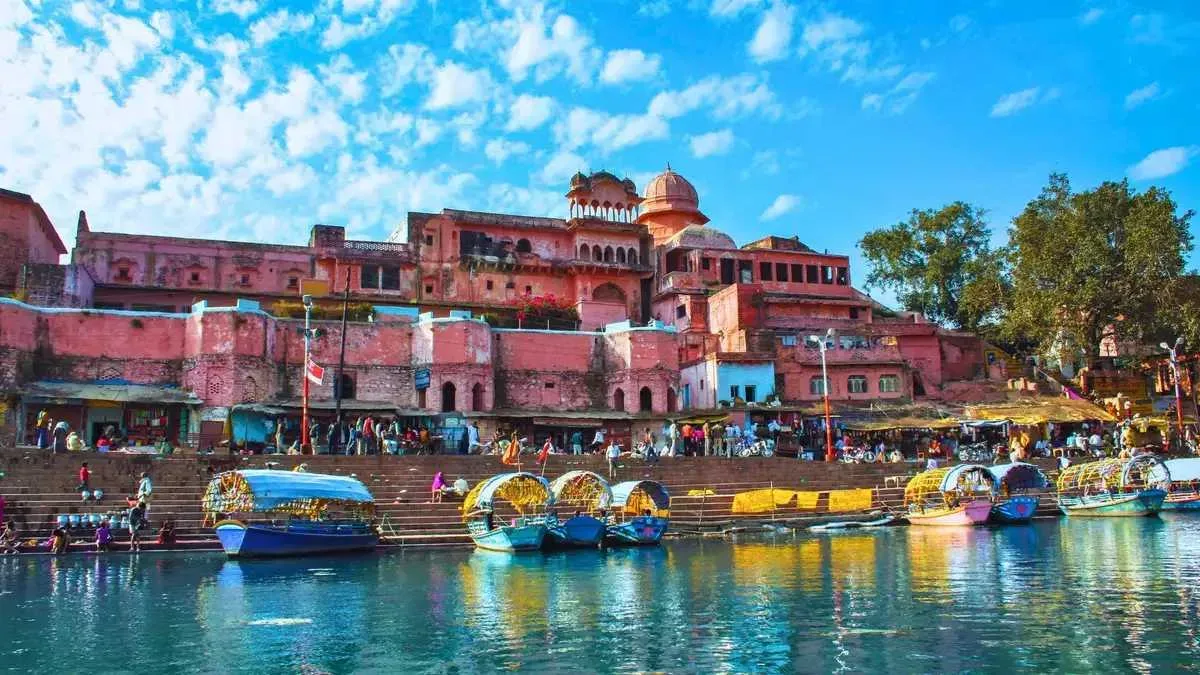
Nestled along the border of Uttar Pradesh and Madhya Pradesh in the northern Vindhya range, Chitrakoot holds a special place in the hearts of millions of devotees. This sacred landscape spans both states, creating a spiritual haven that transcends political boundaries.
The very name Chitrakoot evokes images of divine presence, as this is where Lord Rama, Sita, and Lakshmana spent over eleven years of their exile. According to ancient texts, all gods are believed to reside in this mystical place, making it a perpetual source of divine energy. The land witnessed pivotal moments from the Ramayana, including Rama's father's funeral rites and the emotional Bharat Milap.
Daily life in Chitrakoot revolves around spiritual practice. You can participate in morning and evening aartis at the numerous temples, where the flickering flames of oil lamps create an atmosphere of devotion that touches your very core. The parikrama around Kamadgiri Hill offers a meditative walk that pilgrims have taken for centuries, while the sacred waters of the Mandakini River provide purification for both body and spirit.
During festivals like Ram Navami, Diwali, and Mahashivratri, the entire area transforms into a vibrant celebration of faith. Special processions wind through the streets while collective singing and fire rituals create an energy that visitors often describe as transformative. The community welcomes spiritual seekers to join these ceremonies, offering a genuine taste of Hindu devotional practices.
Planning Your Visit: The winter months from November to February provide the most comfortable weather and coincide with major festivals. However, the monsoon season from August to October brings lush greenery that many find spiritually uplifting. Plan for at least two to three days to fully immerse yourself in the spiritual atmosphere.
Getting there is relatively straightforward. The nearest railway stations are Chitrakoot Dham Karwi, just 10 kilometers away, and Satna, 75 kilometers distant. For air travelers, Allahabad (Prayagraj) and Khajuraho airports offer convenient access, though Varanasi provides another option for those combining multiple spiritual destinations.
Spiritual retreats like Ramdarshan Spiritual Retreat and Shri Paramhans Ashram offer structured programs including silent meditation, yoga, and Vedic workshops. For women travelers, Anusuya Sadhana Kendra provides specialized programs focusing on river yoga and women-centric spiritual practices.
Accommodation ranges from traditional ashrams offering simple, clean rooms and sattvic meals to mid-range hotels like those operated by MP Tourism. Many spiritual seekers prefer staying in ashrams for the authentic experience of communal spiritual life.
9. Chopta and Tungnath: Ascending to Shiva's Highest Abode
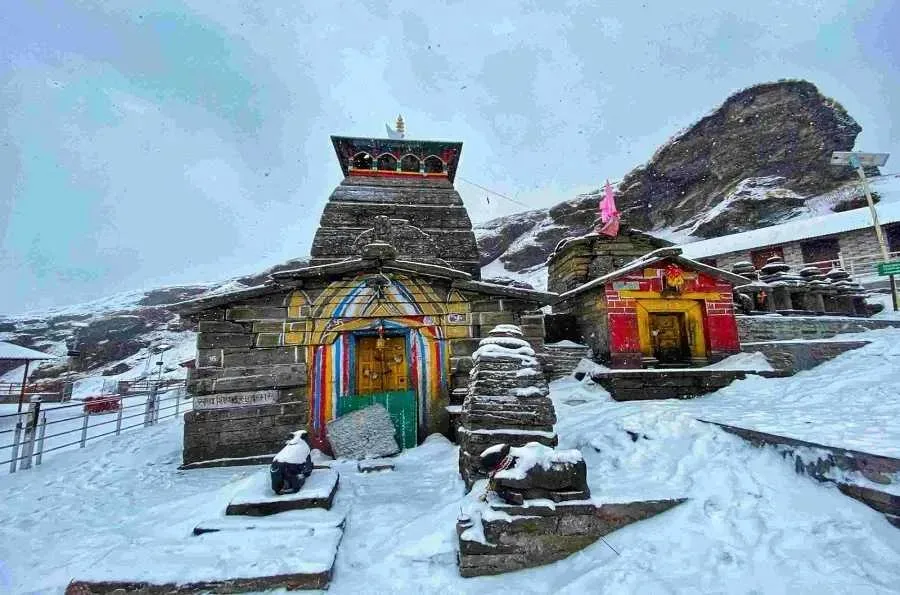
High in the Garhwal Himalayas of Uttarakhand, the sacred journey to Tungnath Temple represents one of the most spiritually significant pilgrimages in India. Chopta, a serene meadow village, serves as your base for reaching Tungnath, the world's highest Shiva temple.
This destination forms part of the revered Panch Kedar pilgrimage circuit, with legends connecting it to the Pandavas' quest for Lord Shiva's forgiveness after the Kurukshetra war. According to mythology, the arms of Lord Shiva, manifesting as a bull, appeared at Tungnath, earning it the title "Lord of the Arms." The temple's ancient architecture, believed to be over 1,000 years old, stands as a testament to unwavering devotion.
The trek from Chopta to Tungnath becomes a moving meditation, where each step upward represents a journey inward. Daily aarti ceremonies fill the mountain air with sacred chants and the gentle ringing of temple bells. Devotees offer milk, ghee, and flowers while participating in Rudrabhishek Puja, an elaborate ritual honoring Shiva through sacred fire ceremonies.
The experience extends beyond formal worship. The pristine Himalayan environment naturally induces meditative states, while the challenging trek tests your physical and mental limits, often leading to profound personal insights. Many visitors describe feeling a tangible shift in consciousness as they ascend through different altitude zones.
Planning Your Visit: April through November offers the best trekking conditions, though the temple typically closes from December to March due to heavy snowfall. For those seeking a unique experience, winter visits provide stunning snow vistas, though accessibility becomes challenging.
Allow at least two to four days for your journey, including time for acclimatization and the optional hike to Chandrashila summit, which offers panoramic Himalayan views. The nearest airports are Jolly Grant in Dehradun (230 kilometers) and Pantnagar (185 kilometers), with Rishikesh and Haridwar serving as the closest major railway stations.
Local guides enhance the experience significantly, providing not only navigation assistance but also cultural context and ritual explanations. Small guesthouses and eco-lodges in Chopta offer simple accommodations with spectacular mountain views, creating the perfect environment for reflection and meditation.
8. Gurudongmar Lake: Where Three Faiths Converge
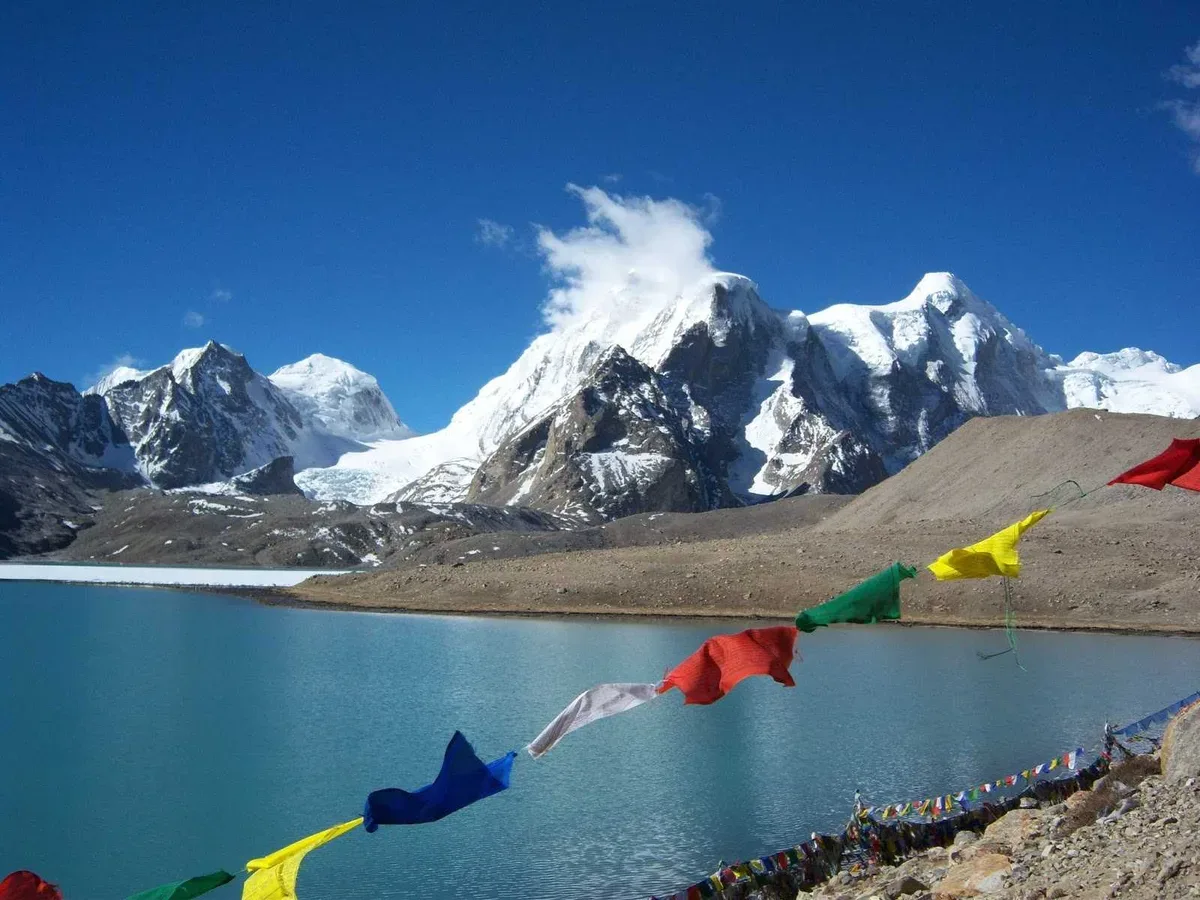
At an altitude of 5,430 meters in North Sikkim, Gurudongmar Lake represents a unique spiritual phenomenon where Buddhism, Sikhism, and Hinduism converge in mutual reverence. This crystalline lake near the Indo-Tibet border carries blessings from multiple spiritual traditions, making it one of India's most inclusive sacred sites.
The lake's spiritual significance stems from two remarkable visits. In the 8th century, Guru Padmasambhava, the founder of Tibetan Buddhism, blessed a portion of the lake, ensuring it never completely freezes despite the harsh high-altitude conditions. Centuries later, Guru Nanak Dev Ji, the first Sikh Guru, is said to have visited this remote location, miraculously breaking through the frozen surface to provide water for his followers.
The journey to Gurudongmar requires special permits and careful preparation due to its border location and extreme altitude. However, those who make the pilgrimage often describe it as life-changing. The thin air and vast landscape create a natural cathedral where the boundary between earth and sky seems to dissolve.
Pilgrims and monks perform prayers near the lake's shores, lighting butter lamps in Buddhist tradition while Sikh ceremonies take place at the nearby Gurudwara. The silence here feels profound, broken only by prayer chants and the gentle lapping of water against the shore.
Planning Your Visit: April, May, and December offer the best weather conditions, though the lake remains largely frozen from November to mid-May, with only the blessed portion remaining liquid. This miraculous phenomenon continues to inspire visitors of all faiths.
Plan for a full day trip or extend to two days if you want time for acclimatization and reflection. The journey requires traveling through Gangtok to Bagdogra Airport, followed by a road journey to Lachen. Inner Line Permits for domestic visitors and Protected Area Permits for international travelers are mandatory, so advance planning is essential.
Accommodations are limited due to the remote location. Most visitors stay in Lachen or Chungthang, where basic guesthouses provide necessary rest before the final ascent. Nearby monasteries, particularly Lachen Monastery, offer spiritual guidance and sometimes lodging for serious practitioners.
7. Kausani: Gandhi's Retreat of Non-Attachment
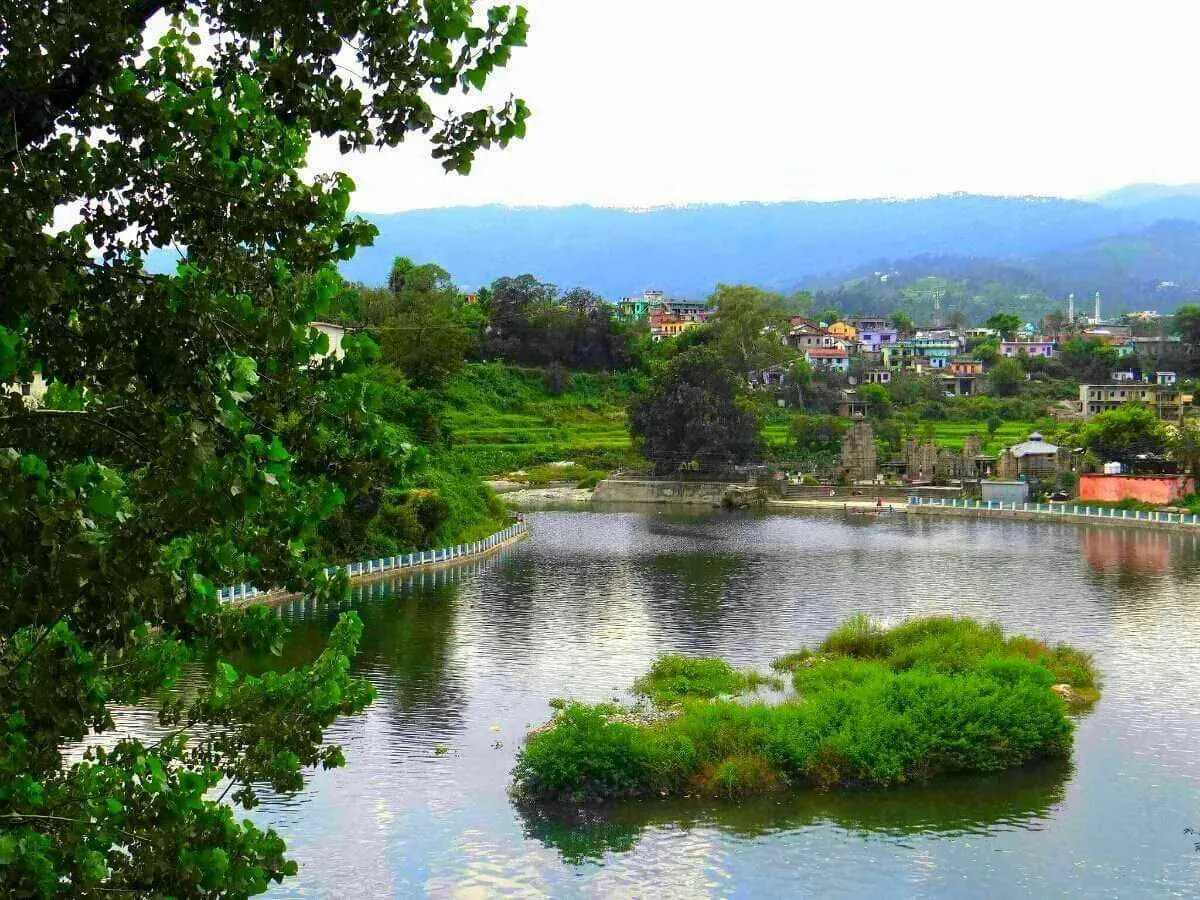
Perched at 1,890 meters in the Kumaon Himalayas, Kausani offers one of the most spectacular views of the Himalayan peaks while serving as a powerful center for spiritual introspection. This hill station gained profound significance when Mahatma Gandhi stayed here and penned his treatise on Anasakti Yoga, the practice of non-attachment.
Gandhi himself described Kausani as the ideal place for practicing detachment from worldly concerns while remaining fully engaged in life's responsibilities. The panoramic views of Trishul, Nanda Devi, and Panchachuli peaks provide a natural backdrop for contemplation, while the area's temples and ashrams offer structured spiritual practices.
Anasakti Ashram, established in Gandhi's honor, continues his legacy through daily prayers, meditation sessions, and discourses on non-violence and simple living. The ashram maintains a museum and library where visitors can study Gandhi's writings and participate in community activities that embody his teachings.
Lakshmi Ashram adds another dimension to the spiritual landscape, focusing particularly on women's empowerment and organic farming. Their integrated approach combines spiritual practice with environmental consciousness, offering programs in yoga, meditation, and sustainable living.
The daily rhythm in Kausani naturally supports spiritual practice. Morning prayers coincide with spectacular sunrise views over the peaks, while evening sessions offer time for reflection as the mountains fade into twilight. Local temples conduct regular aartis and abhishekams, welcoming visitors to participate in traditional Hindu worship.
Planning Your Visit: March through June and October through early December provide the clearest mountain views and most comfortable weather. Winter brings snow and a different kind of beauty, while monsoon season should be avoided due to potential landslides.
Plan for two to five days to fully experience Kausani's spiritual offerings. The journey involves flying to Pantnagar Airport (170 kilometers) or taking the train to Kathgodam (135 kilometers), followed by a scenic drive through mountain roads.
Accommodations range from simple ashram rooms with mountain views to eco-lodges that blend traditional architecture with modern comfort. Many visitors prefer staying in ashrams for the complete spiritual experience, including participation in daily prayers and community meals.
6. Mundanthurai Forest: Where Ecology Meets Spirituality
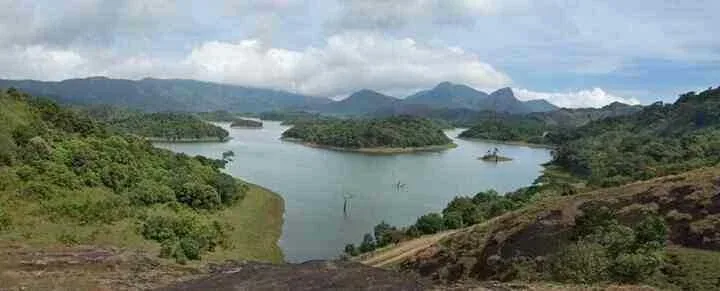
In the heart of Tamil Nadu's Western Ghats, Mundanthurai Forest represents a unique spiritual paradigm where environmental conservation and religious devotion intertwine seamlessly. This biodiverse region within the Kalakkad Mundanthurai Tiger Reserve embodies the ancient Indian principle that spiritual practice and ecological stewardship are inseparable.
The forest's spiritual heritage traces back to the sage Agastya, revered throughout South India as a guardian of monsoons and the originator of Tamil grammar. Local tribal communities have maintained their ancestral practices for generations, honoring nature spirits and local deities like Sorimuthu Ayyanar through rituals that protect rather than exploit the forest ecosystem.
The annual Adi Amavasai Festival transforms the forest periphery into a vibrant spiritual gathering where thousands of devotees camp near the Sorimuthu Ayyanar temple. This celebration encompasses rituals for agricultural prosperity, livestock welfare, and ancestral blessings, featuring community feasting, sacred dances, and spirit possession ceremonies that offer deep insights into Tamil spiritual traditions.
Visitors can respectfully participate in collective prayers, fire rituals, and community festivities while learning about indigenous conservation practices. The experience provides a profound understanding of how spiritual devotion can drive environmental protection, creating what many call a "Green Pilgrimage Model."
Planning Your Visit: November through February offers the most comfortable weather for forest exploration and coincides with the major festival period. Plan for five to ten days during festival times for full cultural immersion, though shorter visits are possible during quieter periods.
Access requires flying to Tuticorin Airport (40 kilometers) or Madurai Airport (160 kilometers), with Tirunelveli Railway Station providing ground connectivity. Forest entry permits are required due to the area's protected status, so advance arrangements are necessary.
Local village elders and religious leaders provide authentic guidance into tribal customs and spiritual practices. While large retreat centers don't exist, the community-based spiritual experience offers deep authenticity for serious seekers. Accommodations include basic guesthouses and eco-lodges near the forest boundary, designed to minimize environmental impact while maximizing spiritual connection.
5. Omkareshwar: The Sacred Island of Om
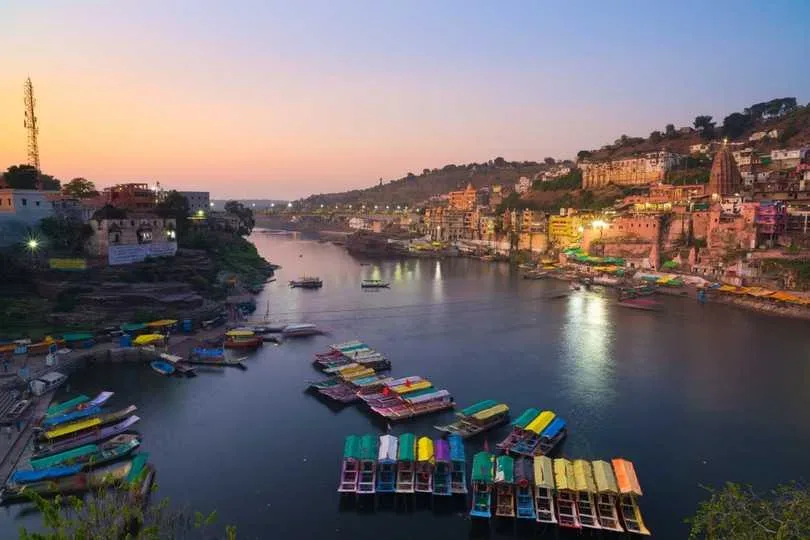
Rising from the Narmada River like a divine manifestation, Omkareshwar Island naturally forms the shape of the sacred Om symbol, making it one of India's most mystically significant pilgrimage sites. This unique geographical formation houses one of the twelve Jyotirlingas, marking it as a premier destination for Shiva worship and spiritual transformation.
Ancient legends describe how Lord Shiva manifested here as the Omkareshwar Jyotirlinga to vanquish demonic forces, while King Mandhata performed severe penance on this very island. The temple's location on Mandhata Island creates a powerful spiritual vortex where the river's energy combines with divine presence to facilitate deep inner transformation.
Daily temple rituals follow ancient protocols established centuries ago. The Abhishek Puja involves ritual bathing of the Shiva Lingam with sacred substances including milk, honey, and ghee, while devotees offer bilva leaves, flowers, and prayers. The temple's acoustics amplify chanting, creating vibrations that visitors often describe as deeply moving.
The Kanwar Yatra during Shravan month (July-August) brings thousands of devotees carrying Narmada water to offer at the Jyotirlinga. This pilgrimage demonstrates the extraordinary devotion that Omkareshwar inspires, with participants walking hundreds of kilometers to complete their spiritual vows.
The Narmada River itself holds immense spiritual power in Hindu tradition. Simply viewing the river is believed to provide purification, making Omkareshwar accessible to spiritual seekers regardless of their physical abilities or religious background.
Planning Your Visit: October through March provides the most comfortable weather for temple visits and river meditation, while Shravan month offers an intense spiritual experience during the Kanwar Yatra. Plan for two to three days to fully experience the island's spiritual offerings.
Devi Ahilya Bai Holkar Airport in Indore (89 kilometers) provides air access, while Khandwa and Indore railway stations offer ground connectivity. The island is accessible by road, with vehicles permitted for pilgrim convenience.
Local guides provide historical and spiritual context while temple priests assist with ritual participation. Small ashrams and retreat centers offer meditation instruction and spiritual discourse. Accommodations range from simple ashrams with river views to mid-range hotels, many designed specifically for pilgrims seeking contemplative environments.
4. Pemayangtse Monastery: The Perfect Sublime Lotus
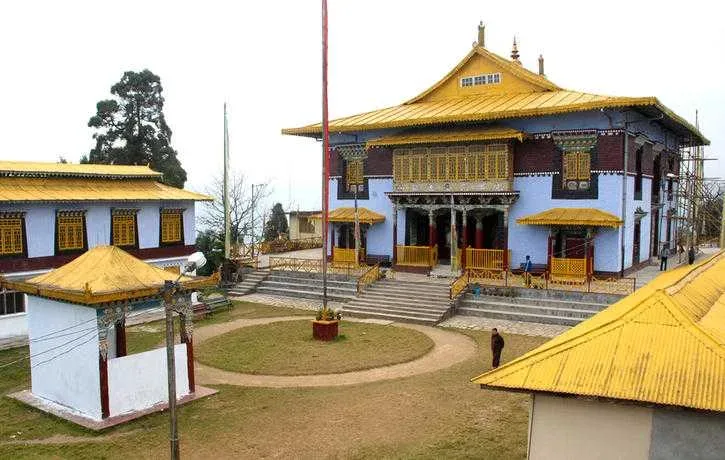
Overlooking the majestic Kangchenjunga massif from its perch near Pelling in West Sikkim, Pemayangtse Monastery embodies the pure essence of Tibetan Buddhist practice. Founded in 1647 by Lama Lhatsun Namkha Jigme, this monastery has served as the spiritual seat of Sikkim's Buddhist heritage for over three centuries.
The monastery's name, meaning "Perfect Sublime Lotus," reflects its role as a center for advanced Buddhist practice. Historically reserved for celibate monks of pure Tibetan lineage, Pemayangtse maintains the highest standards of Buddhist scholarship and spiritual discipline within the Nyingma school.
Daily life at the monastery revolves around traditional practices that visitors can respectfully observe. Morning prayers begin before dawn, filling the halls with deep chanting and the resonant sounds of traditional instruments. The elaborate Cham dance festival in February features masked ritual dances believed to ward off negative forces while blessing the coming year.
The monastery's location enhances its spiritual power. Views of Kangchenjunga, considered sacred by local Buddhists, provide a natural mandala for meditation. The clear mountain air and peaceful environment naturally induce contemplative states, while interactions with resident monks offer insights into lived Buddhist philosophy.
Planning Your Visit: March through June offers pleasant weather and clear mountain views, while November through February provides winter beauty and the opportunity to witness the Cham dance festival. Most visits last one to two hours, though festival participation and retreats extend the experience.
Access involves flying to Pakyong Airport (40 kilometers from Pelling) or reaching New Jalpaiguri railway station (120 kilometers), followed by taxi or shared vehicle transport. Indian citizens don't require special permits, but foreign visitors need Inner Line Permits arranged in advance.
The monastery itself provides spiritual guidance and meditation spaces, while Pelling town offers cultural tours and retreat programs. Accommodations include guesthouses, hotels, and eco-lodges designed for spiritual retreat, many featuring stunning mountain views that support contemplative practice.
3. Tawang Monastery: The Crown Jewel of Indian Buddhism
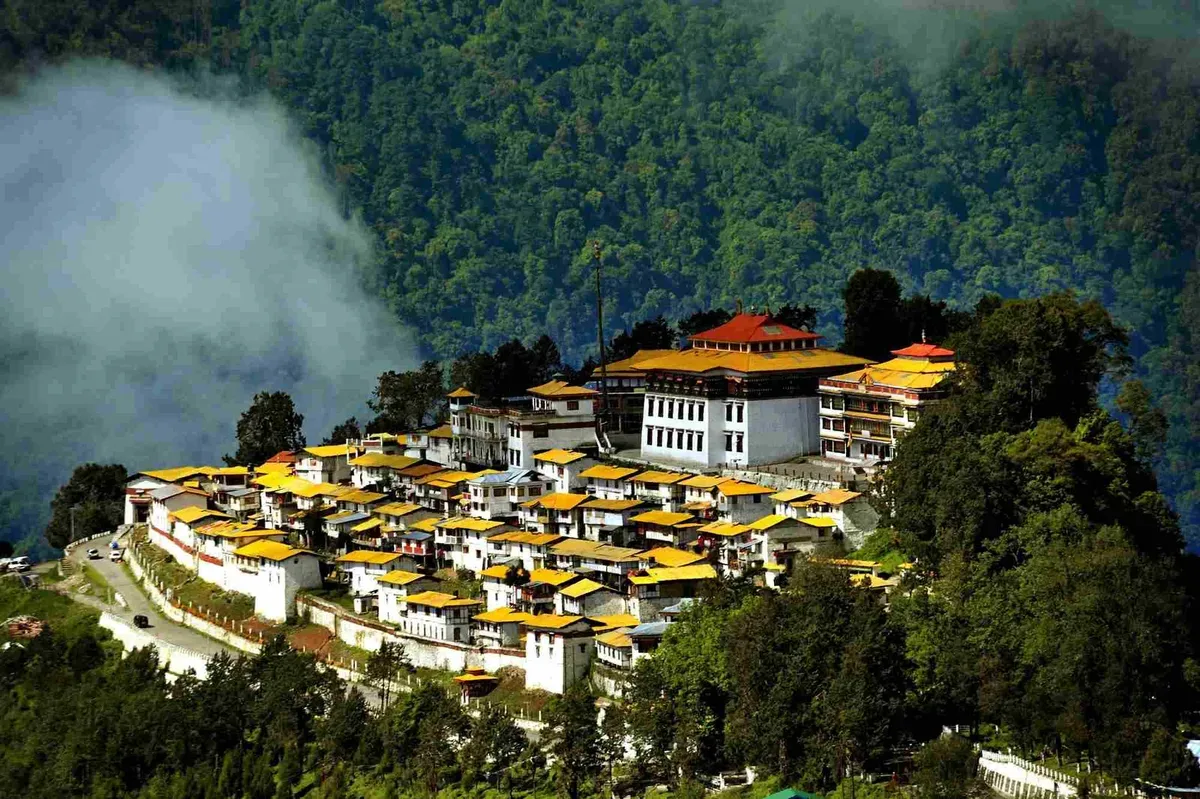
At 3,000 meters above sea level in Arunachal Pradesh, Tawang Monastery stands as the largest Buddhist monastery in India and the second-largest in the world. This massive complex, home to over 450 resident monks, represents the pinnacle of Tibetan Buddhist practice in India and maintains direct lineage connections to the Dalai Lama.
Founded in 1680-81 by Merak Lama Lodre Gyatso under guidance from the 5th Dalai Lama, the monastery's location was reportedly "chosen by a divine horse," confirming its spiritual auspiciousness according to local legend. The Gelugpa School's "Yellow Hat" tradition flourishes here, preserving centuries-old practices and teachings.
Daily monastery life follows ancient rhythms that create a living meditation. Morning prayers begin in darkness, with hundreds of monks chanting in unison as butter lamps flicker in the pre-dawn silence. Water and lamp offerings, veneration of sacred statues and murals, and continuous study of Buddhist texts maintain the monastery's spiritual intensity.
Major festivals transform Tawang into a vibrant celebration of Buddhist culture. Losar (Tibetan New Year) in February-March brings colorful decorations and special ceremonies, while the Torgya festival in January specifically focuses on dispelling negative energies from the previous year. Ritual mask dances during these periods offer visitors profound insights into Tibetan Buddhist symbolism and practice.
Planning Your Visit: March through June and September through October provide the best weather and road access, coinciding with major festival periods. Avoid heavy monsoon and deep winter due to potential landslides and snow closures. Plan for two to three days to fully experience monastery life and local Monpa culture.
The journey requires significant planning. Tezpur Airport in Assam (180 kilometers) or Guwahati (450 kilometers) provide air access, while Rangapara North serves as the nearest railway station. Road travel from Guwahati takes 12-16 hours through challenging mountain terrain.
Both Indian and foreign visitors require special permits. Indians need Inner Line Permits for Arunachal Pradesh, while foreigners require Protected Area Permits. Multiple photocopies and advance arrangements are essential.
Accommodations include guesthouses and hotels in Tawang town, with some visitors arranging stays in monastery guest quarters for deeper immersion. Local Monpa community members and senior monks often facilitate festival participation and spiritual discussions.
2. Sangam at Triveni: The Sacred Confluence at Ujjain
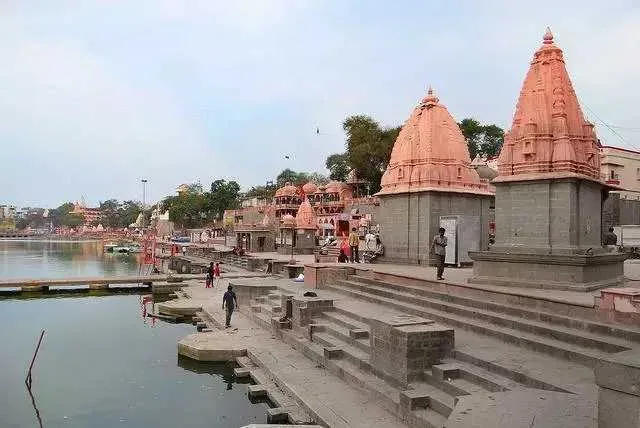
In the ancient city of Ujjain, Madhya Pradesh, the Triveni Sangam represents one of Hinduism's most powerful purification sites. Here, the visible Shipra River symbolically merges with the mythical Ganga and Saraswati, creating a cosmic intersection where physical, mental, and spiritual realms unite according to Hindu cosmology.
Legend attributes the first yajna (fire ritual) performed by Lord Brahma to this sacred location, establishing Ujjain as one of India's seven holy cities. The symbolic confluence of three rivers represents the union of purity (Ganga), devotion (Yamuna), and wisdom (Saraswati), making it an ideal location for comprehensive spiritual transformation.
The famous Kumbh Mela, held every twelve years, transforms Ujjain into the world's largest spiritual gathering. Millions of pilgrims converge for the Shahi Snan (royal bath), when the spiritual power of the confluence is believed to reach its peak. The ritual bathing, called Sangam Snan, is considered one of the most purifying acts in Hinduism, capable of cleansing karmic impressions accumulated over lifetimes.
Daily spiritual activities at the Sangam include morning and evening aartis, when hundreds of oil lamps create floating rivers of light on the water's surface. Devotees offer flowers, bilva leaves, and prayers to river deities while performing ancestral rites through ash immersion ceremonies. The continuous flow of pilgrims creates an atmosphere of devotion that many visitors find transformative.
Planning Your Visit: October through March provides the most comfortable weather for riverbank meditation and festival participation. Major festivals and auspicious lunar days intensify the spiritual atmosphere significantly. Plan for one to three days for complete immersion in the Sangam's spiritual offerings.
Devi Ahilya Bai Holkar Airport in Indore (53 kilometers) provides convenient air access, while Ujjain Railway Station offers excellent connectivity to major Indian cities. Highway connections from Indore and Bhopal make road travel straightforward.
Local guides specialize in religious context and ritual facilitation, while priests assist pilgrims in performing proper pujas and ceremonial baths. Nearby spiritual centers like Shree Swaminarayan Ashram offer structured programs in yoga, meditation, and spiritual discourse.
Accommodations range from traditional dharamshalas near Triveni Ghat to mid-range hotels, many designed specifically for pilgrims. Ashrams provide authentic spiritual retreat settings with vegetarian meals and communal worship opportunities.
1. Ziro Valley: Where Ancient Wisdom Lives
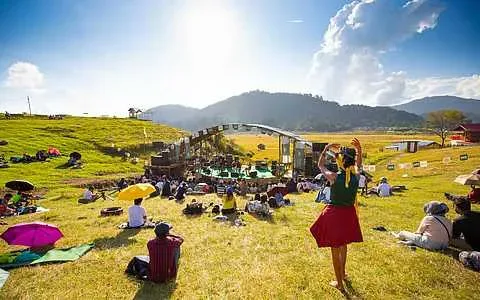
Hidden in the mountains of Arunachal Pradesh, Ziro Valley represents a living spiritual laboratory where the indigenous Apatani tribe maintains ancient animistic traditions in perfect harmony with their environment. This UNESCO tentative World Heritage Site demonstrates how spiritual practice can create sustainable relationships between human communities and natural ecosystems.
The Apatani spiritual worldview centers on Donyi-Polo (Sun-Moon worship) and shamanic practices led by Nyibu ritual specialists. Their belief system recognizes the sacred presence in all natural elements, creating a spiritual ecology that has preserved both cultural traditions and environmental biodiversity for centuries.
Major rituals like the Yapung Ui ceremony in spring mark the rejuvenation of sky, soil, and forest through community-wide practices involving temporary taboos and shamanic guidance. Seasonal festivals including Dree, Myoko, and Murung celebrate agricultural cycles, fertility, and ancestral blessings through traditional dances and community feasting.
The valley's spiritual significance extends beyond formal ceremonies. Daily life among the Apatani demonstrates practical spirituality through sustainable agricultural practices, community cooperation, and reverence for natural cycles. Visitors often describe feeling a profound sense of peace and connection that comes from witnessing authentic harmony between human culture and natural environment.
Planning Your Visit: March through June and September through November provide the best weather and access to major festivals. The monsoon season from July to August should be avoided due to difficult road conditions. Plan for at least four to seven days to properly immerse in Apatani culture and spiritual traditions.
Transportation requires careful planning. While Ziro Airport has limited commercial service, North Lakhimpur (112 kilometers) and Dibrugarh (200 kilometers) in Assam provide reliable air access. Naharlagun railway station (96 kilometers) serves as the nearest rail connection, followed by road travel on National Highway 13.
Authentic cultural immersion comes through Apatani elders, ritual specialists, and cultural performers who offer experiential learning rather than formal retreat programs. Homestays with Apatani families provide the most authentic experience, allowing visitors to participate in daily rhythms and seasonal ceremonies.
Accommodations primarily consist of family-run homestays and small eco-lodges that emphasize sustainability and cultural sensitivity. These simple but comfortable options provide perfect environments for reflection while supporting local communities.
Embarking on Your Sacred Journey
These ten destinations represent far more than tourist attractions or cultural curiosities. They offer genuine pathways to spiritual transformation, each providing unique approaches to the universal human quest for meaning, peace, and enlightenment. Whether you're drawn to the devotional practices of Chitrakoot, the meditative silence of Himalayan temples, or the ecological spirituality of tribal traditions, India's sacred landscape offers profound opportunities for inner growth.
The key to meaningful spiritual travel lies in approaching these places with genuine respect, open-hearted curiosity, and willingness to be transformed by the experience. Each destination requires preparation, both practical and spiritual, but rewards sincere seekers with insights that continue to unfold long after returning home.
Consider these sacred sites as invitations to deepen your spiritual practice, expand your understanding of human wisdom traditions, and connect with the timeless quest for awakening that unites all genuine spiritual seekers. In visiting these places with reverence and sincerity, you participate in an ancient tradition of pilgrimage that has guided countless souls toward greater wisdom, compassion, and inner peace.
The journey to these sacred destinations becomes a journey within, where external pilgrimage mirrors internal transformation, and where the profound spiritual heritage of India offers tools and insights that can enrich your spiritual practice for years to come.