About this article
Introduction: Walking Into the Sacred
Visiting a Shiva temple in South India isn’t just a cultural experience—it’s a step into sacred space. For many spiritual seekers from the West, these temples can feel both fascinating and overwhelming. The rituals, the architecture, the energy—it’s all alive.
This guide is here to help you walk into a Shiva temple with respect, clarity, and a heart open to inner connection. Whether you’re a yogi, meditator, or a curious traveler, here’s how to make your visit meaningful.
Understanding the Temple Layout 🛕
A South Indian Shiva temple usually has these key areas:
- Main entrance (Gopuram) – the tall, ornate tower.
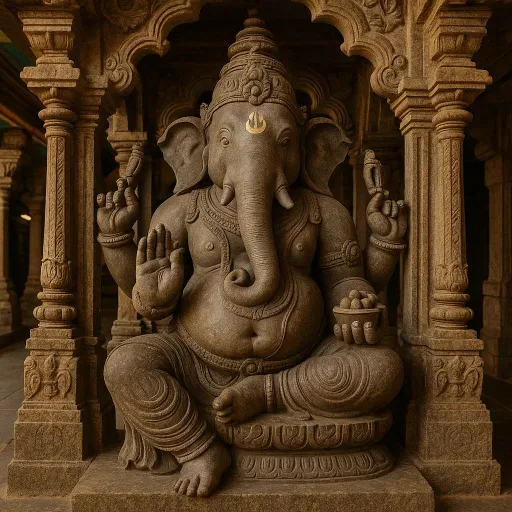
- Vinayaka Shrine – where you greet Lord Ganesha first.
- Murugan Shrine – often present in Tamil Nadu temples.
- Goddess Shrine – Shiva’s consort, Parvati or her many forms.
- Nandi (sacred bull) – facing the sanctum, symbol of devotion.
- Main Sanctum (Garbhagriha) – where the Shiva Linga is enshrined.
Why the Murti Isn't "Just a Statue"
Before you begin the walk through the shrines, it helps to understand what you're actually standing in front of. In the Vedic understanding, the image in the sanctum isn't viewed as ordinary stone — it has undergone Prana Pratistha, a consecration process believed to make it a living focal point for spiritual presence. The point was never the material. It's the awakened field around it. Keep that in mind as you move toward Nandi and the sanctum — you're not just viewing an idol, you're meeting a presence.
Step-by-Step: How to Visit a Shiva Temple
1. Begin with Ganesha (Vinayaka)
As you enter, you’ll usually see Lord Ganesha’s shrine. Pause here first—he is the remover of obstacles. A simple bow, folded hands (namaste), and a silent prayer is enough.
2. Offer Respect to Lord Murugan (if present)
In many South Indian temples, especially Tamil temples, Lord Murugan (Kartikeya) is next. Spend a moment in quiet reverence.
3. Connect with the Goddess
The shrine of the Divine Mother—whether as Parvati, Durga, or another form—is next. Offer your prayers here. You can gently say, “Please carry my prayers to Shiva.”
This is a beautiful expression of the unity between masculine and feminine divinity in Indian spirituality.
4. Ask Permission from Nandi
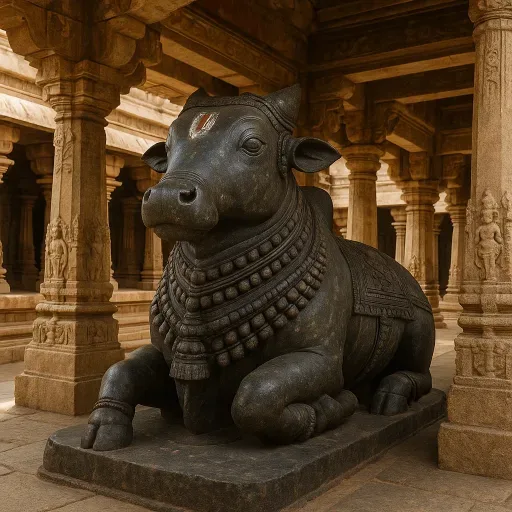
Before entering the main sanctum, you’ll find Nandi, the sacred bull and devoted guardian of Shiva. Bow gently. Do not walk between Nandi and the inner sanctum—it’s a space of focused devotion.
Instead, walk around to the side respectfully.
5. Darshan of Lord Shiva
Experience South India’s Living Temple Tradition with Expert Guides — The Discovering Shiva tour follows the Pancha Bhoota circuit across Tamil Nadu’s most sacred Shiva temples in ten days. Small groups, English-speaking guides, all logistics handled. Designed for international spiritual travelers.
Now enter the sanctum where the Shiva Linga is installed. Keep your eyes open and heart quiet. This is a moment of connection, not performance.
You may softly chant:
“Om Namah Shivaya” “Shivoham Shivoham”
You may simply offer your thoughts, prayers, or gratitude. There’s no need to rush.
Temple Etiquette for First-Time Visitors
- Keep your eyes open during prayer. The deity’s beauty and decoration is for you to receive.
- Go barefoot. Always remove footwear before entering.
- Use both hands when offering or receiving anything.
- Dress modestly. Light cotton clothes that cover shoulders and knees are ideal.
- Move clockwise around the temple unless instructed otherwise.
- Never take temple property home (except sacred ash or blessed offerings).
- Do not touch sacred idols unless specifically allowed.
- Avoid selfies or loud conversation inside temple premises.
How Many Times to Walk Around (Pradakshina)?
In many temples, walking around the shrine is a way of aligning with divine energy:
- Vinayaka shrine – once is enough.
- Murugan shrine – six times for inner clarity and courage.
- Devi shrine (Goddess) – five times for grace and inner strength.
- Shiva shrine – three, five, or seven times for peace and fulfillment.
- Navagraha (planetary deities) – nine times to harmonize your energy.
Walk slowly, with attention—not as a rule, but as a moving prayer.
Sacred Trees and Temple Timings
Many temples have a sacred tree (Sthala Vriksha) that holds energetic significance. Do not pluck leaves or flowers from this tree, especially after sunset. Respect the rhythm of nature.
Also, avoid offering prayers or collecting leaves (like Vilva leaves) after sunset. Mornings are best.
Final Thoughts: It's Not About Doing It "Right"
Don’t worry if you don’t get everything perfect.
Temples in India are not just places of ritual—they are living spaces of shakti (energy), devotion, and timeless silence. If you show up with sincerity, you’re already walking the path.
Remember:
- The ritual is outer; the reverence is inner.
- You are welcome.
- You are blessed.
Let your visit be less about performance and more about presence.
Want to Go Deeper?
Smukti organizes intimate spiritual tours and temple experiences for seekers like you. Connect with like-hearted travelers, spiritual teachers, and ancient spaces respectfully and joyfully. More here