About this article
Switzerland, known for its pristine mountain peaks and cultural precision, has quietly become one of Europe's most significant spiritual crossroads. Over the past several decades, this Alpine nation has welcomed numerous revered Indian spiritual teachers who have established deep roots in Swiss soil, creating an extraordinary bridge between ancient Eastern wisdom and contemporary Western life.
The relationship between Switzerland and Indian spirituality runs deeper than casual interest. Swiss values of community harmony, respect for nature, and individual responsibility align remarkably well with core yogic and Vedantic principles. This natural compatibility has allowed Indian gurus to not only visit Switzerland but to establish lasting centers, communities, and legacies that continue to flourish today.
From meditation techniques validated by Swiss scientific institutions to devotional practices that incorporate traditional Alpine music, these spiritual teachers have created something entirely unique. They've adapted timeless Indian wisdom to resonate with Swiss cultural sensibilities while maintaining the authentic essence of their teachings.
Let's explore the remarkable journeys of fifteen spiritual luminaries and discover how their ancient teachings have found such fertile ground in the heart of Europe.
Mata Amritanandamayi (Amma)
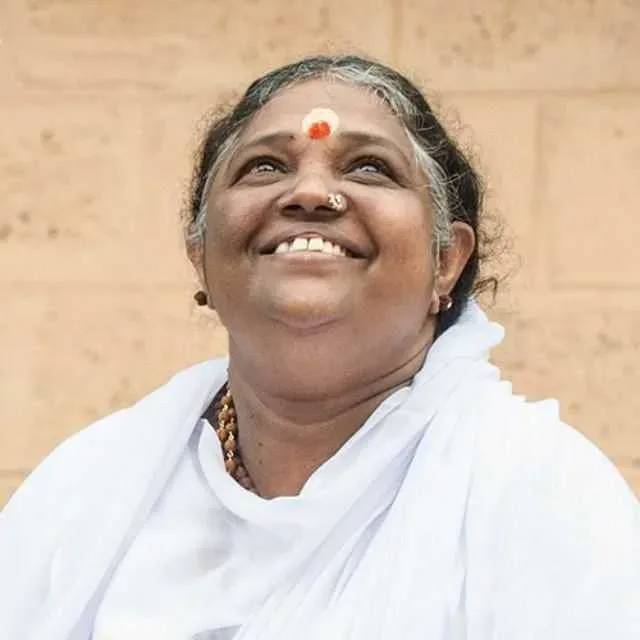
When Mata Amritanandamayi, lovingly known as Amma, first arrived in Switzerland in the mid-1980s, few could have predicted the profound impact this humble woman from Kerala would have on Swiss spiritual life. Born into a fishing family in 1953, Amma displayed an extraordinary capacity for compassion from early childhood, spontaneously comforting suffering individuals through her embraces.
Amma's spiritual lineage draws from the profound wells of Vedanta and Bhakti traditions, emphasizing that love, knowledge, and devotion are inseparable paths to liberation. Her teaching centers on the radical notion that everyone deserves unconditional love, regardless of their background, beliefs, or circumstances.
What makes Amma's Swiss presence particularly remarkable is how her events have evolved to honor local culture. Her gatherings in Winterthur have featured traditional Swiss elements like alphorn music and yodeling, creating a unique fusion that speaks to universal spiritual harmony. In 2016, her welcome ceremony drew not only thousands of devotees but also the Indian Ambassador and renowned Swiss actress Ruth-Maria Kubitschek.
Amma's signature practice, the darshan hug, represents something revolutionary in spiritual teaching. Each embrace she offers is considered a transmission of unconditional love, and over her 30-plus years of visiting Switzerland, she has personally embraced hundreds of thousands of people. Swiss participants consistently describe these encounters as transformative experiences that dissolve cultural and linguistic barriers.
Maharishi Mahesh Yogi
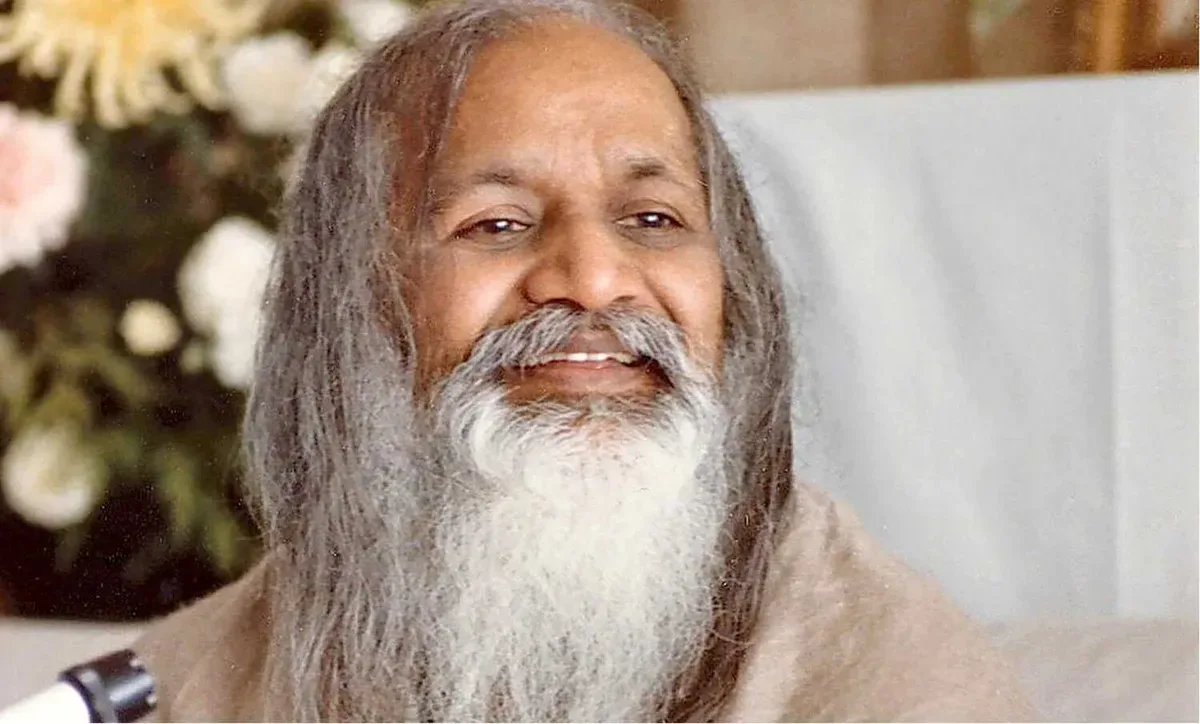
Perhaps no other Indian spiritual teacher has had as systematic an impact on Switzerland as Maharishi Mahesh Yogi, the founder of Transcendental Meditation. Born Mahesh Prasad Varma in 1917, he studied physics before dedicating his life to spirituality under Swami Brahmananda Saraswati in the Himalayas.
In the 1970s, Maharishi made a bold decision that would reshape both his movement and Switzerland's spiritual landscape. He chose Seelisberg, a picturesque village by Lake Lucerne, as the European headquarters for TM and established the Maharishi European Research University (MERU). The TM community acquired the historic Sonnenberg Hotel and surrounding properties, transforming them into centers for retreats, scientific research, and teacher training.
What set Maharishi apart in Switzerland was his emphasis on scientific validation of meditation's benefits. MERU became a crucial research hub where the physiological and psychological effects of TM were studied and documented. This approach resonated deeply with Swiss academic and medical communities, leading to meditation's integration into healthcare, education, and corporate wellness programs.
The TM technique itself, a simple mantra-based meditation designed to access deep states of restful alertness, appealed to Swiss practitioners seeking practical spirituality without elaborate rituals. Group meditations for world peace became regular features, including symbolic gatherings at Rütli Meadow, the site of Switzerland's founding.
Osho (Shree Rajneesh)
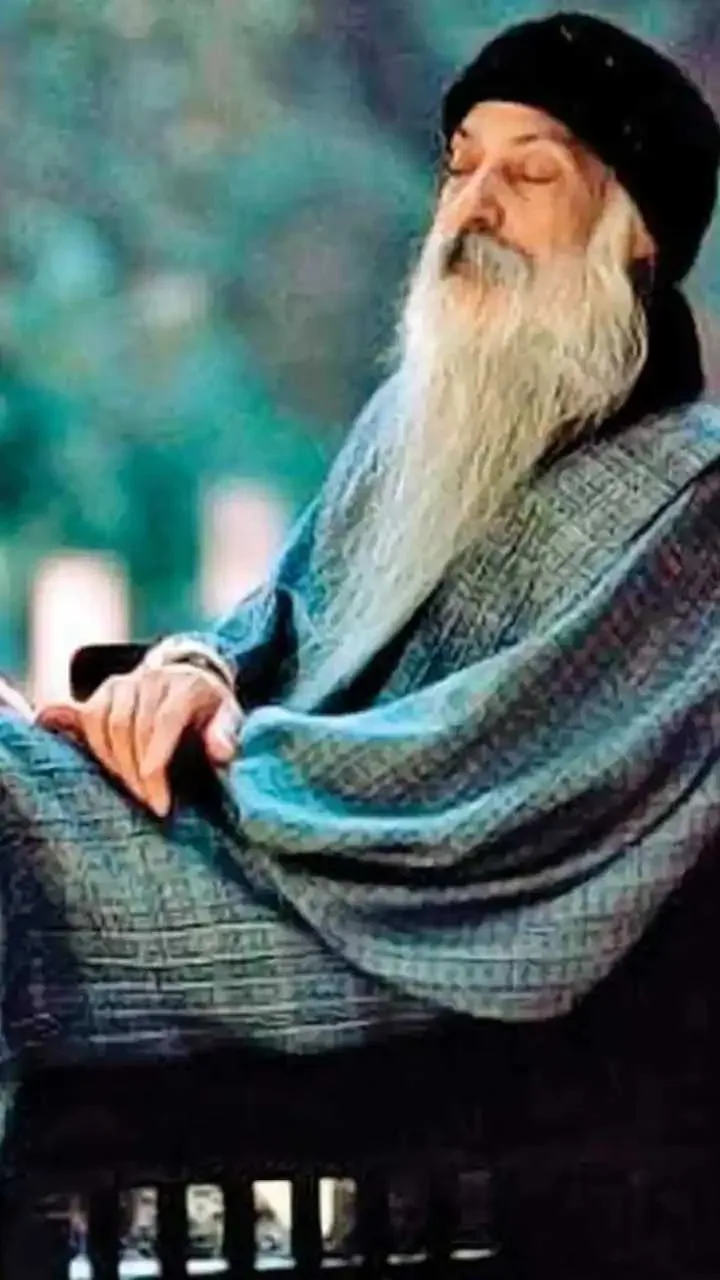
Osho's relationship with Switzerland represents one of the more complex chapters in the country's spiritual history. Born Chandra Mohan Jain in 1931, he experienced spiritual awakening at age 21 and developed a revolutionary approach that combined Eastern mysticism with Western psychology.
While Osho never established a major permanent center in Switzerland, his influence spread through dedicated Swiss communities and the presence of key followers like Ma Anand Sheela, who resided in the country for periods. Zurich became a notable hub for Osho-related activities, hosting communes that connected to his global network.
Osho's signature contribution to spirituality was Dynamic Meditation, a multi-stage practice involving movement, catharsis, stillness, and celebration. This active approach to meditation found particular resonance among progressive Swiss urban audiences seeking alternatives to traditional religious practices.
Swiss centers today, such as Param Meditation in Meiringen, continue to offer Osho's distinctive meditative therapies amid the stunning natural settings of the Alps. Despite controversies surrounding some aspects of the global movement, his core teachings emphasizing celebration, spontaneity, and individual spiritual exploration continue to inspire Swiss communities.
Paramahamsa Vishwananda
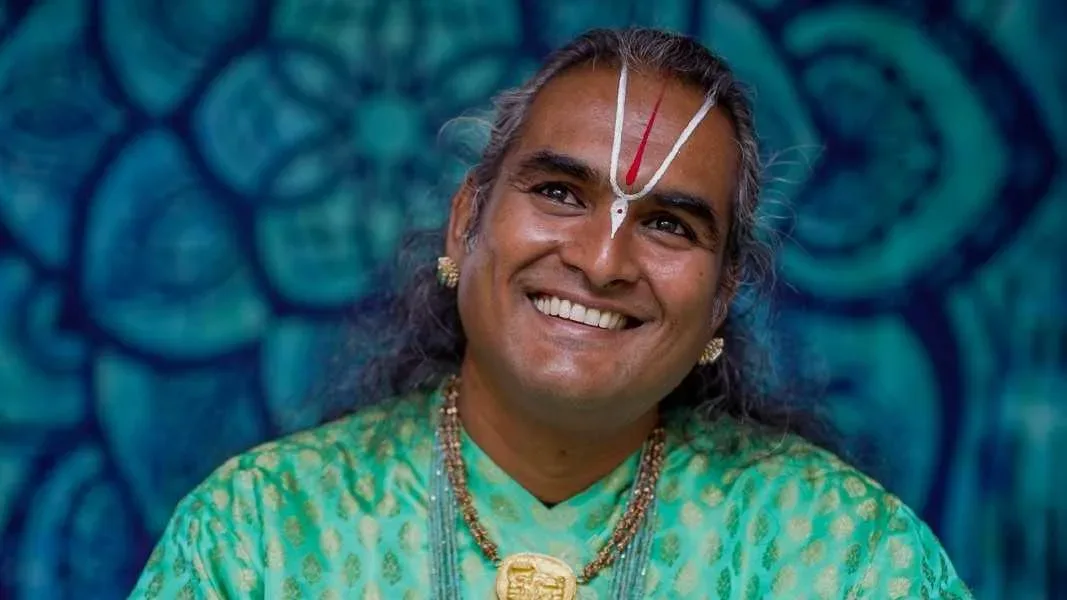
Paramahamsa Vishwananda's story represents a new generation of Indian spiritual teachers who have found Europe to be their primary base for global work. Born in Mauritius in 1978, he experienced his first samadhi at age 14 and reports visionary encounters with his guru, Mahavatar Babaji, since childhood.
Vishwananda first visited Europe, including Switzerland, in 1997 at age 19, following invitations from devoted followers. While his main European ashram, "Shree Peetha Nilaya," is located in nearby Germany, he has established smaller centers and temples throughout Switzerland, inaugurating at least three temples and maintaining active Swiss communities.
His spiritual organization, Bhakti Marga (the path of devotion), emphasizes four key aspects: rituals, devotional arts, yoga and meditation, and spiritual knowledge. Central to his teaching is Atma Kriya Yoga, a meditation and purification technique he developed specifically for contemporary practitioners.
Swiss Bhakti Marga communities actively engage in devotional practices including japa (chanting), puja (worship), and yajna (fire rituals). Regular celebrations like Shivaratri create opportunities for cultural exchange while maintaining authentic spiritual content.
Paramahansa Yogananda
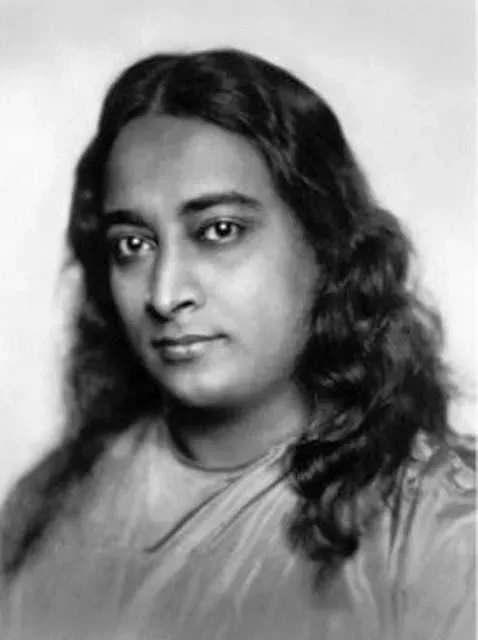
Although Paramahansa Yogananda's direct presence in Switzerland was brief, his influence on Swiss spiritual life has been both profound and enduring. Born Mukunda Lal Ghosh in 1893, he became one of the first Indian spiritual teachers to systematically introduce yoga and meditation to the West.
Yogananda visited Switzerland during his 1935-1936 European tour, delivering lectures in Geneva and Zurich. These visits, though brief, planted seeds that would grow into thriving spiritual communities. Today, the Self-Realization Fellowship (SRF) maintains an active Zurich Center that organizes meditation classes, lectures, and retreats.
Yogananda's core teaching, Kriya Yoga, represents a specific advanced pranayama (breathing control) and meditation practice designed for rapid spiritual development. His emphasis on direct spiritual experience over blind belief, combined with teachings on the unity of all religions, has found natural resonance in Switzerland's multicultural environment.
Swiss practitioners particularly appreciate Yogananda's scientific approach to spirituality. His classic work, "Autobiography of a Yogi," continues to inspire new generations of Swiss spiritual seekers with its blend of mystical experiences and practical wisdom.
Sadhguru Jaggi Vasudev
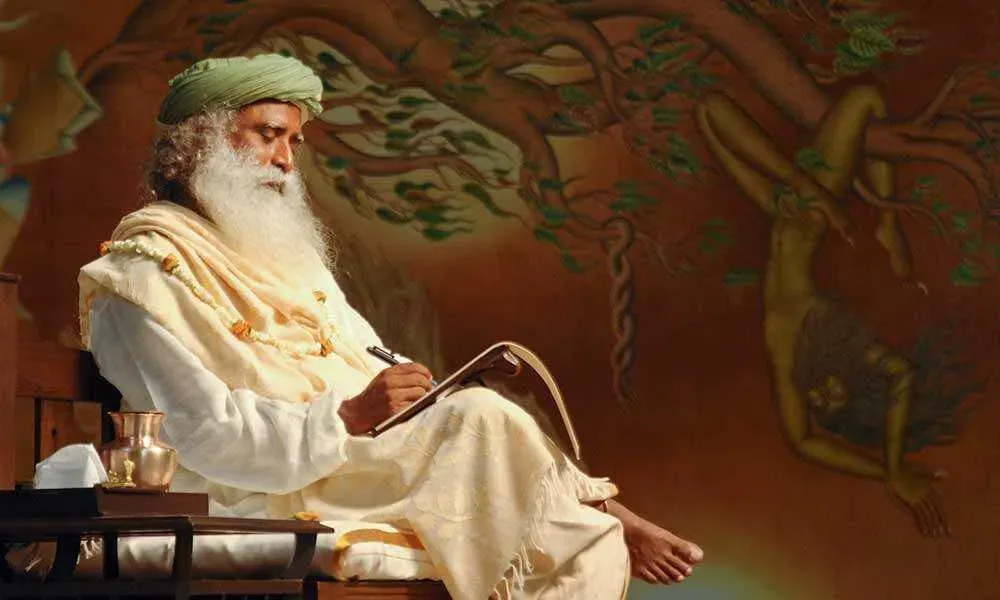
Sadhguru represents the newest wave of Indian spiritual teachers finding deep resonance in Switzerland. Born in 1957, he experienced spontaneous spiritual awakening in 1982 and has since developed a unique approach that combines ancient yogic practices with contemporary lifestyle needs.
While there's no major permanent Isha Ashram in Switzerland, certified instructors are highly active throughout the country, offering yoga, meditation, and wellness programs. Sadhguru's core practices include Inner Engineering, a comprehensive yoga and meditation system, and Shambhavi Mahamudra Kriya, a powerful breathing technique.
Sadhguru's ecological initiatives, particularly the Rally for Rivers campaign, have found significant support among Swiss environmentalists. His message that individual transformation and environmental responsibility are interconnected aligns perfectly with Swiss values of sustainability and harmony with nature.
Swiss participants consistently report improved well-being, stress reduction, and life clarity through Isha programs. The precision of Sadhguru's teaching methods and structured course progression reflects the systematic approach that Swiss culture values.
Shiva Guruji Aruneshvar
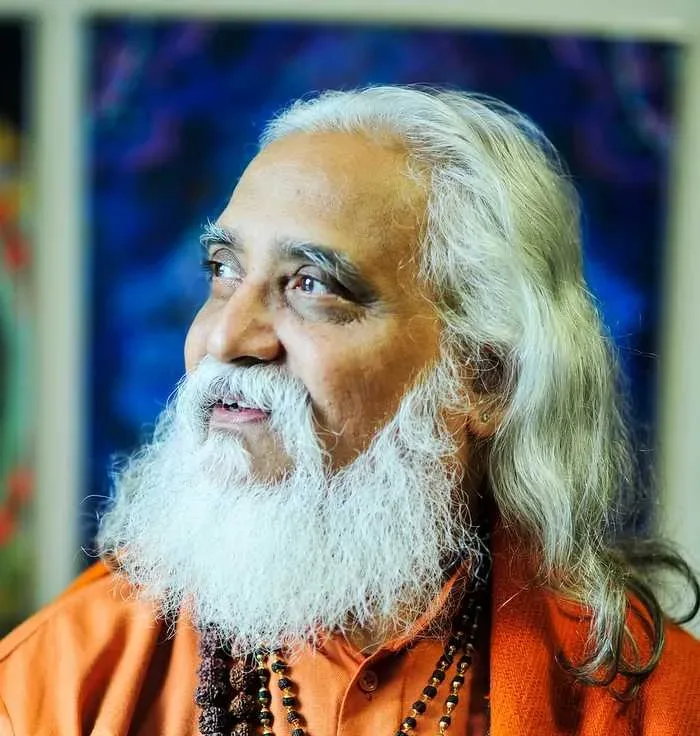
Shiva Guruji Aruneshvar brings a unique dimension to Swiss spirituality through his combination of yogic mastery and spiritual artistry. A revered Himalayan Master who underwent intensive training from 21 Himalayan Masters since early childhood, he has dedicated over 30 years to studying yoga, Vedic Arts, and both Eastern and Western philosophies.
Shiva Guruji is the founder of Shiva Dhyan Yoga, a meditation method based on the Shiva Sutra from Kashmiri Shaivism. Additionally, he has created "Spiritualism Art," which he defines as the first Indian Art movement expressing spiritual experiences and enlightened consciousness.
He actively conducts workshops, conferences, and teacher trainings throughout Switzerland, introducing Shiva Dhyan Yoga meditations at iconic Swiss locations, including Mount Matterhorn. His involvement in spiritual artistic exhibitions and yoga workshops in cities like Zurich and Lausanne has significantly expanded local awareness of Himalayan wisdom.
Notable events include the 2016 "Shiva Spiritualism Art Exhibition" in Zurich and workshops at events like Lebenskraft Messe and MEDNAT Expo. His approach skillfully integrates traditional Himalayan yogic wisdom into European contexts while respecting Swiss values of precision, natural beauty, and community.
Sister BK Shivani
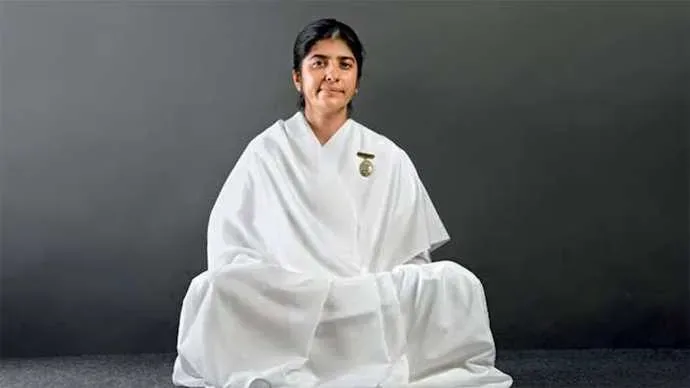
Sister BK Shivani brings a unique perspective to Swiss spirituality through her practical approach to Rajyoga Meditation. Born Shivani Verma in 1972, she holds engineering degrees but chose to dedicate her life to spirituality through the Brahma Kumaris organization.
Switzerland hosts numerous Brahma Kumaris centers in cities like Zurich, Geneva, and Winterthur, where Sister Shivani's teachings are regularly shared. Her approach focuses on practical spirituality, addressing living values, positive thinking, emotional self-care, and mindfulness in ways that resonate with modern Swiss lifestyles.
Her popular television series "Awakening with Brahma Kumaris" has garnered significant Swiss viewership, making spiritual wisdom accessible beyond traditional ashram settings. The emphasis on stress relief, emotional balance, and mental clarity appeals particularly to Swiss professionals dealing with modern life's pressures.
Sister Shivani's scientific approach to spirituality and emotional healing aligns well with Swiss preferences for evidence-based practices. Swiss participants frequently report experiencing profound peace, clarity, reduced stress, and improved relationships after attending her sessions.
Sri M
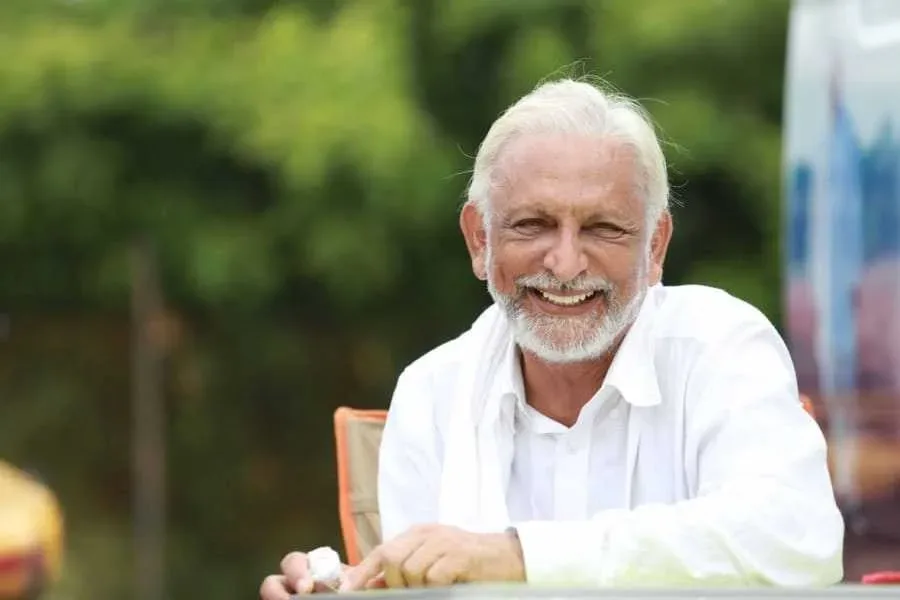
Sri M's journey from a Muslim family in Kerala to becoming a direct disciple of Himalayan masters represents the universality that Swiss spiritual seekers often appreciate. Born Mumtaz Ali Khan in 1948, his spiritual awakening began at age 9 and led to intensive training in the Himalayas under Sri Maheshwarnath Babaji.
Sri M has conducted multiple retreats and talks in Switzerland, including recent events in 2024 and 2025 in the Bernese Oberland, Geneva, and Bern. These programs, often organized by groups like the Mountain Retreat Yoga Sangha, combine meditation, philosophical discourse, and nature immersion.
His teachings emphasize unity beyond religious boundaries, self-realization, and compassionate living. The fact that he comes from a Muslim background but teaches Hindu and yogic practices embodies the interfaith harmony that Switzerland values.
Notable retreats in 2017 at Villa Unspunnen were particularly well received. Swiss participants consistently describe profound personal transformation through Sri M's gentle teaching style and universal spirituality that transcends religious divisions.
Sri Sri Ravi Shankar
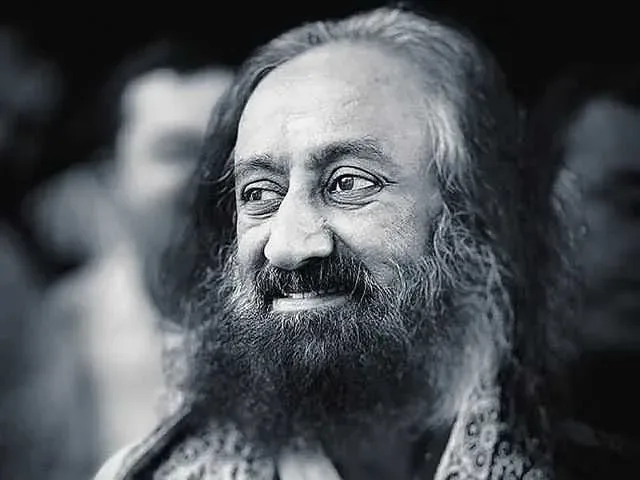
Sri Sri Ravi Shankar's connection with Switzerland dates back to 1983, when the first Art of Living course was held in the country. Born in 1956, he founded the Art of Living Foundation in 1981 after apprenticing under Maharishi Mahesh Yogi in the mid-1970s.
This early establishment has grown into a robust network of centers in Basel, Geneva, Zurich, and other cities. The Art of Living Foundation's signature practice, Sudarshan Kriya, is a rhythmic breathing technique that has been extensively studied by Swiss medical and academic institutions.
Swiss Art of Living centers regularly host workshops, follow-up sessions, and meditation programs managed by certified instructors. The three-day foundational course teaches breathing techniques, meditation, and spiritual wisdom applicable to modern life.
Sri Sri Ravi Shankar's peace initiatives have found particular resonance in Switzerland, with campaigns like 'I Stand for Peace' launched from the UN in Geneva seeing substantial Swiss participation. The Art of Living's approach to universal human values and secular wellness makes it naturally compatible with Switzerland's multicultural and neutral ethos.
Swami Jnanananda
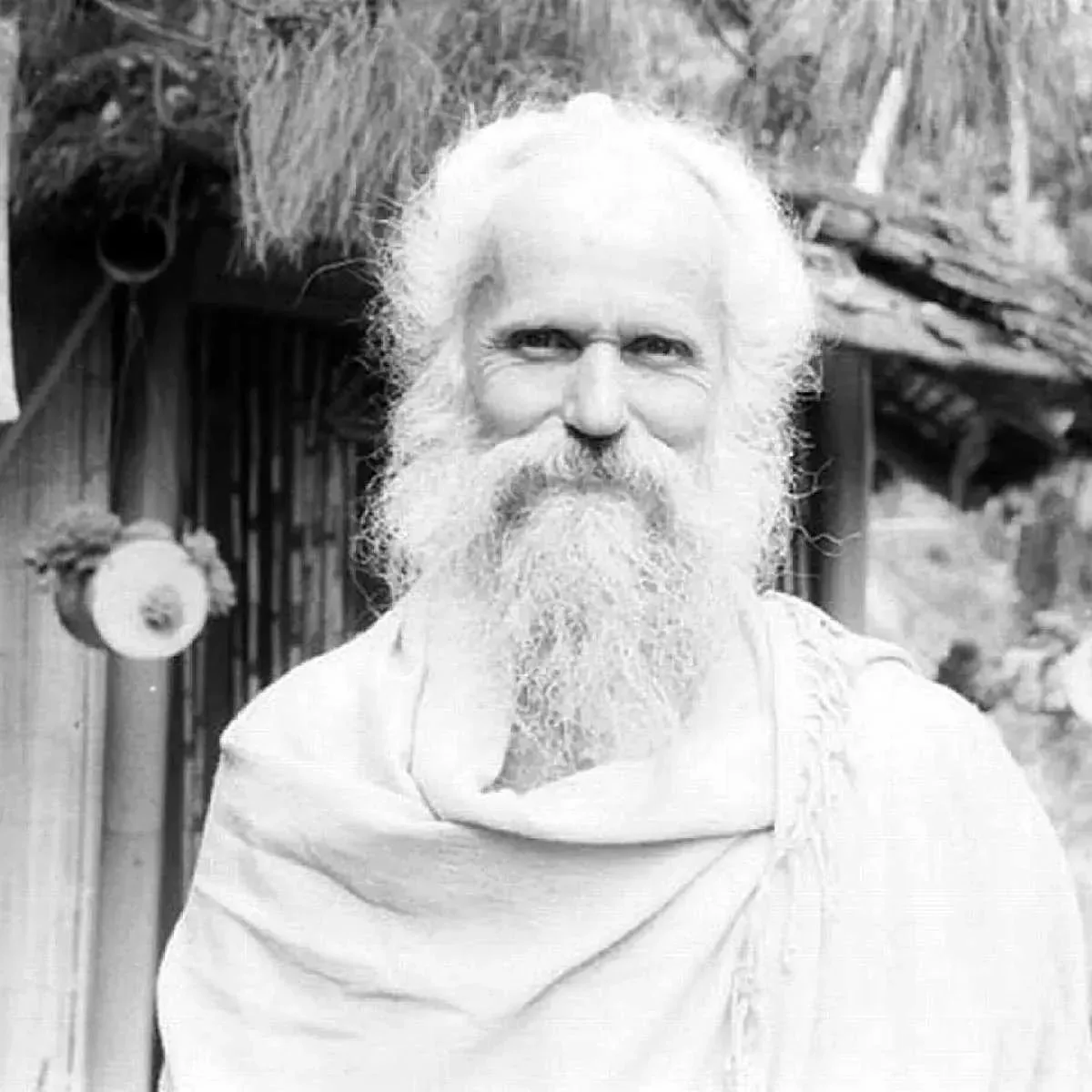
Perhaps no story better illustrates the profound connection between Switzerland and Indian spirituality than that of Hans Hablützel, who became Swami Jnanananda. Born in Zurich, he left Switzerland at age 23 in 1952, never to return, embarking on a spiritual quest that would transform him into a renowned Hindu monk.
In India, Hans met his guru, Swami Atmananda, near Kolkata, and was ordained as a monk with the name Swami Jnanananda. He spent 12 years in intensive spiritual training before becoming a wandering mendicant, traveling through sacred sites across India.
His journey represents the ultimate synthesis of East and West, a Swiss citizen who embraced Indian spiritual traditions so completely that he chose never to return to his homeland. His autobiography, "Transcendent Journey," serves as inspiration for Swiss spiritual seekers considering their own transformative paths.
Encounter Amma, Walk Narayana Guru’s Legacy, and Stand at Kanyakumari Where Vivekananda Meditated — The Living Masters Southern Tip route travels from Trivandrum through Kanyakumari, Swami Sivananda’s birthplace at Pattamadai, the sacred Tamirabarani River, Amritapuri Ashram, and Varkala over ten days. Kochi start and end also available. Designed specifically for international spiritual travelers.
While Swami Jnanananda established no centers in Switzerland, his memory and teachings continue to inspire small but dedicated circles of Swiss followers. His life exemplifies the profound spiritual connection that can transcend cultural and geographical boundaries.
Swami Omkarananda Saraswati
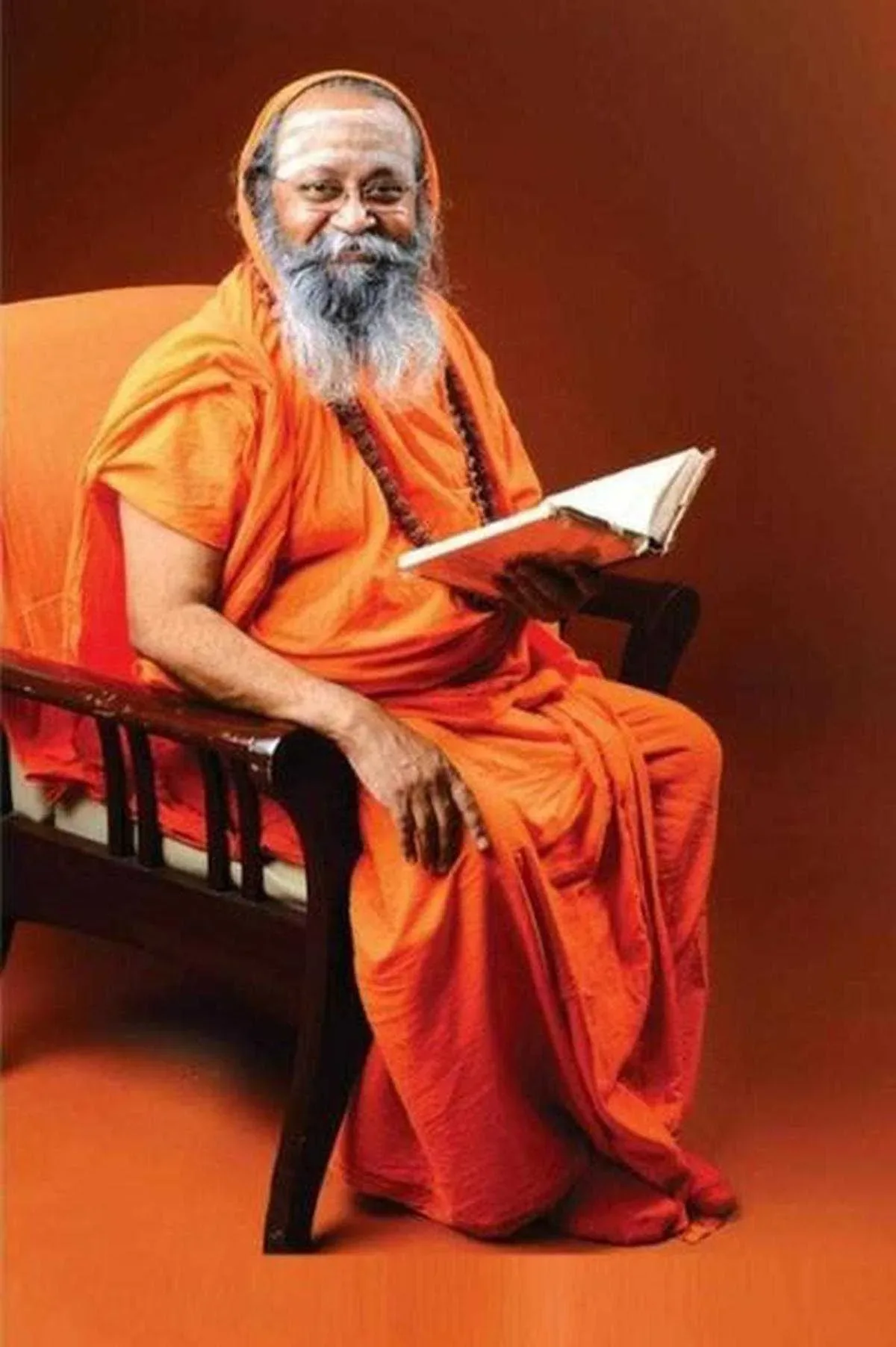
Swami Omkarananda Saraswati made one of the most significant institutional impacts on Swiss spirituality. Born in India in 1929, he was initiated into sannyasa by Swami Sivananda Saraswati at age 17. His unique path heavily focused on the worship of the Divine Mother and espoused a universal spirituality that embraced all religions.
Swami Omkarananda first arrived in Winterthur, Switzerland, in 1965, in response to appeals from local spiritual seekers. In 1966, he founded the Divine Light Zentrum (now Omkarananda International Ashram) in Winterthur, which remains active today as a major center of his work.
The Omkarananda Ashram Switzerland in Winterthur features temples, residential buildings, and is run by dedicated monks and nuns. Beyond Switzerland, he established ashrams in Austria, Germany, England, and France, creating a substantial European network.
His central teaching emphasized the unity and oneness of all religions and the omnipresence of the Divine. He focused on self-realization through meditation, chanting, puja (worship), yajna (fire ceremonies), and Sri Vidya worship. The continuous Akhanda Havan (24-hour fire prayers) commenced in the mid-1970s and continues today.
While the ashram attracted some controversy in the 1970s, the spiritual work has persisted, and numerous disciples continue the practices and teachings he established. His work led to the growth of communities in Switzerland who actively practice meditation, chanting, and Vedic rituals.
Swami Rama
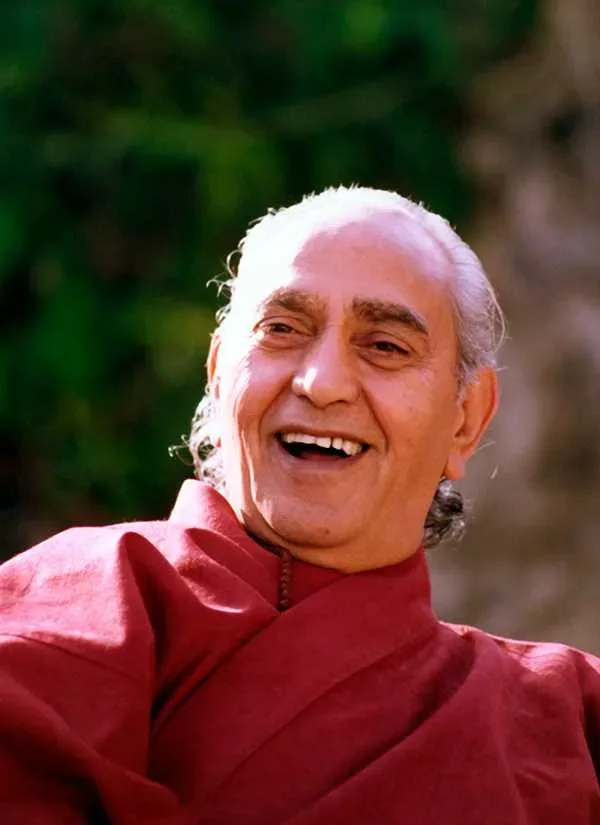
Swami Rama brought a uniquely scientific approach to yogic practices that resonated strongly with Swiss sensibilities. Born Brij Kishore Dhasmana in 1925 in the Garhwal Himalayas, he was raised from an early age by his master, Sri Bengali Baba, in Himalayan monasteries and caves.
He became widely recognized for his profound knowledge in yoga science, philosophy, meditation, and yogic physiology, particularly for the scientific validations of Yoga Nidra and yogic control of the autonomic nervous system. He founded the Himalayan Institute of Yoga Science and Philosophy, which uniquely blends traditional yogic wisdom with modern scientific inquiry.
While Swami Rama did not establish a permanent ashram directly in Switzerland, there is a consistent presence of the Himalayan Yoga Sangha and various affiliated centers across Switzerland that organize teachings based on his extensive work. Retreats and workshops are frequently conducted in scenic Swiss locations.
His core practices include Yoga Nidra (yogic sleep meditation), pranayama (breathing control), Hatha Yoga, and various mind-body control techniques. Swiss practitioners particularly appreciate the scientific grounding and practical applicability of his teachings, with many testimonials highlighting transformative experiences through sustained Yoga Nidra practice.
Swami Satchidananda Saraswati
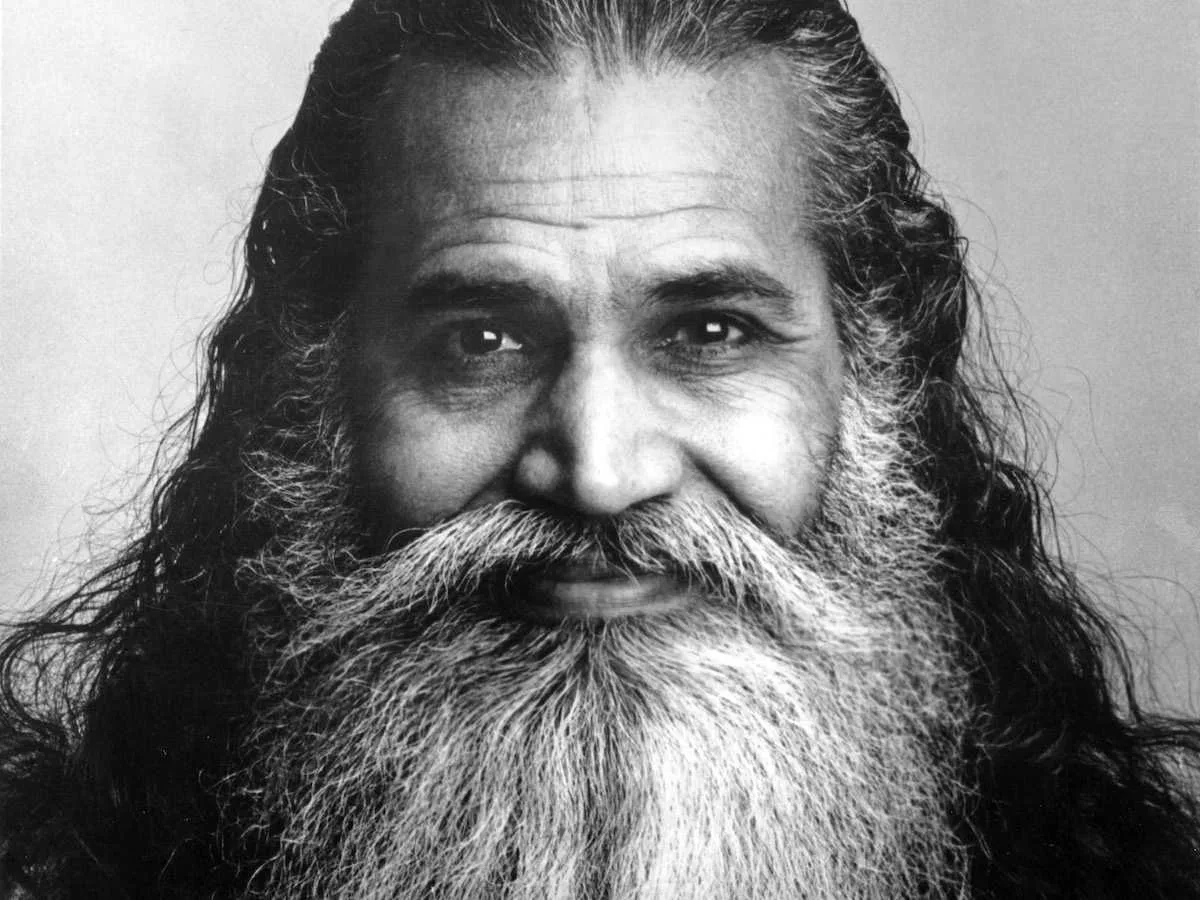
Swami Satchidananda Saraswati made significant early contributions to yoga's acceptance in Switzerland. Born C. K. Ramaswamy Gounder in 1914, he met his guru, Swami Sivananda Saraswati, in 1949, who ordained him into sannyasa. He founded Integral Yoga, a holistic system combining physical postures, breathing, meditation, and interfaith spiritual harmony.
Swami Satchidananda visited Switzerland during his early international travels, with documented visits in 1966 as part of his first European tour. He delivered lectures and held workshops in Basel, Zurich, Fribourg, and Geneva, including a notable three-day stay at a Yoga Ashram in Fribourg.
His signature teaching, Integral Yoga, is a comprehensive system that includes Hatha Yoga, pranayama, meditation, selfless service, and spiritual study. He strongly emphasized interfaith harmony and universal spiritual values, advocating for compassionate living, vegetarianism, and stress reduction through consistent yoga practices.
Swami Satchidananda significantly influenced European yoga communities by introducing authentic yet accessible yoga teachings. His 1966 European tour featured impactful lectures attended by hundreds, and media coverage helped popularize yoga during the cultural awakening of the 1960s in Europe.
Integral Yoga International continues to hold events in Switzerland, delivered by both local and visiting teachers, and his extensive writings serve as valuable references for yoga practitioners and scholars throughout Europe.
Swami Vivekananda
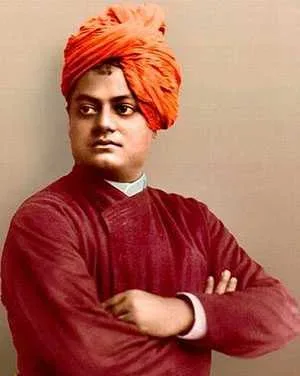
While Swami Vivekananda never visited Switzerland during his lifetime (1863-1902), his influence on Swiss spirituality has been substantial and enduring. Born Narendranath Datta in Kolkata, he became a profound disciple of Sri Ramakrishna Paramahamsa and pioneered the introduction of Indian spirituality to the West.
His core teachings center on Vedantic principles: the divinity of the soul, the fundamental unity of all religions, and selfless service. Though he traveled extensively throughout Europe and the United States, historical records indicate no visit to Switzerland. His influence manifested posthumously through his influential writings and the efforts of devoted disciples.
Swiss followers and Vedanta study groups are deeply inspired by his teachings, with Ramakrishna-Vivekananda centers in nearby European countries occasionally organizing events for Swiss devotees. His ideals have profoundly influenced spiritual seekers worldwide, including within Switzerland.
Events such as talks, lectures, and seminars focusing on Vivekananda's philosophy take place sporadically in Switzerland. His powerful speeches and writings have been translated into German, French, and Italian, making them readily accessible to Swiss audiences. His philosophy aligns exceptionally well with Swiss values of openness, community, and inner discipline.
The Living Legacy: Continuing Transformation
Today, the influence of these fifteen spiritual teachers continues to shape Swiss society in countless ways. From meditation programs in corporate settings to yoga classes in community centers, from interfaith dialogue initiatives to environmental activism inspired by yogic principles, their teachings have become woven into the fabric of contemporary Swiss life.
Swiss practitioners have not merely received these teachings passively but have actively contributed to their evolution and adaptation. The precision and organizational skills that characterize Swiss culture have enhanced the systematic presentation of spiritual practices, while the country's multilingual nature has facilitated translation and accessibility of spiritual texts.
The natural beauty of Switzerland has provided an ideal setting for spiritual retreats and contemplative practices. The Alps have become venues for meditation intensives, while Swiss lakes host gatherings that combine spiritual practice with appreciation for natural harmony.
Each tradition has found its unique expression in Swiss soil. Amma's embrace transcends cultural boundaries, Maharishi's TM found scientific validation, Osho's dynamic methods appeal to progressive audiences, and the devotional practices of various gurus have created vibrant communities of practitioners. The scholarly approach of teachers like Yogananda resonates with Swiss intellectual traditions, while the artistic spirituality of figures like Shiva Guruji adds creative dimensions to practice.
A Bridge of Hearts and Minds
The remarkable story of these fifteen Indian gurus finding their spiritual home in Switzerland demonstrates that authentic spiritual connection transcends all boundaries of nationality, culture, and religion. These teachers have found in Switzerland not just a welcoming environment but a population whose values naturally align with core spiritual principles.
From systematic meditation research to devotional celebrations incorporating Alpine traditions, from monastic renunciation to practical psychology, each tradition has contributed unique gifts while maintaining essential authenticity. The Swiss response has been equally remarkable, showing openness, respect, and genuine engagement with profound teachings.
This living bridge between the Alps and the Himalayas continues to evolve and deepen. Whether through established ashrams like Omkarananda's center in Winterthur, regular visits from teachers like Amma, or the ongoing work of organizations like the Art of Living and Brahma Kumaris, the spiritual exchange remains vibrant and transformative.
As new generations of Swiss practitioners discover these timeless teachings, and as spiritual teachers continue to find creative ways to present ancient wisdom in contemporary contexts, the relationship between Switzerland and Indian spirituality grows ever richer. The seeds planted by these remarkable teachers have grown into flourishing gardens of wisdom, compassion, and transformation that continue to nourish seekers from all walks of life.
For those inspired to explore these paths further, Switzerland offers abundant opportunities through local centers, retreat venues, and communities of practitioners. Whether drawn to devotional practices, systematic meditation, artistic expression, or philosophical inquiry, the wealth of authentic spiritual resources demonstrates that the journey from the Alps to the Himalayas and back again remains very much alive in the heart of Europe.