About this article
For countless generations, India has served as the spiritual heartland of our world, drawing seekers from every corner of the globe to its sacred lands. The profound wisdom embedded in this ancient culture offers something truly extraordinary: authentic pathways to inner peace, holistic healing, and spiritual transformation that can reshape your entire understanding of life itself.
As American spiritual travelers, we find ourselves increasingly drawn to India's retreat centers, and for good reason. These sacred spaces offer far more than exotic getaways. They provide genuine opportunities for deep cultural immersion, authentic teachings rooted in millennia-old traditions, and transformative experiences in yoga, meditation, and Ayurveda that can fundamentally shift how we approach wellness and spiritual growth.
Whether you're seeking refuge from our fast-paced modern world, yearning to dive deep into ancient healing practices, or ready for rigorous spiritual training that challenges your very core, India's diverse array of retreat centers stands ready to nurture your mind, body, and spirit. Each destination offers its own unique flavor of transformation, set against breathtaking natural backdrops that seem designed by the universe itself for contemplation and growth.
Let's explore ten exceptional spiritual retreat centers across India, each offering distinct experiences from the majestic Himalayan foothills to the serene southern coasts. These centers represent the very best of India's spiritual offerings, carefully selected for their authenticity, excellence, and ability to create profound transformation in those who walk through their doors.
10. Ananda in the Himalayas
Location & Natural Setting
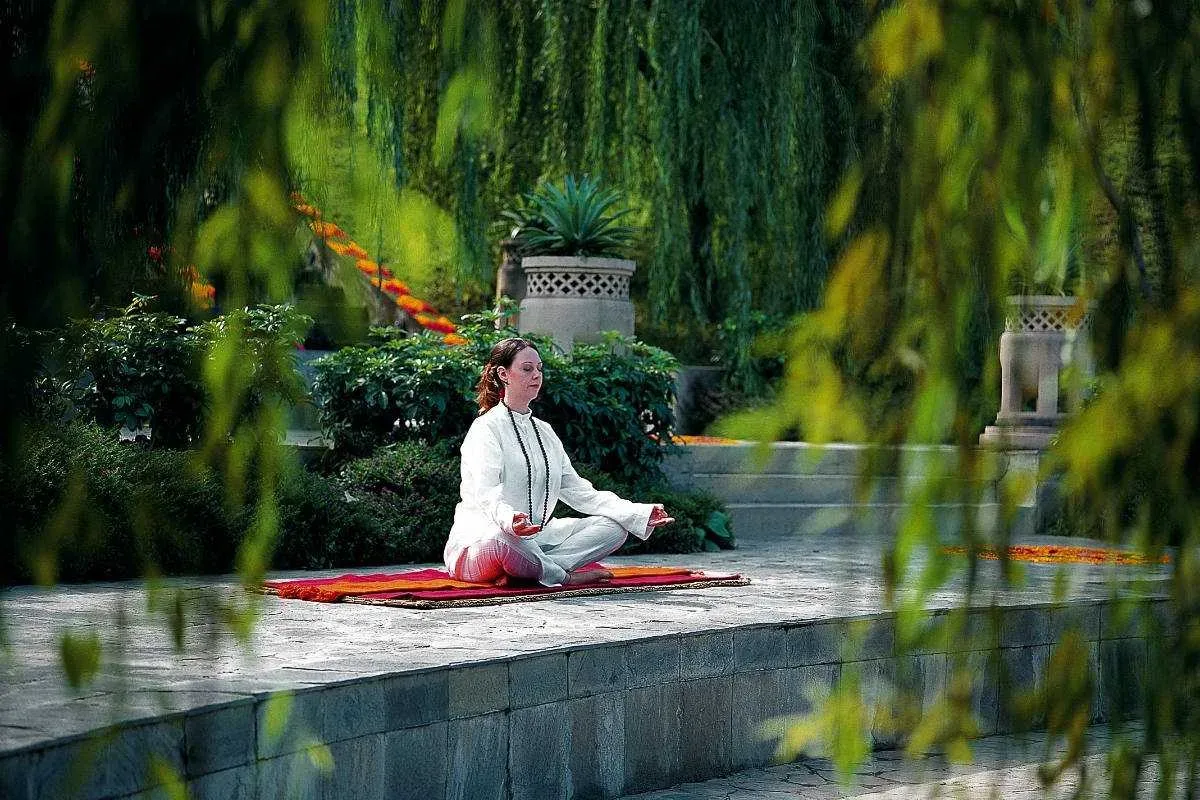
Nestled in the sacred foothills of the Himalayas, Ananda in the Himalayas occupies a truly magnificent setting in Narendra Nagar, Tehri Garhwal District, Uttarakhand. Just a 45-minute drive from Dehradun airport, this extraordinary retreat center spans 100 acres of a former Maharaja's palace estate. The natural beauty here defies description: lush forest gardens cascade down mountainsides, breathtaking Himalayan vistas stretch endlessly before you, and the sacred Ganges Valley spreads below like a living prayer.
The serene river-valley ambiance creates an atmosphere where the very air seems charged with spiritual possibility. This is where ancient wisdom meets natural grandeur, offering the perfect sanctuary for deep inner work.
Spiritual Tradition & Teachers
Ananda's spiritual foundation rests firmly upon traditional Indian practices that have guided seekers for thousands of years. Here, Ayurveda, Hatha Yoga, Vedanta philosophy, meditation, and sound healing weave together into a comprehensive approach to wellness and spiritual growth.
The teaching lineage carries impressive depth and authenticity. Ayurveda physicians trained in Kerala's time-honored traditions work alongside Bihar School of Yoga Hatha instructors. Vedanta lecturers from Paramhansa Yogananda's lineage through Ananda Sangha share their wisdom, while guest masters in sound healing and international holistic modalities regularly enhance the offerings.
Programs Offered & Frequency
Ananda understands that spiritual growth happens at different paces for different people. Their Foundation Wellness Experiences offer one hour daily for those seeking a gentle, holistic introduction to mind-body practices. For those ready to dive deeper, Comprehensive Wellness Programmes provide two hours daily, focusing on specific goals like Detox, Stress Management, Yoga, Sleep Enhancement, Fitness, Chronic Pain relief, and overall Rebalance.
When you're prepared for profound transformation, their Intensive Wellness Programmes dedicate three hours daily to deep immersion in chronic or complex health objectives. Specialized packages include Ayurvedic Rejuvenation, the powerful Panchakarma cleansing, Weight Management, Immunity Booster treatments, Dhyana Meditation intensives, PCOS & Fertility support, and Active Fitness programs, ranging from 7 to 21 nights.
For those called to share these teachings, Yoga & Meditation Teacher Trainings include a comprehensive 200-Hour RYT-200 in-residence module and Level 1 & 2 Ananda Meditation Teacher Certification based on Yogananda's profound teachings, with biennial rotations of Sutras & Gita courses.
Duration & Group Size
Flexibility meets depth in Ananda's program structure. Minimum stays range from 2 nights for a rejuvenating spa getaway to 5 nights for Foundation programs and 7 nights for Comprehensive programs. Most guests find their sweet spot in 5 to 7-night core programs, while intensive therapies often extend 14 to 21 nights. Serious students pursuing 200 to 500-hour training programs commit to 2 to 6 weeks of immersive study.
A typical day unfolds like a carefully choreographed spiritual symphony: morning Hatha Yoga & Pranayama sessions awaken your energy, followed by nourishing Ayurvedic breakfast. Personalized wellness consultations guide your unique journey, while meditation or Vedanta lectures feed your soul. After Satvik lunch, afternoon sessions continue your practice, and evenings close with reflection and integration.
Group sizes remain intimate, typically hosting 10 to 20 guests per program. This ensures the personalized attention that makes real transformation possible.
Accommodation, Dining & Facilities
Luxury meets spirituality in Ananda's accommodations. Seventy rooms, 5 suites, and 3 villas are housed within the beautifully restored Viceroy's Palace and modern wings, each category thoughtfully designed to support your spiritual journey while providing comfort and beauty.
Dining becomes a meditation in itself with two restaurants: the Tree-Top deck and Maharaja's Dining Hall. Here, organic, Satvik-inspired cuisine prepared by an Ayurvedic chef nourishes your body according to your individual constitution and program needs.
The facilities read like a spiritual seeker's dream: a 25,000 square foot spa with 24 treatment rooms, a hydrotherapy pool, sauna and steam facilities, Kneipp baths, a fully equipped fitness center, two dedicated yoga pavilions, a meditation cave for deep practice, an extensive library, and an infinity pool where you can float while contemplating the Himalayas.
Best Seasons to Visit
Each season at Ananda offers its own gifts. March through June brings warm days and crystal-clear skies perfect for outdoor practices and Himalayan contemplation. October through November offers post-monsoon clarity that makes the mountain views absolutely spectacular.
The monsoon season from July through September transforms the landscape into a lush, green paradise, while winter months from December through February create ideal conditions for hot-oil therapies and internal practices.
Prerequisites & Preparatory Materials
Ananda welcomes souls at every stage of their spiritual journey. No prior yoga or Ayurveda knowledge is required, though a health clearance form ensures your safety and program appropriateness. They recommend preparatory reading including Yoga Sutras of Patanjali with Ananda commentary and introductory Ayurveda texts to help you arrive ready to dive deep.
The center emphasizes a technology-free environment during sessions and requests modest attire that honors the sacred nature of the practices.
Post-Retreat Integration & Support
Your transformation doesn't end when you leave the mountains. Each guest receives a customized home-care plan covering daily sadhana, dietary recommendations, and lifestyle adjustments tailored to your unique constitution and goals.
Online resources keep you connected to the teachings through recorded yoga classes, meditation sessions, cooking demonstrations, and regular Ananda Sangha webinars. An alumni loyalty program offers discounts on future visits, special events, and opportunities to connect with fellow spiritual travelers worldwide.
9. Arhanta Yoga Ashram
Location & Natural Setting
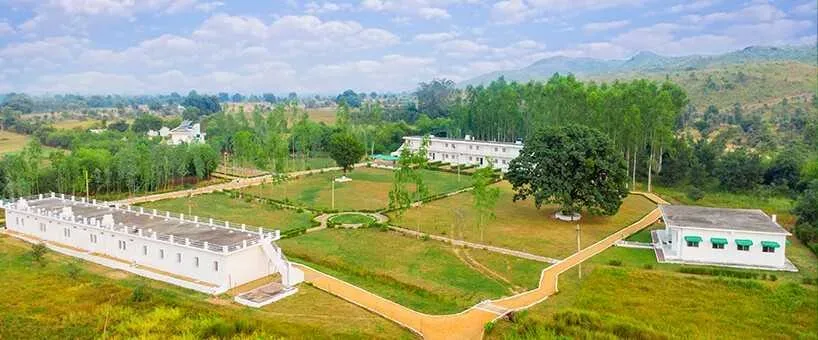
In the heart of Madhya Pradesh, Arhanta Yoga Ashram creates a sanctuary of traditional learning in Bansara, near the ancient city of Khajuraho. Located in Chhatarpur District, approximately 200 kilometers southeast of Gwalior, this ashram embodies the classical gurukula tradition of yoga education.
The 17-acre campus unfolds like a spiritual poem across rolling meadows and deciduous woodland at the foot of the Vindhya Hills. Here, sunrise and sunset walks become moving meditations, and nightly chanting under the star-filled sky connects you to the cosmic rhythms that have guided yogis for millennia.
Spiritual Tradition & Teachers
Arhanta Yoga Ashram stands as a beacon of Classical Hatha Yoga, maintaining the sacred "Gurukula" system where knowledge passes directly from teacher to student. Founded by Dr. Ram Jain (E-RYT 500, YACEP) and Renu Jain, this lineage draws directly from foundational texts like Śiva Samhitā, Haṭha Pradīpikā, and Gheraṇḍa Saṃhitā.
Dr. Ram Jain brings over 30 years of teaching experience, including his tenure as a former director at the prestigious Bihar School of Yoga. His approach combines scholarly understanding with practical mastery, creating an environment where ancient wisdom becomes living practice.
Programs Offered & Frequency
Arhanta's programs focus on depth and authenticity rather than quick fixes. Their comprehensive Yoga Teacher Training Courses represent serious commitments to understanding yoga as both practice and philosophy.
The 200-Hour Yoga Teacher Training Course spans 26 intensive days with monthly intakes, providing a solid foundation in Classical Hatha Yoga theory and practice. For those ready to deepen their understanding, the 300-Hour Advanced TTC offers another 26 days of study, offered quarterly in January, April, July, and October.
The ultimate immersion comes through their 500-Hour Master TTC, a 45-day journey offered biannually that transforms dedicated students into confident, knowledgeable teachers.
For those seeking shorter but equally profound experiences, 7-day, 14-day, and 21-day Hatha & Meditation intensives offer rolling start dates throughout the year.
Duration & Group Size
Course durations reflect the depth of learning involved, ranging from 7-day introductions to 45-day master programs. Full Teacher Training Courses typically require 26 to 45 days of complete immersion in the yogic lifestyle.
A typical day in the 200-hour TTC begins before sunrise with meditation and mantra chanting, followed by Prāṇāyāma & Asana practice. After nourishing Satvik meals, students engage in Asana technique workshops, Yoga Philosophy & Anatomy lectures, teaching methodology practicum, and therapeutic yoga sessions. The day concludes with Bhāvana Sādhanā (guided meditation) and evening discussions that integrate the day's learning.
Group sizes maintain the intimate feeling essential for traditional guru-student relationships. Teacher Training Courses welcome 20 to 35 participants, while shorter immersions host 10 to 20 students, ensuring everyone receives personal attention and guidance.
Accommodation, Dining & Facilities
Simple living supports high thinking at Arhanta. Accommodations consist of shared twin rooms and 4-bed dormitories equipped with solar-heated showers and fans. Open-air verandas provide spaces for personal practice and reflection.
Three daily Satvik vegetarian meals are prepared on-campus and served in an open pavilion, fostering community and supporting the yogic principles of ahimsa (non-violence) and purity. Filtered drinking water ensures health and hydration throughout your stay.
Facilities include three practice halls (both indoor and outdoor options), a well-stocked library for study and research, an Ayurveda consultation room, nature trails for walking meditation, and a dedicated satsang area for evening discussions and community building.
Best Seasons to Visit
The ideal time for practice at Arhanta runs from October through March, when cool, dry conditions (15 to 28°C) support intensive physical practice and outdoor activities. Summer months from April through June bring warmth that can intensify tapas (disciplined practice), while monsoon season from July through September creates lush surroundings and opportunities for indoor contemplation.
Prerequisites & Preparatory Materials
Arhanta welcomes sincere students regardless of their current level. For the 200-Hour TTC, no prior experience is required, though moderate fitness helps with the intensive practice schedule. Advanced Teacher Training Courses require completion of a 200-hour TTC from any Yoga Alliance registered school, ensuring students have the foundation necessary for deeper study.
Preparatory reading includes classical Haṭha Yoga texts like "Light on Yoga" and basic anatomy guides. Pre-course materials arrive via email to help you prepare mentally and intellectually for the intensive experience ahead.
Post-Retreat Integration & Support
Your education continues long after you leave the ashram. Graduates receive personalized daily sādhanā schedules designed to maintain and deepen their practice at home.
Comprehensive online resources provide ongoing support through Arhanta's e-learning platform, featuring recorded lectures, alignment tutorials, and guided meditations. An active alumni community connects through a private Facebook group, with quarterly live webinars led by Dr. Ram Jain and special discount codes for refresher courses and continuing education.
8. Arsha Yoga Gurukulam
Location & Natural Setting
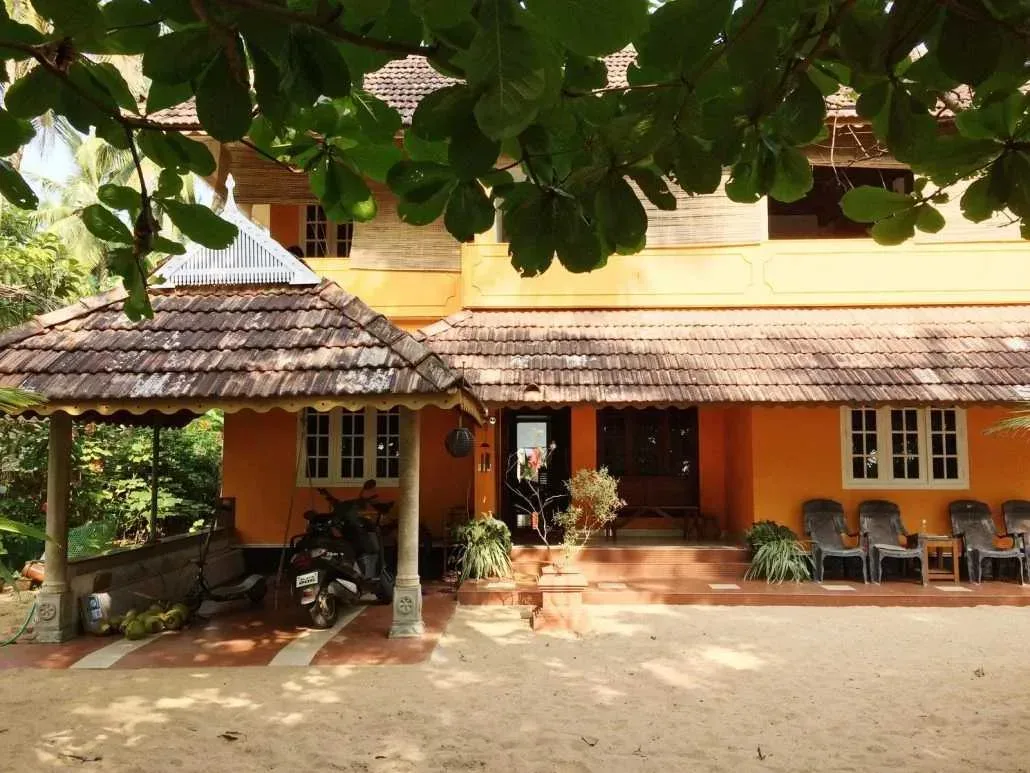
In the verdant backwaters of Kerala, Arsha Yoga Gurukulam offers a uniquely South Indian approach to spiritual learning. Located in Thampankadavu Post, near the Gayathri Beach area between Chengannur and Changanassery, this 7-acre campus straddles the Alappuzha and Thrissur District boundary.
Nestled in the Western Ghats foothills, the gurukulam sits beside tranquil backwaters and emerald rice paddies that stretch toward the horizon. Dawn arrives with a symphony of bird songs, while evenings paint the sky in brilliant colors above ancient Sal trees. The nearby Gulf of Mannar coast adds the healing energy of ocean rhythms to this already powerful setting.
Spiritual Tradition & Teachers
Arsha Yoga Gurukulam embodies the profound traditions of Raja Yoga & Meditation following the classical Patanjali lineage, Vedanta in the Advaita tradition of Śrī Śaṅkara through Swami Dayānanda Sarasvatī, and the healing sciences of Yoga Therapy & Ayurveda.
The gurukulam's master teachers are residential acharyas ordained in Advaita Vedānta, including revered teachers like Swami Sadatmananda and Swami Shankarananda. These accomplished beings work alongside senior yoga therapists trained at prestigious institutions like SVYASA and Kerala's renowned Ayurvedic colleges.
Programs Offered & Frequency
Arsha Yoga Gurukulam offers a rich tapestry of learning opportunities designed to deepen understanding of both practical techniques and philosophical foundations.
Regular Residential Retreats & Camps celebrate the spiritual calendar with programs like Maha Shivaratri intensives, Jñānayajña (knowledge sacrifices), Ashtāvakra Gītā studies, Gurupūrṇimā celebrations, Kathopaniṣad Summary sessions, and Upadeśa Sāram retreats. These 2 to 10-day programs occur 4 to 6 times annually, each timed to align with auspicious periods in the spiritual calendar.
For those ready for deeper immersion, the 108-day intensive program offered twice yearly combines Vedānta philosophy, Sanskrit language study, traditional chanting, meditation practice, and seva (selfless service) into a comprehensive spiritual education.
Short-term immersion options ranging from 1 week to 6 weeks provide focused Vedānta and Sanskrit modules throughout the year, perfect for those with limited time but serious dedication.
Duration & Group Size
Programs range from 2 to 10-day retreats perfect for working professionals to the profound 108-day immersion that transforms committed students. One to six-week courses offer middle paths for dedicated learning without lengthy time commitments.
A typical retreat day begins with Puja & Temple Meditation as the sun rises over the backwaters, followed by periods of Silent Meditation and Gurukulam Seva. Multiple Vedānta Classes throughout the day explore different aspects of non-dual philosophy, interspersed with Vedic Chanting sessions that awaken ancient wisdom through sound. Yoga Classes maintain physical health and energy, while Evening Puja and Satsang (question and answer sessions) close each day with community and clarification.
Group sizes foster both community and individual attention, with 20 to 40 participants for short retreats and 50 to 100 for the intensive 108-day courses.
Accommodation, Dining & Facilities
Simple living in harmony with nature characterizes the Arsha experience. Accommodations consist of eco-friendly huts and shared cottages with double occupancy, basic beds, fans for comfort, mosquito nets for protection, and open-air bathing facilities that connect you with the elements.
Two daily vegetarian Sātvika meals prepared with local organic produce nourish both body and consciousness. Herbal teas and fresh fruits provide energy during breaks, while the communal eating hall fosters community and mindful consumption.
Facilities include a temple hall for morning and evening practices, an open-air pūja mandapam for ceremonies, a meditation yāga śālā for group practices, a Sanskrit library for study, a yoga platform surrounded by nature, rural walking trails for contemplative exercise, and backwater boat access for peaceful reflection on the water.
Best Seasons to Visit
Kerala's tropical climate creates different opportunities throughout the year. November through February offers the most comfortable conditions with cool, dry weather (20 to 30°C) perfect for intensive study and practice.
Monsoon season from June through September brings lush, dramatically beautiful conditions. While rain may limit outdoor activities, it creates perfect conditions for indoor contemplation and study. Summer months from March through May are warm, leading to adjusted schedules that emphasize early morning practices.
Prerequisites & Preparatory Materials
Arsha Yoga Gurukulam welcomes sincere seekers from all backgrounds. Basic English proficiency helps with lectures, though the universal language of spiritual experience transcends verbal communication. Moderate physical fitness supports yoga sessions, and guests should inform acharyas of any medical conditions for appropriate modifications.
Preparatory reading includes "Bhagavad Gita: A New Commentary" by Swami Dayānanda Sarasvatī, introductory Raja Yoga texts, and Sanskrit alphabet primers to help you engage more deeply with the traditional teachings.
Post-Retreat Integration & Support
Your spiritual education continues well beyond your physical departure. Each participant receives a personalized practice plan including daily sādhanā recommendations and scriptural study guidelines tailored to their level and interests.
Ongoing support includes weekly Zoom satsangs with the acharyas, access to recorded lectures, and email question-and-answer opportunities. An active alumni network provides biannual online "Arsha Connect" forums, regional study groups for continued learning, and prerequisite credits toward longer courses with discounts on future retreats.
7. Bodhi Zendo Zen Retreats
Location & Natural Setting
High in the Kodai-kanal Hills of Tamil Nadu, Bodhi Zendo creates a uniquely serene environment for Zen practice. Located in Perumalmalai, Dindigul District, at approximately 1,700 meters elevation, this international center for Zen practice combines the austere beauty of Japanese aesthetics with the natural splendor of South Indian hills.
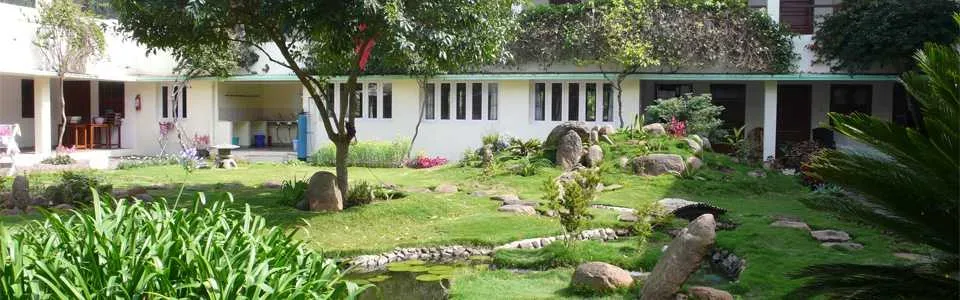
The six-acre hillside campus features a meticulously maintained Japanese-style Zen garden, peaceful koi ponds that reflect the sky, and carefully tended coffee and fruit trees. Panoramic mountain and valley views provide constant reminders of the vastness and impermanence that lie at the heart of Zen teaching. The proximity to St. Joseph's Farm adds to the sense of peaceful rural simplicity.
Spiritual Tradition & Teachers
Bodhi Zendo embodies the profound simplicity of Sanbō Kyōdan-derived Zen Buddhism, skillfully integrating elements from both Japanese Rinzai and Sōtō traditions. This lineage traces its authenticity from Yamada Kōun Rōshi through Fr. AMA Samy, who holds the distinction of being the first Indian Zen Master, to the current director, Zen Master Fr. Cyril Mathew.
Fr. Cyril Mathew's guidance reflects decades of intensive practice and teaching, supported by senior practitioners who understand the subtleties of Zen training through their own deep experience.
Programs Offered & Frequency
Bodhi Zendo's approach to practice emphasizes consistency and gradual deepening rather than quick spiritual fixes. Their flexible program structure accommodates both serious long-term practitioners and those new to Zen meditation.
Daily Zen Practice continues year-round on non-sesshin days, providing a foundation for anyone called to sit in silence. Mini-Sesshin (3-day intensives) occur monthly during the first week, with additional offerings from July through November when the mountain weather is most conducive to intensive practice.
Full Sesshin (5-day intensives) represent the heart of Zen training, held approximately twice monthly throughout the year. These intensive retreats provide the sustained silence and rigorous schedule that allows deep insights to emerge naturally.
Personal Practice Stays welcome individual practitioners daily outside sesshin periods, perfect for those who prefer to maintain their own rhythm while benefiting from the center's powerful meditation environment.
Duration & Group Size
Program lengths reflect the natural rhythms of Zen practice. Mini-Sesshins offer 3-day introductions to intensive practice, while Full Sesshins provide 5 days of complete immersion. Self-practice stays can extend from single days to month-long personal retreats.
A typical sesshin day embodies the essence of Zen simplicity: wake-up before dawn, followed by periods of Zazen (sitting meditation) interspersed with Dokusan (private interviews with the teacher), Samu (mindful work practice), and meals observed in Noble Silence. Evening Zazen sessions often include Teisho (dharma talks) that illuminate the teachings through direct pointing.
Group sizes maintain the intimate atmosphere essential for Zen practice, with maximum capacity of 35 to 40 participants per sesshin. Daily silent-practice guests typically number 10 to 20, creating a supportive community without overwhelming the contemplative atmosphere.
Accommodation, Dining & Facilities
Simplicity characterizes every aspect of life at Bodhi Zendo. Forty guest rooms offer single or double occupancy, with some featuring attached bathrooms while others use external facilities. The accommodation style reflects Zen principles: clean, simple, and free from unnecessary distractions.
Three daily South Indian vegetarian meals served in the communal hall support practice without indulgence. The food nourishes the body while maintaining the clarity of mind essential for deep meditation.
Facilities focus on practice essentials: the main meditation hall (zendo) provides the central space for group sitting, while private dokusan/interview rooms allow for individual guidance. The Zen garden offers walking meditation opportunities, the library contains extensive collections on Zen, Buddhism, and Christianity, and various work areas provide opportunities for mindful samu practice. Mountain walking trails extend the meditation experience into nature.
Best Seasons to Visit
The mountain location creates ideal conditions for intensive practice most of the year. October through June offers dry, cool days (15 to 25°C) perfect for sustained sitting meditation and outdoor walking practice.
Monsoon season from July through September brings heavy mountain rains, but practice continues indoors without interruption. In fact, many practitioners find the sound of rain on the roof enhances the depth of their meditation experience.
Prerequisites & Preparatory Materials
Bodhi Zendo welcomes newcomers while maintaining appropriate preparation for intensive practice. New practitioners can begin with a Mini-Sesshin without prior Zen experience, but attending a Mini-Sesshin becomes a prerequisite for Full Sesshin participation.
All visitors must complete an application form and reserve spaces in advance via email. Preparatory materials include a downloadable "Introduction to the Technique" booklet, Code of Discipline, and basic Zen Buddhism primers that help newcomers understand what they're entering.
Post-Retreat Integration & Support
The true test of Zen practice happens in daily life. Participants receive encouragement to maintain daily zazen practice and integrate the mindfulness cultivated through samu into their everyday activities.
Follow-up resources include access to Bodhi Zendo's online schedule for future visits, zazen instruction guides for home practice, and carefully curated reading lists for continued study. The center extends invitations to return as practitioner-volunteers, and helps connect departing students with local Zen sanghas in major cities worldwide.
6. Dhamma Bodhi Vipassana Center
Location & Natural Setting
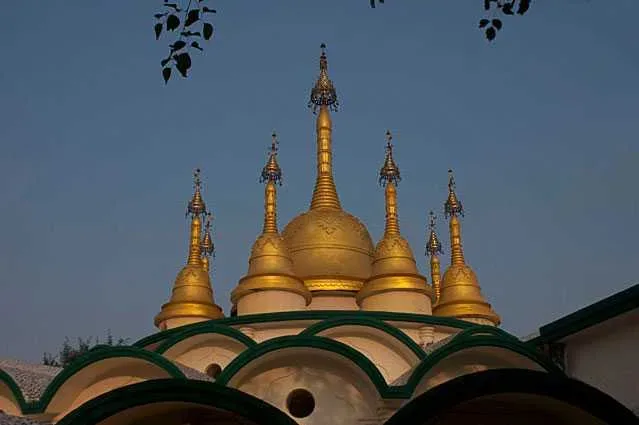
In the sacred landscape where the Buddha achieved enlightenment, Dhamma Bodhi (Bodhgaya International Vipassana Meditation Centre) offers practitioners the profound opportunity to deepen their understanding of liberation. Located on the Gaya-Dobhi Road near Magadh University in Bodhgaya, South Bihar, this center occupies 18 acres of peaceful rural land.
Surrounded by fertile agricultural fields that stretch toward the horizon, the campus features fruit trees that provide shade and sustenance, vegetable gardens that supply fresh produce, and tranquil ponds that reflect the changing sky. This setting creates an atmosphere of natural simplicity that supports the inward journey of Vipassana meditation.
Spiritual Tradition & Teachers
Dhamma Bodhi maintains the pure Theravāda Vipassana tradition as taught by the revered S.N. Goenka. This lineage represents an unbroken chain of transmission stretching back to the Buddha himself, preserved through generations of dedicated practitioners.
Courses follow S.N. Goenka's precise methodology, with his recorded discourses providing evening instruction while volunteer senior students serve as Assistant Teachers, offering live guidance and support throughout the intensive meditation process.
Programs Offered & Frequency
The center's program structure reflects the systematic approach that has guided millions of students worldwide toward liberation from suffering.
Ten-Day Introductory Courses form the foundation of Vipassana training, available monthly throughout the year. These courses provide step-by-step instruction in the technique, making this profound practice accessible to complete beginners.
For experienced practitioners ready for deeper work, 20-Day & 30-Day Courses occur during selected months (September and December typically), while 45-Day Courses & Satipaṭṭhāna Sutta Retreats offer quarterly opportunities for advanced practice, exclusively for old students.
The center also serves younger seekers through One-Day & Three-Day Children's and Teenager Courses held in conjunction with 10-day courses, and provides Dhamma Service Periods that coincide with 30-day courses for those called to support others' meditation through service.
Duration & Group Size
The core 10-day course follows a precise schedule developed through decades of refinement. Students arrive on Day 0 for orientation and departure occurs on the morning of Day 11, providing ten complete days of intensive practice.
Each day begins at 4:00 AM with Anāpānasati (breath awareness), followed by alternating group and individual Vipassana sittings, simple vegetarian meals, and evening discourses by S.N. Goenka that explain the day's experiences and prepare students for deeper practice. Noble Silence begins at lunch on the first day, creating the interior quiet essential for insight to arise.
The center accommodates approximately 120 male and 80 female students per course in gender-segregated facilities, ensuring both community support and individual focus.
Accommodation, Dining & Facilities
Simple, comfortable accommodations support intensive meditation practice without unnecessary luxury or distraction. Single and double-occupancy cottages feature attached bathrooms, basic beds, fans for comfort, and hot water for cleansing.
Three daily vegetarian, sattvic meals served in the common dining hall provide proper nutrition while supporting the lightness of body and mind conducive to deep meditation. The food follows traditional principles that enhance rather than obstruct the meditation process.
Facilities include the main meditation hall where group sittings create a powerful field of concentration, the dining hall for silent meals, separate male and female cottage areas that ensure privacy and focus, and carefully maintained gardens and plant nurseries that provide peaceful walking areas during designated break times.
Best Seasons to Visit
Bihar's climate offers different advantages throughout the year for intensive practice. November through February provides ideal conditions with cool, dry weather (15 to 25°C daytime) that supports sustained sitting without physical discomfort.
Summer months from March through May bring heat, but cottages are equipped with effective cooling systems. Many practitioners find that the external heat actually supports the internal heat of intensive practice. Monsoon season from June through September brings rain, but courses continue indoors without interruption, and many students appreciate the sound of rain as support for concentration.
Prerequisites & Preparatory Materials
Dhamma Bodhi welcomes sincere students regardless of background or previous experience. New students must carefully read the "Introduction to the Technique" booklet and Code of Discipline before arrival, ensuring they understand the commitment they're making.
Old-student courses require completion of at least one 10-day course plus additional practice requirements for longer retreats. Reasonable physical health is necessary for sustained sitting, and medical conditions should be disclosed on the application to ensure appropriate support.
Post-Retreat Integration & Support
The real purpose of intensive retreat becomes clear in daily life application. Students receive strong encouragement to maintain daily Anāpānasati and Vipassana sittings along with the five precepts that support ethical conduct.
Ongoing support includes access to regional old-student websites that provide practice schedules and community connections, opportunities to serve future courses as volunteers, and participation in local practice groups where available. Periodic access to S.N. Goenka discourses and annual group sittings help maintain the strength and purity of practice over time.
5. Dhamma Giri Vipassana International Academy
Location & Natural Setting
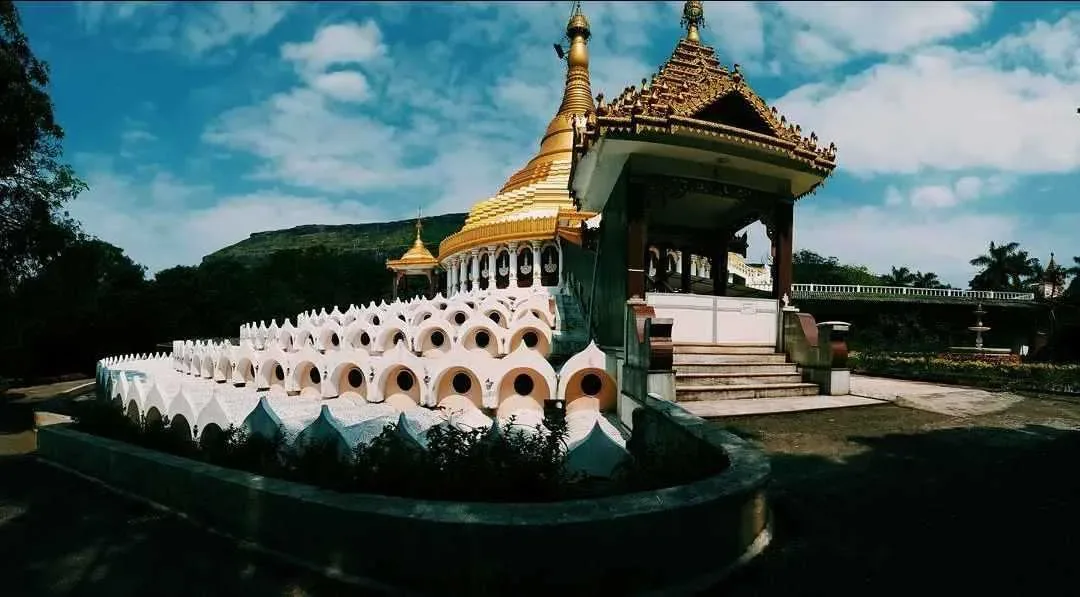
Standing majestically in the Western Ghats foothills, Dhamma Giri (Vipassana International Academy) represents the flagship center of S.N. Goenka's Vipassana movement. Located in Igatpuri, Nashik District, Maharashtra, on the Mumbai-Agra Highway just 136 kilometers north of Mumbai, this 100-acre campus embodies the profound simplicity and natural beauty that support deep meditation practice.
The forested hillside setting features cedar-pine groves that whisper in the mountain breezes, terraced gardens that demonstrate harmony between human intention and natural flow, and panoramic views over the peaceful Giri River valley. At the campus center, a striking pagoda perches atop a hill that has earned the name "Hill of Dhamma," serving as both a practical meditation space and a powerful symbol of the Buddha's teaching rising above the landscape.
Spiritual Tradition & Teachers
As the international headquarters of S.N. Goenka's Vipassana tradition, Dhamma Giri maintains the purest transmission of Theravāda Vipassana meditation as practiced in Myanmar and taught by the Buddha 2,500 years ago. This lineage carries an unbroken chain of teacher-to-student transmission that has preserved both the technique's effectiveness and its ethical foundation.
Master instruction comes through S.N. Goenka's carefully crafted recordings for morning sits and evening discourses, while Senior Assistant Teachers who are accomplished long-term students provide live guidance during group meditation sessions. This teaching model ensures consistency while allowing for personal guidance adapted to individual students' needs.
Programs Offered & Frequency
Dhamma Giri offers the most comprehensive range of Vipassana courses available anywhere in the world, serving students from complete beginners to advanced practitioners ready for the deepest levels of practice.
Ten-Day Introduction Courses provide step-by-step daily instruction in the complete Vipassana technique, offered monthly throughout the year. These form the essential foundation that all students must complete before accessing deeper levels of training.
Ten-Day Executive Courses cater specifically to working professionals, offering the same intensive training with minor schedule modifications to accommodate those with demanding careers. These occur quarterly and often fill quickly due to their popularity among business leaders and entrepreneurs.
Long Courses represent the heart of serious Vipassana practice, with 20-day, 30-day, 45-day, and 60-day intensive retreats scheduled throughout the year exclusively for old students. These extended periods allow practitioners to work through deeper layers of mental conditioning and experience increasingly subtle levels of awareness.
Special Retreats include Satipaṭṭhāna Sutta courses that focus on the Buddha's foundational discourse on mindfulness, and Teachers' Self-Courses designed for those who may eventually serve as Assistant Teachers. Maintenance and Service Periods between courses provide opportunities for old students to volunteer their time and energy to support others' practice.
Duration & Group Size
The foundational 10-day course follows a precise structure from Day 0 orientation through the morning of Day 11, providing ten complete days of intensive meditation training. Extended courses can stretch up to 60 days for the most dedicated practitioners ready for profound inner transformation.
Each day follows the rigorous schedule that has proven effective for millions of students worldwide. The 4:00 AM wake-up call begins a day of alternating individual and group sitting periods focusing on Anāpānasati (breath awareness) for the first three days, then Vipassana (insight) meditation for the remainder. Silent vegetarian meals provide necessary nutrition without disturbing the meditation process, while evening discourses or question-and-answer sessions with Assistant Teachers illuminate the day's experiences and prepare students for deeper practice.
Noble Silence begins at lunch on the first day and continues until the morning of Day 10, creating the essential interior quiet that allows insights to emerge naturally. The main pagoda hall accommodates up to 400 students for group sittings that create a powerful collective field of concentration, while cottages house approximately 200 women and 300 men in completely separate areas.
Accommodation, Dining & Facilities
Accommodations reflect the principle of simple living that supports high thinking. Single and double-occupancy cottages provide basic beds, attached bathrooms, fans for comfort, and hot water for cleansing, all designed to meet physical needs without creating attachment to luxury.
Three daily vegetarian sattvic meals served in the common hall follow dietary principles that support rather than obstruct meditation practice. Food is prepared according to traditional guidelines that maintain bodily health while promoting mental clarity and emotional stability.
The facilities create an ideal environment for intensive practice. The magnificent main pagoda meditation hall provides a sacred space where hundreds can sit together in profound silence. Two smaller discourse halls accommodate different groups and activities, while gender-segregated cottage areas ensure complete privacy and focus. Walking paths wind through carefully maintained gardens and natural groves, offering opportunities for mindful movement during designated break periods.
Best Seasons to Visit
The Western Ghats location provides excellent conditions for meditation practice throughout most of the year. November through February offers ideal weather with dry, cool days (15 to 28°C) and crystal-clear air that enhances both physical comfort and mental clarity.
Summer months from March through May bring warmth that can actually intensify the internal heat of practice, while early-morning meditation sessions remain comfortable. Monsoon season from June through September transforms the landscape into a lush, green paradise. Heavy rains keep activities indoors, but many practitioners find the sound of rain deeply supportive for concentration and introspection.
Prerequisites & Preparatory Materials
Dhamma Giri maintains the same accessible approach as all centers in this tradition. New students need no prior meditation experience but must carefully read the "Introduction to the Technique" and Code of Discipline before arrival, ensuring they understand the serious commitment involved in intensive Vipassana practice.
Old-student courses require completion of at least one 10-day course, with additional service qualifications necessary for the longest retreats. Moderate fitness for sustained sitting is essential, and any medical conditions must be disclosed on the application to ensure appropriate support and safety.
Post-Retreat Integration & Support
The ultimate goal of intensive retreat is the transformation of daily life through consistent practice and ethical conduct. Students receive strong encouragement to maintain daily Anāpānasati and Vipassana sittings while upholding the Five Precepts that create the moral foundation for spiritual development.
Ongoing support includes extensive networks of regional practice groups and old-student websites that provide schedules, community connections, and access to recorded discourses. Opportunities to serve future courses as volunteers, participate in annual group sittings, and attend local meetups help maintain the strength and community support necessary for long-term practice development.
4. Himalayan Iyengar Yoga Centre (HIYC)
Location & Natural Setting
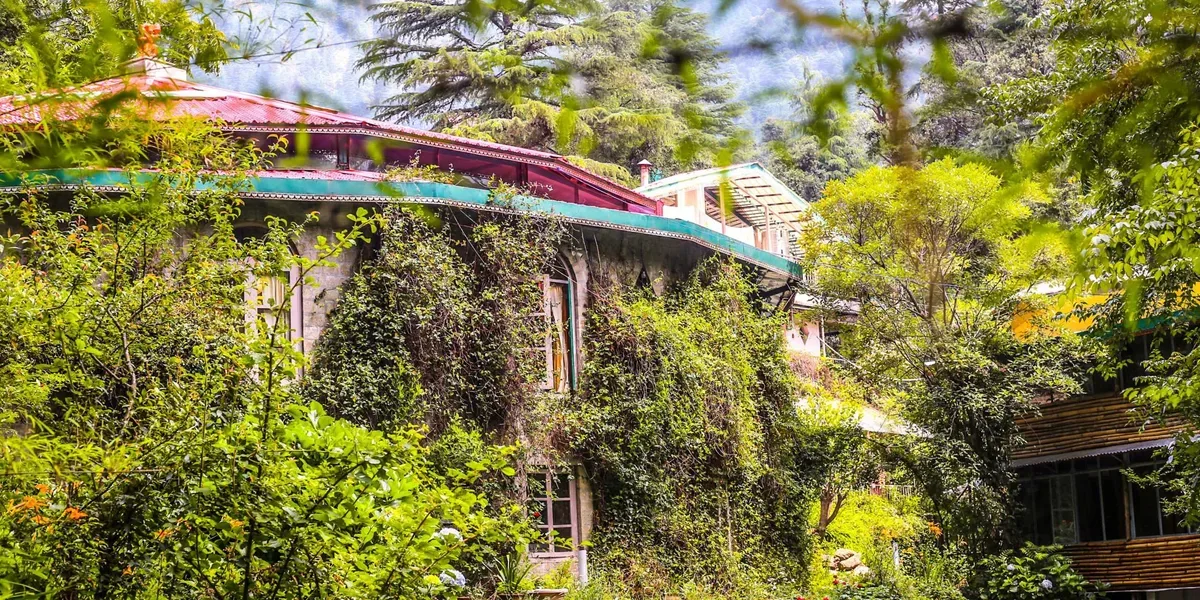
High in the Himalayan foothills where the Dalai Lama makes his home, the Himalayan Iyengar Yoga Centre creates a perfect synthesis of precise yoga practice and transcendent natural beauty. Located in Lower Dharamkot, near McLeod Ganj and Dharamsala in Himachal Pradesh's Kangra District, this center sits at 1,600 meters elevation surrounded by ancient cedar and pine forests.
The setting provides constant inspiration for practice. Panoramic views stretch across the Kangra Valley to distant peaks, while the glacial Baner River adds its voice to the mountain silence. Here, the precision of Iyengar Yoga meets the vastness of Himalayan consciousness, creating an environment where technical mastery and spiritual awakening naturally support each other.
Spiritual Tradition & Teachers
HIYC represents the authentic evolution of Classical Iyengar Yoga as developed by the legendary B.K.S. Iyengar and carried forward by his dedicated students. The lineage flows directly from Guruji through Master Sharat Arora, the center's founder, who served as B.K.S. Iyengar's assistant for seven transformative years.
Master Sharat Arora brings over 35 years of teaching experience to his alignment-focused method, combining the technical precision that made Iyengar Yoga famous worldwide with the deeper spiritual insights that emerge from decades of dedicated practice. His certified assistants maintain the same standards of excellence and authenticity that define this powerful tradition.
Programs Offered & Frequency
HIYC's program structure reflects the methodical approach that characterizes authentic Iyengar Yoga instruction, building understanding systematically from foundation principles to advanced applications.
Five-Day Yoga Courses offered monthly provide comprehensive introductions to the foundational Iyengar method, perfect for beginners or those wanting to deepen their understanding of proper alignment and technique.
Nine-Day Immersion Courses occur weekly, offering intensive study of alignment principles, pranayama techniques, and restorative sequences that can transform both physical health and spiritual awareness.
For serious students ready for deeper commitment, the 160-Hour Intensive focuses on specialized topics like "Chakras & Evolution of Consciousness," while the comprehensive 320-Hour Teacher Training Course prepares dedicated practitioners to share these teachings with others.
Additional workshops throughout the year address specific needs like Yoga Therapy, Silent Retreats, Yoga for Women, and Back-Pain Relief, ensuring that Iyengar Yoga's therapeutic applications remain accessible to all who need them.
Duration & Group Size
Program durations reflect the depth of learning involved in authentic Iyengar Yoga study. Short courses spanning 5 to 9 days provide intensive introductions, while Teacher Training Courses extend up to 6 weeks for complete immersion in both practice and teaching methodology.
A typical day integrates multiple aspects of yogic learning: morning asana and pranayama sessions build physical strength and breath awareness, followed by nourishing breakfast and rest. Technique workshops and alignment laboratories provide detailed instruction in precise positioning and therapeutic applications, while advanced asana and therapeutic sessions in the afternoon deepen understanding through direct experience. Evenings close with reflection and question-and-answer sessions that integrate the day's learning into broader spiritual understanding.
Group sizes maintain the intimate atmosphere essential for detailed alignment instruction. Short courses welcome 10 to 25 students, while Teacher Training Courses accommodate 25 to 35 participants, ensuring everyone receives the personal attention necessary for safe, effective practice development.
Accommodation, Dining & Facilities
The accommodation philosophy reflects the yogic principle of simple living that supports intensive practice. Open-air shared and private rooms at the nearby Himalaya Shanti Ashram, just a 5-minute walk from practice halls, provide comfortable but non-luxurious lodging that keeps attention focused on inner rather than outer comfort.
Simple communal vegetarian meals prepared with local produce nourish the body according to yogic dietary principles, while available tea and coffee provide necessary energy for intensive practice sessions.
Practice facilities are designed specifically for Iyengar Yoga's requirements: a spacious main yoga hall and smaller specialized shalas provide room for both large group classes and individual work with props and adjustments. The dining hall fosters community, the library supports study and research, and riverside meditation spaces offer opportunities for quiet reflection amid nature's beauty.
Best Seasons to Visit
The high-altitude location creates distinct seasons that each offer unique advantages for intensive yoga practice. October through March provides the most consistently excellent conditions with crisp days and crystal-clear mountain views that inspire and uplift.
Planning the budget for your India retreat? The India Retreat Cost Calculator gives you an instant breakdown — accommodation, meals, transport, temple access, and guide costs — based on your group size, duration, and destination. Takes two minutes.
April through June offers a mild pre-monsoon season that many find perfect for building internal heat through challenging practice. July through September brings monsoon rains that can limit outdoor activities but create powerful opportunities for internal focus and intensive indoor practice.
Prerequisites & Preparatory Materials
HIYC welcomes students at all levels while maintaining appropriate preparation for safe, effective instruction. Short courses require no previous experience, making authentic Iyengar Yoga accessible to complete beginners who are ready for serious practice.
Teacher Training Courses require completion of three 5-Day or 9-Day courses before enrollment, ensuring students have sufficient foundation in the method's principles and practices. Preparatory reading includes B.K.S. Iyengar's classic "Light on Yoga" and introductory alignment guides that help students arrive ready to learn.
Moderate fitness is advised for all programs, and any injuries or physical limitations should be disclosed during application so that appropriate therapeutic adaptations can be provided.
Post-Retreat Integration & Support
The true value of intensive Iyengar Yoga study emerges through consistent home practice guided by proper understanding. All participants receive personalized practice plans at course conclusion, designed to maintain and develop their understanding through regular application.
Online resources provide ongoing support through the HIYC portal, featuring recorded tutorials and detailed alignment handouts that reinforce classroom learning. Alumni maintain connection through opportunities for drop-in classes and advanced workshops during future visits to Dharamkot, while email support for technique questions extends up to three months post-course, ensuring students can maintain proper practice as they integrate their learning into daily life.
3. Sri Aurobindo Ashram Guest Houses
Location & Natural Setting
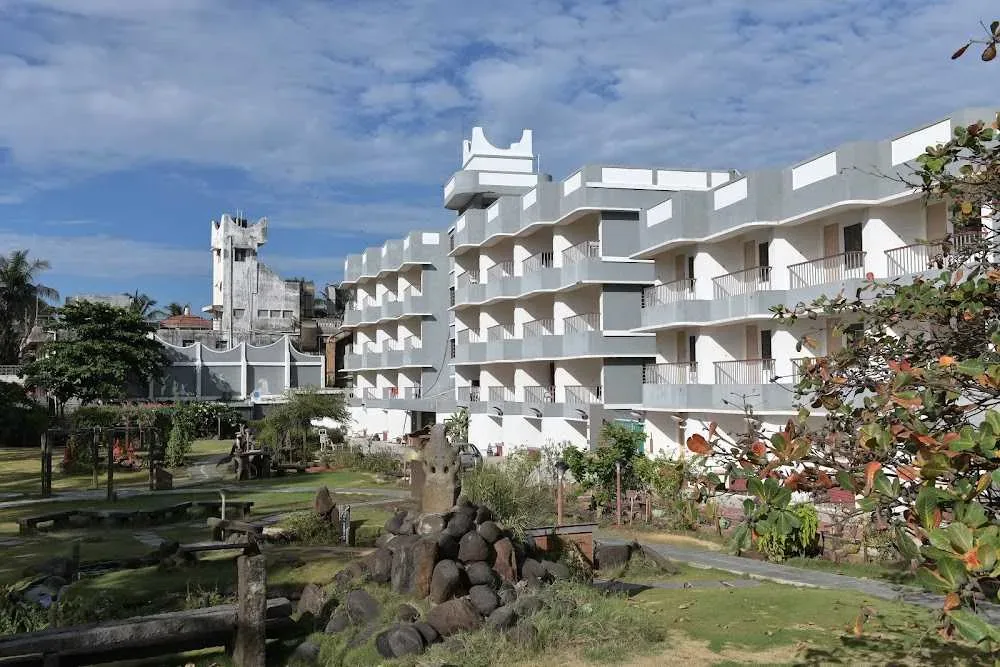
In the former French colonial territory of Puducherry, the Sri Aurobindo Ashram Guest Houses offer a unique urban spiritual retreat experience along the Bay of Bengal coast. Located within one kilometer of the Ashram Main Building in historic White Town, these accommodations place guests in the heart of an active spiritual community that has been evolving for over a century.
The urban seaside environment creates its own form of natural beauty: carefully maintained gardens provide green spaces for contemplation, swaying palms frame colonial architecture, and central courtyards surround the sacred Samādhi shrine where Sri Aurobindo and The Mother rest in eternal unity. A 1.5-kilometer promenade beach within easy walking distance offers opportunities for sunrise meditation and evening reflection beside the endless ocean.
Spiritual Tradition & Teachers
The Sri Aurobindo Ashram embodies Integral Yoga as formulated by the revolutionary philosopher Sri Aurobindo and his spiritual collaborator, The Mother. This path involves no prescribed rituals, formal initiations, or traditional guru-disciple hierarchies, instead emphasizing the individual's direct relationship with the Divine through conscious evolution and surrender.
Rather than designated "teachers" in the conventional sense, the Ashram preserves wisdom through extensive publications of Sri Aurobindo's and The Mother's writings, while daily collective meditations are guided by senior Ashramites and office-bearers of the Sri Aurobindo Ashram Trust who have spent decades living and breathing these teachings.
Programs Offered & Frequency
The Ashram's approach differs significantly from structured retreat programs, instead offering opportunities for self-guided spiritual exploration supported by community practices and resources.
Collective meditation by the Samādhi occurs four evenings weekly, providing opportunities to join the community in silent communion with the spiritual presence that continues to guide the Ashram's evolution.
Self-guided study at the comprehensive Ashram library allows visitors to explore Sri Aurobindo's and The Mother's extensive writings on spiritual evolution, consciousness development, and the transformation of human nature.
Guided visits and video presentations on Ashram philosophy occur daily except Sundays, providing context and understanding for those new to Integral Yoga principles.
Autocare tours to the Ashram and nearby experimental township Auroville run on weekdays, offering broader perspective on how these teachings manifest in community life and social experimentation.
Duration & Group Size
Stays at the Guest Houses offer complete flexibility, typically ranging from 2 to 30 days depending on individual needs and circumstances. This flexibility allows for both brief exposure to the Ashram atmosphere and extended periods of deep immersion in the spiritual environment.
A typical day might include visits to the Samādhi for silent pranām (respectful salutation) and personal meditation, self-directed study or video program participation, simple lunch and afternoon rest, and participation in evening collective meditations that draw the community together in shared aspiration.
Each guest house accommodates 20 to 50 visitors, while collective meditation gatherings can include up to 200 participants, creating a sense of community spiritual practice without overwhelming individual space for inner work.
Accommodation, Dining & Facilities
The Guest Houses offer 85 rooms across three main facilities: Park Guest House 1 (seaside location), Cottage Guest House 3, and New Guest House. Accommodations reflect the Ashram's emphasis on simple living and inner focus, with rooms that deliberately exclude phones, television, and Wi-Fi. This digital simplicity, combined with gates that close at 10:30 PM, creates an environment that naturally turns attention inward.
Room options vary from single to triple occupancy, with both air-conditioned and non-air-conditioned choices and attached or shared bathroom facilities, accommodating different comfort levels while maintaining the essential atmosphere of spiritual retreat.
Dining options include a small on-site café serving basic breakfast, tea, and snacks for casual needs, while full meals are available at the Ashram dining hall for registered Ashramites. This arrangement encourages guests to experience community life while respecting the distinction between temporary visitors and permanent residents.
Facilities center around the sacred Samādhi shrine where collective meditations occur, supported by an extensive library for study, an information center for orientation, a video-screening room for educational programs, a cultural program hall for community events, and peaceful guest gardens for personal reflection.
Best Seasons to Visit
Puducherry's coastal climate creates distinct seasons that affect both comfort and spiritual practice opportunities. November through February provides the most pleasant conditions (24 to 30°C) with dry weather ideal for both indoor meditation and outdoor reflection along the beach promenade.
Summer months from March through May bring heat that naturally encourages early morning meditation and indoor contemplation during the day. Monsoon season from June through September features intermittent showers that create a contemplative atmosphere perfect for video sessions, reading, and interior practice.
Prerequisites & Preparatory Materials
The Ashram maintains specific requirements that reflect both practical necessities and spiritual principles. Foreign visitors must register with the Foreigner Registration Office upon arrival, fulfilling legal requirements for extended stays.
Guests are expected to adhere to a strict Ashram code that emphasizes quiet, modest attire, no use of electronics beyond guest rooms, and return to accommodations by the 10:30 PM gate closure. These guidelines support the contemplative atmosphere essential for serious spiritual work.
Preparatory reading should include works by Sri Aurobindo and The Mother, along with introductory pamphlets available from the Bureau Central. The Ashram involves no vigorous physical activities, though guests can participate in light seva (selfless service) if moved to contribute to community life.
Post-Retreat Integration & Support
Continued engagement with Integral Yoga happens through multiple channels designed to support ongoing spiritual development. The Ashram's extensive publications provide resources for home study, while video and audio recordings are available for purchase to maintain connection with the teachings.
Future visits can include participation in Puducherry collective meditations and cultural programs, while Sri Aurobindo Ashram Society webinars offer online community for those unable to return physically but committed to continued spiritual growth according to these principles.
2. SwaSwara by CGH Earth
Location & Natural Setting
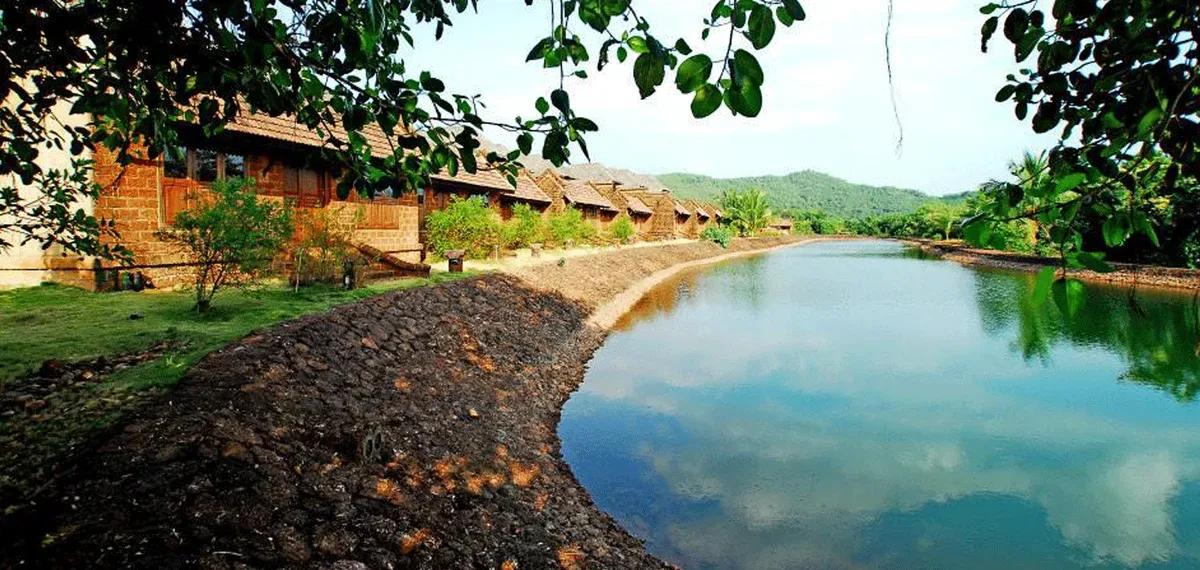
Along Karnataka's pristine Konkan coast, SwaSwara by CGH Earth creates an extraordinary synthesis of luxury and authentic spiritual practice. Located on Om Beach Road in Gokarna, Uttara Kannada District, this 30-acre coastal paradise overlooks the sacred Om Beach, where the shoreline's natural curves mirror the Sanskrit symbol for universal consciousness.
The landscape reads like a meditation on natural abundance: coconut groves sway in ocean breezes, emerald paddy fields stretch toward distant hills, rainwater ponds reflect the changing sky, and the Arabian Sea provides a constant reminder of the vastness and rhythm that characterize spiritual life at its deepest levels.
Spiritual Tradition & Teachers
SwaSwara anchors its transformative programs in Classical Ayurveda, Hatha & Vinyasa Yoga, Pranayama, Meditation, and creative Mind-Body Arts including pottery and painting. This holistic approach recognizes that genuine healing and spiritual growth must address all aspects of human experience: physical, energetic, mental, and creative.
The teaching team reflects this comprehensive vision. In-house Ayurveda physicians hold BAMS qualifications and trained in Kerala's ancient healing traditions work alongside certified yoga instructors (200-hour/500-hour RYT) steeped in authentic Hatha lineage practices. A resident art-therapy specialist adds the dimension of creative expression as a pathway to self-discovery and healing.
Programs Offered & Frequency
SwaSwara's signature programs integrate multiple healing modalities into comprehensive wellness experiences that address root causes rather than surface symptoms.
The signature "Swa Well-being" program offers flexible durations from a minimum 3 nights through 21-night intensive experiences. These integrate daily yoga and pranayama practice, Yoga Nidra for deep relaxation, meditation instruction, traditional abhyanga massage treatments, art therapy sessions for creative expression, and interactive Satvik cooking classes that teach principles of conscious nutrition.
Ayurveda Rejuvenation & Panchakarma programs range from 5 to 21 nights, providing personalized detoxification through customized diets, herbal steam treatments, specialized oil therapies, and internal herbal formulations. The powerful Panchakarma cleansing requires a minimum 7-night commitment to ensure safe and effective treatment.
All programs operate year-round with rolling start dates, ensuring daily morning and evening sessions in all modalities regardless of arrival timing.
Duration & Group Size
Program flexibility accommodates different levels of commitment and available time. The minimum 3-night "Swa Well-being" stay provides introduction to the integrated approach, while 5 to 7 nights allow for deeper immersion in transformative practices. Full 21-night Panchakarma programs offer comprehensive detoxification and rejuvenation for those ready for profound healing.
A typical day unfolds like a carefully orchestrated symphony of healing practices: sunrise sun-salutations awaken vital energy, followed by pranayama and guided meditation that quiet the mind. Dosha-specific Satvik breakfast nourishes according to individual constitution, while morning Ayurveda consultations or treatments address specific health concerns.
Art, pottery, or interactive cooking classes engage creativity and practical skills, followed by light Ayurvedic lunch that supports rather than burdens the digestive system. Afternoon group or private yoga sessions maintain physical strength and flexibility, while evenings close with chanting, Yoga Nidra, or sound-bath meditations that integrate the day's experiences into deep relaxation.
Group sizes maintain intimate cohorts of 10 to 20 participants, while villa accommodations ensure privacy for personal reflection and integration.
Accommodation, Dining & Facilities
Twenty-four Konkan-style private villas demonstrate how luxury can support rather than distract from spiritual practice. Built with traditional laterite stone and coconut-thatched roofs, each villa features an open courtyard for private morning practice, a dedicated yoga deck overlooking natural beauty, semi-open-air bathrooms that connect you with the elements, and modern air-conditioning for comfort during rest periods.
All-inclusive Satvik cuisine adapts to individual dosha requirements while featuring organic local produce. Traditional vegetarian preparations are supplemented with local seafood options, and interactive cooking workshops teach principles of conscious food preparation that can transform daily eating into spiritual practice.
The holistic spa features 12 specialized therapy rooms for Ayurvedic treatments, while a yoga and meditation hut overlooking the beach provides inspiring space for group and individual practice. An art and pottery studio supports creative expression, an infinity pool offers therapeutic swimming, the library provides resources for study, garden walking trails encourage meditative movement, and private beach access ensures peaceful communion with the ocean's healing energy.
Best Seasons to Visit
Karnataka's coastal climate creates optimal conditions for intensive practice during specific periods. October through March offers the most consistently pleasant weather (24 to 32°C) with dry conditions perfect for outdoor yoga, beach meditation, and Ayurvedic treatments.
April through June represents a warm shoulder season that many find suitable for early-morning practice and intensive indoor treatments during the heat of the day. July through September monsoon season brings lush, dramatically beautiful conditions with occasional rain showers that create perfect opportunities for indoor contemplation, art therapy, and intensive Panchakarma treatments.
Prerequisites & Preparatory Materials
SwaSwara welcomes practitioners at all levels, from complete beginners to advanced students seeking authentic instruction in luxury surroundings. No previous experience is required, making these profound practices accessible to anyone with sincere interest in holistic healing and spiritual growth.
A mandatory pre-arrival wellness questionnaire and teleconsultation with an Ayurveda doctor ensure that programs are appropriately tailored to individual health conditions and goals. This personalized approach maximizes both safety and effectiveness.
Recommended preparatory reading includes introductory texts on Ayurveda and basic Hatha Yoga guides that help guests arrive ready to engage fully with the teachings. The center strongly emphasizes a technology-free environment during program hours, supporting digital detox as an essential component of modern spiritual retreat.
Post-Retreat Integration & Support
The transformation initiated during retreat continues through carefully designed support systems. Each guest receives a personalized home-care plan covering dietary recommendations, daily yoga sequences, and meditation routines specifically adapted to their constitution, health needs, and lifestyle circumstances.
Online resources maintain connection through the CGH Earth portal, providing access to recorded yoga classes, guided meditations, and Ayurvedic cooking recipes that allow continued practice at home. An active alumni community offers periodic webinars with the teaching team, local meetups for continued community, and special retreat discounts for return visits.
Personalized follow-up includes email check-ins from an Ayurveda doctor at one and three months post-retreat, ensuring that the healing process continues effectively and any questions or challenges are addressed promptly.
1. Tushita Meditation Centre
Location & Natural Setting
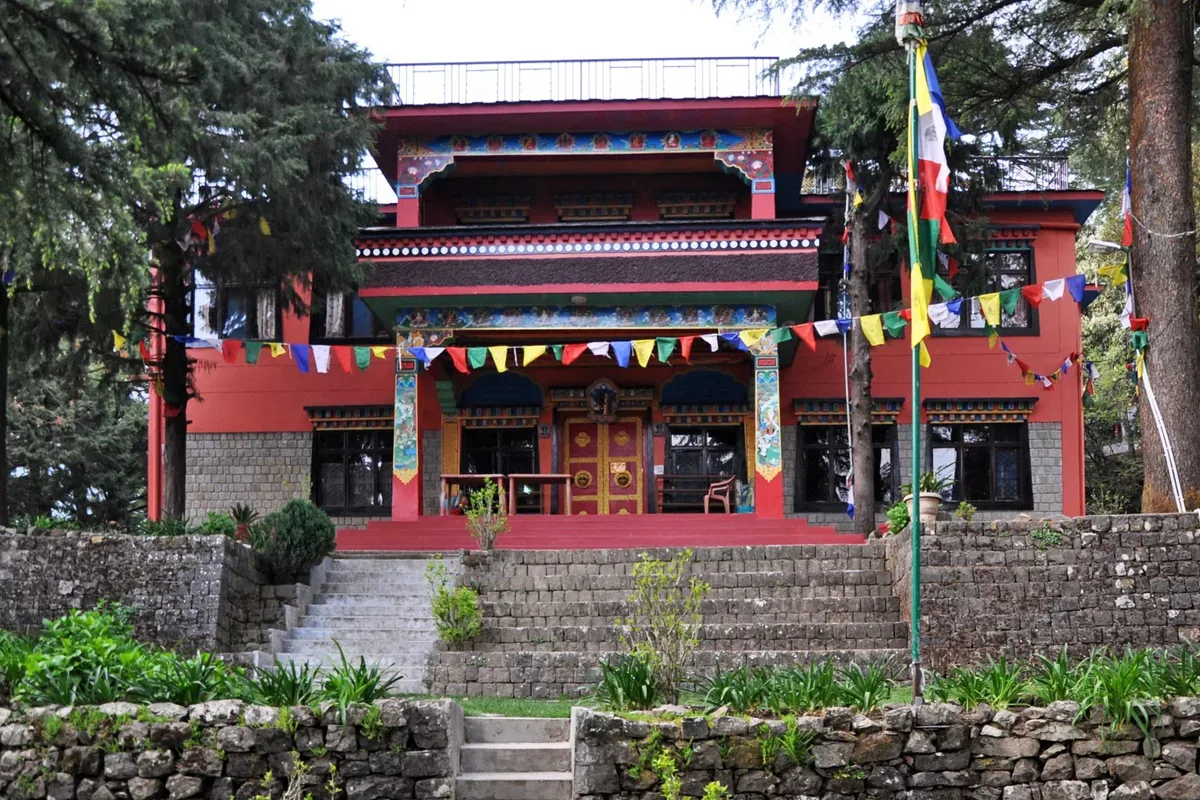
High in the forested hills above the Dalai Lama's residence in McLeod Ganj, Tushita Meditation Centre offers one of the most authentic Tibetan Buddhist learning experiences available outside Tibet itself. Nestled in Dharamshala's Kangra District in Himachal Pradesh at approximately 1,550 meters elevation, the center is surrounded by ancient cedar-pine forests that create a natural cathedral for contemplative practice.
The panoramic Himalayan views provide constant inspiration and perspective, reminding practitioners of the vastness and impermanence that lie at the heart of Buddhist teaching. This elevated setting, shared with the Tibetan government-in-exile and thousands of refugee monks and nuns, creates an atmosphere where authentic Tibetan Buddhist culture thrives in its full richness and depth.
Spiritual Tradition & Teachers
Tushita embodies Tibetan Mahāyāna Buddhism with a unique Gelug-Kagyu syncretic approach that emphasizes both rigorous philosophical study and experiential meditation practice. This integration reflects the highest levels of Tibetan Buddhist education, where intellectual understanding and direct spiritual experience support and enhance each other.
Courses are taught by a distinguished faculty including resident Tibetan Buddhist teachers, senior Western practitioners with decades of training, and special guest teachers including accredited Geshes (doctorate-level Buddhist scholars) and Rinpoches (recognized reincarnate teachers) from prestigious monasteries in Bodh Gaya and Dharamshala.
Programs Offered & Frequency
Tushita's program structure provides systematic entry into the vast world of Tibetan Buddhist philosophy and practice, accommodating both newcomers and experienced practitioners seeking deeper understanding.
Residential 10-Day "Introduction to Buddhism" courses represent the center's core offering, with eight programs scheduled from July through November 2025 at month-long intervals. These comprehensive introductions provide systematic instruction in Buddhist philosophy, meditation techniques, and ethical conduct that forms the foundation for all further study.
Group Practice Retreats such as the Vajrasattva Retreat offer opportunities for intensive practice of specific techniques under qualified guidance, while Short Courses (non-residential) provide 1 to 3-day themed intensives like "How to Meditate" for those with limited time availability.
Online Courses feature ongoing modules with senior lamas covering meditation in daily life, Lamrim (graduated path to enlightenment), and Gampopa's instructions, making authentic teachings accessible to global audiences.
Daily drop-in sessions offer guided meditation Monday through Saturday both in-person and via Zoom, supporting local community practice and maintaining connection for distant students. Tibetan Festival Observances throughout the year include public pujas and special ceremony days that immerse visitors in living Buddhist culture.
Duration & Group Size
Program lengths reflect the depth and complexity of Tibetan Buddhist learning. Core courses extend 10 days for comprehensive introduction, group retreats typically last 3 to 5 days for intensive technique practice, short courses provide 1 to 2-day focused learning opportunities, and personal retreats can extend 10 or more days for individual intensive practice.
A sample daily schedule for a 10-day course integrates multiple aspects of Buddhist education: morning meditation and teaching sessions provide practical instruction and philosophical context, philosophy lectures explore the logical foundations of Buddhist understanding, guided practice sessions apply techniques under supervision, community meals foster connection and discussion, tea breaks allow informal learning opportunities, and evening talks address questions and deepen comprehension.
Group sizes are carefully managed to balance community learning with individual attention. Ten-day courses typically accommodate 40 to 80 students, group retreats welcome 20 to 40 participants, and drop-in sessions maintain intimate groups of 10 to 25 practitioners.
Accommodation, Dining & Facilities
Accommodation options reflect Buddhist principles of simple living that supports spiritual practice. Single rooms (with private or shared facilities), small dormitories (3 to 4 beds), and larger dormitories (7 to 12 beds) with shared facilities provide choices for different comfort levels and budgets. Room allocation follows registration order with priority consideration for medical needs.
All meals are included for residential courses, featuring Satvic vegetarian buffets that nourish without creating heaviness or distraction, supplemented by afternoon tea that supports energy levels during intensive study periods.
Facilities are designed specifically for Buddhist learning and practice: three meditation halls accommodate different group sizes and activities, an extensive library provides resources for independent study, a counseling room offers private consultation space, walking trails through the forest provide opportunities for meditative movement, and on-site laundry facilities support extended stays.
Best Seasons to Visit
The high-altitude Himalayan location creates distinct seasons that each offer unique advantages for intensive Buddhist study. March through June and September through November provide the most consistently excellent conditions with cool, dry weather (15 to 25°C daytime) and crystal-clear mountain views that inspire contemplation.
Monsoon season (July through August) brings heavy mountain rains but courses continue indoors without interruption, and many students find the sound of rain deeply supportive for meditation and study. Winter months (December through February) are cold and require warm clothing, but create perfect conditions for intensive indoor practice and study.
Prerequisites & Preparatory Materials
Tushita's approach balances accessibility with appropriate preparation for intensive Buddhist study. The 10-Day "Introduction to Buddhism" course requires no prior experience and welcomes complete beginners with sincere interest in Buddhist philosophy and practice.
Group retreats often require completion of an introductory course, ensuring students have sufficient foundation in basic Buddhist concepts and meditation techniques. Personal retreats need 10 or more days of meditation experience and application approval to ensure readiness for intensive solo practice.
Preparatory reading includes downloadable "Introduction to Buddhism" booklets and basic Vajrayāna practice guides that help students arrive ready to engage fully with the teachings. All residential courses require non-refundable deposits to ensure serious commitment and help the center plan appropriately.
Post-Retreat Integration & Support
The ultimate purpose of intensive Buddhist study is the transformation of daily life through wisdom and compassion. Participants receive personalized meditation schedules for home practice, adapted to their level of experience and life circumstances.
Online resources provide ongoing support through Zoom drop-in sessions, recorded lectures, and guided meditations available via Tushita's YouTube channel. An active alumni community maintains connection through a private Facebook group, periodic regional meetups for continued community learning, email support for practice questions from qualified teachers, and recommendations for shorter local retreats that can supplement and reinforce the intensive retreat experience.
Your Journey into India's Sacred Heart
These ten extraordinary spiritual retreats represent more than destinations; they are gateways into the living wisdom that has guided human spiritual evolution for thousands of years. From the majestic Ayurvedic sanctuary of Ananda in the Himalayas to the profound silence of Zen meditation in Tamil Nadu's hills, from the rigorous Vipassana training that transforms perception itself to the integrated healing approaches that address every aspect of human experience, each center offers its own unique pathway to the peace, understanding, and wholeness we all seek.
The diversity of these offerings reflects the magnificent breadth of India's spiritual heritage. Whether you're drawn to the precise alignment work of Iyengar Yoga, the philosophical depths of Vedanta study, the intensive meditation retreats that dissolve the boundaries between self and universe, or the holistic healing approaches that restore natural balance to body and mind, you'll find authentic teachers, profound practices, and supportive communities ready to guide your transformation.
What makes these centers truly special is their commitment to authenticity in an age when spiritual practices are often diluted or commercialized. Here, you'll encounter the real teachings in their full power and depth, transmitted by teachers who have devoted their lives to these practices and who understand both their transformative potential and their demands.
As American spiritual seekers, we have the extraordinary privilege of accessing wisdom traditions that were once available only to those who could dedicate their entire lives to spiritual pursuit. These retreats make that ancient wisdom accessible while maintaining its integrity and power, creating bridges between East and West, traditional and modern, ancient wisdom and contemporary needs.
We encourage you to trust the calling that brought you to explore these possibilities. Whether you're beginning your spiritual journey or seeking to deepen practices you've maintained for years, whether you need healing from the stresses and disconnection of modern life or are ready for the most intensive spiritual training available anywhere in the world, India's retreat centers stand ready to receive you with open hearts and profound wisdom.