About this article
Traveling to India offers a vibrant immersion into a world of rich culture, diverse landscapes, and tantalizing cuisine. Australian travelers: your complete pre-trip checklist including visa, flights, and health prep is in our India Travel Guide for Australians. However, staying healthy while exploring this incredible country can be a concern for many travelers. Understanding how to navigate food, water, and health precautions can help you fully enjoy your journey without the worry of illness. In this guide, we'll provide practical tips on how to keep yourself safe and healthy during your travels in India, from choosing the right street foods to ensuring you drink safe water and more.
Street Food: Safe or Risky?
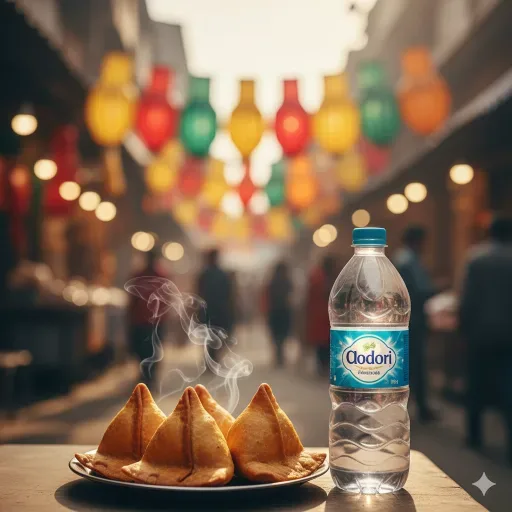
The vibrant streets of India are a haven for food lovers. Aromas of spices, sizzling sounds, and colorful dishes make street food an irresistible attraction for travelers. However, ensuring a delightful yet safe culinary experience requires a keen eye and some local know-how. While some street foods are safe and even beneficial, others might pose health risks. Here's how to distinguish between the two.

Recognizing Safe Street Foods
When considering street food, there are a few safe bets that are generally less risky:
- Freshly Cooked and Hot: Look for foods that are cooked in front of you and served piping hot. Heat kills most of the harmful bacteria that can cause illness.
- Fruits with Peels: Bananas and oranges, for example, have peels that protect them from contamination.
- Popular Stalls: Choose stalls with a high turnover of customers. High demand often ensures that ingredients are fresh and that the food is made regularly, reducing the chance of spoilage.
Avoiding Risky Options
It's equally important to recognize which street foods to avoid:
- Raw or Under-cooked Meats: These can harbor pathogens that cause serious illnesses.
- Ice: Often made using tap water, the ice may not be safe in certain regions. Opt for bottled or boiled water instead.
- Dairy Products: Soft cheeses and cream-based dishes can spoil quickly in the heat, leading to potential food poisoning.
- Chutneys and Sauces: While they add flavor, they are often stored unrefrigerated, which can increase contamination risks.
Restaurant Selection Criteria
While street food is an integral part of Indian cuisine, dining in a restaurant can offer a more controlled environment. However, choosing the right place to eat requires a bit of discernment. Here’s what to look for:
The "Teeth and Nails" Test
An interesting yet effective quick test devised by experienced travelers is the "Teeth and Nails" test. It’s simple: glance at the workers’ hands and smiles. Clean nails and white teeth can be indicators of good personal hygiene, which often translates to better food safety practices in the establishment.
Evaluating Cleanliness and Food Handling
Once inside, take a moment to observe your surroundings:
- Dining Area: Is the eating space clean and well-maintained? Clean tables and floors suggest a general commitment to hygiene.
- Kitchen Signals: If possible, peek into the kitchen. Are staff wearing gloves or hairnets? Do they have access to handwashing facilities? Attention to these details can be reassuring signs.
Importance of Customer Reviews
In today’s digital age, customer reviews are a treasure trove of information. Before settling on a restaurant, spend a few minutes reading what previous diners have to say:
- Look for Trends: Consistently high ratings on food quality and cleanliness are promising. Conversely, persistent complaints about hygiene should be a red flag.
- Seek Local Recommendations: Local diners are familiar with hidden gems and places known for their quality and safety standards. Online forums and travel apps often highlight where locals choose to eat.
By using these criteria, you can significantly enhance your dining experiences while safeguarding your health. Remember, while the food journey in India is an unforgettable adventure, prioritizing safety ensures that your memories are filled with joy rather than discomfort.
Fresh Produce Across India
India's vast landscape offers travelers an exceptional culinary experience centered around its abundant fresh produce. From crisp vegetables to succulent fruits, the nation's reliance on fresh, locally-sourced foods is not just a cultural preference but also a health advantage. Let’s explore how you can make the most of these offerings while ensuring your safety.
Distinctive Advantages of Fresh Fruits and Vegetables
One of the most remarkable aspects of traveling in India is the access to a wide variety of fresh fruits and vegetables. Unlike many countries that depend heavily on imported or packaged foods, India thrives on its fresh, seasonal produce, which offers several advantages:
- Nutrient-Dense Choices: Fresh produce is rich in essential vitamins and minerals, helping boost your immune system. This is particularly important when traveling, as a strong immune system can ward off many potential illnesses.
- Source of Dietary Fiber: The abundance of fresh vegetables provides ample dietary fiber, aiding digestion, which is crucial when your body is adjusting to a new diet.
- Variety and Flavor: Seasonal fruits and vegetables in India come in diverse flavors and textures, offering a sensory feast with the health benefit of ingesting foods that are less processed and more wholesome.
By incorporating these fresh options into your diet, you can enjoy not only the rich flavors but also the nutritional benefits they provide.
Seasonal Availability in Different Regions
India’s geography results in varied climates across its regions, influencing the availability and variety of fresh produce. Understanding this can help travelers make informed food choices:
- North India: During summers, expect an abundance of juicy mangoes and watermelons. In contrast, winter brings in leafy greens like spinach and mustard leaves, perfect for nourishing meals.
- South India: Known for its tropical climate, the South is a haven for coconuts, bananas, and a variety of greens year-round. Exotic fruits like jackfruit and papaya are also common.
- Western India: The arid regions offer a bounty of millets and lentils, while the coastlines are rich with fresh fish and seafood.
- Eastern India: The eastern belt is famous for its flavorful green vegetables and tropical fruits such as lychee and pineapple.
Awareness of these regional offerings allows for a diverse diet, as you can adapt to the local food options available during your travels, enjoying both taste and nutritional harmony.
Water Safety: North vs. South
Water safety is a primary concern for travelers to India, and rightly so. Staying hydrated is key, but ensuring the water you consume is safe is equally important. Here's how you can safely navigate the waters across different regions.
Understanding Water Sources
India's water supplies are diverse, ranging from natural springs to river systems. Here’s a basic understanding to guide your decisions:
- North India: The northern region, nourished by rivers like the Ganges, relies largely on river and glacier-melt waters. However, industrial activities may pose contamination risks in certain areas.
- South India: This region benefits from monsoons and has plentiful reservoirs and lakes. Still, urban areas can experience variations in water quality due to pollution.
Whether you are in the North or South, always be cautious of the source of your drinking water.
Benefits of Boiled vs. Mineral Water
To ensure water safety, travelers typically face the choice between boiled water and commercially available mineral water. Here’s a closer look at each option:
- Boiled Water: Boiling is an effective method to kill harmful microorganisms in water. It’s highly reliable, especially in regions where commercial mineral water isn't readily available. Boiled water can be a sustainable choice if you have access to a kettle or stove, often found in local accommodations.
- Mineral Water: Sealed mineral water bottles can be convenient and readily available across India. Look for well-known brands and ensure the seal is intact before purchasing. Five-liter cans are a popular and economical choice for travelers who plan to stay in one location for an extended period.
When possible, opt for boiled or a trusted brand of mineral water to avoid the health risks associated with unclean drinking water. This ensures you remain hydrated without compromising your health, allowing you to fully enjoy the beauty and diversity that India has to offer.
Building Immunity
Traveling to India is a journey filled with vibrant places, rich culture, and delicious foods. As you explore the streets lined with tempting aromas and sights, maintaining your health is paramount. Focusing on building your immunity can vastly improve your experience and keep illnesses at bay.
Role of Probiotics in Digestive Health
Probiotics are often considered a traveler’s best friend when it comes to maintaining digestive health. These beneficial bacteria help balance the gut flora, improving digestion and bolstering the immune system. Including probiotics in your diet can prepare your body to handle new bacteria, which is particularly important when traveling in places with different sanitary conditions.
Consider packing probiotic supplements or consuming foods rich in probiotics. Yogurt, kefir, and fermented foods like kimchi and sauerkraut are excellent sources. Incorporating these into your meals can provide a protective shield against stomach troubles, including common travel-related issues like diarrhea.
Incorporating Enzymes in Your Diet
Digestive enzymes play a vital role in breaking down food into nutrients that your body can absorb. When introduced to local cuisines that might be rich or very different from your usual diet, digestive enzymes can aid in adapting more gracefully.
Papaya and pineapple are excellent sources of natural enzymes known as papain and bromelain, respectively. Not only are these fruits readily available in India, but they also offer a delicious way to support your digestive system. Including these in your diet, either as fresh fruit or supplements, can significantly improve how your body handles new foods.
Preparing a Medical Kit
Having a well-prepared medical kit is essential for any traveler. Your kit should include basic first aid supplies like band-aids, antiseptic wipes, and gauze. Beyond that, consider packing:
- A reliable probiotic supplement
- Digestive enzymes
- Anti-diarrheal medication
- Antihistamines for any unexpected allergic reactions
- Pain relievers such as acetaminophen or ibuprofen
- Rehydration salts, especially important in case of dehydration due to illness or heat
- Any prescription medication you regularly take
Having these essentials not only ensures you cope with minor health issues effectively but also provides peace of mind while exploring the diverse landscapes of India.
Community-sourced kit essentials (consistently recommended by experienced travelers):
- Anti-diarrhoea medication (Imodium / Loperamide)
- ORS / electrolyte sachets — critical if you get dehydrated
- Paracetamol
- Broad-spectrum antibiotics (get a prescription from your GP before leaving)
- Antibiotic cream and bandaids
- Hand sanitiser and wet wipes — used constantly throughout India
- Any personal prescription medications
Vaccinations: What You Need to Know
Vaccinations are a crucial part of your pre-travel checklist when planning a visit to India. Protecting yourself from diseases not only safeguards your health but also ensures that you don't bring anything home that could put others at risk. Understanding which vaccinations are required and which are recommended can guide your preparations.
Required Vaccinations for India
There are vaccinations that are highly recommended and sometimes required depending on your travel history, such as Yellow Fever, if you're coming from a region where it is prevalent. Indian authorities might require proof of this vaccination upon entry.
Another important vaccine is Hepatitis A, which is common in areas with insufficient sanitation. This liver infection can be transmitted through contaminated food and water, making it essential for travelers.
Recommended Vaccinations for Travelers
Along with the required vaccinations, there are several that are recommended to ensure a healthy trip:
- Typhoid: Particularly important for those planning to eat at local restaurants or try street food, this vaccine protects against a bacteria present in contaminated food and water.
- Hepatitis B: Although less common, it's a good preventative measure, especially for those who might seek medical treatments while traveling.
- Tetanus-Diphtheria-Pertussis (Tdap): Keeping this vaccination up-to-date protects against tetanus, which is crucial in case of injuries.
- Rabies: For travelers planning to spend significant time outdoors or in rural areas, especially if animals are involved, the rabies vaccine is advisable.
- Japanese Encephalitis: If you're traveling to rural areas, especially during monsoon season, this vaccine could be beneficial.
By building up your immunity and keeping vaccinations current, you’ll be better equipped to enjoy all that India has to offer while mitigating health risks. A little preparation goes a long way in making your adventure memorable for all the right reasons.
The most commonly recommended vaccines for India travel (as consistently reported by travelers and travel medicine practitioners): Hepatitis A, Hepatitis B, Typhoid, Tetanus, and Dukoral (traveller's diarrhoea/cholera). None are mandatory for entry but all are strongly recommended. Consult your GP or a travel medicine pharmacist 6–8 weeks before departure.
Also consider starting a good probiotic 2–3 weeks before you travel — this is widely recommended by experienced India travelers and genuinely helps your gut adjust.
Healthcare in India
India's healthcare system is as diverse as the country itself. It offers a wide range of services and facilities that cater to both locals and international travelers. Understanding this system can ensure you receive the care you need while exploring this vibrant nation.
Overview of Indian Hospitals
The landscape of Indian hospitals varies greatly, from government-run institutions to private, high-end medical facilities. Here's what you should know:
- Government Hospitals: Often more crowded, these hospitals provide affordable treatments. However, the level of comfort and amenities may not be the same as in private hospitals.
- Private Hospitals: These facilities often resemble those found in Western countries, boasting state-of-the-art equipment and highly-trained staff. Though more expensive, they offer a higher level of comfort and are usually less crowded.
- Specialty Clinics: For travelers needing specific care, such as dental or ophthalmology, India offers numerous specialty clinics where you can receive expert care.
Indian hospitals tend to be more affordable compared to Western counterparts, making it possible to receive excellent medical care at a fraction of the price.
If you do get sick: Indian pharmacies are widely available across cities and towns, medications are inexpensive, and hospitals operate without the appointment wait times common in Western countries. Getting seen quickly is rarely the problem.
Excellence in South India’s Medical Tourism
South India is a beacon of healthcare excellence, drawing patients from around the globe. Here’s why:
- State-of-the-Art Facilities: Cities like Chennai, Bengaluru, and Hyderabad are home to hospitals equipped with cutting-edge technology and internationally-trained doctors.
- Affordability: Compared to global prices, medical procedures in South India are significantly more economical without compromising on quality.
- Range of Treatments: From complex surgeries to routine checkups, South India offers a broad spectrum of medical services. Many hospitals in the region are JCI accredited, which speaks to their high standards.
South India’s medical tourism is thriving, providing both peace of mind and practical options for those seeking treatment while enjoying the beauty and culture of the region. As you travel, rest assured that some of the best healthcare in the world is right at your doorstep.
Conclusion
Traveling to India is an enriching experience that brings you close to vibrant cultures and exquisite landscapes. By taking a few health and safety precautions, you can fully enjoy your journey without the worry of falling ill. Opt for freshly prepared, steaming street foods, drink only boiled or bottled water, and ensure your vaccinations are up to date. Equipping yourself with probiotics and a robust medical kit can further enhance your trip. Remember, in the unlikely event that medical attention is needed, India's hospitals, especially in the South, are known for their excellence and affordability. With these tips in mind, you're set for a safe and healthy adventure in India. Enjoy the journey!