About this article
Why Indian Food Is Worth the Adventure (and the Concern)
Let's address the elephant in the room: Indian food is simultaneously the biggest draw and biggest fear for first-time visitors. The aromatic spices, complex flavors, and Instagram-worthy dishes pull you in, while concerns about spice levels, stomach issues, and unfamiliar ingredients hold you back.
This guide bridges both emotions with practical, actionable advice that will transform you from a nervous first-timer into a confident food explorer.
Regional Cuisine Breakdown: North vs. South (and Everything Between)
India's culinary landscape is as diverse as its geography. Understanding regional differences helps you navigate menus and set expectations.
North Indian Cuisine
Characteristics: Cream-based gravies, wheat-based breads (naan, roti, paratha), tandoori cooking, rich Mughlai influence
Key Ingredients: Ghee (clarified butter), paneer (cottage cheese), dairy cream, wheat flour, tomatoes, onions, ginger-garlic paste
Signature Dishes:
- [object Object]
- [object Object]
- [object Object]
- [object Object]
- [object Object]
South Indian Cuisine
Characteristics: Rice-based dishes, coconut-dominant flavors, fermented foods, lighter gravies, more seafood
Key Ingredients: Coconut (fresh, milk, oil), curry leaves, tamarind, mustard seeds, rice flour, lentils (urad dal)
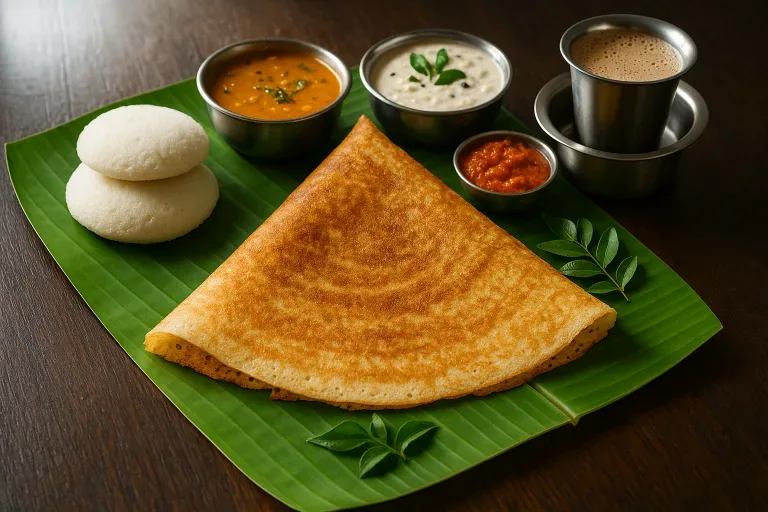
Signature Dishes:
- [object Object]
- [object Object]
- [object Object]
- [object Object]
- [object Object]
East Indian Cuisine
Standouts: Mustard oil-based dishes, fish preparations, subtle spicing, sweets like rasgulla
Must-Try: Bengali fish curry, luchi (puffy fried bread), mishti doi (sweet yogurt)
West Indian Cuisine
Range: From Goan seafood to Gujarati vegetarian thalis, Rajasthani dal baati churma
Highlights: Vindaloo (Goa), dhokla (Gujarat), laal maas (Rajasthan)
Health Benefits: Why Indian Food Is Actually Good for You
Spice Power
Turmeric (Haldi): Anti-inflammatory properties, supports joint health and immunity. That golden color in curries? That's your health insurance.
Cumin (Jeera): Aids digestion, helps with bloating—there's a reason it's in almost every dish.
Ginger and Garlic: Natural antibiotics, boost immunity, aid respiratory health.
Coriander: Helps regulate blood sugar, rich in antioxidants.
Cardamom: Improves digestion, freshens breath, supports heart health.
Cooking Methods
Tandoor (Clay Oven): High-heat cooking without excessive oil—think grilled chicken tikka
Steaming: Idlis and dhokla are steamed, not fried—gentle on digestion
Tempering (Tadka): Quick-frying spices releases their beneficial compounds while using minimal oil
Balanced Nutrition
A traditional thali provides complete nutrition: proteins (dal, yogurt, paneer), carbs (rice, roti), fats (ghee), fiber (vegetables), and probiotics (curd, pickles).
First-Timer Must-Try Dishes (Ranked by Safety & Impact)
Level 1: Safe Starters (Mild, Familiar Textures)
- [object Object]
- [object Object]
- [object Object]
- [object Object]
- [object Object]
Level 2: Confident Explorers (Moderate Spice, Rich Flavors)
- [object Object]
- [object Object]
- [object Object]
- [object Object]
- [object Object]
Level 3: Adventurous Souls (Authentic Experiences)
- [object Object]
- [object Object]
- [object Object]
- [object Object]
- [object Object]
The Spice Levels Survival Guide
Understanding Indian "Spicy"
Indian spicy ≠ Just heat. It's a complex layering of flavors where chili heat is one element among many.
Spice Scale Reality Check:
- [object Object]
- [object Object]
- [object Object]
- [object Object]
How to Request Adjustments (Exact Phrases)
At Restaurants:
- [object Object]
- [object Object]
- [object Object]
- [object Object]
Pro Tip: Order one dish mild to test, another medium to share. Most restaurants will customize without issue.
Emergency Cooling Strategies
- [object Object]
- [object Object]
- [object Object]
- [object Object]
The Vegetarian Reality: Protein Alternatives
Why India Is Vegetarian Paradise
40% of Indians are vegetarian—restaurants excel at plant-based cuisine naturally, not as an afterthought.
Protein Powerhouses
Paneer (Cottage Cheese): 18g protein per 100g. Found in palak paneer, paneer tikka, kadai paneer.
Dal (Lentils): Complete protein when paired with rice. Options: yellow dal, dal makhani, sambhar.
Chickpeas (Chole): 15g protein per cup. Featured in chole, chana masala, hummus variations.
Soy Products: Soy tikka, soy keema—widely available in metros.
Dairy: Yogurt, lassi, curd rice provide probiotics + protein.
Complete Meals Without Meat
South Indian Thali: Rice + sambhar (lentils) + rasam + curd = complete amino acid profile
North Indian Combo: Dal + roti/rice + paneer curry = balanced macros
Breakfast Win: Idli (fermented rice-lentil) provides probiotics and B12
The Thali Strategy: Your Personal Tasting Menu
What Is a Thali?
A traditional platter featuring small portions of multiple dishes—typically 5-8 items including rice, bread, dal, vegetables, yogurt, pickle, and dessert.
Why It's Perfect for First-Timers
✅ Variety: Sample multiple flavors without committing to full portions ✅ Balanced: Nutritionally complete meal ✅ Value: ₹150-400 ($2-5) for full feast ✅ Cultural: Authentic eating experience ✅ Safe Exploration: Mild and spicy items included—choose what works
How to Order
- [object Object]
- [object Object]
- [object Object]
- [object Object]
Eating Protocol: Mix dal with rice, tear bread to scoop curry, yogurt at the end to cool palate.
Mastering Food Delivery Apps: Zomato & Swiggy Tutorial
Download & Setup (5 Minutes)
- [object Object]
- [object Object]
- [object Object]
- [object Object]
How to Order Like a Local
Step 1 - Restaurant Selection:
- [object Object]
- [object Object]
- [object Object]
- [object Object]
Step 2 - Dish Selection:
- [object Object]
- [object Object]
- [object Object]
Step 3 - Checkout:
- [object Object]
- [object Object]
- [object Object]
App-Specific Tips
Zomato Gold/Pro: Membership offers restaurant discounts—worth it if staying 1+ week
Swiggy Instamart: Grocery delivery—buy bottled water, snacks, medicines
Pro Search Terms:
- [object Object]
- [object Object]
- [object Object]
Safety Checks
✅ Order from restaurants with high order volume ✅ Check "live tracking" feature ✅ Verify sealed packaging upon delivery ✅ Keep hotel address saved for easy reordering
Price Expectations: What ₹100 Gets You
Budget Breakdown (1 USD = ₹83 approx.)
Street Food: ₹20-80 ($0.25-$1)
- [object Object]
- [object Object]
- [object Object]
Casual Restaurants: ₹150-400 per person ($2-5)
- [object Object]
- [object Object]
- [object Object]
Mid-Range: ₹600-1200 per person ($7-15)
- [object Object]
- [object Object]
- [object Object]
Fine Dining: ₹2000+ per person ($25+)
- [object Object]
- [object Object]
- [object Object]
Best Value Plays
- [object Object]
- [object Object]
- [object Object]
Tropical Vegetables & Fruits: The Regional Bounty
Himalayan Harvest (North & Northeast)
Apples: Himachal Pradesh and Kashmir produce crisp, sweet varieties (September-December)
Oranges: Nagpur oranges (Maharashtra) and Northeast varieties—juicy, vitamin C bombs
Stone Fruits: Apricots, plums, peaches from Ladakh and Himachal
How to Try: Fresh fruit stalls, fruit chaat (spiced fruit salad), fresh juices
Southern Tropical Treasures
Coconut: Every form—fresh water (tender coconut/nariyal pani), grated in chutneys, milk in curries. Hydrating, electrolyte-rich.
Bananas: Multiple varieties—small sweet nendran (Kerala), red bananas, plantains for cooking. Available everywhere, ₹40-60/dozen.
Mangoes: Summer (April-July) brings Alphonso, Kesar, Langra—called "king of fruits" for reason.
Jackfruit: World's largest tree fruit, used as meat substitute when raw, sweet when ripe.
Papaya: Year-round availability, aids digestion (enzyme papain).
Lesser-Known Vegetables
Drumstick (Moringa): Long green pods in sambhar, superfood status
Bitter Gourd (Karela): Acquired taste, blood sugar benefits
Ridge Gourd (Turai): Mild, cooling, summer vegetable
Cluster Beans (Guar): Fiber-rich, diabetic-friendly
How to Experience: Order "seasonal vegetable" curry or mixed vegetable dishes to discover regional produce.
Where to Buy Fresh
- [object Object]
- [object Object]
- [object Object]
The Cow/Beef Situation: What You Need to Know
The Cultural-Religious Context
Sacred Status: Cows are revered in Hinduism—considered sacred mothers. Cow slaughter is banned in most Indian states.
Legal Reality: Beef consumption is illegal in many states (Uttar Pradesh, Madhya Pradesh, Gujarat, others). Penalties include heavy fines and imprisonment.
What This Means for Travelers:
- [object Object]
- [object Object]
- [object Object]
Where Beef IS Available (Legally)
Kerala: Liberal laws, beef fry (beef curry) is local delicacy Goa: Portuguese influence, beef available in Christian areas Northeast States: Tribal cultures, different food traditions Some Muslim-majority areas: Specific restaurants in Hyderabad, Delhi's old city
Ordering Safely: Look for "Beef" explicitly on menu in above regions. Never assume "meat" means beef.
Protein Alternatives
Buffalo (Carabeef): Legal in most states, similar taste, often sold as "buff" Mutton: In India, this means GOAT, not lamb (confusing but delicious) Chicken: Everywhere, every preparation, completely safe to order Pork: Available in Goa, Northeast, Christian localities Seafood: Coastal areas—prawns, fish, crabs widely available
Cultural Sensitivity Tips
- [object Object]
- [object Object]
- [object Object]
- [object Object]
Chai & Lassi Protocols: Liquid Culture
Chai (Indian Tea): The National Obsession
What It Is: Black tea boiled with milk, sugar, and spices (cardamom, ginger, cinnamon)
When to Drink:
- [object Object]
- [object Object]
- [object Object]
- [object Object]
How to Order:
- [object Object]
- [object Object]
- [object Object]
- [object Object]
Where to Drink:
- [object Object]
- [object Object]
- [object Object]
Kulhad Culture: Disposable clay cups—eco-friendly, adds earthy flavor. Smash on ground after drinking (traditional, but use bins now).
Masala chai safety note: Masala chai from street stalls is one of the safest street drinks in India — it's always boiled, which kills pathogens. You can drink it from any vendor, including at roadside stalls. This is an exception to the general "be cautious about street food" rule that experienced travelers consistently flag for newcomers.
Lassi: Probiotic Powerhouse
Sweet Lassi: Yogurt + sugar + cardamom, sometimes with fruit (mango lassi is legendary)
Salted Lassi: Yogurt + salt + cumin, refreshing, aids digestion
When to Drink:
- [object Object]
- [object Object]
- [object Object]
Where to Try:
- [object Object]
- [object Object]
- [object Object]
Ordering:
- [object Object]
- [object Object]
Pro Tips
Chai Safety: Boiled milk + tea at high temps = generally safe. Roadside stalls okay if busy (fresh batches).
Lassi Caution: Made with yogurt—choose high-turnover places. Avoid roadside in peak summer.
Perfect Combo: Chai + samosa (evening snack) or lassi + paratha (hearty breakfast)
Foods to Approach With Caution (First Week)
Not Recommended Initially
- [object Object]
- [object Object]
- [object Object]
- [object Object]
- [object Object]
- [object Object]
Safe Progressive Approach
Days 1-3: Restaurant food, bottled water, peeled fruits Days 4-7: Clean street food (busy stalls), lassi, chai Week 2+: Adventurous street eats, local recommendations
The two-day rule: Go easy on spice for the first couple of days. Don't jump straight into the hottest dishes — let your stomach adjust before you experiment. India's cuisine is extraordinary, but arriving and immediately eating the spiciest dishes is how most first-timers get into trouble. Start mild, build up.
Water discipline beyond drinking: Use bottled water to brush your teeth and wash fruit. This is the single most repeated piece of advice from experienced India travelers — many stomach issues come not from food but from water used incidentally.
Essential Phrases for Ordering
Basics:
- [object Object]
- [object Object]
- [object Object]
Customization:
- [object Object]
- [object Object]
- [object Object]
Dietary:
- [object Object]
- [object Object]
Payment:
- [object Object]
- [object Object]
Final Wisdom: Embrace the Journey
Indian food isn't just about eating—it's about connection. Every region tells stories through spices, every family guards secret recipes, every street vendor takes pride in their craft.
Start slow, build confidence, trust the process. That mild butter chicken today becomes the vindaloo adventure next month. The nervous first bite transforms into a lifelong love affair with flavors you never knew existed.
Most importantly: Listen to your body, respect local customs, and remember—millions of travelers before you have not just survived but thrived on this culinary journey.
The question isn't whether Indian food will change you. It's how deeply you'll let it.
Ready to explore? Download Zomato/Swiggy, find the nearest thali spot, and take that first delicious step. Your taste buds will thank you.