About this article
Introduction to Mantra Chanting
Mantra chanting is a revered spiritual practice that is often overlooked by beginners. Rooted in ancient traditions, this form of meditation uses repetitive sounds to increase awareness and connection to the self and the universe. In this blog, you'll learn the basics of mantra chanting, how it can enhance your spiritual development, and practical tips to get started.
What is Mantra Chanting?
Mantra chanting involves the repetitive vocalization of specific phrases, words, or sounds believed to elevate one's spiritual and mental consciousness. These mantras can come from various traditions but are primarily found in Hinduism and Buddhism. Each mantra is unique and is often chanted in Sanskrit. The repetition of these mantras is aimed at focusing the mind, promoting relaxation, and connecting with a higher power, leading to a deeper spiritual experience.
Benefits of Mantra Chanting for Spiritual Development
Engaging in mantra chanting offers numerous benefits, particularly in the realm of spiritual growth. Here are a few key transformations you might experience:
- Enhanced Focus and Concentration: Regular chanting helps sharpen the mind, making it easier to maintain focus during other activities.
- Increased Self-Awareness: By concentrating on the mantra, practitioners often gain a deeper understanding of their thoughts and emotions, fostering greater self-awareness.
- Stress Reduction: The rhythmic nature of chanting has a calming effect on the nervous system, helping to alleviate stress.
- Spiritual Connection: Mantra chanting can be a pathway to feeling more connected to oneself and the broader universe, enhancing one’s spiritual presence.
- Emotional Release: This practice often facilitates the release of pent-up emotions, leading to greater peace and emotional stability.
By integrating mantra chanting into your regular meditation or spiritual practice, you can enjoy these benefits and more, leading to a fuller, more mindful spiritual journey.
Getting Started with Mantra Chanting
Starting with mantra chanting can be a simple yet profound way to enhance your spiritual journey. It can help calm the mind, reduce stress, and promote higher levels of spiritual awareness. Here’s how to begin your journey with mantra chanting.
Choosing the Right Mantra
The choice of mantra is pivotal in setting the tone for your spiritual practice. A mantra can be a single word, a phrase, or a sound, which is repeated during meditation to help focus the mind and connect to a higher spiritual reality. Some popular mantras include:
- Om: Often considered one of the most powerful mantras, it symbolizes the ultimate reality and the universe.
- Om Namah Shivaya: A traditional mantra that honors Shiva, representing the inner self.
- Lokah Samastah Sukhino Bhavantu: This Sanskrit phrase means "May all beings everywhere be happy and free."
Choose a mantra that resonates with you personally, whether for its meaning, the way it sounds, or the peace it brings as you chant it.
Setting Up Your Chanting Space
Creating a conducive environment for chanting can significantly enhance the experience. Here are a few tips to set up your chanting space:
- Quiet and Comfortable: Choose a location that is free from distractions and noise. It should also be comfortable enough for sitting a while.
- Sacred Items: Consider placing items that you hold sacred or that inspire you in your space. This might include candles, incense, pictures, or statues.
- Seating: Have a comfortable place to sit, like a cushion or a chair, where you can maintain a straight posture without strain.
Establishing a Routine
Consistency is key in any spiritual practice, including mantra chanting. Here’s how to establish a routine:
- Regular Times: Try to chant at the same times each day, such as in the morning and in the evening. This builds a natural rhythm and makes it easier to integrate the practice into your daily life.
- Duration: Start with a manageable amount of time, even just five minutes per session, and gradually increase as you become more comfortable with the practice.
- Intentions: Set a clear intention before you begin chanting each time. This could be anything from seeking peace, clarity, or wishing for the wellbeing of others.
Techniques for Effective Mantra Chanting
Applying effective techniques to your mantra chanting practice can greatly enhance its benefits and your overall experience. Here are some techniques to help you get started.
Breath Awareness and Mantra Chanting
Breathing plays a critical role in mantra chanting. To fully engage with the process:
- Synchronize Your Breath: Link your chanting with your breathing. Chant on the exhale, and breathe in naturally between repetitions. This helps maintain a rhythmic flow and keeps you focused.
- Deep Breaths: Take deep, full breaths. This not only helps with relaxation but also aids in maintaining vocal strength throughout your chanting session.
Mantra Repetition and Mindfulness
The repetitive nature of chanting is designed to help you enter a state of deeper mindfulness. Keep in mind:
- Focus on the Sound: Pay close attention to the sound of the mantra. This helps in anchoring the mind and prevents it from wandering.
- Acknowledge Distractions: When distractions occur, acknowledge them and gently bring your focus back to the mantra. This practice enhances your mindfulness over time.
Body Posture and Alignment
Your physical posture can influence the mental and spiritual benefits of chanting. Here are some tips to maintain a good chanting posture:
- Straight Spine: Sit with your spine straight. This helps in keeping you alert and allows smooth flow of energy.
- Relaxed Shoulders: Keep your shoulders relaxed to avoid tension buildup.
- Head Position: Maintain a gentle chin lock by slightly tucking in your chin. This aligns the spine and promotes better focus and energy flow.
By incorporating these techniques and principles, you are setting a strong foundation for a fruitful and enriching mantra chanting practice.
Mantras for Beginners
When starting out with mantra chanting, it’s best to begin with simple, yet powerful mantras. These sacred sounds help calm the mind and align your vibrational energy. Here are three foundational mantras that are perfect for beginners.
Om Mantra
The "Om" mantra, often pronounced as "Aum," is considered the sound of the universe and one of the most important spiritual symbols in Hinduism. It is believed to contain the power of all other mantras and sounds. Chanting Om brings profound peace, enhances mental clarity, and stabilizes emotions. To practice, find a quiet place, sit comfortably, close your eyes, take a deep breath, and repeat the sound "Om" for a few minutes. Focus on the vibration of the sound throughout your entire body.
So Hum Mantra
The “So Hum” mantra is traditionally associated with breathing techniques. It translates to “I am that” in Sanskrit, reflecting the connection between the individual self and the universe. Chant "So" as you inhale and "Hum" as you exhale. This mantra is particularly effective in introducing mindfulness into your breathing. With regular practice, "So Hum" not only helps in reducing stress and anxiety but also fosters a deeper sense of self-awareness and connection.
Sat Nam Mantra
“Sat Nam” is a powerful mantra used in Kundalini Yoga that translates to “Truth is my identity.” It is a profound affirmation of self-truth used to express the true nature of one's existence. The mantra is usually chanted in a seated position with eyes closed. The word "Sat" is pronounced on the inhalation and "Nam" on the exhalation. This mantra is helpful in increasing concentration and opening one’s spiritual awareness which enhances the feeling of being present.
Deepening Your Meditation Practice with Mantras
Using mantras during meditation can enhance the quality of your practice by increasing your focus, balancing your emotions, and deepening your spiritual connection. Here’s how mantras can integrate into your meditation to provide these benefits.
Mantras and Focus
While meditating, the mind can easily wander. Integrating a mantra into your practice helps maintain focus. When thoughts begin to drift, gently returning to the repetition of the mantra can bring back your focus to the present moment. This reduces the occurrence of distracting thoughts, allowing for a deeper state of meditation.
Mantras and Emotional Balance
Chanting mantras is incredibly effective in stabilizing emotions. Each sound vibration works not merely at a sonic level but also energetically to help release stored emotions. Mantras such as "Om Shanti" (invoking peace) can specifically aid in calming tension and promoting emotional tranquility. Regular practice helps to cultivate an overall emotional resilience, making you better equipped to handle the ups and downs of daily life.
Man, spiritual connection
Incorporating mantras in meditation can serve as a bridge to a deeper spiritual experience and connection. Mantras like the “Gayatri mantra” or “Mahamrityunjaya mantra” are specifically revered for their high spiritual and transformative power. These sounds can help align your energy with the divine or universal consciousness, fostering a sense of oneness with all that is. By continuously chanting these mantras, practitioners often report enhanced feelings of enlightenment and spiritual awakening.
In conclusion, mantras are not just tools for meditation, but gateways to deeper spiritual connections and emotional balance. They help sustain focus during meditation, catalyzing profound personal and spiritual growth. Whether you are a beginner or looking to deepen your practice, these mantras can significantly enrich your meditative journey.
Incorporating Mantra Chanting into Daily Life
Integrating mantra chanting into your daily routine can be a transformative experience. With its roots in various spiritual and religious traditions, this practice offers a simple yet profound way to elevate your mental, emotional, and spiritual wellbeing. Let's explore how you can seamlessly weave mantra chanting into the fabric of your day.
Morning Mantra Rituals
Starting your morning with mantra chanting can set a serene tone for the entire day. Allocate a few minutes each morning to find a quiet space where you can sit comfortably and undisturbed. Choose a mantra that resonates with your intentions for the day—this could be a desire for peace, strength, or clarity. Here are some steps to get you started:
- Pick a specific time each morning to chant, creating consistency.
- Sit comfortably, close your eyes, and take a few deep breaths to center yourself.
- Repeat your chosen mantra slowly and clearly, focusing on each syllable.
- After chanting, stay in silence for a few moments to absorb the vibrations of the mantra.
This ritual not only calms the mind but also energizes your spirit, preparing you to face the day with positivity and focus.
Mantras for Stress Relief
During stressful moments, mantras can be a handy tool to regain your calm. The repetitive nature of mantra chanting helps redirect your mind away from stress-inducing thoughts and toward a state of mindful presence. Here are a few mantras you might find helpful:
- Om Shanti: This simple yet powerful mantra invokes peace.
- Om Namah Shivaya: A transformative mantra that means "I bow to Shiva," representing the inner self.
- Lokah Samastah Sukhino Bhavantu: This promotes universal well-being, wishing happiness and freedom for all.
Whenever you feel overwhelmed, take a few minutes to chant one of these mantras, focusing deeply on the sound and meaning, allowing the stress to melt away.
Mantra Chanting Before Bed
Ending your day with mantra chanting can be a soothing ritual that prepares you for a restful sleep. It helps clear your mind of the day’s anxieties, creating a peaceful state conducive to sleep. Choose a calming mantra that encourages relaxation; for example, "Soham," which means "I am that," a mantra that connects you with the universe’s rhythm. As you chant, let go of any negative or distracting thoughts, letting the mantra guide you into deeper levels of relaxation.
Experiencing the Benefits of Mantra Chanting
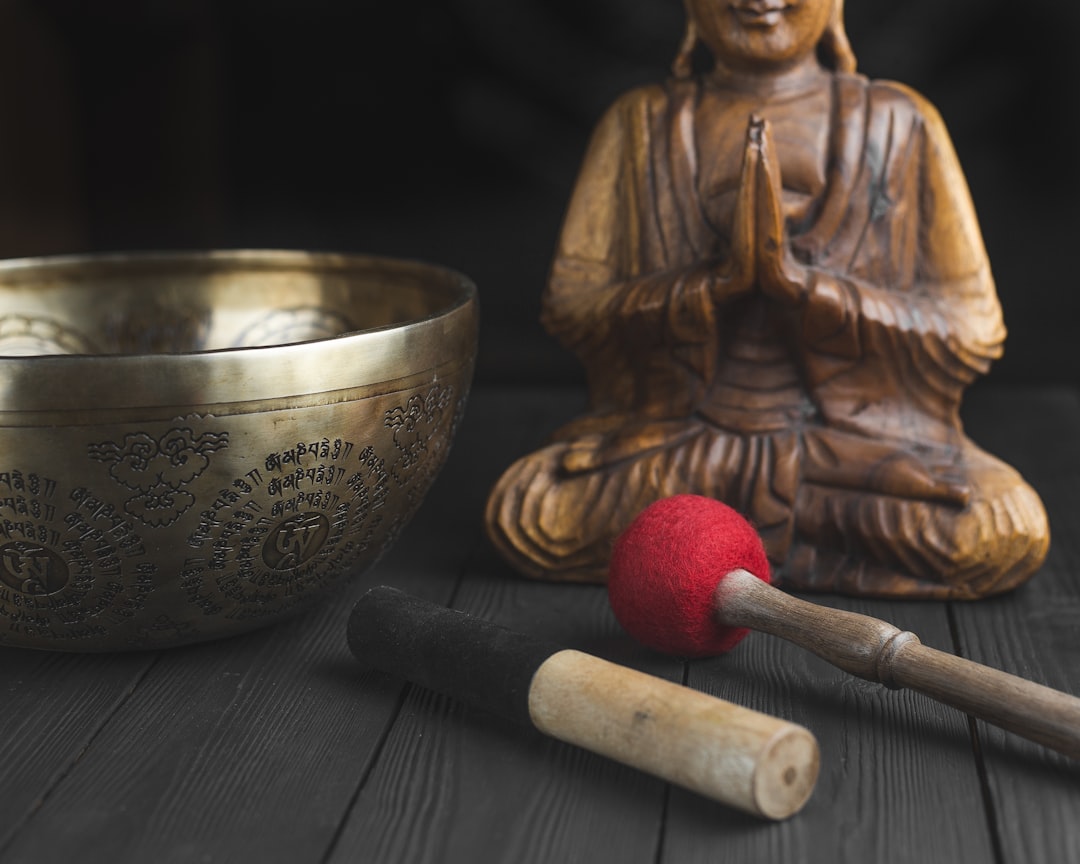
Embracing mantra chanting in daily life can offer profound benefits, touching every aspect of your being.
Increased Inner Peace
One of the most noticeable benefits of regular mantra chanting is the sense of inner peace it cultivates. The meditative repetition of mantras can help to still the tumultuous mind, reduce anxiety, and lead to a peaceful inner state. As you progress, you may find that this peace extends beyond your chanting sessions, influencing your interactions and the way you handle stress throughout your day.
Enhanced Mindfulness
Mantra chanting is a form of focused attention meditation, which enhances your mindfulness—your ability to be fully present and aware. The repetitive nature of mantras keeps you centered in the moment, training your mind to stay engaged in the present activity without wandering. Over time, this practice helps foster a greater awareness of your daily life and enhances your overall mental clarity.
Spiritual Growth and Self-Discovery
As a spiritual practice, mantra chanting offers more than just temporary relief or relaxation—it encourages deep spiritual growth and self-discovery. Each mantra carries specific energies and meanings that can help to unlock different aspects of your spiritual life. Engaging with these vibrations regularly can lead to profound insights into your own nature and the universe around you. This ongoing journey of self-discovery and connection enhances your sense of purpose and enriches your spiritual path.
Conclusion: Embracing Mantra Chanting as a Spiritual Practice
Mantra chanting isn’t just a spiritual exercise; it’s a powerful way to enrich your mental and emotional landscape. As beginners dive into the practice, they often discover more than just calmness; they unearth a deeper connection with themselves and the world around them. Embracing mantra chanting introduces you to a serene journey of self-discovery and spiritual enlightenment. Here are a few key takeaways to consider as you begin your mantra-chanting journey:
- Patience is essential. Just like planting a seed and waiting for it to sprout, the benefits of mantra chanting unfold gradually.
- Consistency is key. Regular practice enhances the spiritual and meditative effects of mantra chanting.
- Stay open and receptive. Each mantra has its own vibration and energy, capable of transforming your spiritual path.
By incorporating mantra chanting into your daily routine, you begin a transformative process that not only promotes spiritual growth but also fosters a greater sense of peace and fulfillment in your day-to-day life. Remember, the journey is as significant as the destination, and each chant gets you closer to your higher self.