About this article
Throughout history, the sacred wisdom traditions of India have captured the hearts of spiritual seekers across the globe. In recent decades, something truly remarkable has unfolded across Europe: a profound spiritual awakening sparked by Indian gurus who have brought their timeless teachings to Western shores. These enlightened masters have established thriving communities, translated ancient wisdom into accessible forms, and ignited a flame of inner transformation that continues to burn brightly in countless European hearts.
The journey we're about to explore reveals how these spiritual luminaries have woven their teachings into the very fabric of European spiritual life. From the compassionate embraces of Amma to the silent teachings of Ramana Maharshi, each master has offered a unique doorway to inner peace and self-realization. Their influence extends far beyond individual transformation, creating vibrant spiritual communities that bridge Eastern wisdom and Western understanding.
Sathya Sai Baba
Born Sathyanarayana Raju on November 23, 1926, in Puttaparthi, India, this charismatic spiritual teacher would touch millions of lives worldwide before his passing on April 24, 2011. Known simply as Sathya Sai Baba, he embodied a message of universal love and human unity that resonated deeply with European spiritual seekers.
The Foundation of Human Values
Sathya Sai Baba's teachings emphasized the fundamental unity of all religions, demonstrating through his life and message that different spiritual paths ultimately lead to the same divine truth. His educational approach centered on five fundamental human values: Truth (Sathya), Right Conduct (Dharma), Peace (Shanti), Love (Prema), and Non-violence (Ahimsa).
He promoted a balanced spiritual life that integrated selfless service (seva), devotional practices (bhakti), spiritual discipline (sadhana), and moral living. His approach successfully blended traditional Hindu philosophy with universal spiritual principles, making his teachings accessible to people from diverse cultural backgrounds.
Building European Networks
While Sathya Sai Baba did not personally undertake extensive European tours, he engaged European seekers primarily through translated discourses, books, and the transformative experiences of European devotees who visited his ashrams in India. His teachings were carefully translated into numerous European languages, making his wisdom accessible to diverse audiences.
The numerous Sathya Sai Baba Centers established throughout Europe, including significant presences in Germany, the UK, and France, serve as focal points for spiritual practice and community service. The Sathya Sai Seva Organization in Europe operates as part of a global network, maintaining over 100 active centers across the continent.
Literature and Community Celebrations
Over 120 books covering his life and teachings have been published in multiple European languages, providing comprehensive access to his philosophical approach and practical guidance. These publications continue to inspire European seekers who are drawn to his emphasis on moral living and selfless service.
Annual retreats, national meetings, and vibrant youth festivals occur regularly in various European countries, celebrating his birth anniversaries and mission. These gatherings foster deep community cohesion while providing opportunities for spiritual growth and practical service projects that benefit local European communities.
Dedicated European Communities
European devotees like Philipp von Dietlein in Germany have actively served as organizers and teachers, helping to establish strong foundations for Sathya Sai communities throughout the continent. Their dedicated efforts ensure that his teachings continue to reach new generations of European spiritual seekers.
The European Sathya Sai Baba community currently numbers in the thousands, spanning countries across the continent and maintaining active social media channels that connect practitioners and share inspirational content. This vibrant community demonstrates the enduring appeal of his message of love and service.
Many European devotees consistently share experiences of profound personal transformation, spiritual healing, and emotional upliftment through meditation practice, devotional singing, and engagement in selfless service projects. They report that his teachings have brought greater meaning, purpose, and joy into their daily lives.
Sister Nivedita
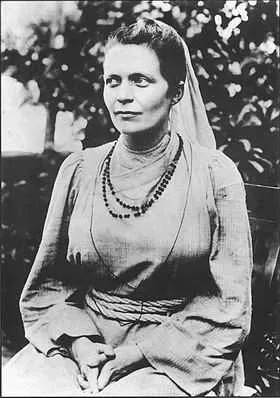
Born Margaret Elizabeth Noble on October 28, 1867, in Dungannon, Northern Ireland, this remarkable woman would become one of the most influential Western interpreters of Indian spirituality. Her transformation into Sister Nivedita, culminating with her passing on October 13, 1911, in Darjeeling, India, represents a beautiful example of East-West spiritual synthesis.
A Teacher's Spiritual Evolution
Before her spiritual transformation, Margaret Noble was a dedicated teacher and social reformer deeply engaged with educational and cultural issues in England. Her encounter with Swami Vivekananda completely transformed her life's direction, leading her to become a devoted disciple who would bridge Eastern wisdom and Western understanding.
Her teachings, profoundly influenced by Vivekananda's Vedanta philosophy, advocated passionately for the empowerment of Indian women through education while emphasizing self-realization, national pride, and meaningful social reform. She promoted a beautiful synthesis of Western educational methods with Indian spiritual and cultural values.
Cultural Ambassador to Europe
Initially prominent in England's literary and cultural circles, Sister Nivedita delivered numerous influential lectures throughout the UK and America, explaining Indian spirituality and culture to Western audiences with remarkable clarity and passion. Her publications became instrumental in bridging understanding between Eastern wisdom traditions and Western intellectual thought.
Her work significantly influenced many Western spiritual seekers and social reformers who were searching for authentic spiritual wisdom combined with practical social engagement. While she did not establish physical ashrams in Europe, her inspirational example and writings influenced early Indian cultural and spiritual centers throughout the West.
Literary Legacy and Influence
Her important works, including "The Web of Indian Life" and "The Master as I Saw Him," have been extensively published in English and partially translated into other European languages. These books continue to serve as valuable resources for European seekers interested in authentic Indian spirituality and culture.
Sister Nivedita participated in numerous lectures and public talks throughout Europe, serving effectively as a cultural ambassador and educator who significantly shaped Western perceptions of India's spiritual heritage and national identity. Her unique position as a Westerner who became an essential interpreter of Indian spirituality gives her special credibility among European audiences.
Continuing Educational Impact
Her influence remains particularly strong in European spiritual and academic circles, especially among students of Vedanta philosophy and those interested in the intersection of spirituality and social reform. Her example continues to inspire Europeans who seek to integrate spiritual wisdom with practical service.
European readers and spiritual seekers consistently credit her works and personal example with deepening their understanding of Indian philosophy while strengthening their commitment to meaningful social service. Her writings demonstrate how spiritual realization can be expressed through dedicated service to human welfare.
Sri Aurobindo
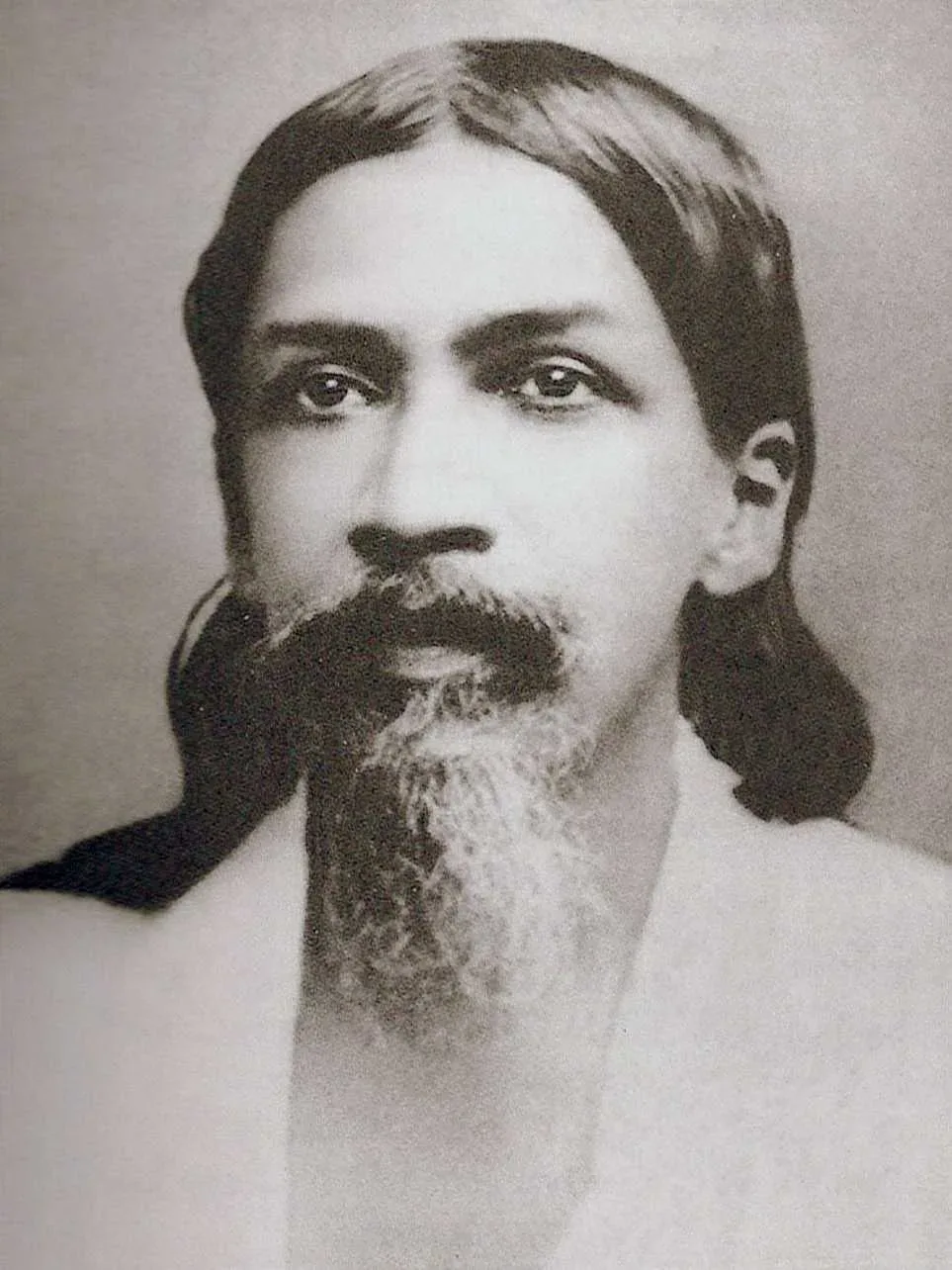
Born Aurobindo Ghose on August 15, 1872, in Kolkata, India, this remarkable philosopher-sage received his early education in England, providing him with unique exposure to Western philosophical thought. His life's work, which concluded on December 5, 1950, focused on the evolution of human consciousness toward divine realization through what he called Integral Yoga.
The Vision of Integral Yoga
Sri Aurobindo developed Integral Yoga as a comprehensive spiritual approach aimed at the complete transformation of human nature toward divine consciousness manifesting on earth. His teachings represent a masterful synthesis of the classical yoga paths: knowledge (jnana), devotion (bhakti), selfless action (karma), and meditation (raja yoga).
His revolutionary vision advocated for the manifestation of what he termed "supramental consciousness," representing the next stage in human evolutionary development. His spiritual lineage is inseparably connected with The Mother (Mirra Alfassa), his French-born collaborator who shared and implemented his transformative vision.
Reaching Europe Through Literature
While Sri Aurobindo did not personally travel to Europe for teaching tours, his profound influence reached European seekers through his extensive philosophical writings and through disciples who established European connections. His works began receiving translation and recognition from European intellectuals and spiritual circles during the early to mid-20th century.
The Mother's extensive European travels and connections significantly contributed to spreading their joint teachings throughout European spiritual communities. Her European background and cultural understanding helped translate his complex philosophical insights into forms accessible to Western seekers.
European Centers of Integral Practice
Although Sri Aurobindo did not personally found ashrams in Europe, several Integral Yoga societies and affiliated centers have been established throughout the continent. Branches of The Sri Aurobindo Society operate actively in Spain and Latin America, serving European and Spanish-speaking communities with regular programs and study opportunities.
His key philosophical works, including "The Life Divine," "The Synthesis of Yoga," and the epic poem "Savitri," are available in major European languages. Spanish translations, such as "Síntesis del Yoga," have been particularly influential in making his teachings accessible to Hispanic European communities.
Festivals and Study Communities
European Integral Yoga centers organize regular retreats, comprehensive seminars, and cultural festivals that celebrate his integral philosophy while providing practical training in his yogic methods. These events attract participants from across Europe who are drawn to his vision of conscious evolution and spiritual transformation.
Dedicated translators like Carolina Bernabeu Perez and Martha Segura have become well-known for their efforts in spreading his teachings throughout Spanish-speaking European communities, ensuring that his complex philosophical insights remain accessible to contemporary seekers.
The European following, while relatively modest, continues growing steadily with active Integral Yoga practitioners in Spain, France, and Germany. European followers consistently report deepened states of awareness, genuine spiritual awakening, and practical success in integrating spirituality with daily life responsibilities and creative endeavors.
Sri Sri Ravi Shankar
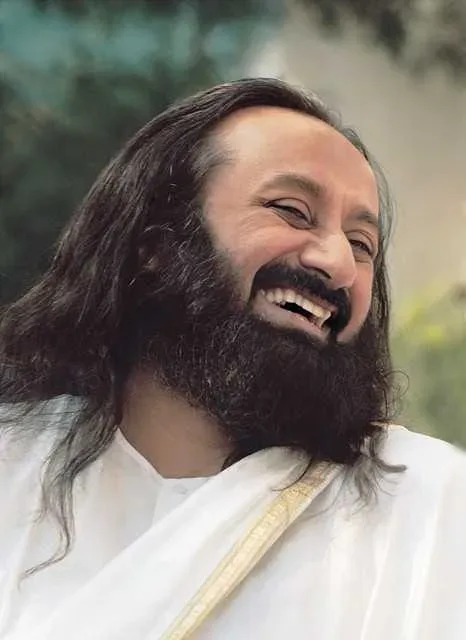
Born on May 13, 1956, in Papanasam, Tamil Nadu, India, Sri Sri Ravi Shankar would become one of the most influential contemporary spiritual teachers in Europe. After graduating with a degree in Physics and apprenticing under Maharishi Mahesh Yogi, he founded the Art of Living Foundation in 1981, revolutionizing the approach to practical spirituality.
Breathing Life into Spirituality
Sri Sri Ravi Shankar's teachings focus on making practical spirituality accessible to people from all walks of life, emphasizing the cultivation of inner peace, universal love, genuine compassion, and fundamental human values. His revolutionary contribution includes the development of Sudarshan Kriya, a powerful rhythmic breathing technique that has transformed millions of lives worldwide.
His comprehensive approach promotes meditation, yoga, and selfless service (seva) as integrated components of holistic well-being. He consistently advocates that spirituality and science are complementary rather than contradictory, making his teachings particularly appealing to educated European audiences.
Pioneering European Presence
He began conducting Art of Living courses throughout Europe in the early 1980s, with the first European course taking place in Switzerland in 1983. This marked the beginning of what would become a major spiritual movement across the European continent.
His influence extended into European political and cultural spheres through multiple invitations to speak at the European Parliament in Brussels. A particularly significant moment occurred in 2015 when he led a meditation session for European parliamentarians, demonstrating the practical relevance of his teachings for contemporary leaders.
Peace Campaigns and Centers
Sri Sri Ravi Shankar has led wide-reaching peace campaigns throughout Europe, including the influential 'I Stand for Peace' initiative that spread across Germany, Poland, Switzerland, and other European countries. These campaigns demonstrate his commitment to applying spiritual principles to contemporary social and political challenges.
Numerous Art of Living centers now operate throughout Europe, including well-established presences in Germany, Switzerland, Spain, and France. European ashrams, such as the beautiful retreat center in Bad Antogast, Germany, regularly conduct comprehensive courses that attract thousands of European participants annually.
Literature and Transformative Events
Many of his insightful books have been translated into English, French, German, Spanish, and other European languages, making his practical wisdom accessible to diverse European audiences. His publications consistently emphasize the integration of ancient wisdom with contemporary life challenges.
He has organized numerous large-scale events and retreats throughout Europe that foster deep meditation practice, authentic yoga instruction, and practical peace-building skills. His leadership in spearheading the celebration of International Day of Yoga within European institutions demonstrates his significant cultural influence.
Growing European Community
Currently, thousands of active practitioners across Europe regularly participate in Art of Living courses and engage with online spiritual programs. The vibrant social media engagement from European followers demonstrates the continuing relevance and appeal of his teachings.
European followers consistently report profound stress relief, enhanced emotional well-being, and significant spiritual growth through regular practice of Sudarshan Kriya and other techniques he teaches. Many describe life-changing transformations that have improved their relationships, career satisfaction, and overall life fulfillment.
Swami Chinmayananda
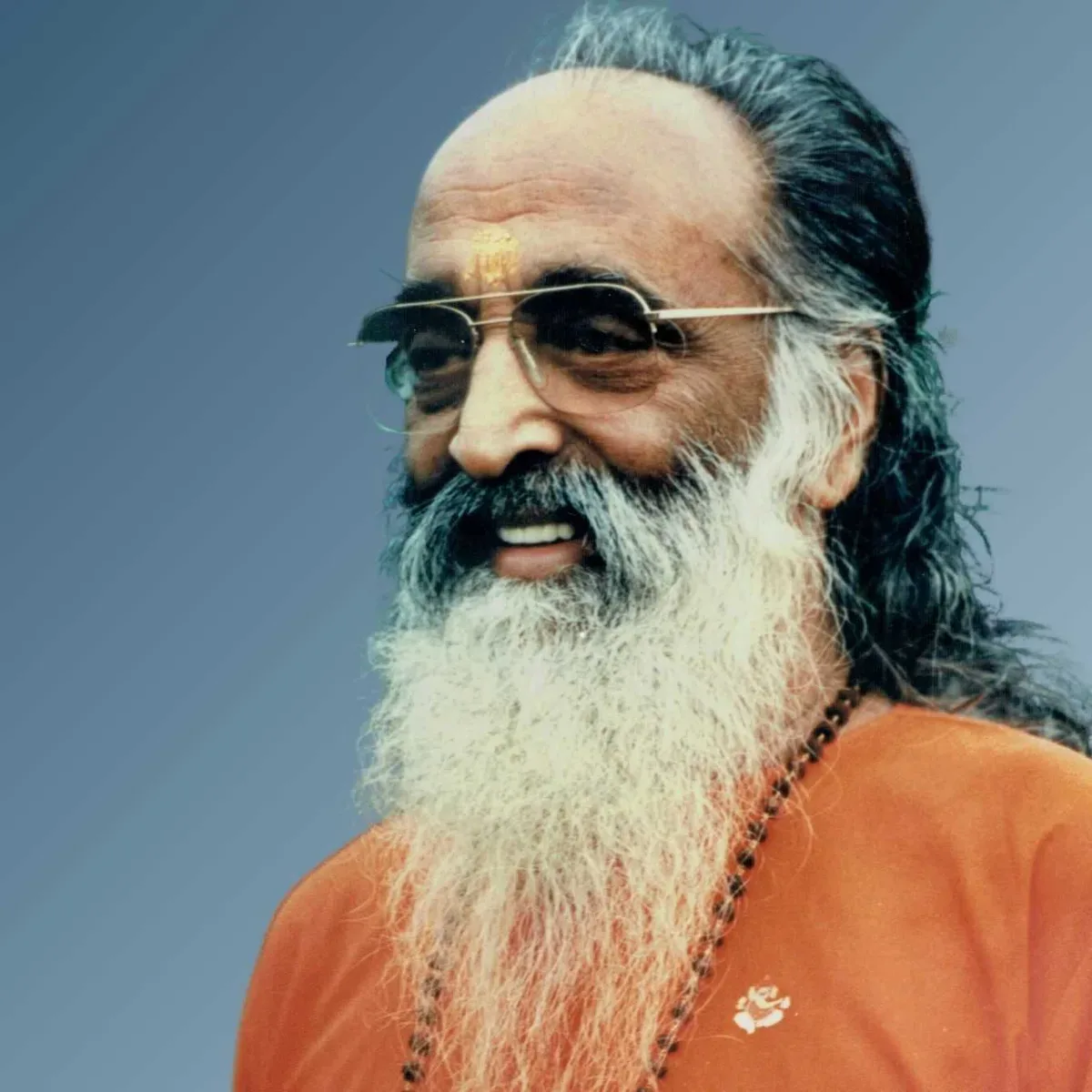
Born Balakrishna Menon on May 8, 1916, in Ernakulam, Kerala, India, this brilliant scholar initially pursued education in law and English literature before discovering his true calling in spirituality. His life, which concluded on August 3, 1993, in San Diego, California, was dedicated to making the profound wisdom of Vedanta accessible to contemporary seekers worldwide.
Making Ancient Wisdom Accessible
As a prominent authority on Vedanta philosophy, particularly Advaita Vedanta, Swami Chinmayananda founded the Chinmaya Mission in 1953 with the specific goal of spreading Vedantic wisdom globally through clear, logical teaching methods. His approach emphasized practical self-realization, discrimination (viveka), and the successful integration of spiritual knowledge with everyday life responsibilities.
His remarkable teaching style made complex philosophical concepts accessible through logical presentation, practical examples, and engaging humor. He consistently demonstrated that Vedantic wisdom, while profound, could be understood and applied by sincere seekers regardless of their educational background or previous spiritual experience.
Establishing European Foundations
Swami Chinmayananda began extensive global teaching tours soon after founding Chinmaya Mission. His comprehensive European tour in 1965 covered 39 cities across 18 countries, including Spain, the UK, France, and Germany, establishing strong foundations for ongoing European engagement with Vedantic teachings.
His extensive writings were carefully translated into major European languages, making his commentaries on classical texts and practical spiritual guidance widely available. These translations maintain the clarity and accessibility that characterized his original teaching style.
Thriving European Centers
Chinmaya Mission maintains active, well-established centers across Europe, with particularly notable presences in France, the UK, the Netherlands, Switzerland, and Romania. These centers serve as focal points for regular study programs, spiritual retreats, and community service initiatives.
Chinmaya Mission France, founded in 1992 with a beautiful spiritual center in Paris, represents one of the largest and most active European branches. The UK center in London, known as Chinmaya Kirti, functions as a residential ashram providing intensive opportunities for spiritual study and practice.
Comprehensive Spiritual Education
His key works, including detailed commentaries on the Bhagavad Gita and major Upanishads, have been extensively translated into French and other European languages, providing European seekers with authentic access to traditional Vedantic wisdom presented in contemporary language.
Regular spiritual retreats, Gyana Yagnas (extended Vedantic discourse series), and meditation camps are conducted at major European Chinmaya centers. These intensive programs attract hundreds of participants who come to deepen their understanding of Vedantic philosophy and its practical applications.
Living Legacy Through Dedicated Teachers
Swamini Umananda, founder of Chinmaya Mission France, serves as a key figure in interpreting and propagating his teachings throughout the Francophone European community. Her dedicated efforts ensure that his approach to Vedantic wisdom continues reaching new generations of European spiritual seekers.
Currently, hundreds to thousands of European students regularly participate in courses and events organized by Chinmaya Mission Europe. The organization maintains strong community connections while providing comprehensive spiritual education programs.
European students consistently describe deepened understanding of Vedantic philosophy and enhanced clarity about life's ultimate purpose through engagement with his teachings. Many report transformative personal growth that positively impacts all aspects of their lives, from relationships to professional endeavors.
Swami Dayananda Saraswati
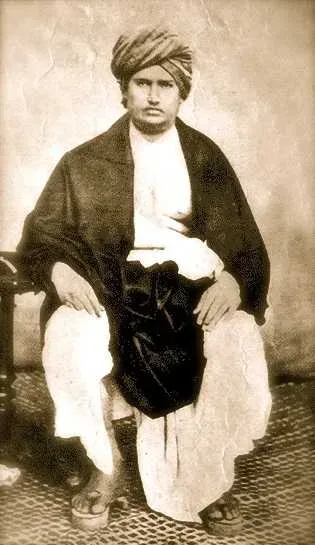
Born Mool Shankar on February 12, 1824, in Tankara, Gujarat, India, this courageous reformer would challenge established religious practices while advocating for spiritual purification and social justice. His life, which concluded on October 30, 1883, was dedicated to reviving authentic Vedic knowledge while opposing social injustices and religious corruption.
Revolutionary Spiritual Reform
Swami Dayananda Saraswati founded the influential Arya Samaj movement in 1875, seeking the comprehensive revival of Vedic knowledge while firmly rejecting idolatry, ritual dogma, and caste-based discrimination. His approach advocated worship of one formless God (represented by the sacred syllable Om) and emphasized the absolute primacy of the Vedas as infallible spiritual scripture.
He courageously promoted rationality, moral living, and women's education while actively opposing harmful social practices like child marriage. His reform movement represented a powerful synthesis of spiritual authenticity and social progress that continues to influence contemporary spiritual movements.
Indirect European Influence
Although Swami Dayananda Saraswati did not personally travel to Europe or learn European languages, his engagement with European spiritual seekers occurred primarily through translations of his works and the international growth of Arya Samaj communities. His reformist work played a significant role in promoting Indian spiritual identity during the challenging period of British colonial rule.
His scholarly approach to Vedic studies attracted considerable academic interest throughout Europe, particularly among orientalist scholars and comparative religion researchers who recognized the intellectual rigor of his scriptural interpretations.
European Study Communities
While he did not establish physical ashrams or centers directly in Europe, various Arya Samaj communities and Vedanta study groups inspired by his teachings operate actively throughout Europe, including established communities in the UK that serve both immigrant and native European populations.
His seminal religious reform work "Satyarth Prakash" ("The Light of Truth") has been translated into English and other European languages, making his critique of religious superstition and his vision of rational spirituality accessible to European readers interested in authentic spiritual reform.
Continuing Educational Impact
Arya Samaj-inspired cultural and religious festivals regularly occur throughout Europe, celebrating Vedic heritage and promoting the social reform ideals that characterized his mission. These events provide opportunities for European participants to engage with both spiritual practice and social consciousness.
The European following remains modest but steady, consisting primarily of Hindu diaspora communities, serious students of Vedanta philosophy, and Arya Samaj affiliates who appreciate his combination of spiritual depth and social reform advocacy.
European followers consistently report deepening religious knowledge, more rational approaches to spirituality, and enhanced social awareness inspired by his comprehensive reforms. His emphasis on education, women's rights, and social justice continues to resonate with contemporary European spiritual communities.
Swami Kriyananda
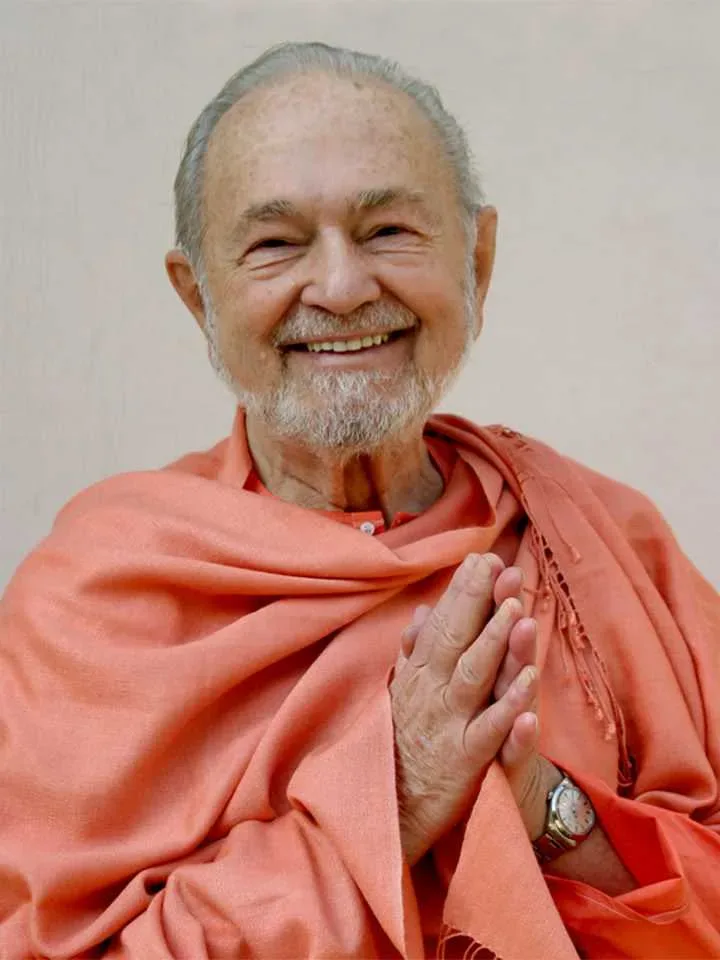
Born James Donald Walters on May 19, 1926, in Teleajen, Romania, to American parents, this unique spiritual teacher would become one of the most influential Western disciples of an Indian guru. His life, which concluded on April 21, 2013, in Assisi, Italy, was dedicated to spreading the teachings of Paramahansa Yogananda throughout Europe and beyond.
Living the Guru's Vision
As a direct disciple of Paramahansa Yogananda from 1948, Swami Kriyananda focused his entire life on disseminating Kriya Yoga and Yogananda's revolutionary teachings of scientific self-realization. His approach emphasized practical spirituality that successfully integrates meditation, yoga, devotion, and supportive community life.
He founded the influential Ananda movement to embody Yogananda's inspiring vision of "world brotherhood colonies," spiritual communities where like-minded seekers could live together while pursuing both material and spiritual prosperity in harmony.
Extensive European Teaching
Swami Kriyananda traveled extensively throughout Europe, conducting inspiring lectures, practical meditation classes, and transformative satsangs in Germany, France, Italy, and other European countries. His background as a Westerner gave him unique insights into the challenges faced by European spiritual seekers.
He published over 100 books and created numerous audio and video teachings that have been translated into multiple European languages, making Yogananda's approach to spirituality widely accessible to diverse European audiences through clear, practical guidance.
European Spiritual Communities
He successfully founded several Ananda communities and retreat centers throughout Europe, including established meditation and spiritual centers in Italy and Germany. Ananda Europe operates as an active network offering regular retreats, comprehensive courses, and ongoing community support for European practitioners.
His autobiography "The Path" (originally titled "The Path: My Life with Paramahansa Yogananda") is widely read throughout Europe and has been translated across the continent. Other significant works include "Love Perfected," "Life Divine," and "Lessons in Self-Realization," all of which provide practical guidance for European spiritual seekers.
Community Building and Training
He organized annual retreats, comprehensive workshops, and inspiring satsangs throughout Europe, fostering deep spiritual practice and strong community cohesion among participants. These events continue to attract hundreds of European practitioners who value both spiritual growth and community connection.
European teachers and ministers personally trained by Swami Kriyananda continue carrying forward his legacy, ensuring that his interpretation of Yogananda's teachings remains available to new generations of European seekers. His training programs created a sustainable foundation for ongoing spiritual education.
Currently, several thousand practitioners actively participate in Ananda Europe's diverse activities, from meditation retreats to community living experiments. European followers consistently report profound spiritual awakening, significant emotional healing, and personal empowerment through the Kriya Yoga techniques and meditation practices he taught.
Swami Muktananda
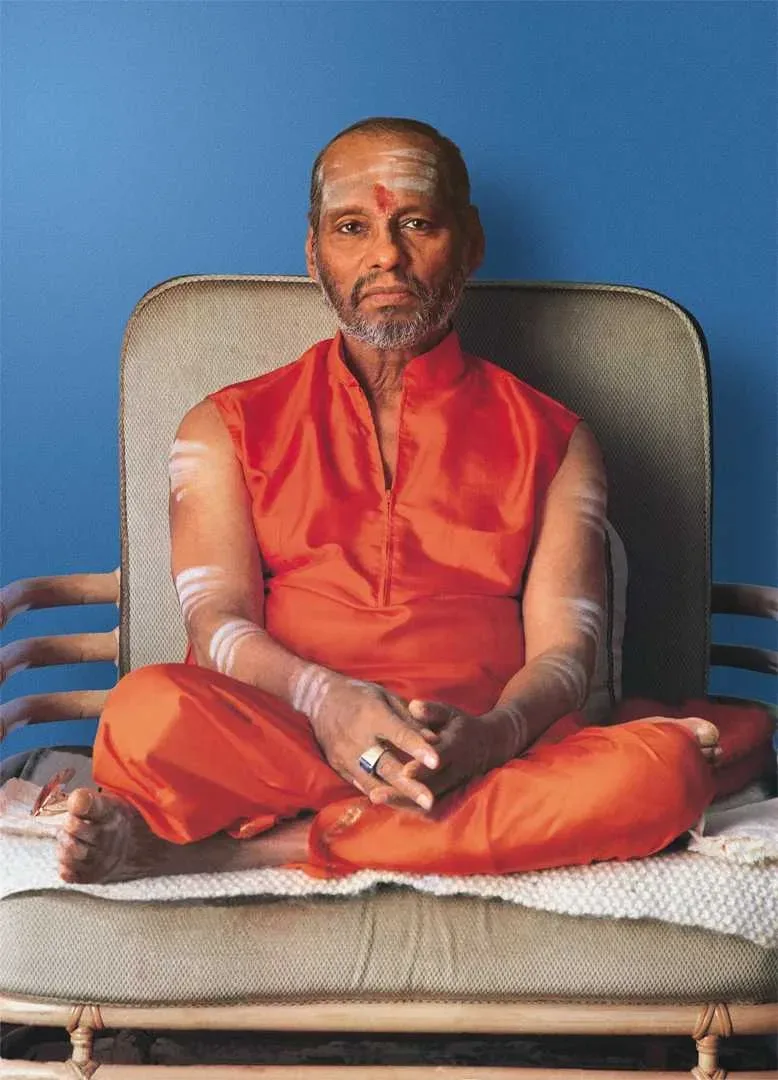
Born Krishna Rai on May 16, 1908, near Mangalore, British India, this powerful spiritual teacher would revolutionize Western understanding of Kundalini awakening. His mission, which concluded in 1982 at his ashram in Ganeshpuri, India, introduced thousands of Europeans to the transformative power of Siddha Yoga through direct spiritual transmission.
The Path of Divine Grace
Swami Muktananda founded the Siddha Yoga path, which emphasizes the awakening of Kundalini Shakti (dormant spiritual energy) through shaktipat initiation received directly from a realized master. This approach represents a revolutionary departure from gradual spiritual development, offering instead the possibility of immediate awakening through divine grace.
Central Siddha Yoga practices include focused meditation, powerful mantra chanting, dedicated self-realization efforts, and cultivation of inner spiritual awakening. Drawing extensively on Kashmir Shaivism and ancient yogic traditions, his teaching emphasized that the guru's grace serves as the primary transformative force transmitted from realized master to sincere disciple.
Transforming European Consciousness
Swami Muktananda made his historic first trip to the West in 1970, conducting comprehensive world tours that included major European countries such as Italy, Switzerland, England, and France. These groundbreaking visits included public lectures, intensive meditation sessions, and transformative spiritual retreats that introduced Europeans to authentic Eastern spiritual transmission.
His influential autobiography "Play of Consciousness" has been translated into several European languages, providing European seekers with intimate access to his spiritual journey and the profound experiences that characterize the Siddha Yoga path.
Establishing European Centers
Numerous Siddha Yoga centers and dedicated meditation groups throughout Europe were established during and after his revolutionary European tours. These centers continue serving European practitioners under the guidance of his successor, Swami Chidvilasananda (Gurumayi), who presides over the global Siddha Yoga community.
"Play of Consciousness" remains a foundational work that has been translated into English, French, German, and Spanish, making his direct accounts of Kundalini awakening accessible to diverse European audiences. Collections of his talks and recorded satsangs continue to be available in multiple European languages.
Continuing Transformative Impact
His historic first world tour in 1970 inspired thousands of Europeans to embrace Siddha Yoga as their primary spiritual practice. Regular retreats and intensive multi-day programs continue throughout European Siddha Yoga centers, providing ongoing opportunities for spiritual advancement and community connection.
Currently, thousands of active Siddha Yoga practitioners are distributed across Europe, maintaining regular meditation practices and participating in community programs. European followers consistently share profound accounts of spiritual awakening, emotional healing, and deepened inner peace through his grace and dedicated Siddha Yoga practices.
Many European practitioners particularly emphasize transformative Kundalini experiences that have fundamentally altered their consciousness and life direction, validating his teaching that direct transmission from a realized master can catalyze immediate spiritual awakening.
Swami Rama
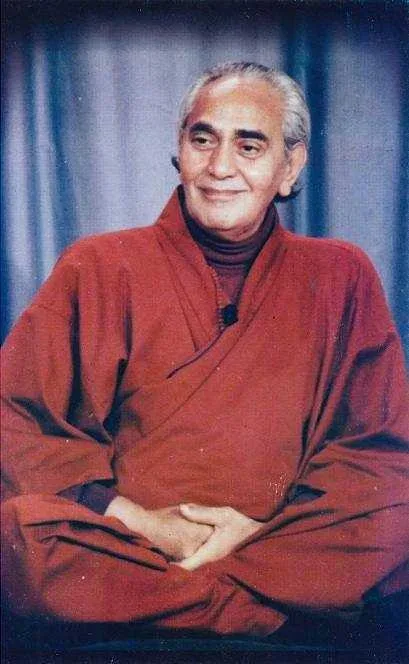
Born Brij Kiśore Dhasmana in 1925 in the sacred Garhwal Himalayas of India, this remarkable yogi was raised from childhood under the guidance of his master Sri Bengali Baba. Belonging to the ancient Himalayan lineage of accomplished yogis, his life was dedicated to demonstrating the scientific foundations of traditional yogic practices.
Traditional Yoga Meets Modern Science
Swami Rama emphasized traditional yogic practices including classical Hatha Yoga, transformative Yoga Nidra, focused meditation, and systematic pranayama (breathing techniques). His unique approach focused on providing direct experience of consciousness, practical mind management, and comprehensive holistic well-being while promoting the universal nature of spiritual truth.
He founded the influential Himalayan Institute of Yoga Science and Philosophy specifically to teach authentic yoga, effective meditation, and holistic health approaches that successfully integrate ancient wisdom with contemporary scientific understanding. His methods consistently demonstrated the practical benefits of traditional yogic practices.
Reaching Europe Through Literature
While Swami Rama primarily established his teaching base in the United States from the late 1960s onward, his profound teachings and influential books reached European audiences through careful translations and widespread publications. His internationally acclaimed work "Living with Himalayan Masters" became particularly influential throughout Europe.
The Himalayan Institute inspired the creation of multiple affiliated centers throughout European countries, offering comprehensive yoga instruction and meditation courses that maintain the authentic traditional approaches he emphasized. Though he did not establish large physical ashrams directly in Europe, his spiritual lineage continues through qualified affiliated teachers and established centers.
European Workshops and Training
European retreats and workshops inspired by his teachings have been regularly conducted throughout the continent, promoting effective yoga therapy, authentic meditation instruction, and comprehensive holistic well-being approaches that integrate physical, mental, and spiritual health.
Several European teachers and dedicated practitioners who trained directly under Swami Rama continue actively spreading his teachings throughout European yoga communities, ensuring that his authentic approach to traditional practices remains available to contemporary European seekers.
The European following, while modest in numbers, remains exceptionally active through numerous established yoga schools, dedicated meditation groups, and health practitioners who incorporate his comprehensive methods into their professional work and personal practice.
Transformative Health and Spirituality
European followers consistently report enhanced physical health, significantly deepened meditation experiences, and improved mental clarity through engagement with the authentic practices he taught. His integration of traditional yogic methods with modern health understanding continues attracting European practitioners.
The comprehensive approach he developed successfully addresses contemporary European concerns about stress management, physical health, and spiritual fulfillment while maintaining the authenticity and effectiveness of traditional Himalayan yoga practices.
Swami Sivananda
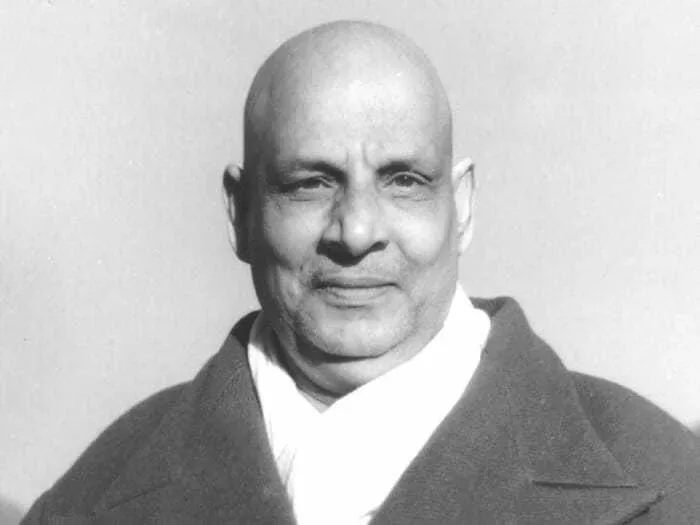
Born Kuppuswami on September 8, 1887, in Pattamadai, Tamil Nadu, India, this compassionate healer initially worked as a physician before dedicating his life completely to spirituality. His remarkable journey, which concluded on July 14, 1963, resulted in the creation of one of the most comprehensive and accessible approaches to spiritual development ever developed.
The Synthesis of All Yogas
Swami Sivananda founded the influential Divine Life Society in 1936 and the respected Yoga-Vedanta Forest Academy in 1948, creating institutional frameworks for comprehensive spiritual education. His revolutionary teachings synthesize the four classical yoga paths: Karma Yoga (selfless action), Bhakti Yoga (devotion), Jnana Yoga (knowledge), and Raja Yoga (meditation).
His approach emphasizes maintaining a balanced spiritual life that successfully integrates worldly duties with consistent inner growth and development. As one of the most prolific spiritual writers in history, he authored over 200 books covering all aspects of yoga, Vedanta philosophy, and practical spirituality.
European Expansion Through Disciples
While Swami Sivananda did not undertake extensive European teaching tours personally, his profound teachings reached Europe primarily through prominent disciples such as Swami Vishnudevananda, who traveled widely throughout the Western world spreading his comprehensive yoga approach.
Early translations of his essential writings successfully introduced his classical yoga teachings to European readers who were seeking authentic, comprehensive approaches to spiritual development. These translations maintained the practical clarity and accessibility that characterized his original teaching style.
Established European Presence
The Divine Life Society maintains an active branch in Barcelona, Spain, while numerous Sivananda Yoga Vedanta Centres operate throughout various European countries including Spain, Germany, and France. The beautiful Sivananda Yoga Retreat House near Malaga, Spain, serves as a major center for intensive spiritual retreats and comprehensive yoga training programs.
His numerous influential books have been translated into major European languages, including comprehensive works like "Sadhana (Spiritual Practice)" and detailed commentaries on the Bhagavad Gita. Spanish translations prepared by the dedicated translator Pedro Nonell have been particularly instrumental in popularizing his works throughout Spain and Spanish-speaking European communities.
Continuing Educational Impact
The Sivananda Yoga Retreat near Malaga regularly hosts comprehensive retreats and inspiring yoga festivals that attract practitioners from throughout Europe. These events provide intensive training in his integrated approach while fostering strong international spiritual communities.
Accomplished disciples like Swami Vishnudevananda played crucial historical roles in spreading his teachings throughout international communities, while contemporary teachers like Pedro Nonell continue making his works accessible to new generations of Spanish-speaking European practitioners.
The European following remains significant and exceptionally active, with hundreds to thousands of dedicated practitioners regularly attending classes and participating in intensive retreats. European students consistently report improved physical health, enhanced mental peace, and profound spiritual insights gained through practicing his comprehensive integrated yogic disciplines.
Swami Tejomayananda
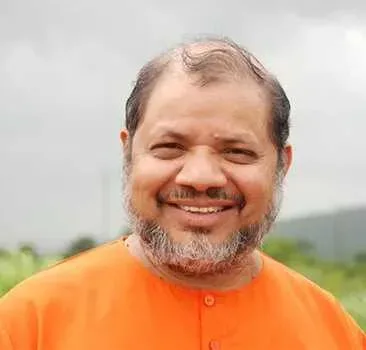
Born Sudhakar Kaitwade on June 30, 1950, in Madhya Pradesh, India, this brilliant scholar was initially drawn to spirituality after attending inspiring lectures by Swami Chinmayananda. As a prominent Vedanta teacher within the respected Chinmaya Mission lineage, he represents the continuation of authentic Vedantic teaching in contemporary times.
Making Vedanta Live Today
Swami Tejomayananda emphasizes classical Advaita Vedanta philosophy while making practical spirituality accessible to contemporary seekers. His teaching approach advocates jnana yoga (the path of spiritual knowledge), systematic self-inquiry, and moral living based firmly on time-tested Vedantic principles.
As an accomplished author and gifted poet who is fluent in multiple languages, he has written over 100 books that clearly expound Vedantic philosophy for modern audiences. His unique combination of intellectual clarity, devotional warmth, and practical instruction makes ancient wisdom accessible to contemporary European seekers.
Comprehensive European Teaching
He has toured extensively throughout the world, including regular comprehensive visits to Europe, conducting intensive Gyana Yajnas (immersive 3-7 day Vedanta lecture series) in various European cities on a regular basis. These intensive programs provide thorough grounding in Vedantic philosophy combined with practical spiritual guidance.
His systematic teaching methods successfully combine intellectual clarity with devotional warmth and practical instruction, making complex philosophical concepts accessible to European audiences regardless of their previous exposure to Eastern philosophy.
Established European Centers
Chinmaya Mission maintains active, well-established centers across Europe, including significant presences in France, Holland, Switzerland, and the UK. Chinmaya Mission France, originally founded in 1992 by the accomplished Swamini Umananda, represents a major European center that serves French-speaking communities throughout Europe.
He has personally conducted numerous retreats and comprehensive lecture series in France and other European countries, significantly strengthening the Chinmaya Mission's European presence while deepening participants' understanding of practical Vedantic principles.
Accessible Vedantic Literature
He has authored extensive commentaries on core Vedantic texts including the Bhagavad Gita and major Upanishads, which have been carefully translated into French and other European languages. These works provide European seekers with authentic access to traditional Vedantic wisdom presented in contemporary language.
Regular intensive Gyana Yajnas and comprehensive spiritual retreats guided personally by him are conducted at various European centers, significantly deepening participants' understanding of Vedanta philosophy while fostering strong spiritual communities throughout Europe.
Growing European Community
Swamini Umananda serves as a prominent European disciple and accomplished interpreter of Vedantic teachings, ensuring that authentic wisdom transmission continues reaching European audiences through qualified local teachers who understand both Eastern wisdom and Western cultural contexts.
The European following remains dedicated and continues growing steadily, with active participation in regular classes, intensive retreats, and engaging online programs. European devotees frequently report enhanced mental clarity, significantly deepened meditation experiences, and successful practical application of Vedantic insights in their daily lives.
Contemporary European practitioners consistently describe how his teachings have provided practical tools for handling life's challenges while maintaining spiritual perspective and inner peace regardless of external circumstances.
Swami Vivekananda
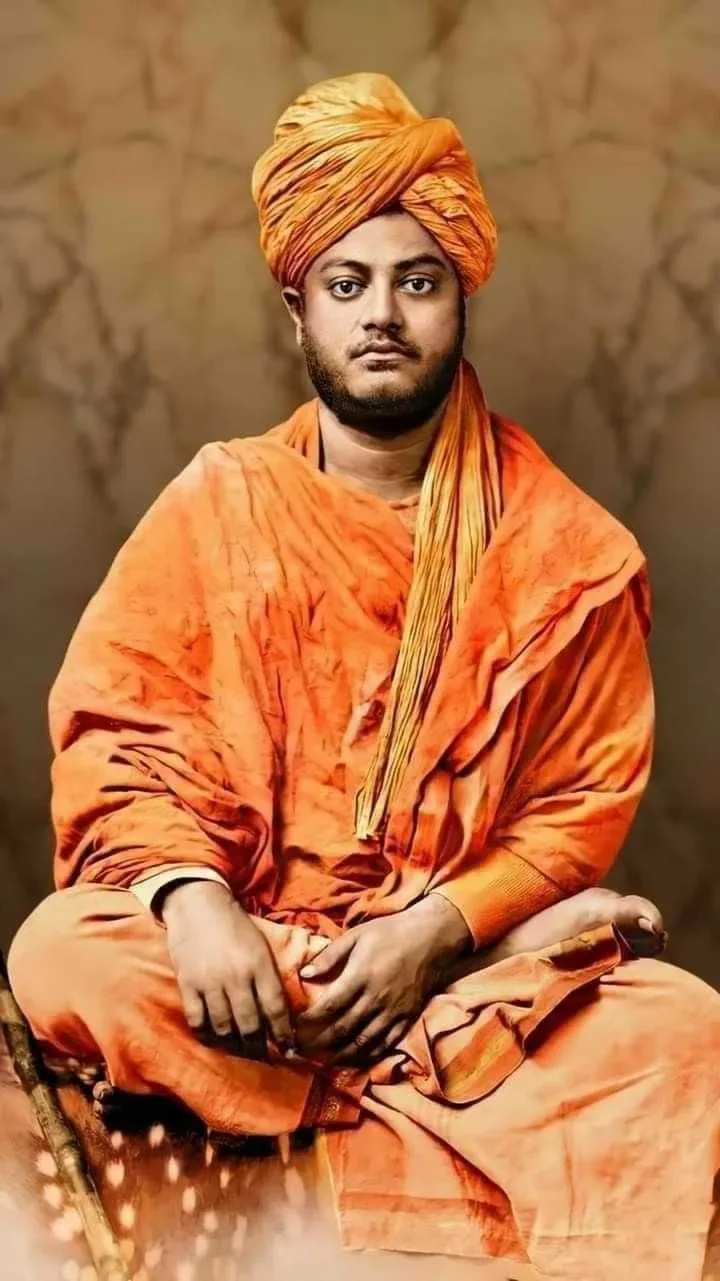
Born Narendranath Datta on January 12, 1863, in Kolkata, India, this extraordinary young man would become one of history's most influential spiritual ambassadors. His life, which concluded on July 4, 1902, combined traditional Hindu spirituality with Western education, creating a unique synthesis that continues inspiring spiritual seekers worldwide.
The Universal Message
Rooted firmly in Vedanta philosophy and the transformative teachings of his beloved guru Ramakrishna, Swami Vivekananda emphasized the fundamental unity of existence and the inherent divinity of every human soul. His revolutionary message promoted universal religion while advocating practical self-realization, dedicated service, and accessible spirituality.
He promoted the successful integration of all four classical yoga paths: Karma Yoga (selfless action), Bhakti Yoga (devotion), Jnana Yoga (knowledge), and Raja Yoga (meditation). His famous exhortation "Arise, awake, and stop not till the goal is reached" continues inspiring spiritual seekers to pursue their highest potential.
Historic European Mission
Swami Vivekananda made his first major European visit in 1896, arriving in England following his historic and transformative speech at the Chicago Parliament of Religions in 1893. He lectured extensively throughout London and other parts of Britain, introducing European audiences to authentic Vedantic philosophy and practical spiritual approaches.
His subsequent European tours took him through France, Switzerland, Germany, and Italy, where he consistently attracted prominent European intellectuals and influential thinkers including the renowned actress Sarah Bernhardt. His lectures successfully demonstrated the universal relevance of Vedantic principles.
Establishing Lasting Foundations
While Vivekananda did not establish permanent physical ashrams directly in Europe, his inspiring presence catalyzed the formation of numerous influential Vedanta Societies and dedicated study groups across the continent. Contemporary organizations including the Ramakrishna Mission and its European branches continue his transformative work today.
His complete works and inspiring speeches have been widely published in English, French, and German, making his comprehensive teachings accessible to diverse European audiences. Seminal collections like "Lectures from Colombo to Almora" continue serving as foundational texts for European Vedanta students.
Educational and Cultural Impact
He delivered numerous influential lectures and conducted comprehensive classes at London universities and prominent philosophical societies, significantly influencing European intellectual and spiritual discourse. His teachings successfully planted seeds for a growing Vedantic movement throughout Europe.
The annual European Vedanta Summit held in France demonstrates the continuing vibrant engagement with his philosophical contributions. These gatherings attract hundreds of European participants who continue exploring and applying his practical approach to spiritual development.
Living Legacy
Vivekananda initiated several European disciples including Marie Louise (who became Swami Abhayananda), who played crucial roles in helping establish and spread authentic Vedantic teachings throughout Western spiritual communities. These early disciples created sustainable foundations for ongoing transmission.
Contemporary Vedanta and Ramakrishna Mission centers throughout Europe attract hundreds to thousands of dedicated practitioners who continue studying and applying his comprehensive approach to spiritual development. His influence extends far beyond formal organizational boundaries.
European students consistently report profound transformational experiences related to authentic self-realization, increased inner strength, and meaningful engagement in selfless service that extends their spiritual development into practical contributions to society.
The Mother (Mirra Alfassa)
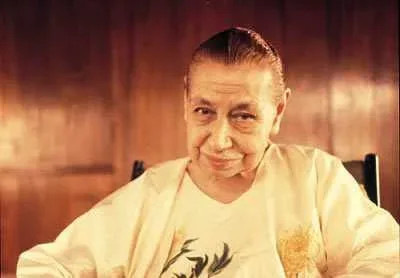
Born Blanche Rachel Mirra Alfassa on February 21, 1878, in Paris, France, this remarkable French mystic would become one of the most influential spiritual figures of the 20th century. Her life, which concluded on November 17, 1973, in Pondicherry, India, was dedicated to manifesting a new consciousness on earth through collaborative spiritual work with Sri Aurobindo.
The Vision of Supramental Transformation
Known simply as The Mother, she served as the spiritual collaborator and equal partner of Sri Aurobindo, sharing his profound realization and revolutionary vision for human evolution. Her comprehensive philosophy of Integral Yoga emphasizes the conscious evolution of human consciousness toward what they termed "supramental consciousness."
She founded and personally administered the Sri Aurobindo Ashram while creating the experimental international township of Auroville, both designed to embody practical ideals of human unity and conscious evolution. Her work represents one of history's most ambitious attempts to manifest spiritual ideals in concrete social forms.
Natural European Connections
Although The Mother did not undertake extensive European teaching tours, her profound teachings naturally reached European seekers through translations and the global outreach efforts of the Sri Aurobindo Ashram community. Her writings, recorded talks, and collected works have been carefully translated into French, English, German, and Spanish.
Her European cultural roots and French birth contribute significantly to her enduring appeal among French and broader European spiritual communities. Her deep understanding of both Eastern spiritual wisdom and Western cultural contexts makes her teachings particularly accessible to European seekers.
European Study Communities
While The Mother did not personally found ashrams in Europe, active Integral Yoga study groups, regular retreats, and dedicated satsangs inspired by her philosophy operate throughout France, Germany, and Spain. These communities provide ongoing opportunities for Europeans to engage with her comprehensive approach to conscious evolution.
Her extensive literary legacy includes numerous works translated into European languages, featuring her collected talks, detailed writings on Integral Yoga, and the monumental 13-volume "Mother's Agenda." Popular Spanish and French translations have significantly broadened European access to her profound insights.
Festivals and Community Building
Integral Yoga centers across Europe regularly organize comprehensive retreats, intensive workshops, and commemorative festivals focused specifically on her teachings and methods. These gatherings foster deep meditation practice, systematic study, and strong community bonding among European practitioners.
Notable European figures include dedicated translators and qualified teachers such as Martine Le Peutrec in France, who work closely with preserving and sharing her spiritual legacy. Their efforts ensure that her approach to conscious evolution remains accessible to contemporary European seekers.
Dedicated European Following
The Mother maintains a modest but exceptionally committed following throughout Europe, with regular participation in active Integral Yoga study groups distributed across France, Germany, and Spain. European practitioners consistently engage with both her philosophical teachings and practical methods for conscious development.
European students report profound personal transformation, significantly deepened awareness, and genuine spiritual empowerment through dedicated engagement with Integral Yoga and The Mother's specific teachings. Many describe fundamental shifts in consciousness that positively impact all aspects of their lives.
Her emphasis on conscious evolution and practical spirituality continues attracting European seekers who are interested in both personal transformation and contributing to positive social change through their spiritual development.
Paramahansa Yogananda
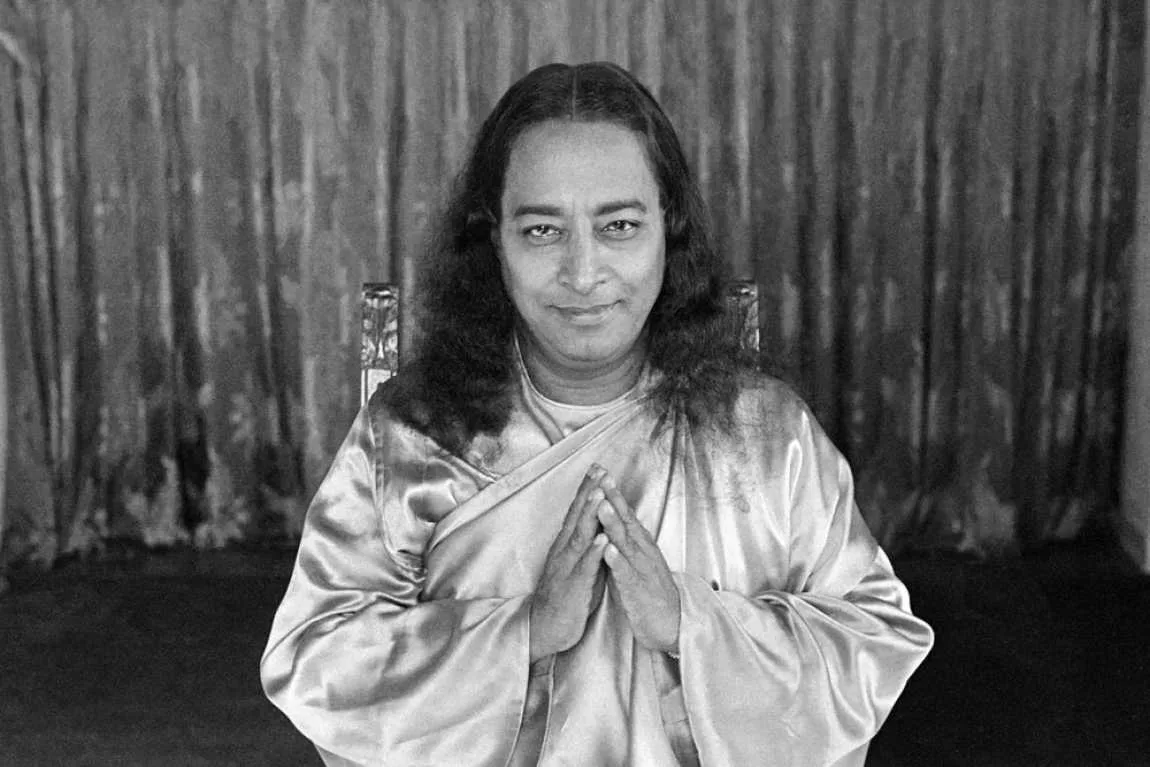
Born Mukunda Lal Ghosh on January 5, 1893, in Gorakhpur, Uttar Pradesh, India, this revolutionary spiritual teacher would become one of the most influential figures in bringing authentic yoga to the Western world. His life, which concluded on March 7, 1952, in Los Angeles, was dedicated to demonstrating the scientific foundations of ancient spiritual practices.
The Science of Self-Realization
Trained under the accomplished master Swami Sri Yukteswar Giri, Paramahansa Yogananda was initiated into the sacred Kriya Yoga lineage, which he would spend his life sharing with sincere seekers worldwide. He introduced and taught Kriya Yoga as a supremely powerful method for spiritual awakening and direct self-realization.
His teachings emphasize the fundamental unity of all religions, the importance of regular meditation practice, and the possibility of direct personal experience of God. He founded both the Self-Realization Fellowship (SRF) and the Yogoda Satsanga Society of India to ensure the continuation and global spread of his authentic teachings.
Pioneer European Visits
Paramahansa Yogananda first visited Europe during the 1930s, conducting inspiring lecture tours throughout England and other parts of Western Europe. These pioneering visits introduced European audiences to authentic Kriya Yoga and his scientific approach to spirituality.
His seminal autobiography, "Autobiography of a Yogi," first published in 1946, achieved international acclaim and was subsequently translated into multiple European languages. This influential book continues making his teachings accessible to new generations of European spiritual seekers.
Established European Centers
The Self-Realization Fellowship (SRF) successfully established official meditation groups and dedicated centers throughout several European countries, including significant presences in the UK, Germany, France, and Spain. These centers provide ongoing instruction in his meditation techniques and philosophical teachings.
Ananda Sangha Europe, founded by his accomplished disciple Swami Kriyananda, also maintains multiple active centers throughout Europe. These communities offer additional approaches to living and practicing his teachings while maintaining the essential elements of his spiritual guidance.
Influential Literature and Programs
"Autobiography of a Yogi" remains the most popular and widely translated spiritual book throughout Europe, continuing to inspire countless seekers decades after its original publication. Other translated works, including "God Talks With Arjuna," provide comprehensive access to his spiritual philosophy and practical guidance.
SRF and affiliated organizations regularly organize comprehensive retreats, practical meditation workshops, and inspiring satsangs throughout Europe. These events consistently attract hundreds of participants who seek authentic instruction in his meditation methods and philosophical understanding.
Dedicated European Communities
European followers and dedicated teachers within both the SRF and Ananda Sangha networks actively teach and interpret Yogananda's philosophy throughout European spiritual communities. Their efforts ensure that his authentic teachings continue reaching sincere seekers across cultural and linguistic boundaries.
Currently, several thousand active practitioners engage regularly with his teachings across Europe through established centers, intensive retreats, and ongoing study programs. This substantial following demonstrates the continuing relevance and appeal of his scientific approach to spirituality.
European seekers consistently report profound inner peace, authentic spiritual awakening, and lasting improvements in mental and emotional well-being through dedicated practice of his meditation techniques and philosophical study. Many describe fundamental life transformations that extend into all aspects of their personal and professional lives.
Mata Amritanandamayi "Amma"
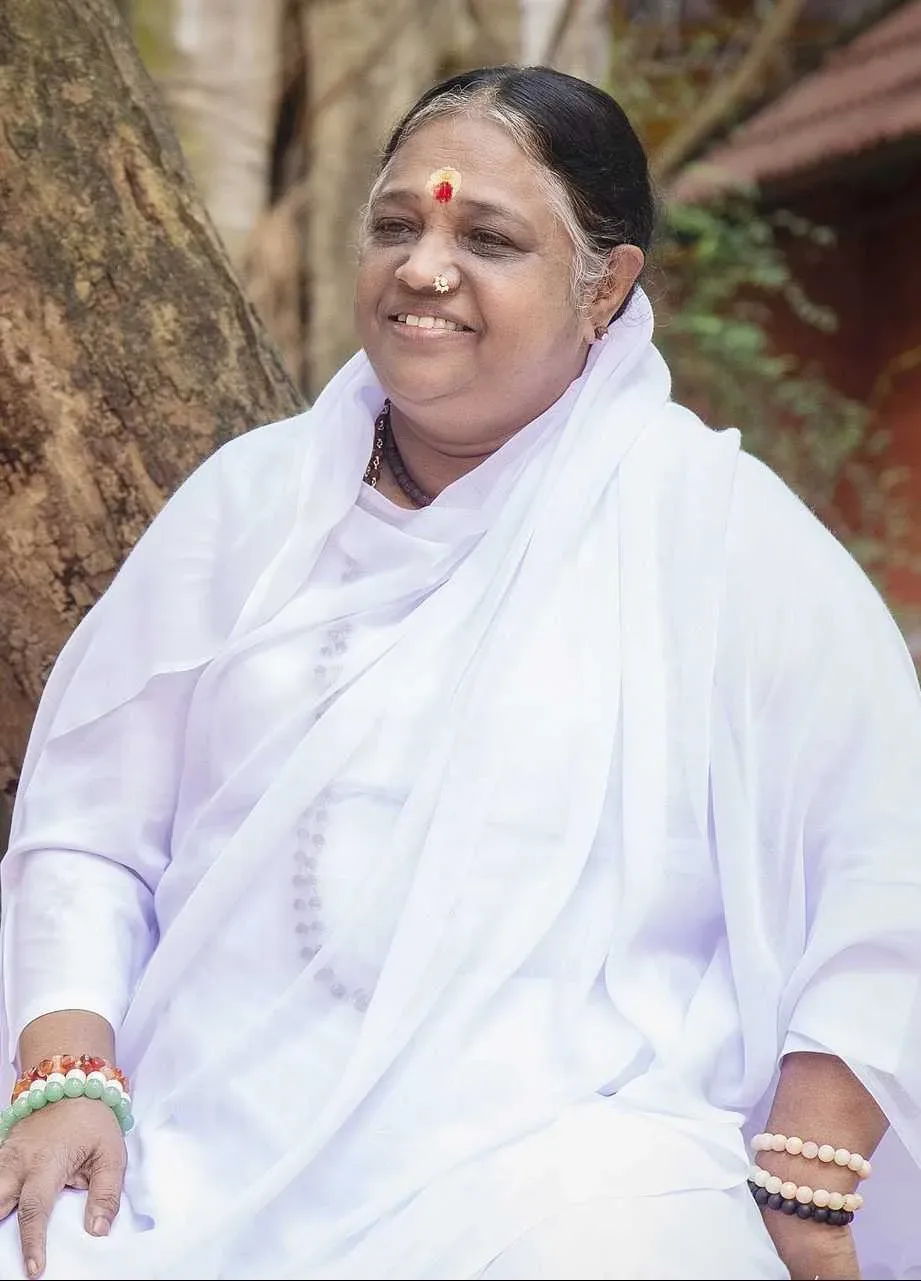
Born in the humble fishing village of Parayakadavu, Kerala, on September 27, 1953, Sudhamani Idamannel would grow up to become one of the most beloved spiritual figures in Europe. Known simply as "Amma" or the "Hugging Saint," her early life was marked by an extraordinary compassion that would eventually reach millions worldwide.
The Heart of Her Teachings
Amma's spiritual message flows from the wellspring of Hindu spirituality, weaving together the three classical paths: karma (selfless action), jñana (knowledge), and bhakti (devotion). Her teachings resonate with a simple yet profound truth that transcends religious boundaries. She speaks of universal love, compassion, forgiveness, and the importance of selfless service, known as seva. Through her guidance, seekers learn to recognize the eternal blissful consciousness that dwells within every human heart.
What makes Amma's approach particularly appealing to European audiences is her emphasis on spiritual awakening that moves beyond sectarian divisions. She promotes interfaith harmony while encouraging each person to discover their own direct connection with the divine.
Building Bridges Across Europe
Amma's connection with European seekers began through her transformative tours across Western Europe. Countries like Spain, France, Germany, and the UK have welcomed her with open arms, hosting public darshans that often feature her signature embraces. These gatherings become sanctuaries of healing where thousands experience her unconditional love firsthand.
Her teachings have been carefully translated into English, French, German, and Spanish, making her wisdom accessible to diverse European communities. These translations capture not just her words but the essence of her compassionate message, allowing seekers to engage deeply with her meditation courses, talks, and extensive publications.
Centers of Light Across the Continent
The fruits of Amma's work can be seen in the numerous centers and satsang groups that have flourished across Europe. In Germany, Spain, France, and the UK, these centers serve as spiritual homes where regular meditation meetups, retreats, and charitable activities take place. Volunteer communities have emerged naturally around these centers, extending Amma's message of service into practical outreach projects that benefit local communities.
Her flagship books, focusing on love, compassion, and self-realization, have found their way into the libraries of countless European spiritual seekers. Audio and video recordings of her darshans and lectures are widely available with subtitles in European languages, distributed by dedicated European publishers and spiritual organizations.
Transforming Lives Through Sacred Gatherings
The scale of Amma's European events is truly remarkable. Large-scale gatherings, including public hugging programs and spiritual festivals, have graced major European cities like Barcelona and Berlin. These events go beyond simple spiritual talks, fostering deep community bonding, inspiring service projects, and catalyzing personal transformation on a profound level.
European followers consistently share testimonials of deep emotional healing, spiritual awakening, and enhanced compassion that they attribute to Amma's embrace and guidance. Many report strengthened inner peace, a greater capacity for forgiveness, and renewed motivation to serve others selflessly.
Anandamayi Ma
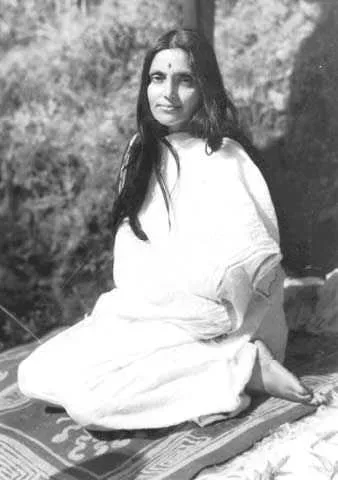
Nirmala Sundari Devi entered this world on April 30, 1896, in Kheora village, in what is now Bangladesh. Born into a pious but modest Bengali Brahmin family, she would become known as Anandamayi Ma, meaning "Bliss-permeated Mother." Her life, which concluded on August 27, 1982, was a testament to the highest spiritual realization possible for human beings.
A Teaching Beyond Words
Anandamayi Ma's spiritual guidance centered on self-realization and inner spiritual awakening through detachment, surrender, and universal love. Her teachings embodied the unity of all religious paths while emphasizing the crucial importance of living fully in the present moment with deep compassion for all beings.
Her spiritual lineage beautifully integrated Advaita Vedanta principles with devotional practices, creating a flexible approach that honored different temperaments and spiritual inclinations. She advocated meditation, prayer, and selfless service as various pathways leading to the same destination: direct realization of God.
Reaching European Hearts Through Disciples
While Anandamayi Ma did not personally undertake extensive European tours, her profound influence reached European seekers through other channels. Her dedicated disciples, translated writings, and international spiritual communities became the vehicles through which her wisdom traveled westward.
Early exposure in Europe came through carefully translated books and heartfelt accounts by devotees and spiritual scholars. Her dialogues and life stories, rendered into European languages, began attracting seekers who were drawn to her unique blend of profound realization and motherly compassion.
Growing Communities of Practice
Although no ashrams were directly established by Anandamayi Ma in Europe, spiritual communities inspired by her teachings have taken root across the continent. In France and Germany, informal but dedicated groups hold regular study sessions based on her philosophy, creating intimate circles where her wisdom is explored and lived.
Several comprehensive biographies and anthologies of her talks have been translated into European languages. Notable works include "Vida y Enseñanzas de Sri Ma Anandamayi" in Spanish and "The Gospel of Sri Anandamayi Ma" in English. These translations preserve the essence of her teaching style, which emphasized blissful awareness, devotion, and transcendence of ordinary consciousness.
Commemorating a Living Legacy
While Anandamayi Ma did not personally conduct European events, her followers organize meaningful commemorative satsangs, pujas, and retreats throughout Europe. These gatherings include meditation sessions, devotional singing, and talks inspired by her teachings, cultivating both spiritual deepening and strong community bonds among participants.
European practitioners who engage with her teachings through small to medium-sized satsang groups, meditation circles, and reading communities report profound inner peace, spiritual awakening, and emotional healing. Her online presence continues to grow, with content available in Spanish, French, German, and English, reaching an expanding audience of European seekers.
Shrii Shrii Anandamurti (Prabhat Ranjan Sarkar)
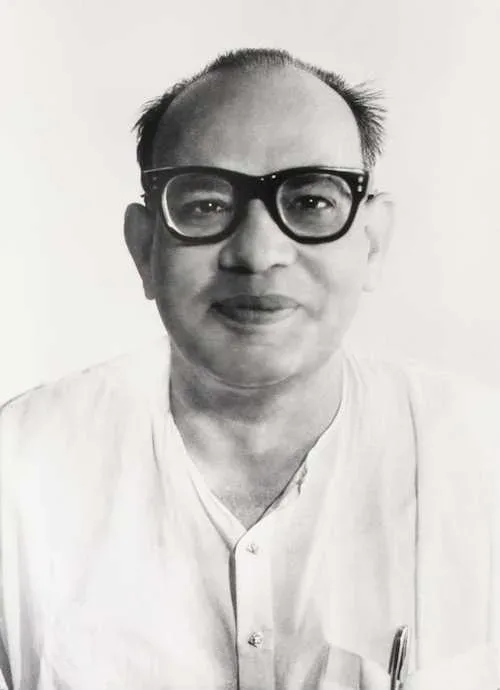
Born Prabhat Ranjan Sarkar on May 21, 1921, in Jamalpur, Bihar, this remarkable spiritual teacher became known to his disciples as Shrii Shrii Anandamurti, or simply "Baba." His life, which concluded on October 21, 1990, was dedicated to creating a comprehensive system of spiritual and social transformation that continues to influence seekers worldwide.
Revolutionary Teachings for Modern Times
Regarded by his followers as a born Guru, Anandamurti founded Ananda Marga, meaning "Path of Bliss," in 1955. His teachings represent a unique synthesis of Vedic and Tantric philosophies, emphasizing yoga, meditation, and what he called neo-humanism. This wasn't merely another spiritual path but a complete system addressing both individual liberation and societal transformation.
His innovative concepts included the Law of Social Cycle and Progressive Utilization Theory (PROUT), a comprehensive socio-economic-political framework designed to promote human welfare and sustainable development. Additionally, he introduced Microvita theory, offering insights into subtle forces that govern existence. His teachings consistently advocated universal human values while opposing all forms of exploitation.
Establishing European Foundations
Anandamurti's teachings reached Europe primarily through carefully translated books and the dedicated efforts of disciples who traveled internationally to share his philosophy. European seminars and workshops led by his trained followers introduced his comprehensive approach to spirituality across various European countries.
His extensive works were published in English, French, German, Spanish, and other European languages, making his profound insights accessible to diverse audiences. The establishment of the Global Basic Training Center (GBTC) in Ydrefors, Sweden, under his direct guidance, created a significant training hub for European teachers and practitioners.
Centers of Learning and Practice
Today, active Ananda Marga centers and satsang groups operate throughout Sweden, Germany, Portugal, and other European countries. These centers offer comprehensive programs including spiritual retreats, yoga instruction, meditation training, and community service projects. Ananda Kalyani in Portugal stands as a beautiful embodiment of his vision for holistic, sustainable living.
His extensive literary output includes philosophical masterworks like "Ananda Vacanamrtam" (Blissful Discourses) and comprehensive treatises on social and spiritual science. Collections such as "Divine Love: European Experiences with Shrii Shrii Anandamurti" provide intimate insights into his transformative impact on European seekers.
Visit Babaji's Birthplace, Vallalar's Sites, and the Nataraja Temple at Chidambaram in Person — The Living Masters South East Coast route takes small groups from Bangalore through the sacred heartland of Tamil Nadu to Chennai in eight days — Mahavatar Babaji’s birthplace at Parangipettai, all three Vallalar sites, the Nataraja temple at Chidambaram where CERN physicists installed a statue, Ramana Maharshi’s Arunachala, and the Kanchi Kamakoti lineage. Designed specifically for international spiritual travelers.
Encounter Amma, Walk Narayana Guru’s Legacy, and Stand at Kanyakumari Where Vivekananda Meditated — The Living Masters Southern Tip route travels from Trivandrum through Kanyakumari, Swami Sivananda’s birthplace at Pattamadai, the sacred Tamirabarani River, Amritapuri Ashram, and Varkala over ten days. Kochi start and end also available. Designed specifically for international spiritual travelers.
Building Communities of Transformation
Ananda Marga-affiliated retreats, seminars, and satsang festivals occur regularly throughout Europe, creating opportunities for both spiritual growth and social consciousness development. These events attract participants from across the continent who are drawn to the integration of personal transformation and societal betterment.
European disciples include initiated teachers (acaryas) like Ac. Sujit Kumar, Ac. Dhrtibodhananda, and Ac. Dhruvananda, who have played crucial roles in spreading his comprehensive teachings. The European following, while numbering in the hundreds to a few thousand active practitioners, maintains a strong presence through social media platforms in various European languages.
European students consistently document profound spiritual, emotional, and intellectual growth through their engagement with his teachings. They describe increased inner peace and meaningful life transformation that extends into their contributions to society.
Jiddu Krishnamurti
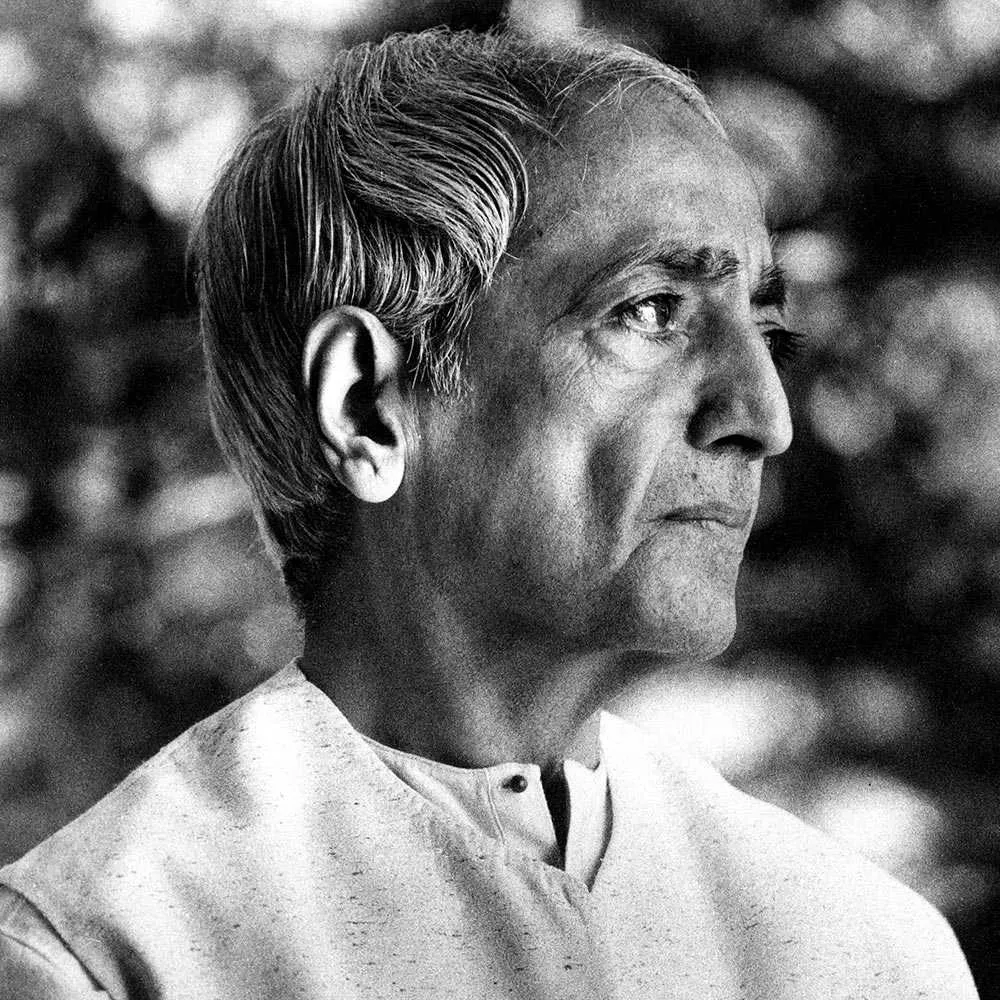
Born on May 11, 1895, in Madanapalle, Andhra Pradesh, Jiddu Krishnamurti embarked on a spiritual journey that would challenge conventional approaches to enlightenment. His life, which concluded on February 17, 1986, in Ojai, California, was dedicated to pointing others toward a freedom that couldn't be contained within any system or method.
Freedom Beyond All Systems
Initially groomed by the Theosophical Society as a potential "World Teacher," Krishnamurti eventually distanced himself from all organized spiritual movements. His core teachings emphasized total psychological freedom and self-awareness that operates completely independent of conditioning, dogma, or external authority.
He advocated what he called "choiceless awareness," a state of consciousness that observes without judgment or the compulsion to change what is observed. His approach to radical personal transformation focused on liberation through direct insight rather than following prescribed practices or teachings.
Engaging European Consciousness
Krishnamurti engaged European seekers through extensive worldwide tours that regularly included European countries from the mid-20th century onward. His lectures, dialogues, and writings were translated into multiple European languages, making his radical approach to freedom accessible to diverse audiences.
European intellectuals became familiar with his revolutionary perspective partly through the writings of prominent Western admirers like Aldous Huxley, who helped introduce his insights to broader philosophical circles. Rather than establishing formal ashrams, Krishnamurti's influence manifested through numerous independent study groups, satsangs, and discussion circles that naturally arose across Europe.
Creating Spaces for Inquiry
The Krishnamurti Foundation UK's Centre in Hampshire provides a dedicated space for retreats and reflective study, serving as a focal point for European seekers drawn to his approach. His seminal English works, including "The First and Last Freedom" and "Commentaries on Living," have been extensively translated into French, German, Spanish, and other European languages.
From the mid-20th century through the 1980s, Krishnamurti held annual summer talks in Saanen, Switzerland. These gatherings attracted thousands of European seekers and became legendary for their atmosphere of deep inquiry and contemplative dialogue. The events fostered both individual transformation and community connections among participants.
A Legacy of Inquiry
The Krishnamurti Foundation Trust in the UK, working alongside the Krishnamurti Foundation of America, coordinates ongoing activities and carefully preserves his extensive legacy. His European following, while modest in numbers, demonstrates exceptional dedication through growing networks of meditation groups and discussion forums.
Online communities and social media channels continue to distribute his talks in European languages, reaching thousands of contemporary seekers. Practitioners consistently report profound inner change, heightened awareness, emotional freedom, and enhanced clarity. They particularly value the power of silent inquiry and the quality of dialogue promoted in European retreats inspired by his approach.
Maharishi Mahesh Yogi
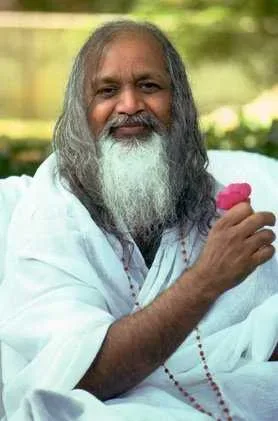
Born Mahesh Prasad Varma on January 12, 1917 or 1918, in Jabalpur, Madhya Pradesh, this remarkable teacher would become one of the most influential figures in bringing meditation to the Western world. After earning a physics degree, he became a devoted disciple of Swami Brahmananda Saraswati, who charged him with the mission of propagating meditation globally. His life concluded on February 5, 2008, in Vlodrop, Netherlands.
The Science of Inner Development
Maharishi founded the Transcendental Meditation (TM) technique, presenting it as a simple, natural method using personalized mantras to achieve mental calm and expanded consciousness. His approach emphasized stress reduction while claiming that regular TM practice could lead to a state of "restful alertness" and profound inner peace.
He introduced the concept of the "Maharishi Effect," proposing that collective meditation by even small groups could create measurable positive influences on society. Later, he incorporated broader Vedic knowledge into what he called Maharishi Vedic Science, offering a comprehensive understanding of consciousness and its practical applications.
Pioneering European Outreach
Maharishi began his worldwide teaching mission in 1959, with his first European visits occurring in the early 1960s. He traveled extensively throughout the UK, France, Switzerland, Germany, Sweden, Netherlands, and Italy, personally introducing TM to European audiences.
A pivotal moment came in 1961 when he delivered a lecture at Royal Albert Hall in London to approximately 5,000 people. That same year, he trained Henry Nyburg as the first European TM teacher and founded The School of Meditation in London. His foundational books, "The Science of Being and Art of Living" (1963) and "Meditations of Maharishi Mahesh Yogi" (1968), were translated into multiple European languages, significantly enhancing his recognition across the continent.
Institutional Development
Maharishi's commitment to European spiritual education led to the founding of Maharishi European Research University (MERU) in Switzerland. This institution offered comprehensive courses and research programs, establishing TM's credibility within academic circles. Today, numerous TM centers operate throughout Europe, continuing his mission of making meditation accessible to all.
The 1961 World Congress at Royal Albert Hall marked a landmark moment for TM's European presence. Regular retreats and teacher training sessions across Europe continue to train hundreds of instructors annually, solidifying TM's position as a mainstream meditation practice throughout the continent.
Lasting Impact and Community
Henry Nyburg's foundational role in spreading TM throughout Europe created a strong foundation that continues today. Currently, thousands of active TM practitioners across Europe participate in regular practice and attend annual retreats, with hundreds to thousands joining retreats yearly.
European students consistently report significant benefits including reduced stress, improved mental clarity, and a greater sense of peace and well-being. They attribute positive personal and social changes to their TM practice, validating Maharishi's claims about the technique's effectiveness.
Neem Karoli Baba
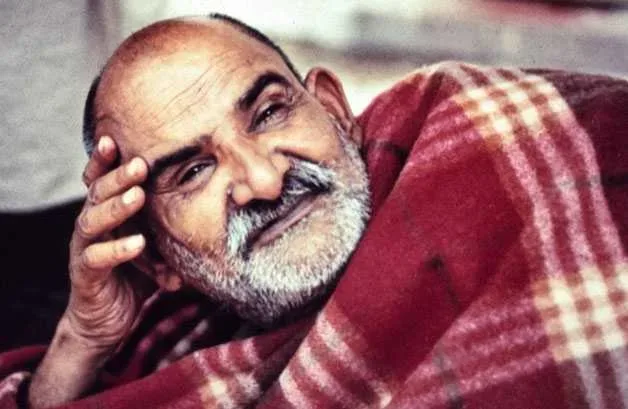
Born Lakshman Narayan Sharma around 1900 in Akbarpur, Uttar Pradesh, this extraordinary saint would become known simply as Neem Karoli Baba. His life, which concluded on September 11, 1973, in Vrindavan, was marked by profound renunciation, unconditional love, and an ability to transform hearts through his mere presence.
The Gospel of Universal Love
Neem Karoli Baba's teachings centered on unconditional love, devotion, and selfless service (seva) as the most direct paths to spiritual realization. He embodied the simple yet profound mantra: "Love Everyone, Serve Everyone, Feed Everyone, Remember God." His approach emphasized seeing the divine presence in every being, devotion to Hanuman, regular chanting, cultivating humility, and expressing boundless compassion.
Rather than offering formal discourses, his teaching method relied primarily on personal example and the transformative power of his spiritual presence. Devotees often reported life-changing experiences simply from being in his company, even without extensive verbal instruction.
Reaching Europe Through Devoted Disciples
Although Neem Karoli Baba never personally toured Europe or conducted lectures there, his influence reached European spiritual seekers through Western disciples who had encountered him in India. Notable figures like Ram Dass and Krishna Das became instrumental in bringing his teachings and miraculous stories to European audiences.
Translations of books about and inspired by him, particularly Ram Dass's revolutionary work "Be Here Now," became widely read throughout Europe. Initially published in English, it was later translated into French and German, introducing countless European seekers to his teachings on presence, love, and spiritual awakening.
European Spiritual Centers
The Ashram Brindavon, established near Ulm in southern Germany in 1998, serves as a major European spiritual center dedicated to preserving and sharing his teachings. A companion ashram, inaugurated nearby in 2021, expanded the community's capacity to serve European devotees. These centers regularly host satsangs, kirtans (devotional singing), and meditation sessions that capture the essence of his loving presence.
"Be Here Now" remains a seminal work widely studied throughout Europe, available in multiple European languages. Other significant collections include "Miracle of Love" and "Barefoot in the Heart," which share stories and teachings that continue to inspire European seekers decades after his physical departure.
Communities of Devotion
Ashram Brindavon organizes regular retreats and spiritual festivals featuring traditional practices like chanting the Hanuman Chalisa and devotional singing. These gatherings create powerful experiences of community and spiritual connection that reflect his emphasis on love and service.
Spiritual teachers like Durgamayi Ma, founder of Ashram Brindavon, represent Western disciples who successfully transplanted his living legacy to European soil. Through their dedicated efforts, his teachings continue to flourish in European hearts and communities.
His European following, while modest in numbers, demonstrates exceptional commitment and devotion. The community centers around key ashrams in Germany and scattered satsang groups throughout Europe. European devotees consistently report transformative experiences including deep inner peace, miraculous healings, and profound spiritual awakenings that they attribute to his divine grace.
Osho (Shree Rajneesh)
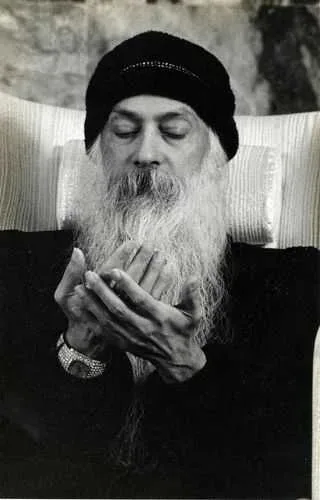
Born Chandra Mohan Jain on December 11, 1931, in Kuchwada, India, this controversial yet profoundly influential teacher challenged conventional approaches to spirituality until his death on January 19, 1990, in Pune, India. Known simply as Osho, he created a unique synthesis of Eastern wisdom and Western psychology that continues to influence spiritual seekers worldwide.
Integration and Celebration
Osho's teachings represented a masterful synthesis of diverse spiritual traditions including Yoga, Zen, Taoism, Tantra, Sufism, and Buddhism. His revolutionary approach emphasized meditation, self-awareness, celebration, and living fully in the present moment as pathways to enlightenment.
He advocated what he called an "art of living" that fearlessly integrated education, humor, individuality, and the reconciliation of sexuality and spirituality. His dynamic meditation techniques and other active meditation methods were specifically designed to help modern people release psychological tensions before entering traditional silent meditation.
Building European Communities
Osho gained European followers from the 1970s onward through his disciples, published lectures, and periodic world tours. His talks and teachings were carefully translated into major European languages, inspiring the development of numerous meditation centers and festivals across the continent.
Today, numerous Osho Meditation Centers operate throughout Germany, the Netherlands, Spain, and other European countries. While the Osho International Meditation Resort in Pune serves a worldwide audience including many Europeans, the European centers provide local access to his meditation techniques and community support.
A Literary and Festival Legacy
Over 600 books based on his extensive discourses have been published, with many translated into European languages. Notable works include "The Book of Secrets" and "The Art of Living," which continue to inspire new generations of European seekers. His audio and video lectures remain widely available with subtitles or direct translations in European languages.
The annual Osho Festival in Southern Europe represents a major gathering featuring workshops, active meditations, music, and community celebration. This multi-day event attracts thousands of participants who come to experience his unique blend of meditation, celebration, and personal transformation.
Transformative Communities
Many European disciples have taken on leadership roles, establishing and maintaining local meditation centers and satsang groups throughout the continent. These communities provide ongoing support for practitioners while preserving the essential elements of his teaching approach.
Currently, thousands of active meditators and followers participate in European retreats and maintain vibrant online communities. European practitioners consistently report transformative experiences including increased inner peace, emotional healing, and heightened awareness. They particularly value his active meditation techniques and his revolutionary emphasis on celebration and personal freedom as valid spiritual paths.
H.W.L. "Papaji" Poonja
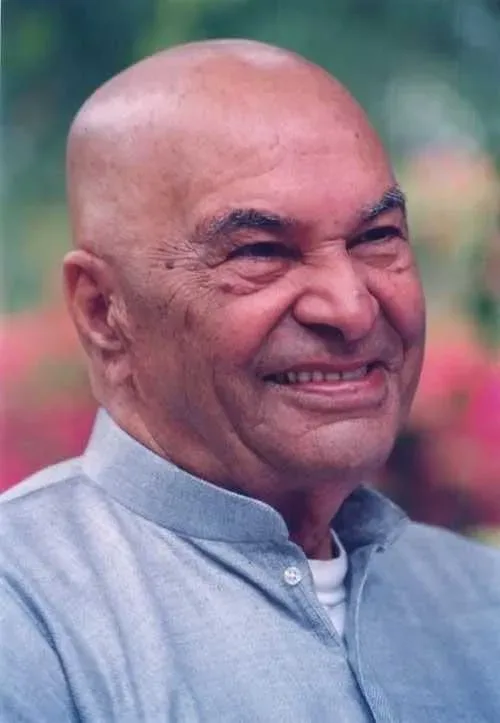
Born Hariwansh Lal Poonja on October 13, 1910, in Gujranwala, British India, this remarkable teacher would become known affectionately as "Papaji" to thousands of devoted students. The nephew of Swami Rama Tirtha, his life concluded on September 6, 1997, in Lucknow, India, leaving behind a powerful legacy of direct pointing to our true nature.
The Pathless Path
Papaji's teaching emphasized the non-dual truth of Advaita Vedanta, focusing on direct self-realization through the practice of self-enquiry. His revolutionary approach stressed that the Self is already enlightened and that genuine realization can occur instantaneously when the mind stops its endless seeking and simply recognizes its true nature.
He advocated minimal reliance on formal spiritual practices, instead focusing on the spontaneous recognition of one's inherent enlightenment. His famous phrase, "Do it once and do it properly," challenged students to abandon their spiritual seeking and directly recognize their true identity beyond the thinking mind.
European Awakening Tours
Beginning in the late 1960s and continuing through the 1970s, Papaji traveled extensively throughout Europe, conducting powerful satsangs and intensive retreats. He maintained extended stays in Germany, Switzerland, Portugal, Spain, France, and Italy, deepening his interaction with European seekers who were drawn to his direct, no-nonsense approach to awakening.
His teachings reached European audiences both through his personal presence and through Western disciples who had realized their true nature under his guidance. These awakened students continued sharing his pointing-out instructions throughout European spiritual communities.
Centers of Direct Transmission
Papaji inspired the formation of several satsang groups and meditation centers across Europe that continue his work of direct transmission. The Avadhuta Foundation, established in 1993, plays a crucial role in preserving and disseminating his teachings globally, including throughout Europe.
The Sri Papaji Center in Barcelona, Spain, founded by his accomplished disciple Neeraja, offers regular satsangs, meditation courses, and intensive retreats conducted in Spanish. This center serves as a focal point for Spanish-speaking seekers drawn to his direct path of self-realization.
Literature of Liberation
Popular collections of his teachings, including "The Truth Is" and "Wake Up and Roar," are widely available with editions and translations in German and other European languages. Many of his powerful satsangs and dialogues have been recorded and subtitled in French, German, and Spanish, preserving his direct transmission for future generations.
Papaji's numerous European retreats, especially during the transformative 1970s, significantly influenced the Western non-duality movement and what later became known as Neo-Advaita. European retreats inspired by his approach typically focus on direct self-inquiry, the power of silence, and spontaneous recognition of presence.
Living Legacy
Accomplished disciples like Neeraja in Spain continue to play crucial roles in maintaining the living transmission of his teachings throughout Europe. The European following, while modest in numbers, demonstrates exceptional dedication through regular satsangs, intensive retreats, and active online communities.
European students consistently report profound instantaneous realizations, lasting inner peace, and complete liberation from egoic suffering through engagement with Papaji's direct guidance. His pointing continues to awaken European hearts to their true nature decades after his physical departure.
Bhaktivedanta Swami Prabhupada
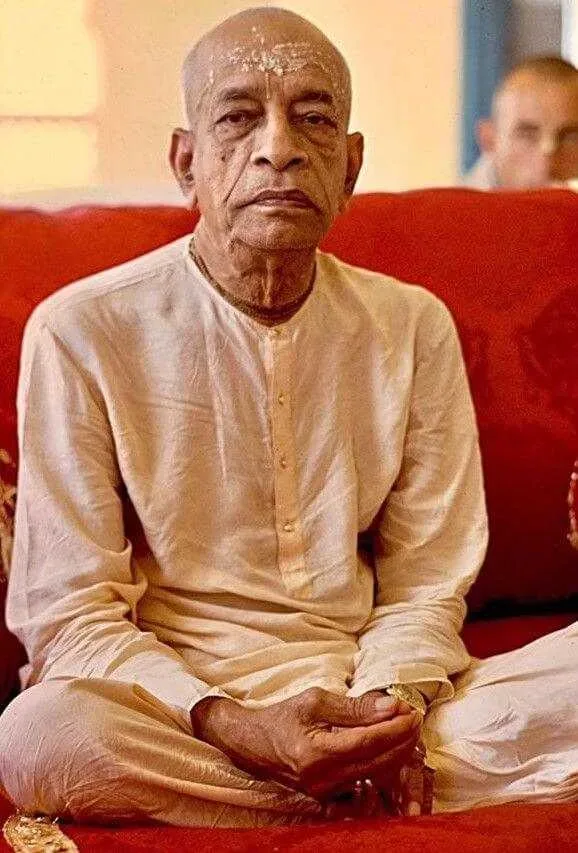
Born Abhay Charanaravinda Bhaktivedanta Swami Prabhupada on September 1, 1896, in Calcutta, India, this dedicated devotee would fulfill his guru's instruction to bring Krishna consciousness to the Western world. His mission, which concluded with his passing on November 14, 1977, in Vrindavan, India, established one of the most visible and influential spiritual movements in European history.
The Path of Divine Love
Prabhupada's teachings focus on Gaudiya Vaishnavism, a tradition that emphasizes bhakti-yoga, or devotional service to Lord Krishna, as the most effective spiritual practice for the modern age. Central practices include chanting the Hare Krishna maha-mantra, maintaining a vegetarian lifestyle, and studying sacred texts like the Bhagavad-gita and Srimad-Bhagavatam.
His revolutionary approach made Krishna consciousness accessible to people of all backgrounds, transcending cultural and religious boundaries. He emphasized that spiritual realization comes not through complex philosophy alone but through simple, joyful practices that anyone can adopt regardless of their background or previous spiritual experience.
European Breakthrough
The establishment of the first ISKCON temple in London, England, during 1968-69 marked a pivotal moment in European spiritual history. Prabhupada's followers gained widespread attention through public chanting and their association with popular musicians, most notably The Beatles, especially George Harrison, who became instrumental in popularizing the movement throughout Europe.
Devotional music recordings, particularly the hit single "Hare Krishna," achieved remarkable success in the UK and across Europe, introducing millions to the sacred sounds of bhakti-yoga. Prabhupada's personal visits to Europe included leading ecstatic kirtans (devotional singing) and inaugurating temples that became permanent centers for spiritual practice.
Establishing Sacred Communities
Today, over 135 ISKCON temples and cultural centers flourish throughout Europe, including remarkable rural communities like Nueva Vrajamandala in Spain and La Nouvelle Mayapura in France. These communities demonstrate practical applications of Krishna conscious living while serving the broader European spiritual community.
Bhaktivedanta Manor in England, generously donated by George Harrison, stands as a major European hub for Krishna consciousness. The prestigious Radhadesh Temple in Belgium houses Bhaktivedanta College, which offers comprehensive education in Vaishnava theology and philosophy, attracting students from across Europe and beyond.
Transformative Literature and Festivals
Prabhupada's translation and commentary on the Bhagavad-gita, titled "Bhagavad-gita As It Is," serves as a foundational text that has been translated into numerous European languages. His extensive literary output continues to inspire and educate European seekers about the profound wisdom of bhakti-yoga.
Public kirtans, colorful festivals, and large-scale retreats regularly draw thousands of devoted participants to European cities. The annual Radhadesh Mellows, a joyful kirtan retreat held in Belgium, exemplifies the community spirit and spiritual celebration that characterizes European Krishna consciousness.
Growing Communities of Devotion
Currently, thousands of active devotees participate in ISKCON centers, festivals, and retreats across Europe. The movement attracts people from all walks of life who are drawn to its combination of philosophical depth, practical spirituality, and joyful community life.
Many European devotees report profound personal transformation through devotional chanting, scriptural study, and communal worship. They consistently highlight enhanced spiritual awareness, emotional healing, and a deep sense of purpose that comes from dedicated devotional service.
Paramahamsa Ramakrishna
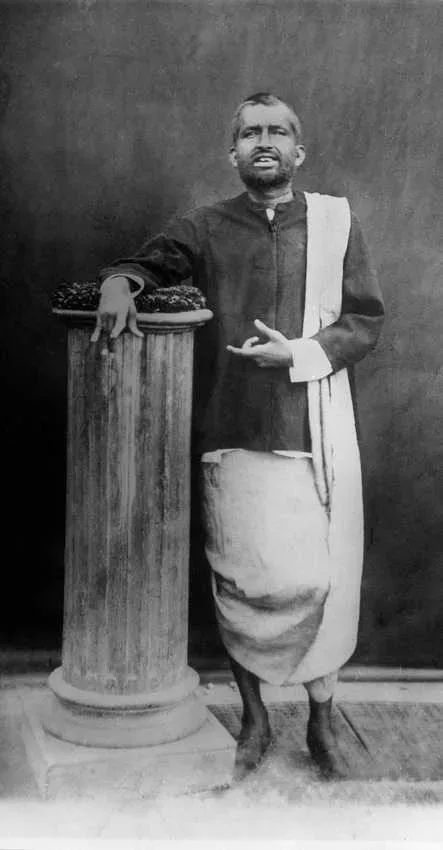
Born Gadadhar Chattopadhyay on February 18, 1836, in Kamarpukur, Bengal Presidency, British India, this extraordinary mystic would become known as Paramahamsa Ramakrishna. His life, which concluded on August 16, 1886, in Calcutta, demonstrated the profound truth that underlies all religious traditions, making him a beloved figure among European spiritual seekers.
The Unity of All Paths
Ramakrishna's revolutionary teaching emphasized universal spirituality, declaring through direct experience that all genuine religious paths lead to the same ultimate truth. His approach combined tantric practices with profound devotional love, advocating the direct perception of God in all beings and situations.
Known for his practical experiments with different religious traditions, including Christianity and Islam, he demonstrated through his own realization that divine truth transcends sectarian boundaries. His teachings promote love, tolerance, and deep reverence for all authentic spiritual paths, making his message particularly relevant for Europe's diverse spiritual landscape.
European Discovery Through Vivekananda
While Ramakrishna himself never traveled to Europe, his profound influence reached European seekers primarily through his chief disciple, Swami Vivekananda, who became his most effective ambassador to the Western world. European scholars and spiritual seekers were deeply moved by his mystical depth and universal message.
Early accounts of Ramakrishna's life and teachings began appearing in European languages from the late 19th century onward, attracting the attention of intellectuals and spiritual seekers who were searching for authentic mystical experience beyond conventional religious forms.
Living Centers of Universal Wisdom
The Ramakrishna Mission, founded by Swami Vivekananda, maintains active centers and monastic institutions throughout Europe. The Ramakrishna Vedanta Centre in Gretz, France, serves as a major European hub, along with established centers in the UK and other countries. These centers offer regular spiritual retreats, classes in Vedanta philosophy, and opportunities for spiritual communion.
The foundational text "The Gospel of Sri Ramakrishna" remains widely read throughout Europe, providing intimate access to his teachings through recorded conversations with devotees. Numerous biographies and collections of his teachings continue to be published in European languages, making his universal wisdom increasingly accessible.
Celebrations of Unity
The Ramakrishna Vedanta Centre in Gretz, France, hosts the annual European Vedanta Summit along with other significant interfaith gatherings. These events celebrate the universal principles that Ramakrishna embodied while fostering dialogue between different spiritual traditions.
Currently, thousands of spiritual seekers throughout Europe engage with Ramakrishna's teachings through the Ramakrishna Mission's centers, retreats, and study groups. His influence extends beyond formal organizational boundaries, inspiring individuals from various backgrounds who are drawn to his message of universal spirituality.
European students and devotees consistently report profound spiritual awakenings, increased compassion, and a significantly broadened understanding of universal spirituality through engagement with his teachings. His message of religious unity continues to resonate deeply with European spiritual seekers who are searching for authentic spiritual experience.
Ramana Maharshi
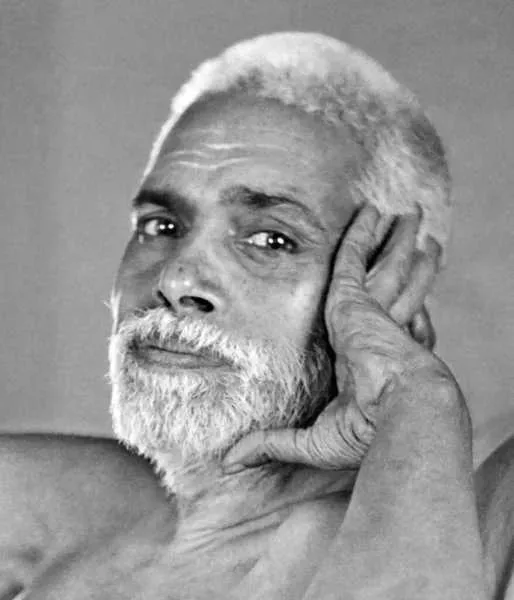
Born Venkataraman Iyer on December 30, 1879, in Tiruchuzhi, Tamil Nadu, this quiet sage would become one of the most revered teachers of non-dual wisdom. His life, which concluded on April 14, 1950, in Tiruvannamalai, India, was dedicated to pointing others toward the direct recognition of their true Self through the practice of self-inquiry.
The Direct Path Home
Ramana Maharshi's teaching centered on Advaita Vedanta (non-dualism), focusing specifically on the direct realization of the Self (Atma) that lies beyond all mental concepts and identifications. His primary method, known as self-enquiry (atma-vichara), involves persistently asking the fundamental question "Who am I?" to transcend ego-identification and realize pure awareness.
While he emphasized self-inquiry as the most direct path, he also endorsed Bhakti (devotion) as a complementary approach for those whose hearts were naturally drawn to love and surrender. His teaching was remarkable for its simplicity and directness, cutting through complex philosophy to point directly at the truth of our being.
Reaching Europe Through Literature
Although Ramana Maharshi did not travel extensively to Europe, his teachings reached European audiences through early Western visitors to his ashram in India and through carefully prepared translations of his core teachings. Authors like Paul Brunton played a crucial role in popularizing his philosophy in the West through influential books like "A Search in Secret India."
Translations of his essential teachings into English, French, and German began appearing in the mid-20th century, making his profound wisdom increasingly accessible to European seekers. His simple yet profound approach to self-realization resonated strongly with Europeans who were seeking direct spiritual experience beyond complicated practices.
European Communities of Inquiry
While Ramana Maharshi did not establish direct ashrams in Europe, several European Vedanta groups and satsangs inspired by his teachings operate actively in the UK, France, Germany, and Switzerland. The Vedanta societies in major cities like Paris and Geneva regularly host readings and meditation sessions based on his approach to self-inquiry.
His seminal English works, including "Who Am I?" and "Talks with Sri Ramana Maharshi," have been widely translated into European languages, making his direct pointing instructions available to diverse European audiences. These texts continue to serve as primary resources for European seekers drawn to the path of self-inquiry.
Living Tradition of Self-Inquiry
Regular satsang meetings, meditation retreats, and study workshops inspired by his teachings are held in major European cities including Paris, London, and Zurich. These gatherings focus on the practical application of self-inquiry and the direct recognition of pure awareness that lies beyond mental activity.
Paul Brunton served as a key early Western devotee and interpreter of Ramana's teachings for European audiences. Contemporary teachers like Martine Le Peutrec have become well-known for translating and teaching his philosophy throughout French-speaking Europe, ensuring his message continues to reach new generations of seekers.
The European following, while modest in numbers, demonstrates exceptional dedication through numerous active satsang groups and Vedanta study circles. European seekers consistently report profound spiritual growth, lasting inner peace, and the gradual dissolution of egoic suffering through persistent engagement with self-inquiry practice.
A Living Legacy of Transformation
The profound spiritual transformation of Europe through the wisdom and presence of these remarkable Indian masters represents one of the most significant cultural exchanges in human history. From Amma's embracing compassion that has touched millions of European hearts to Maharishi Mahesh Yogi's scientifically presented Transcendental Meditation, from the penetrating non-dual insights of Ramana Maharshi and Papaji to the comprehensive yoga approaches of Sri Aurobindo and Swami Sivananda, each master has contributed unique gifts to Europe's evolving spiritual landscape.
The devotional paths offered by Prabhupada and Anandamayi Ma have opened European hearts to the transformative power of divine love, while teachers like Krishnamurti have challenged conventional approaches to spiritual seeking. Contemporary masters such as Sri Sri Ravi Shankar continue bridging ancient wisdom with modern needs, demonstrating the timeless relevance of authentic spiritual teaching.
Bridges of Understanding
What makes this spiritual flowering particularly remarkable is how these masters have successfully translated profound Eastern wisdom into forms that resonate with European cultural sensibilities without compromising the essential authenticity of their teachings. Through dedicated disciples, comprehensive translations, and active spiritual centers, their legacies continue thriving throughout Europe's diverse cultural landscape.
The establishment of retreat centers, study groups, and spiritual communities across the continent has created lasting infrastructure for ongoing spiritual development. From the ashrams of Germany to the Vedanta centers of France, from the ISKCON temples of England to the meditation centers of Spain, these physical spaces serve as focal points for continuing spiritual exploration and community building.
Digital Age Expansion
In our contemporary digital age, their influence has expanded even further through online communities, social media platforms, and streaming spiritual content available in multiple European languages. YouTube channels, podcasts, and virtual satsangs ensure that their teachings remain accessible to new generations of European seekers who might never have encountered these wisdom traditions otherwise.
This digital expansion has created virtual communities that transcend national boundaries, allowing European practitioners to connect with fellow seekers across the continent while maintaining connection with the broader global spiritual movements inspired by these masters.
Transformative Impact on Daily Life
The testimonies shared by countless European practitioners reveal consistent themes of profound personal transformation. Whether through Amma's healing embraces, the breathing techniques of Sri Sri Ravi Shankar, the self-inquiry methods of Ramana Maharshi, or the devotional practices taught by various masters, Europeans consistently report enhanced inner peace, emotional healing, and a deeper sense of life purpose.
These transformations extend beyond individual benefit to positively impact families, communities, and professional environments throughout Europe. The emphasis on service (seva) taught by many of these masters has inspired countless Europeans to engage in meaningful charitable work and social service, creating ripple effects of positive change throughout European society.
Continuing Evolution
The enduring influence of these spiritual luminaries demonstrates something profound about the universal human quest for meaning, peace, and self-realization. Their teachings continue to evolve and adapt to contemporary European needs while maintaining their essential authenticity and transformative power.
As Europe faces modern challenges including social fragmentation, environmental concerns, and the search for authentic meaning in an increasingly materialistic world, the wisdom offered by these masters provides practical tools and profound perspectives that remain remarkably relevant.
An Invitation to Exploration
Whether drawn to the devotional path of bhakti, the knowledge approach of jnana, the service orientation of karma yoga, or the meditation practices of raja yoga, sincere seekers can find qualified teachers, supportive communities, and comprehensive resources throughout Europe.
The legacy of these remarkable masters serves as both inspiration and invitation. Their lives demonstrate that genuine spiritual realization is possible for dedicated seekers regardless of cultural background, while their continuing European presence ensures that authentic guidance remains available for those ready to embark on the transformative journey toward inner peace and self-realization.
In celebrating these spiritual giants, we honor not only their individual contributions but also the broader truth they represent: that wisdom, compassion, and the quest for ultimate truth transcend all geographical, cultural, and temporal boundaries. Their light continues illuminating European hearts, offering hope, healing, and the promise of genuine transformation for all who approach their teachings with sincerity and dedication.
The journey they began continues through every European seeker who embraces their wisdom, practices their methods, and embodies their message of universal love and spiritual awakening. In this way, their legacy remains not merely historical but vibrantly alive, continuing to awaken European consciousness to its highest potential and deepest truth.