About this article
Introduction
When it comes to finding peace and inner calm, more and more people are turning to spiritual retreats as a way to step away from the hustle and bustle of daily life. Among the plethora of choices around the world, India and Bali stand out as top destinations for those seeking both spiritual growth and relaxation. Each offers a unique blend of meditation, yoga, and wellness programs deeply rooted in their rich cultures and traditions. In this blog, we delve into the nuances that distinguish spiritual retreats in India from those in Bali, exploring their meditation practices, yoga teachings, and overall wellness approaches. Whether you are a seasoned spiritual seeker or just starting to explore these practices, understanding what each location has to offer can help you decide where your next rejuvenating retreat should be.
Overview of Spiritual Retreats
What are spiritual retreats?
Spiritual retreats are designated times away from one's normal life for the purpose of reconnecting, rejuvenating, and enhancing personal growth through various practices centered around spirituality. These retreats often take place in locations that naturally inspire peace and contemplation, such as remote, serene settings. Participants engage in a range of activities including meditation, yoga, silent contemplation, and workshops that focus on spiritual teachings. The primary aim is to step back from daily stress and foster a deeper connection with oneself and the universe.
Benefits of attending a spiritual retreat
Attending a spiritual retreat offers numerous benefits. For many, it provides a rare opportunity for deep self-reflection and meditation free from the distractions of everyday life. It can lead to significant personal transformation, promote emotional healing, and enhance overall mental health. Physical benefits can also be observed, such as reduced stress levels and improvement in overall physical well-being. Additionally, spiritual retreats can expand one's sense of community by connecting with like-minded individuals who are also on their own paths of spiritual growth.
Here are some key benefits:
- Enhanced self-awareness and introspection: Attendees often report a heightened state of self-awareness following a retreat.
- Stress relief: By stepping away from regular responsibilities, participants typically experience significant reductions in stress.
- Physical health benefits: Engaging in yoga and meditation can improve flexibility, cardiovascular health, and respiratory function.
- Spiritual upliftment: Many leave feeling spiritually renewed, carrying with them insights and energies that support their personal and spiritual objectives.
Spiritual Retreats in India
Popular locations for spiritual retreats in India
India is famous for its rich spiritual heritage and offers a diverse array of locations that are ideal for spiritual retreats. Rishikesh, often referred to as the ‘Yoga Capital of the World’, is nestled along the banks of the Ganges River and provides a lofty spiritual atmosphere that supports profound meditation and yoga practices. Another prime location is Varanasi, one of the world's oldest cities, where spirituality permeates every aspect of life. The peaceful ashrams of Dharamshala, set against the backdrop of the Himalayas, also attract those seeking spiritual growth. Additionally, the tranquil beauty of Kerala’s backwaters offers an ideal setting for those looking to meditate and rejuvenate in a serene environment.
Types of meditation practices in Indian spiritual retreats
Meditation is a cornerstone in most Indian spiritual retreats. Various forms of meditation are taught and practiced to help attendees explore their inner selves and achieve mental clarity and peace. Some of the common types of meditation found in Indian retreats include:
- Vipassana: One of the most ancient techniques of meditation, focusing on the deep interconnection between mind and body, which can be experienced directly by disciplined attention to physical sensations.
- Transcendental Meditation: A simple, natural technique this involves the use of a mantra and is practiced for 20 minutes twice per day while sitting comfortably with one's eyes closed.
- Chakra Meditation: This involves concentration and visualization techniques to open and balance the body’s seven chakras or energy centers.
- Yoga Nidra: Often referred to as "yogic sleep," this powerful meditation practice brings about profound relaxation and an exploratory journey through the subconscious mind.
These meditation practices offer pathways not only to spiritual discovery but also to enhancing emotional resilience and psychological maturity.
Yoga practices in Indian spiritual retreats
Yoga is another integral component of spiritual retreats in India, deeply rooted in the country’s ancient philosophies and practices. Retreats often offer a variety of yoga styles, tailoring sessions to the needs of beginners through to advanced practitioners. Common styles include:
- Hatha Yoga: This is a gentle form of yoga that focuses on static poses and is great for beginners.
- Ashtophagal Yoga (Ashtanga Yoga): A more challenging sequence of poses performed in a specific order designed to build heat in the body.
- Iyengar Yoga: Known for its focus on correct alignment, this style of yoga often uses props like belts, blocks, and blankets.
- Kundalini Yoga: This involves chanting, singing, breathing exercises, and repetitive poses. Its purpose is to awaken the Kundalini energy believed to lie dormant at the base of the spine.
These yoga practices are not only physically invigorating but also enhance mental focus and spiritual clarity, making them a vital part of the holistic experience at Indian spiritual retreats. Whether it’s through meditation, yoga, or other spiritual exercises, these retreats provide invaluable opportunities for growth and rejuvenation, facilitating a deeper understanding of oneself and one's place in the cosmos.
Spiritual Retreats in Bali
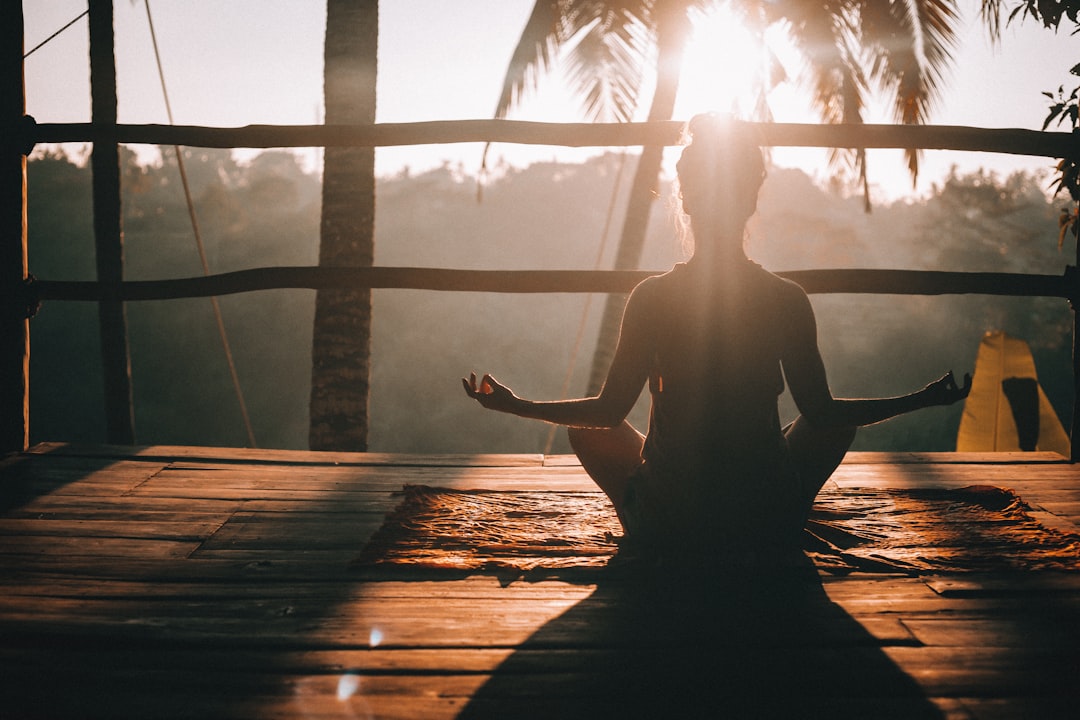
Bali is often referred to as the island of Gods, and with its serene landscapes and rich cultural tapestry, it's a prime destination for those seeking spiritual growth and renewal. The island not only promises picturesque views but also hosts a variety of spiritual retreats that cater to individuals looking to deepen their spiritual connection through meditation, yoga, and wellness practices.
Popular locations for spiritual retreats in Bali
Bali's spiritual retreats are primarily concentrated in regions known for their tranquility and natural beauty. Ubud, often considered the spiritual heart of Bali, is famed for its lush rainforests and terraced rice paddies. Here, retreats often emphasize holistic wellness, combining physical activities with spiritual practices. Another notable area is Canggu, where the retreats tend to be more modern, integrating traditional practices like yoga with contemporary wellness routines. The quieter, eastern town of Amed is known for its breathtaking coastal views and is ideal for those looking for a retreat away from the busier tourist spots. Each location offers a unique backdrop for a spiritual reawakening, making Bali a versatile destination for spiritual seekers.
Types of meditation practices in Balinese spiritual retreats
Meditation is a foundational practice in many Balinese spiritual retreats, with techniques often tailored to enhance tranquility and mindfulness. The most popular form is guided meditation, where an experienced instructor leads participants through various techniques aimed at calming the mind and focusing thought. Silent meditation is also widely practiced, especially in retreats that are designed for more advanced practitioners seeking deeper spiritual connection. Additionally, walking meditation is another practice enjoyed by many, allowing participants to meditate while slowly walking through Bali’s stunning natural landscapes, enhancing the connection with nature and oneself.
Yoga practices in Balinese spiritual retreats
Yoga in Bali is more than just exercise; it is a pathway to achieving a balanced mind and body. Many retreats offer a blend of yoga styles, from the more physical ashtanga to the gentle flows of hatha yoga, catering to both beginners and seasoned yogis. Bali's unique approach often incorporates elements of Balinese culture, including ritual, dance, and traditional music, which enrich the yoga experience. Some retreats also specialize in Kundalini yoga, which focuses on awakening energies within the body through dynamic movements, controlled breathing, and meditation. These diverse practices ensure that each participant can find a style that resonates with their spiritual and physical needs.
Wellness Programs
The focus on wellness in spiritual retreats in both India and Bali underscores a commitment to enhancing overall health and vitality through a combination of physical, mental, and spiritual practices. The programs are typically immersive, offering a holistic approach to self-care and personal growth.
Comparison of wellness programs in India and that Bali
While both India and Bali offer exceptional wellness programs, their approaches can differ significantly. Indian wellness retreats often incorporate ancient practices such Ayurveda, yoga, and meditation, integrated systematically to purify the body and mind and to strengthen the connection with one's spiritual essence. In contrast, Balinese wellness programs might blend traditional practices like Balinese massage, herbal healing, and meditation with modern wellness techniques, including water therapy and nature immersion. Furthermore, Indian programs are frequently steeped in the country’s spiritual traditions and customs, providing a deeply cultural experience rooted in centuries-old practices. Meanwhile, Bali's wellness programs often emphasize a connection with nature and use the lush, tranquil environment to foster relaxation and renewal.
Traditional healing practices in India and Bali
The traditional healing practices in India are largely centered around Ayurveda, which is considered the world’s oldest holistic healing system. It uses a comprehensive approach including diet, natural therapies, and lifestyle interventions to treat illnesses and to maintain health and wellness. Yoga and meditation are also integral to these practices, supporting the physical and spiritual cleansing processes.
In Bali, traditional healing incorporates ancient local wisdom known as "Usada," which utilizes natural herbs, holistic remedies, and energy healing to treat physical and spiritual ailments. Balinese heal detection that involves a complex balance of elements and energies, believed to be capable of curing physical and emotional disturbances.
By blending ancient traditions with holistic approaches to health and wellness, both Indian and Balina spiritual retreats offer pathways not just to physical well-being, but also to deeper self-understanding and spiritual enlightenment, tailored to the needs of the modern seeker. Each destination offers its unique set of practices, set against the backdrop of rich cultures and beautiful landscapes, providing a comprehensive and enriching experience for those on their spiritual journey.
Choosing the Right Spiritual Retreat
Image courtesy: Unsplash
When deciding on the perfect spiritual retreat, whether in India or Bali, it’s important to consider several factors that align with your personal needs and spiritual objectives. Both destinations offer unique experiences deeply rooted in their rich cultural backdrops and spiritual traditions.
Factors to consider when choosing between India and Bali
1. Type of Spiritual Practices: India is the birthplace of yoga and offers a plethora of retreats specializing in various forms of yoga and meditation practices, deeply embedded in the Vedic traditions. Bali, on the other hand, provides a unique blend of yoga influenced by its own cultural interpretations, often combined with other holistic practices like energy healing, Balinese Hindu rituals, and sound therapy.
2. Environment and Setting: The environment where you plan to immeraze yourself plays a crucial role in your spiritual journey. India offers diverse settings from the serene Himalayan peaks to the tranquil beaches of Goa, each providing a different backdrop for spiritual learning and reflection. Bali boasts lush landscapes, volcanic mountains, and pristine beaches, creating tranquil environments ideal for meditation and relaxation.
3. Teacher and Community: The expertise and approach of teachers can vastly differ. In India, many gurus and mentors teach traditional forms straight from ancient scriptures with a disciplined approach. Bali often hosts international yoga teachers who merge contemporary and traditional teachings that cater to a global audience. Additionally, the community surrounding the retreats in both places can enhance your experience; some may prefer the international feel of Bali while others may seek the authentic Indian spiritual community.
4. Duration and Flexibility: Retreats in both locations offer varying lengths, from weekend workshops to month-long immersions. Consider how much time you can dedicate to a retreat and if the schedule allows flexibility according to your pace and interest.
5. Budget: India is often more budget-friendly with a wide range of options catering to different financial capabilities, while Bali’s retreats tend to be on the higher end, though still offering options from mid-range to luxury.
Considering these factors will help you narrow down the best fit for your spiritual journey and ensure you have a fulfilling retreat experience.
Personal preferences and Dutchess Spiritual Goals
Your individual aspirations and spiritual goals are paramount in selecting a retreat. It’s beneficial to reflect on what you aim to achieve through your retreat experience:
- Depth of Spiritual Experience: If you are looking for an intensive, authentic experience rooted in ancient traditions, India might be more suitable. For a more relaxed approach that incorporates spiritual practices with leisure activities, Bali could be the ideal choice.
- Cultural Immersion: Consider whether you are looking to immerse yourself in a culture different from your own. India offers deep dives into its diverse cultural practices, festivals, and daily life steeped in spirituality. Bali, while offering a unique cultural exposure, is often considered more tailored to Western tastes, making it potentially easier for some travelers to adapt.
- Physical and Mental Wellness Goals: If your focus is also on health and wellness aside from spirituality, Bali offers a wide array of wellness-centric retreats that combine spa treatments, healthy eating, and physical activities with meditation and yoga. In contrast, many Indian retreats focus primarily on spiritual practice, though wellness is often inherently part of the lifestyle taught.
Understanding your personal needs and what each location offers can immensely help in making the right choice, ensuring your spiritual retreat not only rejuvenates but also aligns with your inner goals.
Conclusion
Exploring spiritual retreats in India and Bali offers a rich tapestry of experiences tailored to personal growth and wellness. Whether you choose the ancient yogic practices of India or Bali's tranquil meditation settings, each destination holds a unique promise for spiritual renewal and personal enlightenment. Consider your goals and preferences to select the perfect retreat, and immerange yourself in the transformative journey of spiritual discovery and inner peace that awaits in these serene locations.