About this article
Introduction to the Science Behind South Indian Temples
Indian temples, renowned for their stunning architecture and spiritual aura, are much more than places of worship. These structures were ingeniously conceived to serve various societal, cultural, and scientific purposes. Historically, temples were built at locations that were believed to be energetically potent, designed to harness the Earth's magnetic fields, creating spaces that enhance well-being and spiritual growth. The science behind their construction is as fascinating as the myths and beliefs they inspire. From the resonant sounds of temple bells to the strategic placement of the idol, every aspect of a temple serves a purpose beyond the apparent religious function. Join us as we explore the compelling blend of science, architecture, and spirituality that characterizes Indian temples.
Not Just Places for Prayer
Contrary to common perception, the primary purpose of many ancient Indian temples transcended mere religious rituals. Sadhguru, a contemporary mystic and yogi, explains that temples were originally created as powerful energy centers rather than places for congregational worship. People visited temples not to offer prayers led by clerics, but to sit and absorb the energy emanated by these sacred structures. This practice was especially prevalent in the early mornings, considered an ideal time to harmonize with the divine energy before starting the day's activities. This energy absorption from temples allegedly helped individuals maintain inner peace and balance, critical in dealing with life's daily transactions and challenges.
Ancient Wisdom and Energy Centers
The profound science behind the construction of South Indian temples is highlighted by their purpose as energy centers rather than mere places of prayer. Sadhguru, a contemporary mystic, presents the view that these temples were designed to enhance the well-being of individuals by harnessing and radiating an intense energy field. This was traditionally achieved through specific architectural guidelines known as Agama Shastra, which dictated the size and shape of various temple aspects like the sanctum sanctorum (Garbhagraha) and the idols within. This meticulous planning ensured the temples were not only places for spiritual gatherings but also spaces where people could come to revitalize their life energies. Early morning visits to these temples were encouraged as part to imbibe this vibrant energy, hence starting the day with a sense of calm and clarity.
---
This section sets the foundation for exploring the scientific principles behind the architecture and location of South Indian temples, emphasizing their role as ancient energy centers that contributed to personal well-being and community harmony.
Core Principles of Temple Architecture
Agama Texts and Design Parameters
South Indian temples are not only places of worship but also marvels of architecture and energy. According to ancient texts known as Agamas, the construction of these temples is guided by precise scientific and spiritual rules. The Agamas outline specific parameters such as the size and shape of the temple, the corridor around the sanctum (parikrama), and the dimensions of the innermost chamber (garbhagraha). Factors like the position and posture (mudra) of the deity's idol, and the mantras used during consecration, together ensure that the temple architecture aligns with cosmic energies, creating a space of immense spiritual power. This deliberate attention to detail in temple design facilitates a unique vibrational energy that visitors can absorb, contributing to their spiritual and physical well-being.
Vastu Shastra and Spatial Harmony
Vastu Shastra plays a crucial role in the planning and design of South Indian temples, integrating architecture with nature, and ensuring spiritual harmony. This ancient Indian science of architecture emphasizes the importance of direction and elements of nature in the temple layout. Each temple is strategically positioned to harness the benefits of solar and geomagnetic forces, which are believed to enhance the spiritual experience. The temples face specific directions to attract positive energy, with the main deity placed in a way that aligns with the earth’s magnetic fields, promoting peace and energy balance within the sacred space.
Energy and Spiritual Dynamics in Temple Construction
Cosmic Energy and Geomagnetic Fields
The positioning and architecture of South Indian temples are deeply influenced by geomagnetic fields and cosmic energy. Temples are often located at places with a high concentration of magnetic and electrical wave convergences. Sadhguru mentions how these temples act as public spots for energy recharge, much like modern-day charging stations. The underlying science is that these spots allow devotees to absorb the energy, which helps them maintain a positive internal environment amidst the daily stresses of life. This principle is vividly illustrated by the powerful energy felt in the presence of certain idols, such as the lingam in temples, which are intentionally made from specific materials and shapes to enhance their energy-storing capacity.
Sacred Geometries and Idol Placement
The layout and structures within South Indian temples are based on sacred geometries, which are believed to amplify the energies of the space. The idol placement, the shape of the shrines, and the orientation of the sanctum are designed according to specific geometric patterns. These patterns are not random but are meant to replicate cosmic designs, thereby creating a replica of the universe, in a sense, within the temple complex. This arrangement allows for the optimal flow and accumulation of spiritual energy, which practitioners and devotees can tap into for spiritual growth and peace.
Consecration Rituals and Their Significance
Consecration rituals play a vital role in energizing a temple. These rituals involve a series of processes where chants, offerings, and symbolic acts transform the temple from a mere structure of stone into a vibrant source of energy. This transformation is not just symbolic but involves a literal energization of the temple through the use of specific mantras and offerings. These rituals ensure that the deity’s presence is invoked and maintained in the idol, making the statue a living embodiment of the divine, radiating energy to all those who come in contact with it. Such practices underscore the profound understanding of energy dynamics possessed by the ancient builders and practitioners, which continues to influence millions of devotees around the world.
Temples as Centers of Social and Spiritual Activities

Image courtesy: Unsplash
South Indian temples have long served as more than just places of worship; they are hubs of community life and culture, embedded deeply in the history and social fabric of the region.
Role of Temples in Encouraging Community Life
Traditionally, temples were constructed not only as religious shrines but also as social centers where people could come together. This dual function is deeply rooted in the Indian philosophy that the divine manifests in community interactions. Activities in these temples, ranging from festivals to daily rituals, create a sense of community and belonging among the attendees. Shared experiences at these temples reinforce social norms, provide spiritual education, and foster relationships. For example, the prasad (food offered to deities and shared among devotees) not only carries religious significance but also acts as a means of communal bonding. Thus, temples in South India play a crucial role in knitting the community tightly through shared spiritual and socio-cultural experiences.
Temples and Their Resilience Against Calamities
The architectural ingenuity of South Indian temples extends beyond their spiritual and aesthetic appeal; these structures are also built to withstand natural calamities. Ancient builders chose locations thought to be high in positive energy, which often coincidentally were areas that offered natural disaster resilience. The use of materials such as large stones and architectural designs like high walls and deep foundations contribute to their durability against earthquakes and storms. Moreover, the spatial organization within temple complexes often includes features like water tanks, which besides serving religious and social functions, also play a crucial role in disaster preparedness by ensuring water availability. The strategic placement of gopurams (towering gateways) and the use of lightning conductors made from materials like copper are some insights into the temple’s preparedness against lightning and other natural calamities.
Advanced Architectural Features in South Indian Temples
The science behind the construction of South Indian temples is as fascinating as the rituals performed within them. The temples stand today not just as spiritual sanctuaries but also as monuments to ancient engineering and metallurgical skills.
Use of Panchalogam and Material Science
The unique aspect of most South Indian temples is the use of 'Panchalogam', an alloy of five metals (gold, silver, copper, iron, and tin), for crafting idols and structural embellishments. This choice is not arbitrary; each metal is thought to attract and store cosmic energy in varying degrees, which is believed to enhance the spiritual ambiance of the temple. From a scientific viewpoint, these metals have properties that help withstand corrosion, enhance longevity, and maintain luster over centuries. The kalasams, metal pots placed at the top of gopurams, often contain grains and are replaced every twelve years, an act symbolizing renewal and life-cycle, also play a role in protecting the structure from lightning strikes.
Significance of Specific Temple Features: Gopurams, Kalasams
The towering gopurams are iconic of Dravidian temple architecture and have deeper implications beyond their visual grandeur. Functionally, they serve as vertical gateways that increase the temple’s visibility, drawing pilgrims from afar. Symbolically, they represent the mythical Mount Meru, the axis of the universe in Hindu cosmology, signifying the temple as a link between the earthly and the divine. Kalasams, the pot-like structures crowning the gopurams, are not merely decorative. They are scientifically crafted with materials like copper and brass, which have electromagnetic properties known to protect the structures by dissipating lightning strikes efficiently. Additionally, their shape and positioning are believed to channel cosmic energy into the sanctum, enhancing the spiritual energy within the temple precincts.
Through these advanced architectural features and symbolic elements, South Indian temples embody a blend of spiritual significance and scientific reasoning, making them profound embodiments of ancient wisdom.
Impact of Temple Architecture on Devotees
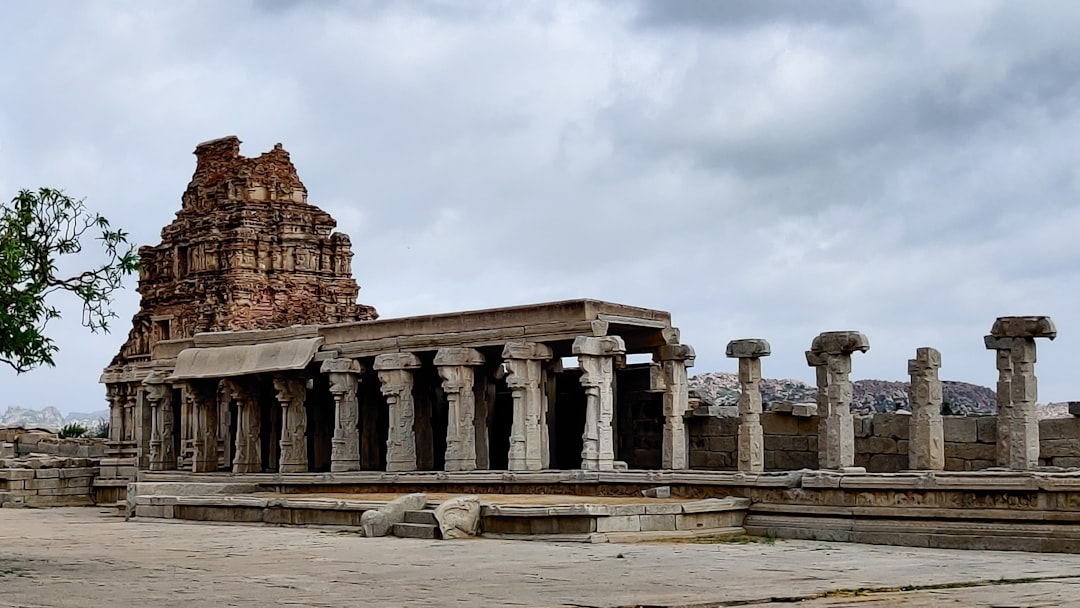
Image courtesy: Unsplash
The deeply thought-out architectural design of South Indian temples is not only a testament to ancient engineering but also plays a significant role in influencing the psychological and spiritual experiences of devotees.
Psychological Influence through Architectural Design
The architecture of South Indian temples is carefully crafted to create a profound impact on the mind and emotions of devotees. From the towering gopurams (gateway towers) that first catch the eye, to the intricately carved mandapas (pavilions), every element is designed to inspire awe and reverence. The gradual progression through the architectural complexity symbolically represents the journey from the materialistic external world to the divine inner sanctum, encouraging a psychological transition from the temporal to the spiritual.
Efficient use of space, symmetry, and directional alignments in temple architecture not only adheres to the principles of Vastu Shastra but also enhances the sensory experience, facilitating meditation and mindfulness. The very act of walking through the temple complexes, designed according to specific geometric patterns, can induce a meditative state, calming the mind and focusing thoughts on the divine.
Spiritual Upliftment and Energy Absorption
South Indian temples are designed as more than just places of ritualistic worship; they are potent energy centers. The 'garbhagriha' or sanctum sanctorum of each temple, where the deity resides, is meticulously placed at the point that is believed to be the source of divine energy. This placement ensures maximum absorption of cosmic energy, which purifies and uplifts the spiritual energy of the devotees.
Furthermore, the materials used in temple construction, such as specific metals and stones, are chosen for their abilities to absorb and resonate with cosmic energy. For instance, the use of 'panchaloha' (a combination of five metals) in idols aids in the accumulation and emanation of spiritual vibrations. Devotees visiting these temples absorb this energy, which is said to enhance spiritual growth, induce peace of mind, and even possess healing properties.
It's no surprise that devotees often describe a visit to these temples as a rejuvenating experience. The architectural alignment with celestial pathways ensures that every visit results in a significant spiritual encounter, often manifesting as a feeling of having been cleansed or recharged. This subtle exchange of energy not only elevates spirituality but also strengthens the believers' connection to the divine, reinforcing their faith and devotion.
Why the Mind Settles
Devotees often can't fully explain why a temple visit leaves them calmer — only that it does. The tradition offers an answer: a properly consecrated space creates coherence in the human system itself. Breath slows. Emotional turbulence eases. Thought quiets. This isn't the temple imposing peace from outside — it's the temple restoring a silence that exists in every visitor already, just usually buried under mental noise.
Conclusion: Relevance in Modern Times
The ancient wisdom embedded in the architecture of South Indian temples continues to echo relevance in modern times. They are far more than religious shelters and embody a blend of engineering, energy science, and a profound understanding of human interactions with cosmic energies. The teachings of figures like Sadhguru remind us of the temples' role as places for rejuvenating the human spirit by absorbing the meticulously engineered energies found within their sacred walls.
Modern architecture, while technologically advanced, seeks inspiration from such ancient practices, underlining sustainability and harmonious designs that contribute to mental and physical well-being. Moreover, the fact that ancient temple principles such as Vastu Shastra are employed in modern constructions speaks to their continuing validity and importance.
In today's fast-paced world, where mental stress and environmental disconnect are rampant, these temples offer a blueprint for creating more balanced living environments. They provide insights into how spaces can be designed to enhance well-being and connect us to a higher energy plane. By integrating these age-old technologies and philosophies, modern society can benefit from an enriched environment that promotes a holistic lifestyle.
- Reverberation of ancient wisdom in current architectural practices
- Mental and environmental harmony through temple-inspired designs
As we continue to delve into the rich history and science of South Indian temples, we reconnect with practices that not only preserve cultural heritage but also offer solutions for current and future architectural and environmental challenges. This enduring relevance showcases the deep scientific understanding of our ancestors and their commitment to a harmonious coexistence with the cosmos.