About this article
India has served as humanity's spiritual laboratory for thousands of years, offering profound pathways to inner transformation that continue to draw Western seekers from all walks of life. For American spiritual explorers ready to move beyond surface-level practices, these ten sacred destinations represent doorways into authentic spiritual traditions that have guided countless souls toward awakening and inner peace.
Each location holds unique energetic qualities and time-tested practices that can catalyze deep personal growth. From ancient pilgrimage sites where Buddha achieved enlightenment to experimental communities pioneering new forms of conscious living, these destinations offer immersive experiences in spiritual practices, holistic healing, and profound introspection that nurture mind, body, and soul.
10. Auroville (Tamil Nadu): A Living Laboratory of Human Unity
Where Vision Meets Reality
Auroville stands as one of the world's most ambitious spiritual experiments, founded in 1968 near Puducherry by Mirra Alfassa, known as "The Mother." This experimental universal township emerged from the collaborative vision of Sri Aurobindo and The Mother to create a space where humanity could transcend the artificial divisions of nationality, politics, and religious dogma.
The inauguration ceremony witnessed representatives from 124 nations placing soil from their countries into a central urn, symbolizing the universal nature of this sacred experiment. Today, Auroville continues to attract spiritual seekers seeking authentic community living combined with deep inner work.
Spiritual Practices and Transformation
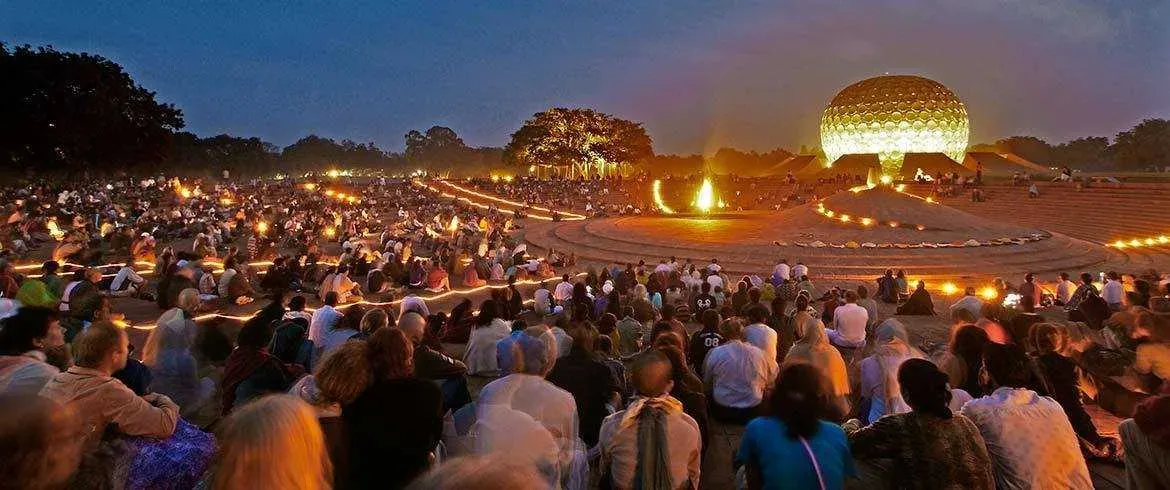
The heart of Auroville's spiritual practice centers around the magnificent Matrimandir, a golden sphere designed specifically for silent concentration and inner communion. This architectural marvel serves as more than just a meditation space. It represents the aspiration for divine consciousness to manifest in human life.
Regular dawn bonfire gatherings create opportunities for collective silent meditation, while the community practices Integral Yoga, a comprehensive approach to spiritual development that integrates all aspects of human nature. These rituals emphasize universal unity and self-discovery, moving beyond traditional religious boundaries.
Life-Changing Experiences and Visitor Impact
Visitors consistently report profound personal growth, emotional healing, and moments of startling inner clarity during their stays. The supportive community environment, combined with dedicated spiritual spaces, creates conditions conducive to transformation and expanded consciousness.
International spiritual seekers, artists, and therapists have documented transformative personal journeys during extended visits or retreats. The unique blend of nature, meditation, and authentic human connection supports meaningful introspection and healing that often continues long after departure.
Practical Information for Visitors
Best Time to Visit: November through March offers the most comfortable weather with mild temperatures and lower humidity. Summer months can be intensely hot and humid, while the monsoon season from July to October brings lush greenery but potentially uncomfortable conditions.
Accommodation: Over 70 guesthouses and homestays operate throughout Auroville, offering various price points and comfort levels. However, accommodations fill quickly during peak season, so advance booking is essential. Visitors need passes from the Visitor Centre to access certain areas, including the Matrimandir.
Spiritual Programs: Auroville offers numerous spiritual retreats, yoga classes, meditation sessions, and holistic therapies including sound healing, Reiki, and Ayurveda. Centers like JIVA-Auroville provide advanced integral healing and personal growth programs.
Unique Opportunities
Volunteering programs such as Vérité offer karma yoga through service work, enabling visitors to participate deeply in community life while contributing to sustainability projects. This hands-on approach often proves as transformative as formal meditation practices.
The township's commitment to ecological sustainability, organic farming, and eco-friendly infrastructure provides living examples of conscious environmental stewardship. Meanwhile, the artistic communities offer creative expression as spiritual practice.
9. Bodh Gaya (Bihar): The Sacred Ground of Enlightenment
Historical Significance and Spiritual Power
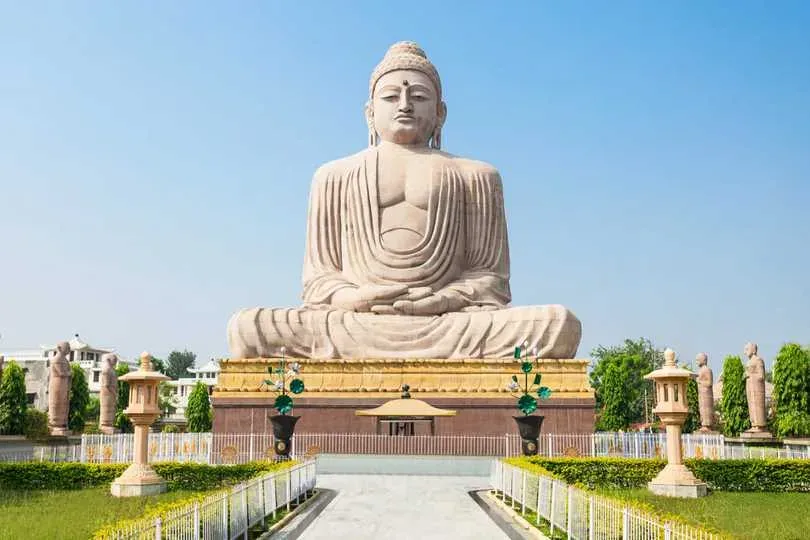
Bodh Gaya holds the distinction of being the world's most important Buddhist pilgrimage site, where Siddhartha Gautama attained enlightenment under the Bodhi Tree over 2,500 years ago, becoming the Buddha. The Mahabodhi Temple Complex, recognized as a UNESCO World Heritage Site, represents the cradle of Buddhism and attracts millions of pilgrims annually.
This sacred location carries an almost palpable spiritual energy that visitors consistently describe as transformative. The profound historical significance combined with ongoing spiritual practice creates an atmosphere conducive to deep inner work.
Spiritual Traditions and Practices
Visitors engage in traditional Buddhist practices including meditation, chanting, and circumambulation of both the Mahabodhi Temple and the descendant Bodhi Tree. The offering of flowers and incense, combined with attendance at teachings from various Buddhist traditions including Theravada, Mahayana, and Vajrayana, provides comprehensive exposure to Buddhist wisdom.
Sitting beneath the Bodhi Tree or within the temple complex often produces moments of profound clarity and spiritual insight. The atmosphere of silence, sacredness, and community prayer intensifies introspection and emotional healing.
Retreat Centers and Programs
Renowned retreat centers including Root Institute, Dhamma Bodhi Vipassana Centre, and Tergar Monastery host meditation retreats spanning various traditions. These centers offer Vipassana meditation, Tibetan Buddhist teachings, Zen practices, and mindfulness programs, often led by internationally recognized teachers.
The integrated wellness programs frequently combine meditation with yoga and Ayurvedic treatments, providing holistic approaches to spiritual development and personal healing.
Festival Experiences
Key festivals such as Buddha Jayanti, celebrating Buddha's birth and enlightenment, create extraordinary spiritual atmospheres. The Kagyu Monlam Chenmo Tibetan prayer festival and International Tipitaka Chanting Ceremony bring global participation and vibrant ceremonial energy that amplifies the site's transformative power.
Practical Considerations
Best Time to Visit: October through March provides the most comfortable weather, with November to February being ideal (10°C to 28°C). Summer heat can be intense, while monsoon rains may create travel difficulties.
Access and Accommodation: Bodh Gaya connects easily via Gaya Airport (15 km away) and maintains good rail and road connections. Accommodation ranges from budget guesthouses to comfortable hotels, with many retreat centers offering residential programs.
8. Haridwar (Uttarakhand): Gateway to the Divine
Sacred Geography and Historical Importance
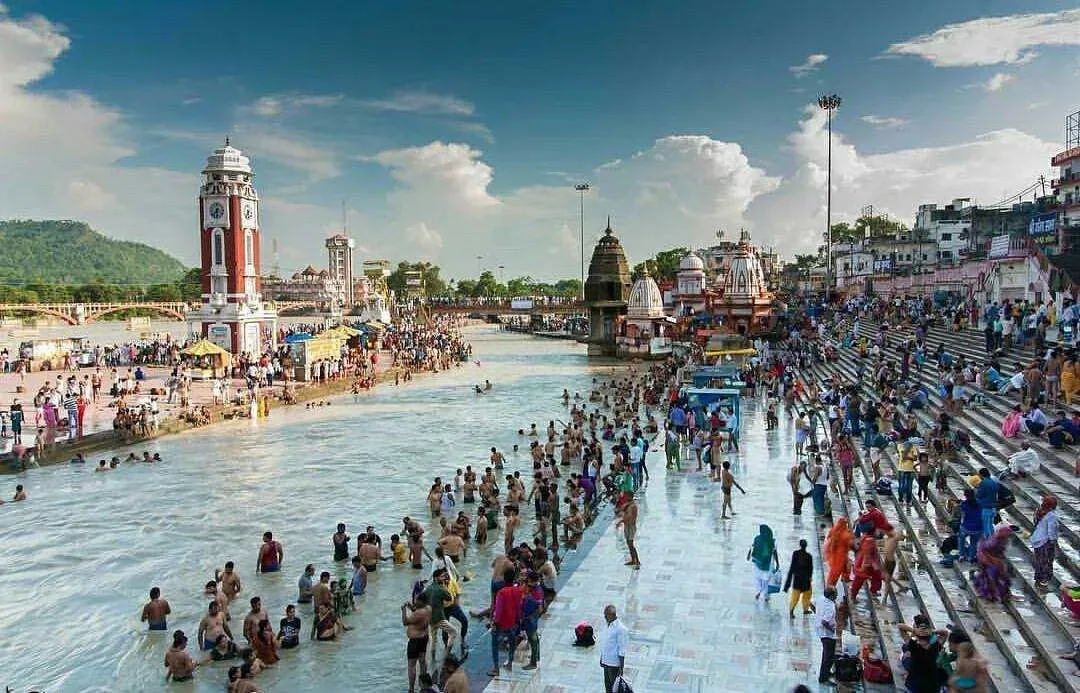
Haridwar, one of Hinduism's seven sacred cities, serves as the "Gateway to Hari (Vishnu)" and holds profound significance as a place where divine nectar is believed to have fallen to earth. Situated on the sacred Ganges River, this ancient pilgrimage center has welcomed spiritual seekers for thousands of years.
The city functions as a moksha sthala, a place of liberation, where the river's purifying waters and intense devotional atmosphere create conditions for spiritual breakthrough and karmic cleansing.
Ritual Traditions and Spiritual Practices
The famous Ganga Aarti at Har Ki Pauri represents one of India's most powerful devotional ceremonies. As evening approaches, thousands gather to witness priests offering fire to Mother Ganga, creating an atmosphere of collective devotion that transcends individual limitations.
Pilgrims participate in ritual bathing for spiritual purification and perform ancestral rites including Pind Daan and Shraddha. These practices connect participants with ancient traditions while providing opportunities for emotional healing and spiritual renewal.
The Kumbh Mela Experience
The massive Kumbh Mela, occurring every twelve years with Ardh Kumbh Mela every six years, creates one of the world's largest spiritual gatherings. These events draw millions from around the globe for profound spiritual renewal, often cited by participants as pivotal life-changing experiences.
Modern Spiritual Programs
Contemporary ashrams and wellness centers offer yoga, meditation, and Ayurvedic treatments that complement traditional ritual practices. These programs provide accessible entry points for Western visitors while maintaining authentic connections to ancient wisdom traditions.
Visiting Information: October through March offers optimal weather conditions (6°C to 17°C). The city connects well by rail and road, with Dehradun airport approximately 45-60 minutes away.
7. Kanchipuram (Tamil Nadu): City of Thousand Temples
Ancient Wisdom Center
Known as the "City of Thousand Temples," Kanchipuram traces its spiritual heritage back over 2,000 years. As the former capital of the Pallava dynasty and a renowned center of Hindu and Buddhist learning, it hosts the Kanchi Kamakoti Peetham, a major monastic institution founded by Adi Shankaracharya.
This ancient city embodies the living tradition of South Indian spirituality, where elaborate temple rituals, philosophical discourse, and devotional practices continue uninterrupted across centuries.
Temple Traditions and Spiritual Practices
Kanchipuram's temples maintain rich ritual traditions including daily pujas, abhishekams (ritual bathing of deities), and magnificent festivals like Brahmotsavam and Maha Shivaratri. Visitors can participate in receiving prasadam (blessed food) and experience the deeply devotional atmosphere at temples like Kamakshi Amman.
The city is believed to offer moksha (liberation) to sincere seekers. Visitors frequently report emotional healing, spiritual awakening, and profound peace through immersive participation in devotional practices.
Architectural and Spiritual Marvels
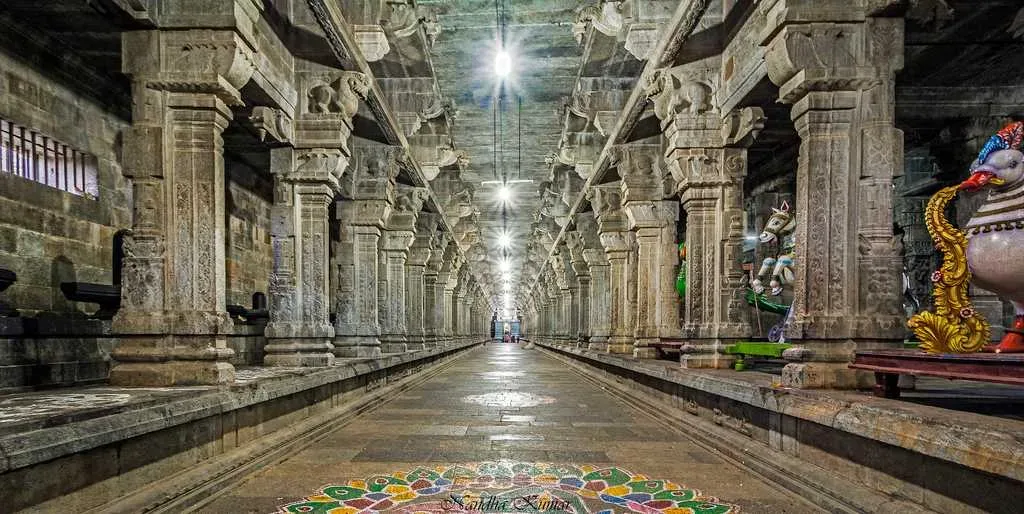
Temples such as Kailasanathar Temple, Ekambareswarar Temple, and Kamakshi Amman Temple showcase exquisite Dravidian architecture while serving as living centers of worship. The interplay of ancient stone carvings, devotional music, and sacred rituals creates environments that support meaningful inner journeys.
Learning Opportunities
Spiritual institutions like Kanchi Kamakoti Peetham offer traditional teachings, meditation instruction, and yoga practice. These programs provide authentic exposure to Advaita Vedanta philosophy, Vaishnavism, and Shaivism traditions.
Best Visiting Period: November through March provides the most pleasant climate for temple visits and spiritual practice.
6. Kedarnath (Uttarakhand): Himalayan Spiritual Pilgrimage
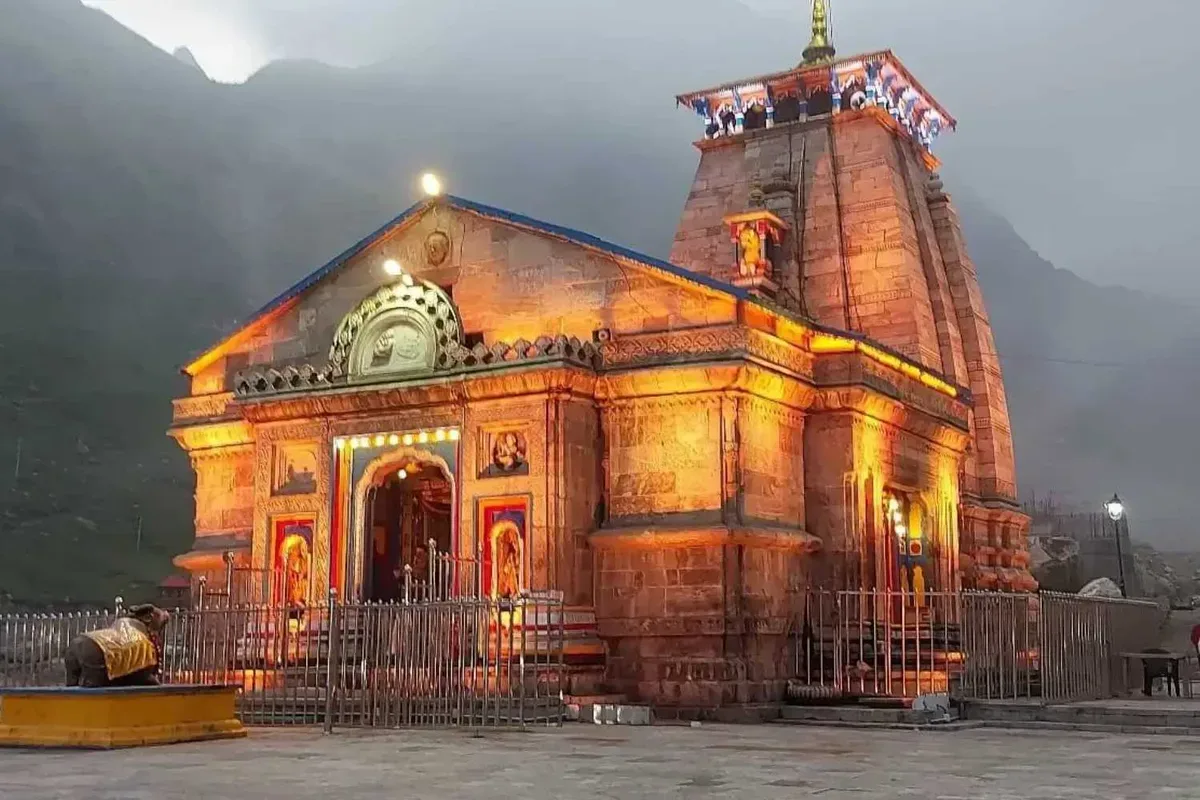
Sacred Mountain Sanctuary
Located at 3,580 meters in the Garhwal Himalayas, Kedarnath temple represents one of the twelve sacred Jyotirlingas dedicated to Lord Shiva. Dating to the 8th century and attributed to Adi Shankaracharya's spiritual revival, this remote temple forms a vital part of the Chota Char Dham pilgrimage circuit.
The challenging journey to reach Kedarnath serves as spiritual preparation, requiring physical endurance, mental determination, and genuine devotion. This pilgrimage process often proves as transformative as the destination itself.
High-Altitude Spiritual Practices
Temple rituals include Rudrabhishek (ceremonial bathing of the Shiva Lingam), twice-daily Aarti ceremonies, Panchamrit Puja, and Rudra Homa. The ancient Raval priest tradition maintains these ceremonies while local customs like "Pandav Lila" folk dances connect visitors with regional spiritual culture.
The mountain environment's high vibrational quality supports alignment with cosmic energies and divine consciousness. Pilgrims consistently report emotional cleansing, karmic healing, and awakening of inner consciousness through their temple experiences.
Transformative Journey Elements
The arduous trek and temple presence induce profound humility, surrender, and spiritual clarity. Many describe experiences of past karma cleansing, emotional release, heightened mindfulness, and spiritual breakthroughs that continue influencing their lives long after returning home.
Temple Season: Open from May (after Akshaya Tritiya) through October, with summer months (May-June) offering optimal trekking conditions (10°C to 15°C). Monsoon periods pose significant risks due to heavy rainfall and potential landslides.
5. Mathura (Uttar Pradesh): Krishna's Sacred Birthplace
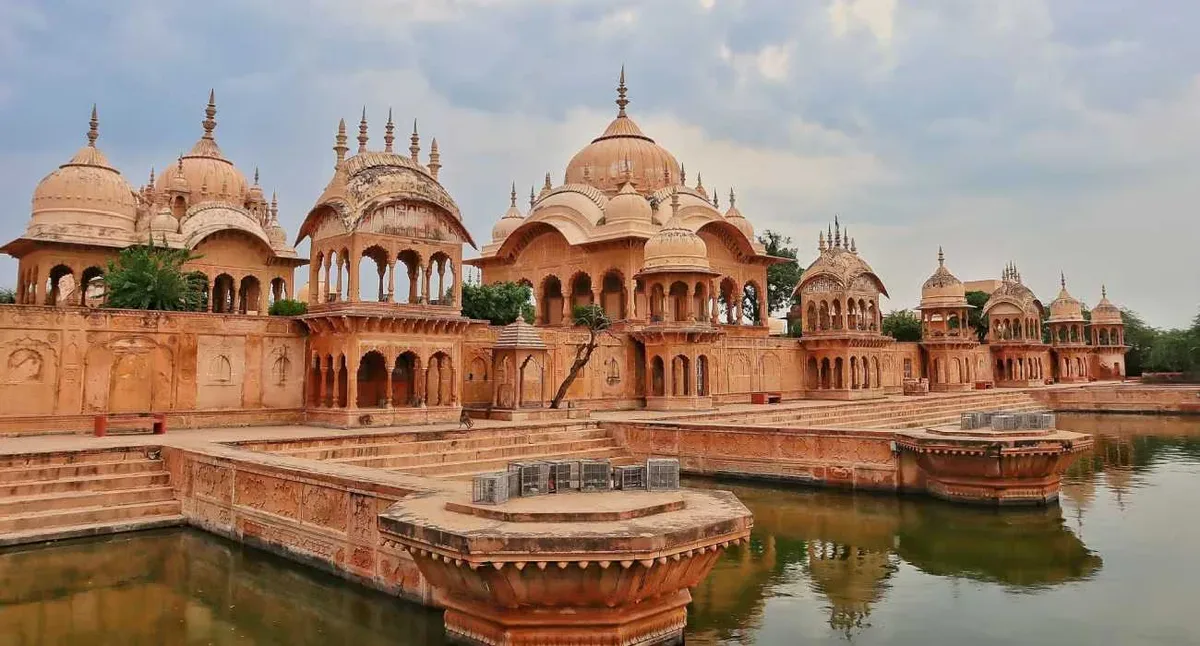
Divine Heritage Site
Mathura, one of Hinduism's seven sacred cities (Sapta Puri), holds special significance as Lord Krishna's traditional birthplace. With over 3,000 years of continuous habitation, this ancient city encompasses Buddhist, Jain, and Hindu spiritual traditions while maintaining its primary identity as Krishna's sacred homeland.
The Shri Krishna Janmabhoomi temple marks the exact location of Krishna's birth, creating a focal point for devotional practices and spiritual pilgrimage.
Devotional Traditions and Practices
Daily worship includes Mangala Aarti at dawn and Sandhya Aarti at dusk, accompanied by continuous kirtans, bhajans, and satsangs that fill the city with devotional energy. Pilgrims perform ritual circumambulation (Parikrama) around holy sites including Govardhan Hill, while the Yamuna River ghats serve as focal points for ceremonial bathing.
Immersion in Mathura's sacred atmosphere and devotional practices brings moments of spiritual clarity, emotional healing, and personal transformation. The vibrant devotional culture and historical resonance inspire resilience, joy, and renewed faith in countless visitors.
Festival Celebrations
Major festivals including Janmashtami (Krishna's birth), Holi (festival of colors), Radhashtami, and Govardhan Puja transform the city into a celebration of divine love. These events attract millions of participants and create atmospheres of transformative joy, liberation, and belonging within the Krishna bhakti tradition.
Spiritual Learning Opportunities
Numerous ashrams and meditation centers, particularly in nearby Vrindavan, offer spiritual retreats, yoga instruction, and meditation guidance. These programs provide deep exposure to devotional meditation, chanting practices, and Vedic philosophical teachings.
Optimal Visit Time: October through March provides pleasant weather for temple visits and festival participation.
4. Sabarimala (Kerala): The Sacred Mountain Pilgrimage
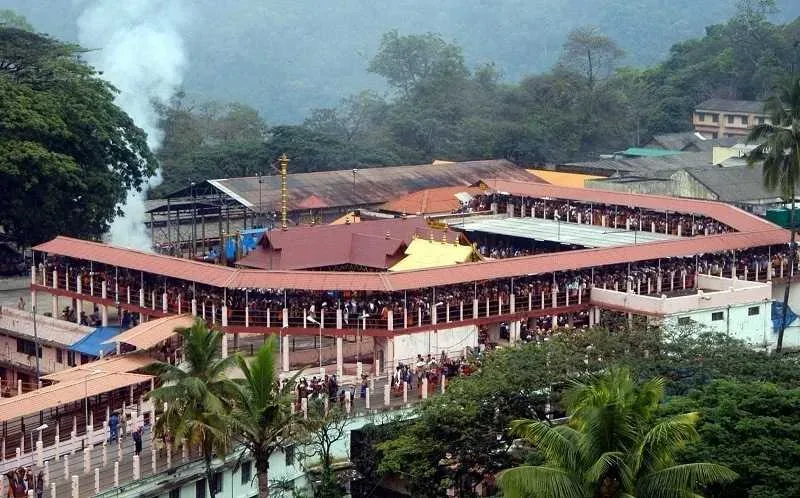
Unique Pilgrimage Tradition
Sabarimala, dedicated to Lord Ayyappa in Kerala's Western Ghats, represents one of the world's largest annual pilgrimages. This sacred site symbolizes devotion, self-discipline, and spiritual transformation through its demanding 41-day preparatory penance (Vratam).
The pilgrimage requires celibacy, vegetarianism, and wearing the distinctive Ayyappa Mala, culminating in the trek to climb the 18 sacred steps (Pathinettam Padi). Only after completing ritual preparations including Irumudi Kettu (preparing sacred offering bundles) can pilgrims approach the temple.
Transformative Spiritual Discipline
This pilgrimage challenges both physical endurance and mental discipline, fostering deep self-reflection, spiritual purity, and personal transformation. The rigorous practices symbolize transcending worldly attachments while developing genuine devotion and inner strength.
Devotees consistently report spiritual awakenings, emotional healing, and profound clarity through their pilgrimage journey. The shared experience creates extraordinary community bonding and spiritual unity among participants.
Sacred Geography and Atmosphere
Set within Kerala's verdant Western Ghats, surrounded by dense forests and the Pampa River, Sabarimala's natural environment enhances its spiritual impact. The temple's austere architecture and sacred steps create a powerful pilgrimage atmosphere that supports profound inner work.
Community and Service
Volunteering opportunities focus on assisting fellow pilgrims, guiding treks, and supporting temple services. Seva (selfless service) forms an integral part of the spiritual practice, allowing participants to transcend individual concerns through dedicated service to others.
Pilgrimage Season: Mid-November through mid-January (Mandalam-Makaravilakku season) when weather conditions are most favorable and the temple remains open.
3. Tirupati (Andhra Pradesh): Divine Grace and Surrender
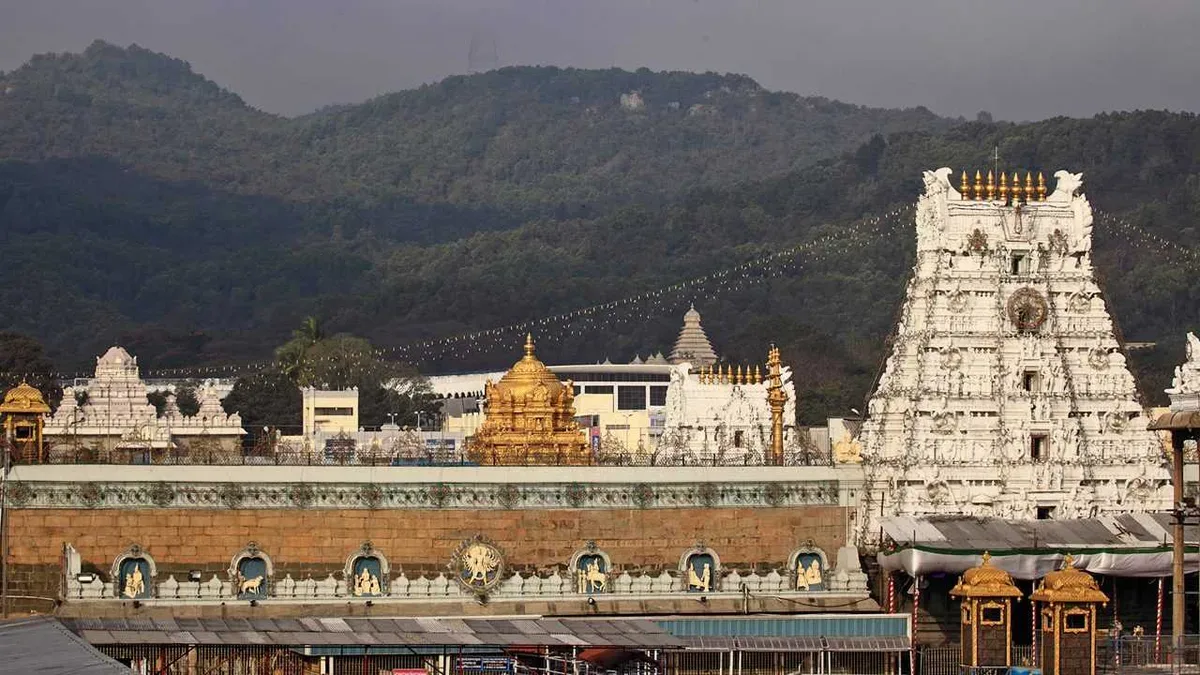
Sacred Hill Temple Complex
Tirupati serves as the earthly abode of Lord Venkateswara (Vishnu incarnation) atop the sacred Tirumala hills. The Tirumala Venkateswara Temple ranks among the world's most visited Hindu temples, with religious significance dating back to early medieval South Indian dynasties.
This major Vaishnavism center attracts millions seeking divine grace, healing, and spiritual transformation through surrender and devotion.
Devotional Practices and Rituals
Central rituals include Suprabhatam (early morning hymns), Thomala Seva (flower offerings), and the meaningful practice of hair tonsuring, symbolizing complete surrender to the divine. Temple donations and receiving the blessed Tirupati Laddu prasadam represent pivotal devotional acts connecting devotees with divine grace.
The temple's powerful spiritual energy and sacred traditions provide healing and spiritual solace to countless visitors. Many pilgrims experience emotional relief, moments of clarity, and transformative faith that leads to lasting inner change.
Pilgrimage Journey Significance
The challenging journey up the Tirumala hills symbolizes devotees' spiritual quests, requiring physical effort and mental dedication that prepares pilgrims for divine encounter. This process of approach often proves as meaningful as the temple experience itself.
Festival Celebrations and Community
Key festivals including Brahmotsavam (nine-day grand celebration), Vaikunta Ekadasi (opening of Vaikunta gates), Dussehra, and Ugadi enhance devotional fervor while attracting millions of participants. These celebrations demonstrate the temple's role as a unifying spiritual center.
Ideal Visit Period: November through February offers the most comfortable weather for temple visits and hill climbing.
2. Varanasi (Uttar Pradesh): Eternal City of Shiva
Ancient Spiritual Capital
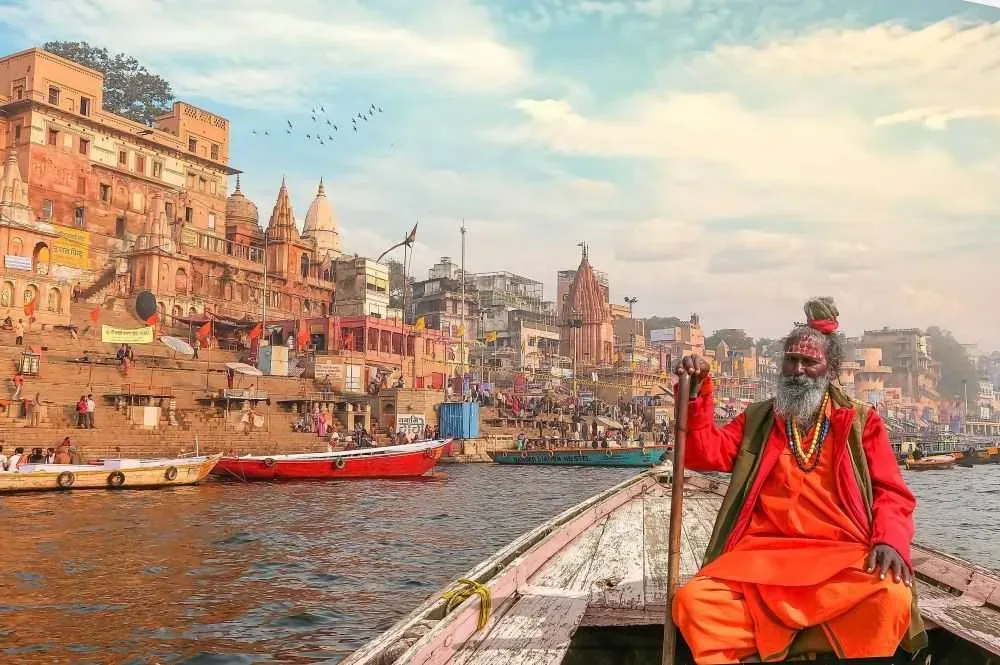
Varanasi, also known as Kashi or Benares, stands as one of the world's oldest continuously inhabited cities, with history extending back to at least the 12th century BCE. Renowned as Lord Shiva's earthly abode, this sacred city has served as a major center of Vedic religion, Hindu philosophy, arts, and spiritual culture for millennia.
The city's spiritual significance transcends mere historical importance. It represents a living laboratory where seekers can directly encounter the eternal cycles of life, death, and rebirth.
Sacred River Rituals and Practices
Varanasi's spiritual life centers around the sacred Ganges River ghats, where ritual bathing washes away accumulated karma and connects participants with the divine flow. The cremation ceremonies at Manikarnika Ghat, believed to grant immediate liberation, provide profound contemplation on life's temporary nature.
The famous evening Ganga Aarti creates one of India's most moving spiritual spectacles, as thousands gather to offer fire and devotion to the river goddess while priests perform ancient ceremonies that connect earth and heaven.
Transformative Experiences
Witnessing the continuous cycle of life and death along the ghats, combined with deep immersion in devotional rituals, provides intense moments of clarity and spiritual awakening. Many visitors report profound realizations about existence that permanently alter their life perspectives.
The city's ability to reveal both beauty and harsh reality simultaneously creates conditions for genuine spiritual breakthrough and emotional healing.
Modern Spiritual Programs
Contemporary retreat centers like NamaSTAY Varanasi offer structured spiritual programs combining yoga, meditation, sound healing, and guided cultural immersion. These programs provide accessible frameworks for Western visitors to engage meaningfully with Varanasi's profound spiritual traditions.
Best Visit Time: October through March provides comfortable weather for exploring ghats, temples, and participating in festivals.
1. Vrindavan (Uttar Pradesh): Land of Divine Love
Krishna's Sacred Playground
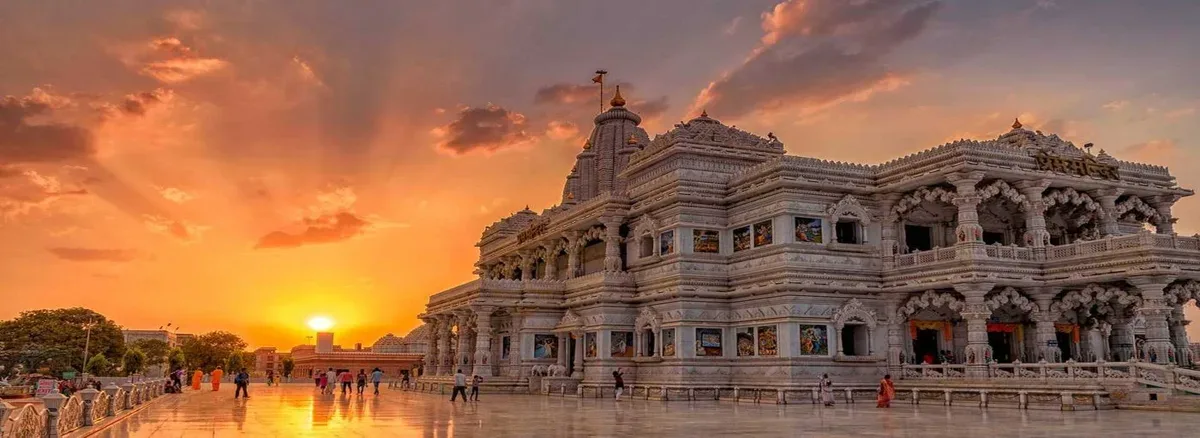
Vrindavan, located in Mathura district, holds extraordinary significance as the place where Lord Krishna spent his childhood, making it one of Vaishnavism's most sacred pilgrimage destinations. Housing approximately 5,500 temples dedicated to Krishna and Radha, this historic city breathes devotional energy.
The city's spiritual atmosphere facilitates deep personal transformation, emotional healing, and moments of divine connection that many describe as life-changing.
Devotional Practices and Community Life
Vrindavan pulses with continuous devotional activities including early morning Mangala Aarti, evening Sandhya Aarti, ongoing kirtans, bhajans, and satsangs. Ritual circumambulation (Parikrama) of sacred sites creates moving meditation experiences.
Daily bhog offerings and group chanting form integral parts of temple worship, creating communal experiences that transcend individual spiritual practice.
Sacred Sites and Mystical Locations
Vrindavan features mystical locations like Nidhivan, traditionally believed to host Krishna's nightly divine Ras Leela dance. Ancient sacred groves, the Yamuna River, and elegant temple architecture including Prem Mandir and Banke Bihari Temple create environments that support profound spiritual experiences.
International Spiritual Centers
Organizations like ISKCON Vrindavan, Radha Raman Temple Ashram, and Brahma Kumaris offer comprehensive spiritual programs including daily yoga, meditation, kirtan sessions, scripture study, and workshops on Raja Yoga, mindfulness, and devotional practices.
These centers provide structured approaches to Krishna consciousness while maintaining authentic connections to traditional practices and teachings.
Community Engagement and Service
Volunteering opportunities in temple services, sacred garment creation, and community programs allow visitors to engage in seva (selfless service) as spiritual practice. This hands-on involvement often proves as transformative as formal meditation or study.
Optimal Visit Season: October through March provides pleasant weather (10°C to 28°C) for temple visits and spiritual activities.
Conclusion: Embracing India's Transformative Spiritual Legacy
These ten sacred destinations represent far more than mere travel locations. They constitute living laboratories where timeless spiritual principles continue transforming lives through authentic practice, genuine community, and direct encounter with the divine. Each site offers unique pathways to self-discovery, emotional healing, and expanded consciousness that have guided countless seekers toward awakening.
From Auroville's experimental unity to Varanasi's ancient wisdom, from Buddha's enlightenment site to Krishna's sacred homeland, these destinations preserve and share humanity's greatest spiritual discoveries. While challenges such as climate adaptation, cultural adjustment, and physical demands may arise, these often become integral elements in the transformation process itself.
For American spiritual seekers ready to move beyond conceptual understanding toward direct experience, India's sacred geography offers unparalleled opportunities for profound personal growth. The authentic encounters with living traditions, combined with supportive communities and powerful spiritual environments, create conditions where lasting transformation becomes not just possible, but inevitable.
These destinations continue their ancient mission of awakening human consciousness, welcoming sincere seekers into the timeless dance between seeker and sought, between individual growth and universal truth. Their doors remain open, their wisdom flows freely, and their transformative power awaits those ready to receive their gifts.