About this article
In times of uncertainty and rapid change, millions of Americans are turning inward, seeking deeper meaning and authentic spiritual connection. This profound shift represents more than just a trend. It's a genuine soul revolution transforming how we understand consciousness, healing, and our place in the world.
At the heart of this movement stand remarkable spiritual teachers who have dedicated their lives to guiding seekers toward inner peace and self-realization. These influential figures, drawing from ancient wisdom traditions and modern psychological insights, offer diverse pathways to awakening that resonate deeply with Western audiences.
Their teachings span everything from mindfulness meditation and self-inquiry to compassion practices and nondual awareness. What unites them is their ability to translate profound spiritual truths into practical guidance for daily life. Through books, retreats, online platforms, and personal example, they've cultivated a new spiritual literacy that's reshaping American consciousness.
Let's explore how these pivotal teachers are illuminating the path for America's ongoing spiritual transformation.
Adyashanti
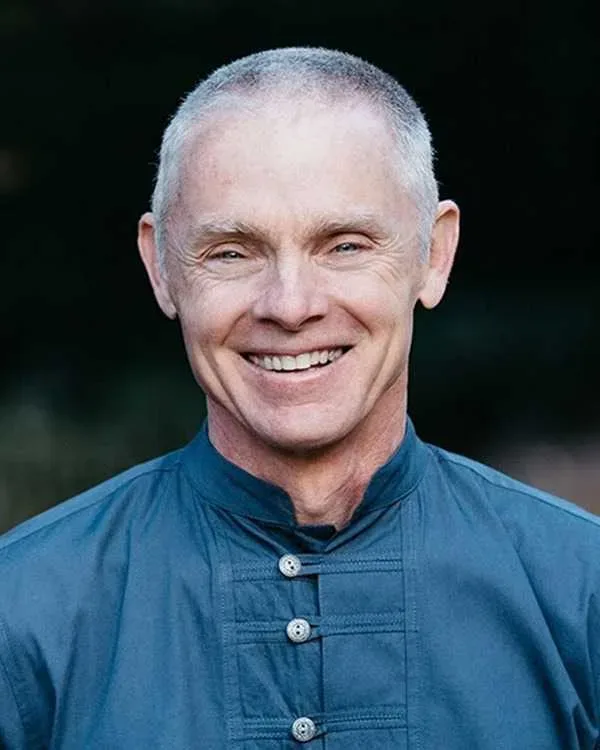
Born Stephen Gray in Cupertino, California, in 1962, Adyashanti's journey began as a competitive bicycle racer with a deep spiritual yearning. At 19, he embarked on an intense meditation practice that would span 14 years of Zen training under respected teachers like Arvis Joen Justi and Jakusho Kwong Roshi.
His first awakening experience, known as kensho, arrived in his mid-twenties during meditation. However, it was a profound realization after his marriage at 31 that solidified his awakened state. When his Zen teacher encouraged him to share his insights, Adyashanti began teaching in 1996, adopting a name meaning "primordial peace."
Beyond Traditional Boundaries
What sets Adyashanti apart is his non-denominational approach to spiritual awakening. Rather than confining himself to Zen Buddhism, he integrates insights from Advaita Vedanta, Christian mysticism, and universal spirituality. This inclusive perspective makes his teachings accessible to seekers from all backgrounds.
His core methodology focuses on recognizing our true nature beyond thought and ego identification. Through self-inquiry and meditation, students learn to experience the freedom that comes from releasing attachment to belief systems. As he often emphasizes, awakening isn't about adopting new beliefs but about recognizing the universal truth that's already present.
A Growing Global Community
Today, Adyashanti reaches over 30,000 people across 120 countries through Open Gate Sangha, the nonprofit organization he co-founded with his wife, Mukti. His official website, opengatesangha.org, serves as a hub for online courses, live streams, and Sunday gatherings focused on meditation and spiritual inquiry.
With more than 87,000 Instagram followers and appearances on platforms like Oprah Winfrey's Super Soul Sunday, his influence continues to expand. Thousands attend his retreats annually, seeking the transformational experiences of peace and clarity that many report through his guidance.
His legacy lies in demystifying spiritual awakening and making it genuinely accessible to Western audiences, proving that profound realization doesn't require years of monastic training or adherence to rigid dogma.
Byron Katie
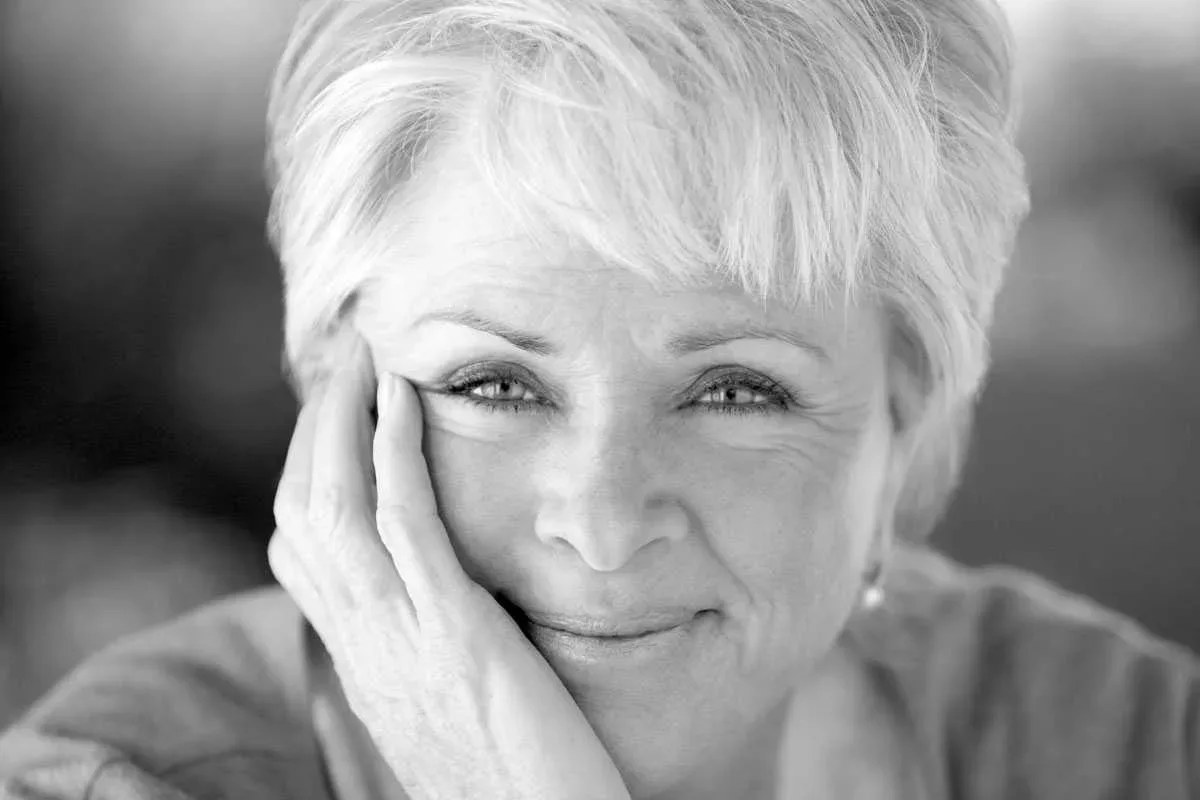
Born Byron Kathleen Mitchell Reid in rural Texas in 1942, Byron Katie's early life was marked by struggle. Despite having a career, relationships, and children, she battled depression, agoraphobia, and addiction for years. Her transformation began dramatically in 1986 at age 43, while staying at a halfway house during a period of deep despair.
Lying on the floor in her room, she experienced a profound shift in consciousness that would change not only her life but the lives of millions worldwide. This awakening led to the development of "The Work," a simple yet powerful method of self-inquiry that questions the thoughts causing our suffering.
The Four Questions That Change Everything
Byron Katie's methodology centers on four key questions applied to stressful thoughts:
- [object Object]
- [object Object]
- [object Object]
- [object Object]
This process, followed by "turnarounds" that explore opposite perspectives, aims to dissolve belief in negative thoughts and promote acceptance of reality. The beauty lies in its simplicity. Anyone can learn and apply these questions to find freedom from mental suffering.
Global Impact and Accessibility
At 82, Byron Katie continues to teach worldwide through her organization, Byron Katie International. Her official website, thework.com, offers extensive resources, including "The Work App" for guided practice. The School for The Work and Turnaround House in Ojai, California, host ongoing workshops and facilitator training programs.
Endorsed by influential figures like Wayne Dyer, Oprah Winfrey, and Marie Forleo, her teachings have reached millions through books and workshops. A global network of certified facilitators now shares her method, making this transformative approach accessible to seekers everywhere.
Many credit Byron Katie with freeing them from destructive thought patterns, healing relationships, and reclaiming mental peace. Her practical approach to self-inquiry has become a cornerstone of America's mental health and spiritual landscape.
Deepak Chopra
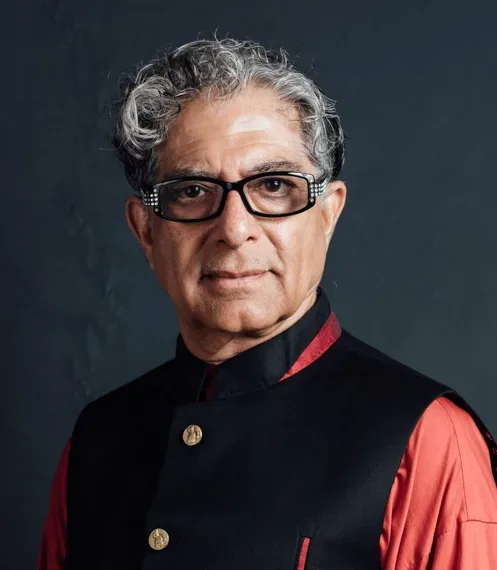
Born in New Delhi in 1946 to a prominent cardiologist father, Deepak Chopra initially followed a conventional medical path. After emigrating to the United States in 1970, he practiced internal medicine and endocrinology for years before discovering a deeper calling.
His introduction to Transcendental Meditation and Ayurveda in the 1980s sparked a profound shift in perspective. This led to his groundbreaking 1989 book, "Quantum Healing," which introduced the revolutionary concept that consciousness plays a fundamental role in physical health.
Quantum Healing and Holistic Wellness
Chopra's unique contribution lies in his ability to bridge Eastern spiritual wisdom with Western scientific understanding. His concept of "quantum healing" emphasizes how the mind influences bodily health at the cellular level. This integrative approach combines meditation, Ayurveda, positive thinking, and awareness of the interconnectedness between mind, body, consciousness, and environment.
His teachings offer practical pathways to holistic well-being through balanced nutrition, mindfulness practices, and self-awareness. Rather than viewing spirituality and science as separate domains, he demonstrates how they can work together to promote optimal health and consciousness.
Mainstream Influence and Digital Innovation
At 78, Chopra continues to reach millions through his website, deepakchopra.com, and various apps including the "Deepak Chopra" meditation app and "Jiyo" wellness platform. His social media presence spans millions of followers across multiple platforms.
Celebrity endorsements from figures like Oprah Winfrey and Gwyneth Paltrow have helped bring his message to mainstream audiences. His books have sold millions of copies worldwide, and he regularly hosts retreats and workshops that blend spiritual practice with cutting-edge wellness approaches.
Medical professionals increasingly acknowledge his role in popularizing integrative medicine, while countless followers report significant improvements in stress levels, physical healing, and emotional balance through his guidance.
Eckhart Tolle
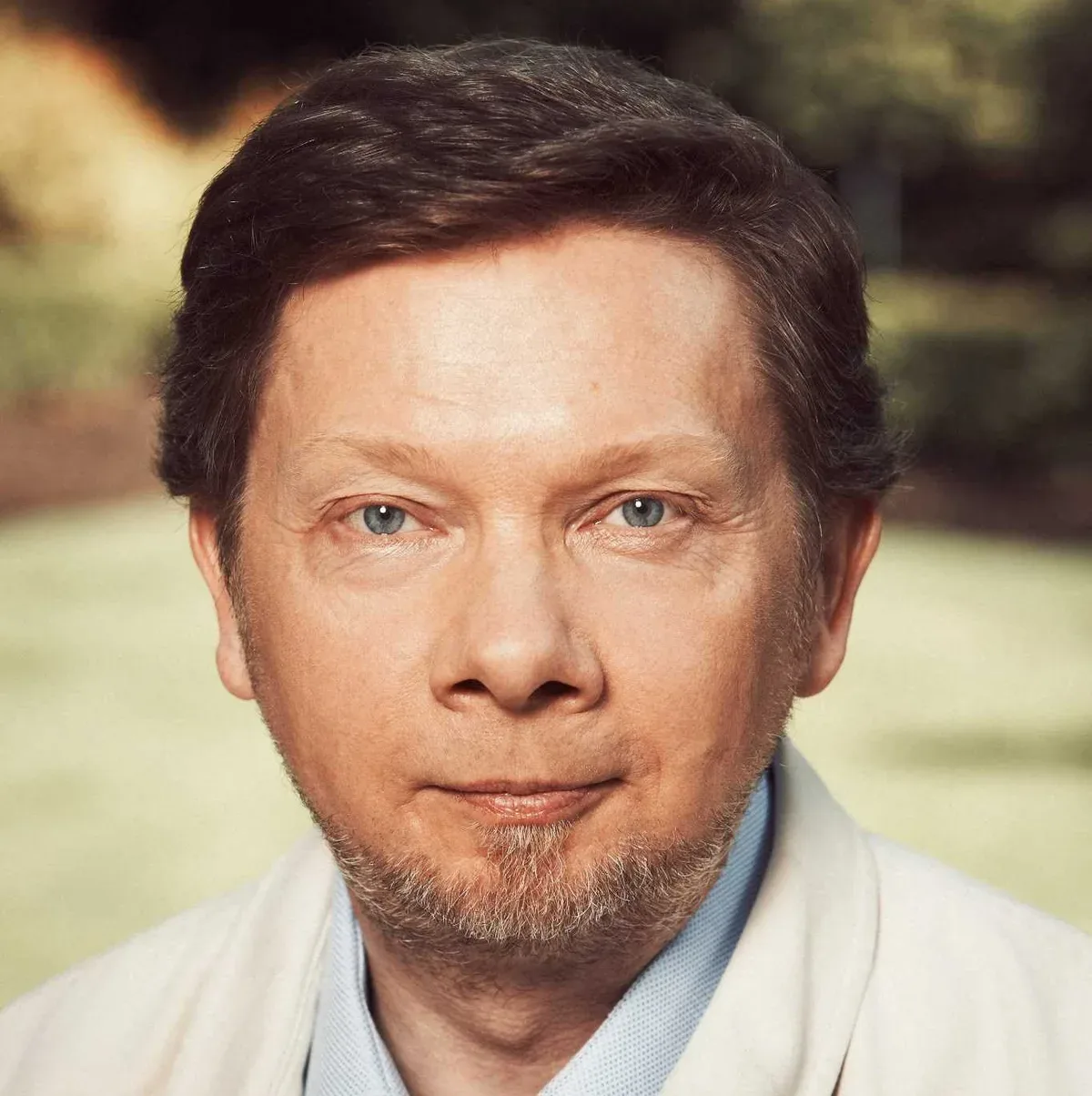
Born Ulrich Leonard Tölle in Germany in 1948, Eckhart Tolle's early life was marked by periods of deep depression and spiritual seeking across Europe. His transformation came suddenly and dramatically at age 29 in 1977, when a suicidal depression triggered a profound inner awakening.
This experience dissolved his egoic self and left him in a state of deep, blissful presence. For years afterward, he spent time in parks and monasteries, simply being in this awakened state. Eventually, he changed his first name to "Eckhart," inspired by the medieval mystic Meister Eckhart.
Living in the Now
Tolle's core teaching revolves around what he calls "the power of now." His methodology emphasizes mindfulness and present-moment awareness as the path to transcend egoic suffering. He teaches "witnessing consciousness," the practice of observing thoughts without identification or judgment.
His approach draws from various spiritual traditions, including Zen Buddhism, Christian mysticism, Sufism, and Hinduism, but emphasizes universal spirituality over any specific doctrine. The goal is dissolving the mind-made self to awaken to pure "beingness."
Global Phenomenon and Celebrity Following
Tolle's influence has reached extraordinary heights, with millions of books sold worldwide and celebrity admirers including Jim Carrey, Ariana Huffington, Paris Hilton, and Katy Perry. However, his most significant endorsement came from Oprah Winfrey, who has extensively promoted his teachings through her platforms.
His official website, eckharttolle.com, offers a membership library with over 300 hours of Q&A sessions, while "Eckhart Tolle Now" app provides guided meditations and teachings. He regularly hosts retreats worldwide, including in Rishikesh, India, drawing thousands of participants annually.
Testimonials from followers consistently highlight relief from anxiety, increased presence, and greater life fulfillment. Many credit his work with deepening their understanding of consciousness beyond mere intellectual knowledge, making him a central figure in contemporary Western spirituality.
Francis Lucille
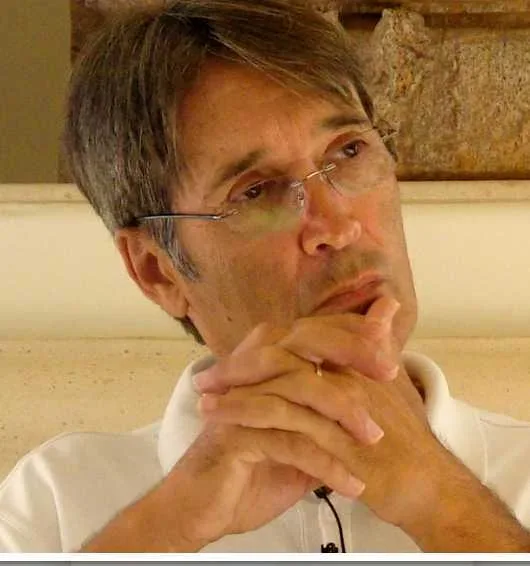
Born in France in 1944, Francis Lucille initially pursued a career in mathematics and physics, even managing missile testing for the French Armed Forces. His spiritual journey began through an encounter with J. Krishnamurti's writings, but the real transformation came in 1975 when he met Jean Klein, a renowned French Advaita teacher.
This meeting marked the beginning of his dedicated spiritual path. He maintained a close relationship with Klein until the teacher's death in 1998, absorbing the traditional Advaita Vedanta teachings that would shape his own approach to spiritual transmission.
Direct Transmission of Nonduality
Lucille represents traditional Advaita Vedanta in its purest form, emphasizing the direct realization of one's true nature beyond egoic limitations. His teachings integrate meditation, self-inquiry, and body awareness, drawing inspiration from tantric and hatha yoga traditions.
What distinguishes his approach is the combination of intellectual rigor with heartfelt personal guidance. He focuses on experiencing silence, presence, and embodied awareness, helping seekers recognize that consciousness is universal and the source of all experience.
Intimate Teaching Style
Based in California, Lucille maintains an active presence through francislucille.com and various social media platforms. He conducts retreats and teaching events worldwide, typically lasting one to two weeks, creating intimate environments for deep spiritual inquiry.
While he may not have the massive following of some contemporary teachers, Lucille is highly respected among serious spiritual seekers and fellow teachers like Rupert Spira. His influence extends through thousands of followers who appreciate his traditional approach combined with modern sensitivity to individual experience.
Students consistently report transformative experiences of peace, clarity, and direct awareness through his guidance. His personal warmth, humor, and integration of intellectual clarity with experiential practice make profound nondual teachings accessible while maintaining their traditional depth.
Gangaji
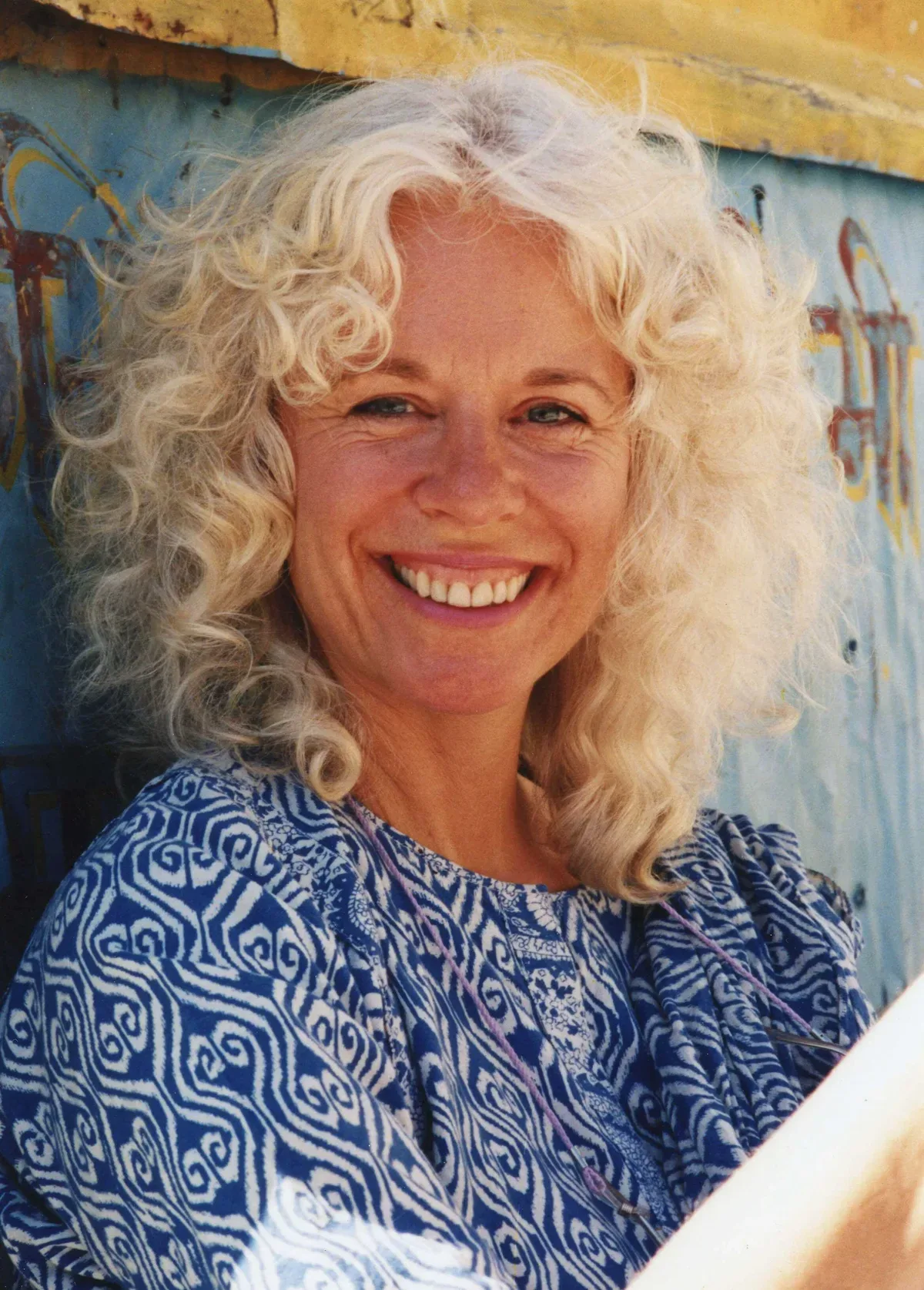
Born Merle Antoinette Roberson in Texas in 1942, Gangaji's early life included teaching in Memphis, Tennessee, and practicing acupuncture in the San Francisco Bay area. Despite having a career, relationships, and motherhood, she experienced deep dissatisfaction that would eventually lead to her spiritual transformation.
The pivotal moment came in 1990 during a trip to India, where she met Papaji (H.W.L. Poonja), a direct disciple of the legendary Ramana Maharshi. This encounter led to immediate self-recognition and the dissolution of her seeking. Papaji gave her the name "Gangaji" and encouraged her to share this awakened state with others.
The Practice of Radical Self-Inquiry
Gangaji's teaching method centers on direct self-inquiry based on Ramana Maharshi's fundamental question: "Who am I?" This approach aims for immediate self-realization rather than gradual spiritual development. She emphasizes radical truth-telling and honesty as pathways to freedom from mental conditioning.
Through satsangs (spiritual gatherings), she creates spaces for presence where participants can peel away layers of ego and conditioning. Her core message is that real peace and freedom arise when we stop resisting our present experience and recognize our true nature directly.
Global Reach from Scottish Base
Now residing primarily in Edinburgh, Scotland, Gangaji continues to teach worldwide through gangaji.org, which offers livestreamed satsangs and online teachings. The Gangaji Foundation supports her events and publishing, making her teachings accessible to seekers globally.
Thousands participate in her events annually, attending international retreats in the US, Europe, and India. Her influence extends through testimonials from followers who report deep inner transformation, release from suffering, and lasting peace through her guidance.
Many appreciate her ability to make subtle Advaita teachings accessible through warmth and clarity, guiding seekers beyond conceptual understanding to direct experience of their true nature. Her life story embodies a heartfelt invitation to embrace presence and authentic self-recognition.
Jack Kornfield
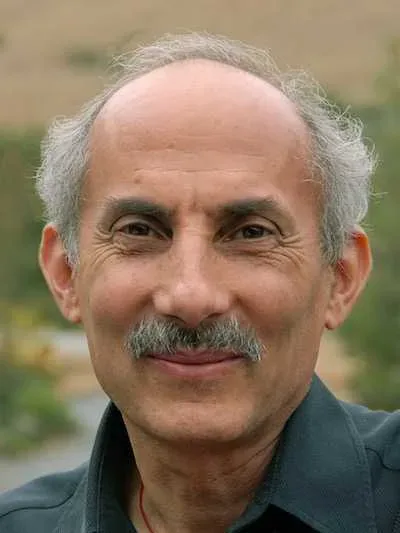
Born in the Catskill Mountains in 1945, Jack Kornfield's spiritual journey began during his Peace Corps service in Thailand in the 1960s. This experience introduced him to Buddhist meditation, leading to ordination as a monk under the respected Thai Forest master Ajahn Chah and training with Burmese meditation master Mahasi Sayadaw.
After returning to the United States in the early 1970s, Kornfield played a pivotal role in establishing meditation centers and teaching mindfulness to Western audiences. His unique contribution has been integrating traditional Buddhist practices with modern psychology, earning a Ph.D. in clinical psychology to deepen this synthesis.
Compassionate Awareness and Emotional Healing
Kornfield's teaching methodology emphasizes Vipassana (insight meditation) and Metta (loving-kindness) practices. He teaches compassionate awareness of present-moment experience while encouraging students to work with their full emotional spectrum, including difficult feelings and inner wounds.
His approach makes Buddhist wisdom practical for contemporary life, focusing on healing trauma, cultivating empathy, and developing emotional resilience. Rather than avoiding suffering, his teachings show how to meet it with wisdom and compassion, transforming pain into understanding.
Institutional Legacy and Widespread Influence
As co-founder of both the Insight Meditation Society (IMS) in Massachusetts and Spirit Rock Meditation Center in California, Kornfield has created lasting institutions that continue training teachers and students. His website, jackkornfield.com, offers extensive resources including online courses and guided meditations.
His books have sold over 2 million copies, and he's recognized as one of the foremost teachers in contemporary mindfulness circles. Through various digital platforms and social media presence, he reaches millions seeking integration of Buddhist wisdom with psychological healing.
Students consistently praise his ability to bridge Eastern meditation practices with Western psychological understanding. His teaching style combines profound wisdom with humor, compassion, and accessibility, making ancient practices relevant for modern challenges like stress, anxiety, and emotional healing.
Jon Kabat-Zinn
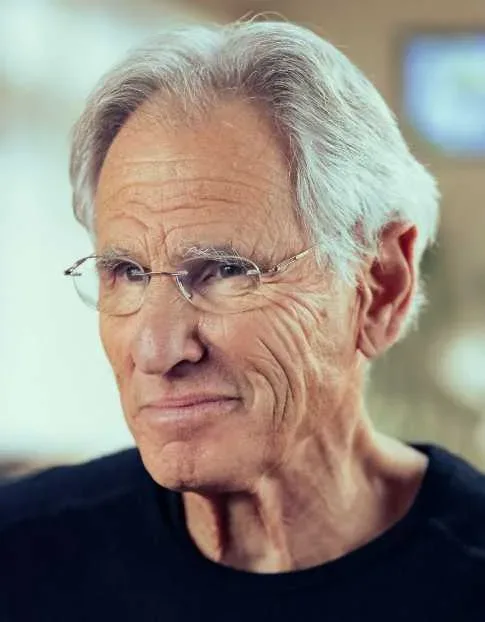
Born in New York City in 1944 to a molecular immunologist father and painter mother, Jon Kabat-Zinn grew up at the intersection of science and arts. This unique background would later inform his groundbreaking integration of Eastern contemplative practices with Western medicine.
His spiritual journey began during college years, influenced by the Vietnam War era and encounters with Zen teachers like Philip Kapleau, Thich Nhat Hanh, and Seung Sahn. A pivotal talk by Kapleau deepened his meditation practice and set the stage for his life's work.
Creating MBSR: Mindfulness-Based Stress Reduction
In 1979, Kabat-Zinn developed what would become his most significant contribution: the Mindfulness-Based Stress Reduction (MBSR) program. This eight-week evidence-based approach integrates mindfulness meditation, yoga, and body awareness to help participants cope with stress, pain, and illness.
MBSR practices include body scan meditation, sitting meditation, mindful movement (yoga), and cultivating mindful awareness in daily life. The program's secular presentation makes mindfulness accessible to people regardless of their spiritual or religious background.
Medical Validation and Global Impact
Based at the University of Massachusetts Medical School, where he founded the Stress Reduction Clinic and Center for Mindfulness, Kabat-Zinn has helped validate mindfulness through rigorous scientific research. His work has been endorsed by figures like Oprah Winfrey and former US Surgeon General Vivek Murthy.
Millions worldwide have participated in MBSR programs, with countless healthcare professionals, therapists, and patients crediting his approach with reducing stress, anxiety, and chronic pain. His website, jonkabat-zinn.com, and the "Jon Kabat-Zinn JKZ Meditations" app make his teachings widely accessible.
The scientific studies supporting MBSR's effectiveness have revolutionized how Western medicine approaches stress and mental health. Testimonials consistently highlight improved mental clarity, emotional stability, and greater life satisfaction among program participants.
Joseph Goldstein
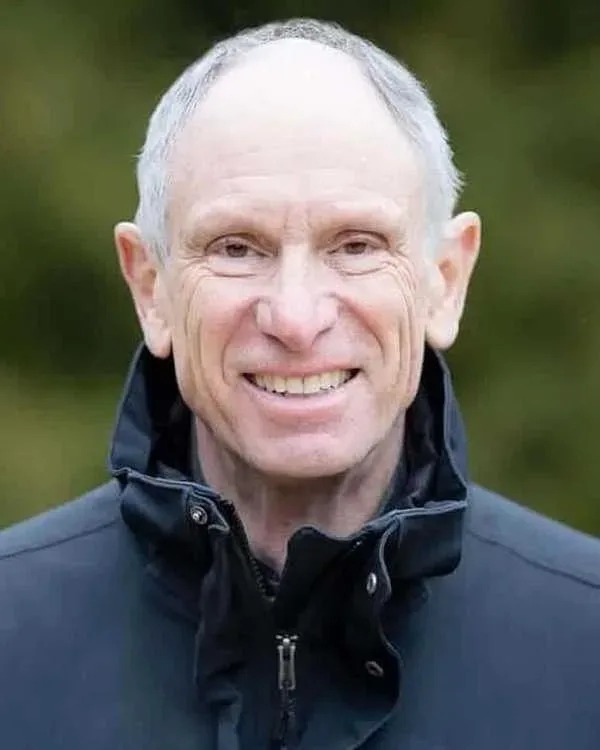
Born in the Catskill Mountains region of New York in 1944, Joseph Goldstein discovered Buddhist meditation during his Peace Corps service in Thailand in 1965. This encounter would reshape not only his life but the landscape of American spirituality.
After studying intensively under respected Asian meditation masters starting in 1967, Goldstein returned to the United States with a deep understanding of Vipassana (insight) and Metta (lovingkindness) meditation. In 1974, he co-founded the Insight Meditation Society (IMS) with Jack Kornfield and Sharon Salzberg, creating one of the most influential meditation centers in the West.
Classical Practice for Modern Lives
Goldstein's teaching approach emphasizes traditional Vipassana meditation while making it accessible to contemporary Western practitioners. He focuses on cultivating awareness, compassion, and freedom from suffering through sustained meditation practice and ethical living aligned with Buddhist precepts.
His methodology advocates gradual yet profound awakening through consistent meditation, teaching students to observe the arising and passing of mental and physical phenomena without attachment. He emphasizes that ethical conduct forms the foundation for effective spiritual practice.
Institutional Builder and Global Teacher
As guiding teacher at IMS and co-founder of the Barre Center for Buddhist Studies in 1989, Goldstein has created lasting educational institutions. The principal website for his teachings is dharma.org, while Dharma Seed (dharmaseed.org) hosts extensive archives of his talks and guided meditations.
His influence extends globally through books, podcasts, online retreats, and audio teachings available through various digital platforms. Millions have been touched by his clear, humble presentation of Buddhist wisdom, which helps practitioners develop both insight and compassion.
Students and fellow practitioners consistently recognize Goldstein for making Vipassana meditation accessible while maintaining its traditional depth. Many credit him with helping them reduce stress, cultivate genuine compassion, and awaken insight that transforms daily life.
Mark Epstein
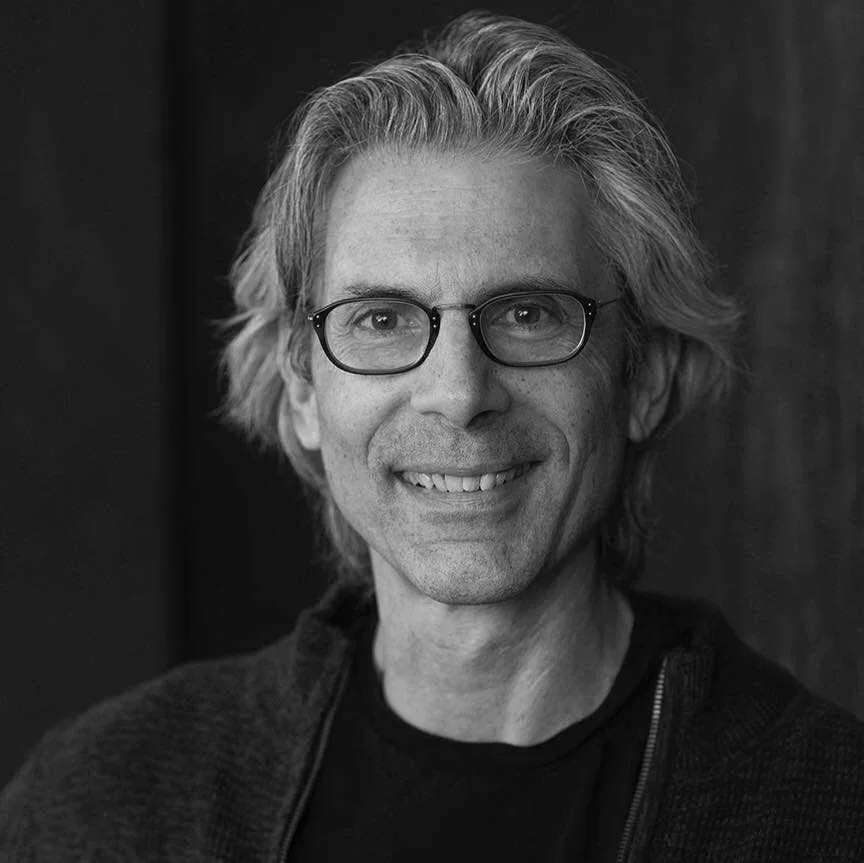
Born in New York City in 1953 to a family that valued education and cultural exploration, Mark Epstein discovered Buddhist meditation during his college years at a summer camp in Boulder, Colorado. There, he met influential teachers Joseph Goldstein and Jack Kornfield, beginning a practice that would shape his entire career.
After traveling to Ajahn Chah's monastery in Thailand with these teachers and Richard Alpert (Ram Dass), Epstein has maintained a consistent insight meditation practice since 1974. His unique path led him to Harvard Medical School and a career in psychiatry, where he began exploring how Buddhist wisdom could enhance Western therapeutic approaches.
Healing Trauma Through Buddhist Psychology
Epstein's groundbreaking work explores the intersection of psychotherapy and Buddhist meditation, particularly focusing on trauma and the Buddhist teaching of non-self (anatta). He advocates using meditation as a complement to psychotherapy for emotional and psychological healing.
His approach helps patients and readers understand how Buddhist concepts like mindfulness and non-attachment can provide new perspectives on psychological suffering. Rather than replacing traditional therapy, his method enriches it with contemplative insights about the nature of self and suffering.
Bridging Two Worlds of Healing
Through his website, markepsteinmd.com, and appearances on platforms like the "Metta Hour" podcast, Epstein reaches audiences seeking integration of spiritual wisdom and psychological health. He regularly teaches at meditation centers like IMS, sharing his insights with both therapists and spiritual practitioners.
His books have become bestsellers among readers interested in the intersection of Buddhism and psychology. Fellow Buddhist teachers and mental health professionals respect his work for providing practical tools that address trauma while honoring both Western therapeutic rigor and Eastern spiritual wisdom.
Many credit Epstein with helping them understand how meditation can complement traditional therapy, offering hope for those dealing with psychological trauma while maintaining respect for both healing traditions.
Michael Alan Singer
Born in New Rochelle, New York, in 1947 and raised in Miami, Florida, Michael Alan Singer was pursuing a doctorate in economics when his life took a dramatic turn. Around 1971, he experienced a profound inner awakening that led him to abandon his academic pursuits in favor of spiritual exploration and intense meditation.
This transformation was so significant that he chose to submit a spiritual book instead of his dissertation, dedicating himself fully to understanding consciousness and inner freedom. In 1975, he founded the Temple of the Universe to create a universal spiritual community, though he later balanced teaching with successful business ventures, including co-founding a medical software company.
Surrender and Inner Freedom
Singer's core teaching centers on surrendering resistance to life's flow as the pathway to inner freedom and peace. His methodology emphasizes mindfulness and meditation as tools for observing and detaching from thoughts and emotions without being controlled by them.
Central to his approach is learning to observe the "self" as the consciousness behind thoughts, leading to liberation from mental suffering. He teaches that by releasing attachment to mental narratives and living in the present moment with non-resistance, we can experience true inner peace.
Bestselling Author and Global Teacher
Singer's books, particularly "The Untethered Soul" and "The Surrender Experiment," have sold millions of copies worldwide, attracting endorsements from influential figures like Tony Robbins and Sage Robbins. His official website, templeoftheuniverse.org, serves as a hub for his teachings and the spiritual community he founded.
The Temple of the Universe, established in 1975, continues offering meditation classes, spiritual talks, yoga, and group chanting accessible to seekers from all backgrounds. Through podcast series and streaming talks available on various platforms, his teachings reach global audiences.
Western spiritual seekers consistently credit Singer's teachings with transformative impacts on emotional healing and inner peace. His ability to make complex spiritual concepts practical and relevant has helped countless individuals find freedom from anxiety and the ability to live with greater joy and openness.
Mooji
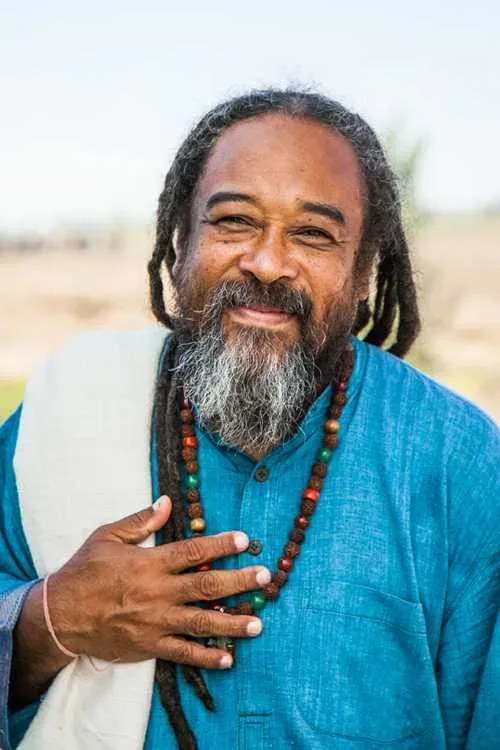
Born Anthony Paul Moo-Young in Port Antonio, Jamaica, in 1954, Mooji's early life was marked by challenges including family separation and loss. After moving to London as a teenager, he worked as a street artist to support his family, seemingly far from any spiritual path.
His transformation began in 1987 through a chance encounter with a mystical Christian that sparked his spiritual quest. This led him to India in 1993, where he met his guru Papaji (H.W.L. Poonja), a direct disciple of Ramana Maharshi. This meeting catalyzed his recognition of his own awakened nature and calling to teach.
Simple, Direct Pointing to Truth
Mooji's teaching style embodies the Advaita Vedanta tradition of nonduality, emphasizing self-inquiry and resting in our natural state of being beyond thought and identification. He conducts satsangs (spiritual gatherings) characterized by spontaneous teachings, dialogues, and direct transmission of presence.
His approach emphasizes simplicity and directness in pointing students toward their true self. Using storytelling, parables, and gentle humor, he makes profound wisdom accessible while maintaining the traditional power of Advaita teachings. His presence itself serves as a teaching tool, demonstrating the peace and freedom he describes.
Monte Sahaja and Global Reach
Mooji now resides at Monte Sahaja in Portugal, his residential retreat and spiritual center that hosts seekers from around the world. His official website, mooji.org, provides access to extensive YouTube content featuring recorded satsangs and teachings, reaching hundreds of thousands of viewers.
The "Sahaja Express" subscription service offers live satsang streaming, while thousands attend monthly in-person gatherings. His digital platforms engage tens of thousands of followers seeking direct experience of awakening and freedom from egoic suffering.
Followers worldwide credit Mooji with helping them attain lasting peace, clarity, and self-realization. His compassionate presence and ability to convey profound teachings in accessible ways have created transformational experiences for many during retreats and satsangs, establishing him as a significant voice in contemporary nondual spirituality.
Gangaji and Mooji both describe meeting Papaji in India. Papaji was a disciple of Ramana Maharshi, whose life is closely associated with Arunachala. The Silent Guru – Arunachala & Tiruvannamalai is a 6-day / 5-night journey to that sacred landscape.
Pema Chödrön
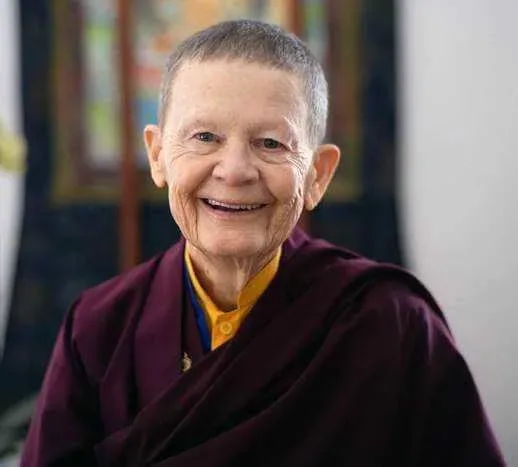
Born Deirdre Blomfield-Brown in New York City in 1936, Pema Chödrön's spiritual journey began through personal crisis. Raised Catholic, she married at 21, experienced divorce in her mid-twenties, and faced the challenges of raising two children while working as an elementary school teacher.
Her spiritual path deepened after personal crises including two divorces and periods of despair. She encountered the teachings of Chögyam Trungpa Rinpoche, becoming his student and eventually a novice Buddhist nun in 1974. Her full ordination came in 1981 from the Sixteenth Gyalwa Karmapa, and she helped establish Gampo Abbey in Nova Scotia in 1984.
Embracing Groundlessness with Courage
Now 89 and serving as Abbess of Gampo Abbey, Pema Chödrön has become renowned for teaching how to work with uncertainty, discomfort, and "groundlessness" as pathways to awakening. Her methodology combines traditional Tibetan Buddhist meditation with practical guidance for dealing with anxiety, fear, and life transitions.
She specializes in teaching loving-kindness and awareness as tools for working with difficult emotions and "panic moments." Her approach makes profound Tibetan Buddhist teachings accessible to Westerners, emphasizing courage, patience, and kindness as foundations for spiritual resilience.
Beloved Teacher and Author
Through her foundation website, pemachodronfoundation.org, Chödrön offers books, courses, and retreat opportunities to students worldwide. Her presence on YouTube and mindfulness apps has extended her reach to millions seeking practical Buddhist wisdom for everyday challenges.
Her books, particularly "When Things Fall Apart," have become modern spiritual classics with millions of copies sold globally. Endorsed by figures like Oprah Winfrey, her teachings resonate with Western audiences seeking compassionate approaches to suffering and uncertainty.
Students consistently praise her warmth, humor, and practical wisdom in addressing universal human fears. Her ability to translate Tibetan Buddhist compassion and mindfulness into accessible guidance has helped countless individuals navigate personal suffering, loss, and emotional healing with greater openness and courage.
Rupert Spira
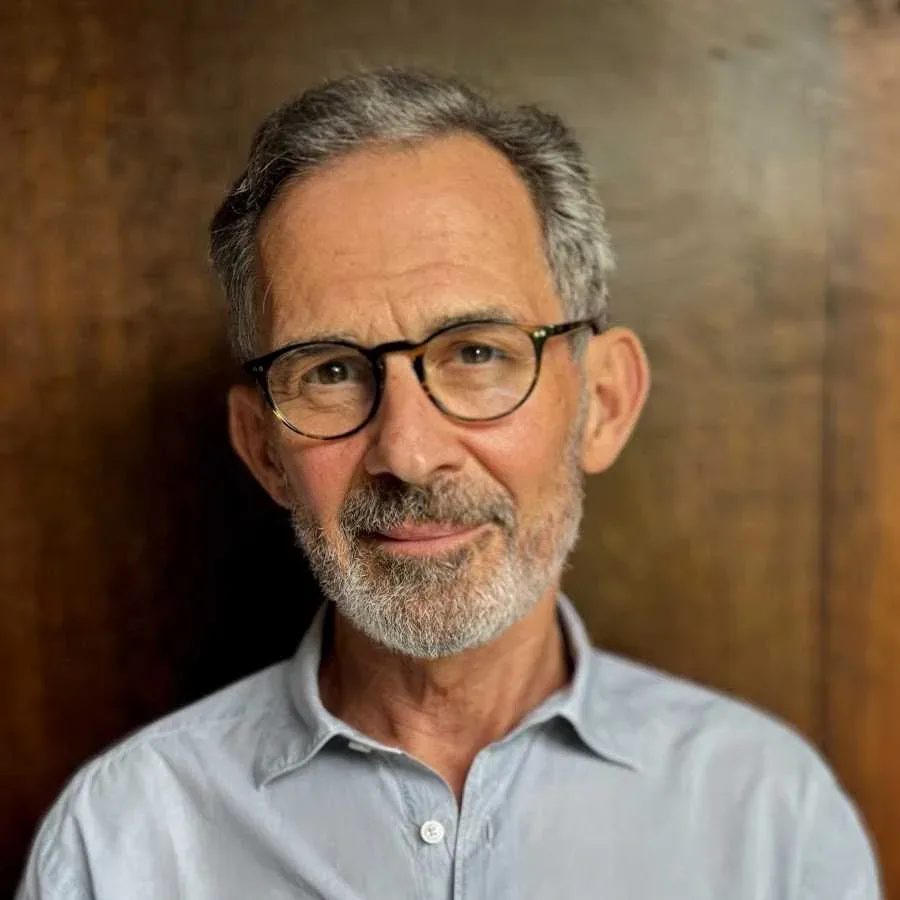
Born in London in 1960, Rupert Spira's early life included strong interests in philosophy, art, and spirituality. His spiritual journey began in his teens, inspired by the mystical poetry of Rumi and a deep curiosity about the nature of consciousness and reality.
After studying meditation from age 17 and immersing himself in classical Advaita Vedanta teachings for over 20 years, Spira met his teacher Francis Lucille in 1997. This encounter introduced him to the "Direct Path" approach and Kashmir Shaivism, eventually leading him to transition from a successful pottery career to full-time spiritual teaching in 2011.
Pure Consciousness and the Direct Path
Spira's central teaching focuses on recognizing our true nature as pure consciousness beyond the limitations of body and mind. His methodology combines philosophical inquiry with direct experiential investigation, emphasizing the peaceful awareness that underlies all experience.
He advocates meditation and self-inquiry as means to realize nondual awareness, describing spiritual awakening as recognizing the seamless oneness beneath apparent multiplicity. His approach makes complex nondual philosophy accessible through clear reasoning combined with practical meditation guidance.
Growing Influence in Nondual Spirituality
Based in Oxford, England, Spira maintains an active global presence through rupertspira.com and various social media platforms including YouTube, Instagram, Facebook, and Twitter. He offers podcasts, live webinars, and an extensive online archive of teachings for students worldwide.
His regular retreats and meetings in the UK, US, Europe, and online attract thousands of participants annually at various serene locations. While not associated with celebrity endorsements, he's highly influential in spiritual and philosophical circles, with books translated into multiple languages.
Students from diverse countries report deep personal transformation, increased peace, and clarity through his teachings. He's praised for making profound nondual philosophy practical and accessible, helping seekers awaken to experiential understanding that transcends mere intellectual knowledge.
Sharon Salzberg
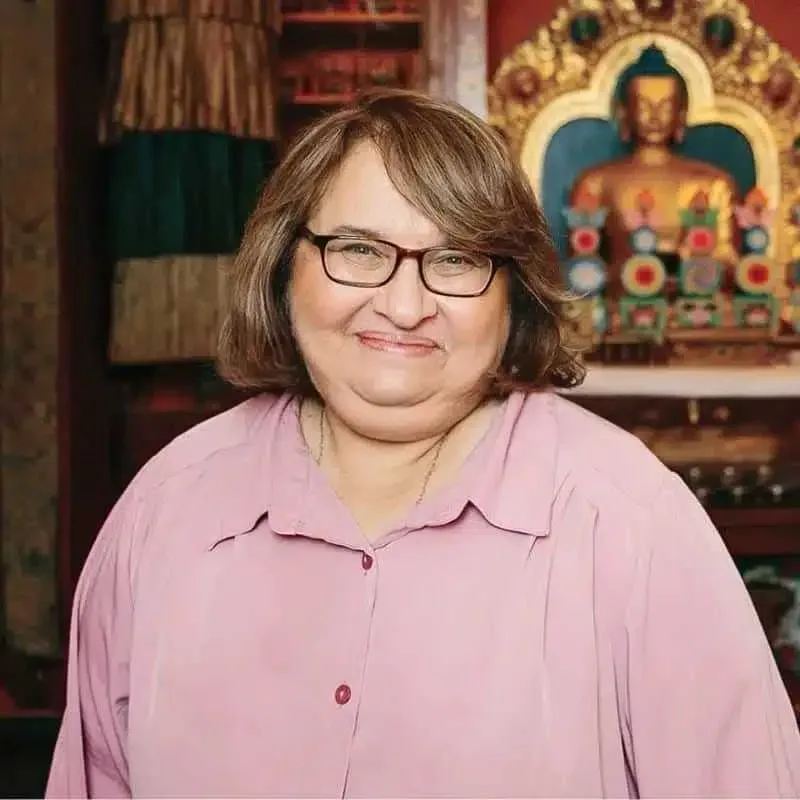
Born in New York City in 1952 into a Jewish family, Sharon Salzberg's early life was marked by significant challenges including parental divorce, her mother's death, and her father's mental health struggles. Raised by multiple families, these early experiences of loss and instability would later deepen her understanding of suffering and compassion.
Her encounter with Buddhism came in 1969 during an Asian philosophy course at SUNY Buffalo. In 1971, she attended her first intensive Vipassana meditation retreat in Bodh Gaya, India, beginning studies with S.N. Goenka and other prominent teachers. This immersion in Buddhist practice would transform both her life and American spirituality.
Loving-Kindness as Revolutionary Practice
In 1974, Salzberg co-founded the Insight Meditation Society (IMS) alongside Jack Kornfield and Joseph Goldstein, making intensive meditation experiences accessible in the West. Her particular contribution has been emphasizing Metta (loving-kindness) meditation and its transformative power for emotional healing.
Her teaching methodology focuses on compassion as both formal practice and a way of being in the world. She presents Buddhist meditation in approachable, secular contexts that resonate with diverse Western audiences, offering guided meditations and techniques for cultivating inner peace and emotional resilience.
Media Pioneer and Compassion Advocate
Through her website, sharonsalzberg.com, and active presence on Instagram and Twitter, Salzberg reaches contemporary audiences seeking practical spirituality. Her "Metta Hour" podcast has garnered millions of downloads, featuring conversations with leading spiritual teachers and authors.
Her books, including "Lovingkindness: The Revolutionary Art of Happiness" and the "Real Happiness" series, have become New York Times bestsellers. She's featured regularly on influential podcasts like "On Being" and "Ten Percent Happier," extending her reach to millions seeking meditation guidance.
As co-founder of IMS and continuing involvement with the Barre Center for Buddhist Studies and Forest Refuge, Salzberg leads meditation retreats worldwide. Students consistently report profound emotional healing, increased compassion, and greater life equanimity through her warm, clear presentation of Buddhist teachings in contemporary contexts.
Stephen Cope
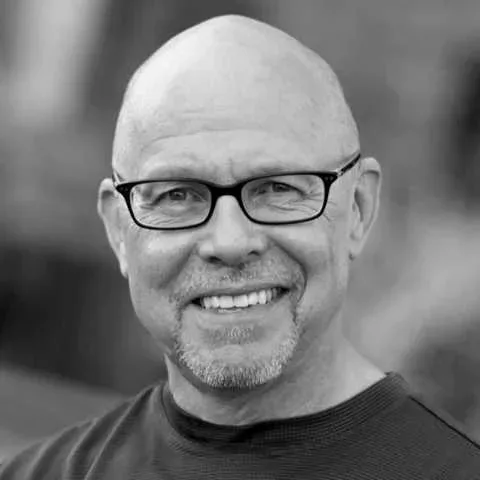
Born and raised in Wooster, Ohio, during the 1950s and 1960s, Stephen Cope grew up in an academic family with his father serving as a historian and dean. His early life included formal music training, particularly piano, and he began his career as a dancer and music accompanist before discovering his calling in integrative spirituality.
His spiritual journey intensified while studying psychotherapy at Boston University. A pivotal moment came during a 1987 retreat at the Kripalu Center, where he experienced a profound three-day state of bliss that he attributed to Shakti energy from guru Amrit Desai. This experience inspired his transition from psychotherapy to full-time spiritual teaching.
Integrating Eastern Wisdom and Western Psychology
Cope's unique contribution lies in his integration of classical yoga philosophy, particularly insights from texts like the Bhagavad Gita, with depth psychology and psychotherapy. His teachings emphasize finding one's "true self" through combined spiritual practice and psychological healing.
He's particularly known for developing "mindful yoga," which merges mindfulness meditation with asana (posture) practice. His approach advocates ethical living through the yamas and niyamas (yoga's ethical guidelines) as the foundation for effective spiritual and psychological development.
Scholar-in-Residence and Global Teacher
Based at the Kripalu Center for Yoga and Health in Stockbridge, Massachusetts, where he serves as Scholar-in-Residence, Cope reaches students through stephencope.com and active presence on Instagram and YouTube. He was also founder and former Director of the Kripalu Institute for Extraordinary Living.
His books have sold over 250,000 copies worldwide and been translated into 14 languages, while the Kripalu Center serves nearly 50,000 guests annually. He offers occasional retreats and workshops globally, focusing on the integration of yoga wisdom with psychological insight.
Students frequently report transformational experiences that integrate profound spiritual insights with emotional healing and psychological balance. His approach is recognized for helping practitioners bridge intellectual understanding with authentic personal experience, making Eastern spiritual wisdom practically applicable to Western psychological challenges.
The Continuing Revolution
These 15 remarkable spiritual teachers represent far more than individual success stories. Together, they've created a new spiritual literacy in America, offering accessible pathways to inner peace, self-realization, and conscious living that transcend traditional religious boundaries.
Their collective influence spans millions of books sold, countless retreats attended, and transformative experiences reported by students worldwide. More importantly, they've demonstrated that authentic spiritual awakening doesn't require abandoning Western life or adopting foreign cultural practices. Instead, they've shown how ancient wisdom traditions can be integrated with modern psychology, medicine, and daily living.
From Adyashanti's non-denominational approach to awakening and Byron Katie's practical inquiry method, to Deepak Chopra's integration of science and spirituality and Eckhart Tolle's emphasis on present-moment awareness, each teacher offers unique gifts. Francis Lucille and Rupert Spira maintain rigorous nondual traditions, while Gangaji and Mooji provide direct transmission of Advaita wisdom.
The Buddhist-influenced teachers, Jack Kornfield, Jon Kabat-Zinn, Joseph Goldstein, Mark Epstein, Pema Chödrön, and Sharon Salzberg, have successfully translated Eastern contemplative practices into forms that resonate with Western psychology and healthcare. Meanwhile, Michael Alan Singer's emphasis on surrender and Stephen Cope's integration of yoga with psychology complete this diverse tapestry of spiritual guidance.
A Living Legacy of Transformation
What unites these teachers isn't a single methodology or tradition, but rather their commitment to making profound spiritual truths accessible to contemporary seekers. They've created a bridge between ancient wisdom and modern life, proving that enlightenment isn't reserved for monastics or those willing to abandon their careers and families.
Their impact extends beyond individual transformation to cultural shift. Western medicine now embraces mindfulness-based interventions. Corporate wellness programs incorporate meditation. Universities offer courses on contemplative practices. Therapy increasingly integrates spiritual perspectives on healing and growth.
Perhaps most significantly, these teachers have shown that America's soul revolution isn't about importing foreign religions wholesale, but rather about discovering universal truths that speak to the human condition across all cultures and traditions. They've demonstrated that whether through self-inquiry, mindfulness meditation, loving-kindness practice, or nondual recognition, the path to inner peace and authentic living remains accessible to all.
The Journey Continues
As America's spiritual awakening continues to unfold, these teachers serve as both guides and living examples of what's possible when we dedicate ourselves to inner growth and conscious living. Their teachings offer hope in times of uncertainty, practical tools for navigating life's challenges, and inspiration for those seeking deeper meaning and connection.
Their legacy lies not just in the numbers of followers or books sold, but in the tangible transformations they've facilitated. Countless individuals report relief from anxiety and depression, healing from trauma, improved relationships, greater self-awareness, and a profound sense of peace and purpose that permeates daily life.
For those drawn to explore these teachings further, the journey begins with a simple recognition: the peace, wisdom, and love we seek externally already exists within us, waiting to be discovered. These remarkable teachers simply point the way home to our own true nature, inviting us to join America's ongoing revolution of the soul.
In a world that often feels fragmented and chaotic, their collective message offers profound hope. Through practices ranging from simple breath awareness to deep philosophical inquiry, from loving-kindness meditation to radical self-acceptance, they show us that transformation is not only possible but inevitable when we turn our attention inward with sincerity and dedication.
The soul revolution they're leading isn't just changing individual lives. It's reshaping how we understand healing, education, relationships, and what it means to live a meaningful life in the modern world. Their influence will undoubtedly continue inspiring future generations of seekers, ensuring that America's spiritual awakening remains a living, evolving movement toward greater consciousness, compassion, and authentic human flourishing.