About this article
Explore the soul-stirring depths of India's spiritual heritage with our curated guide to the top 10 destinations that beckon seekers of tranquility and enlightenment. India, renowned for its rich and varied heritage, boasts numerous spiritually active sites, yet a select few stand apart due to their geographical significance and association with divine beings. Drawing from traditional sacred texts and centuries-old traditions, we present a carefully curated list of 10 best destinations in India where every spiritual seeker should visit at least once in their lifetime. From the ancient city of Varanasi, where the sacred Ganges River flows in a timeless rhythm, to the serene town of Rishikesh, nestled in the Himalayan foothills and revered as the 'Yoga Capital of the World,' each destination holds its own unique charm and spiritual significance. Discover the best time to visit each location and immerse yourself in the rich cultural festivals that make these places truly special. Whether you seek solace in the peaceful hills of Dharamshala, home to the Dalai Lama, or find inspiration in the vibrant energy of Auroville's spiritual community, our guide will lead you on a journey of self-discovery and spiritual renewal. Explore the diverse landscapes and sacred sites of South India, where every step brings you closer to the heart of India's ancient wisdom and eternal truths.
Kashi / Varanasi
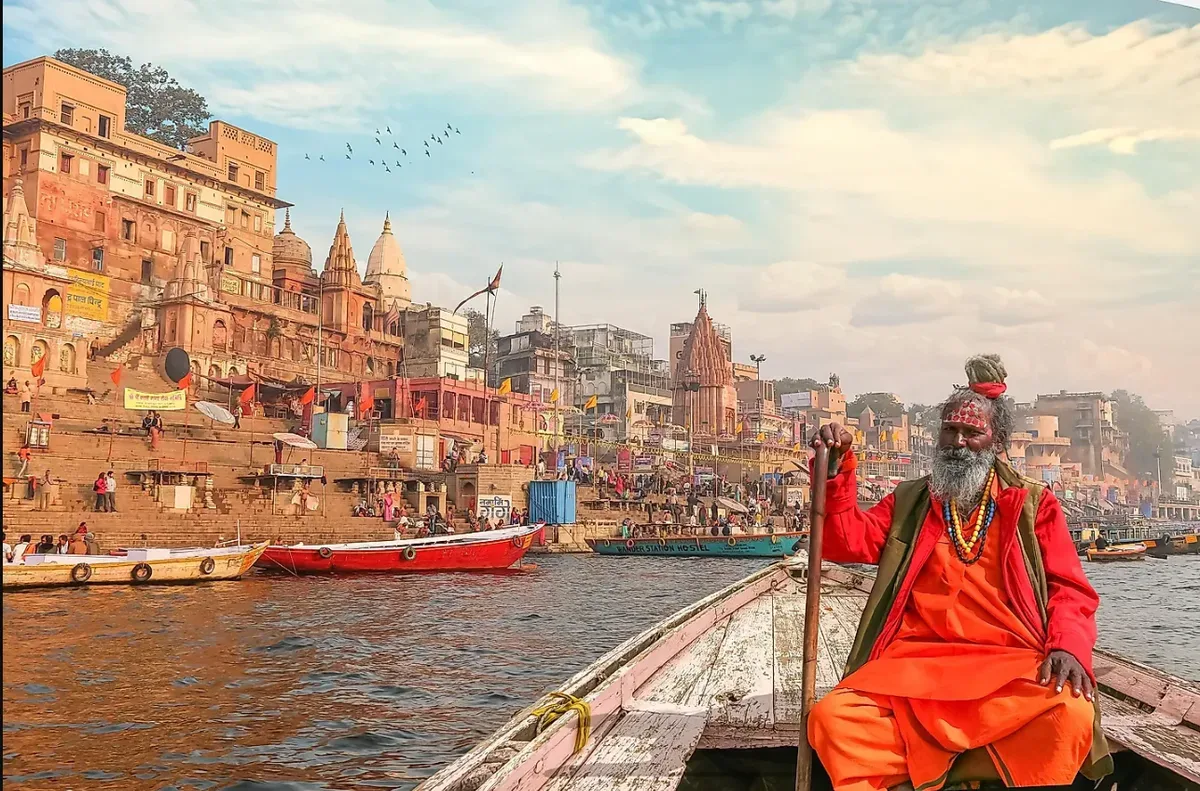
Varanasi, also known as Kashi, is one of the oldest inhabited cities in the world and is considered the spiritual capital of India. Situated on the banks of the sacred Ganges River, Varanasi is believed to be the abode of Lord Shiva. It is a place where life and death coexist, and witnessing the rituals and ceremonies along the ghats is an awe-inspiring experience.
Best time to visit: The best time to visit Varanasi is during the winter months from November to February when the weather is pleasant.
Festival: One of the most popular festivals celebrated in Varanasi is Diwali, the Festival of Lights. The entire city is illuminated with thousands of diyas (oil lamps) and fireworks, creating a mesmerizing atmosphere.
Historical Significance: Varanasi is steeped in history and mythology. It is believed to be the place where Lord Shiva himself resides and where the ancient scriptures were written. The city is also associated with great saints and scholars who have contributed to the spiritual and intellectual heritage of India.
Varanasi is older than history, older than tradition, older even than legend, and looks twice as old as all of them put together - Mark Twain
Rishikesh, Uttarakhand
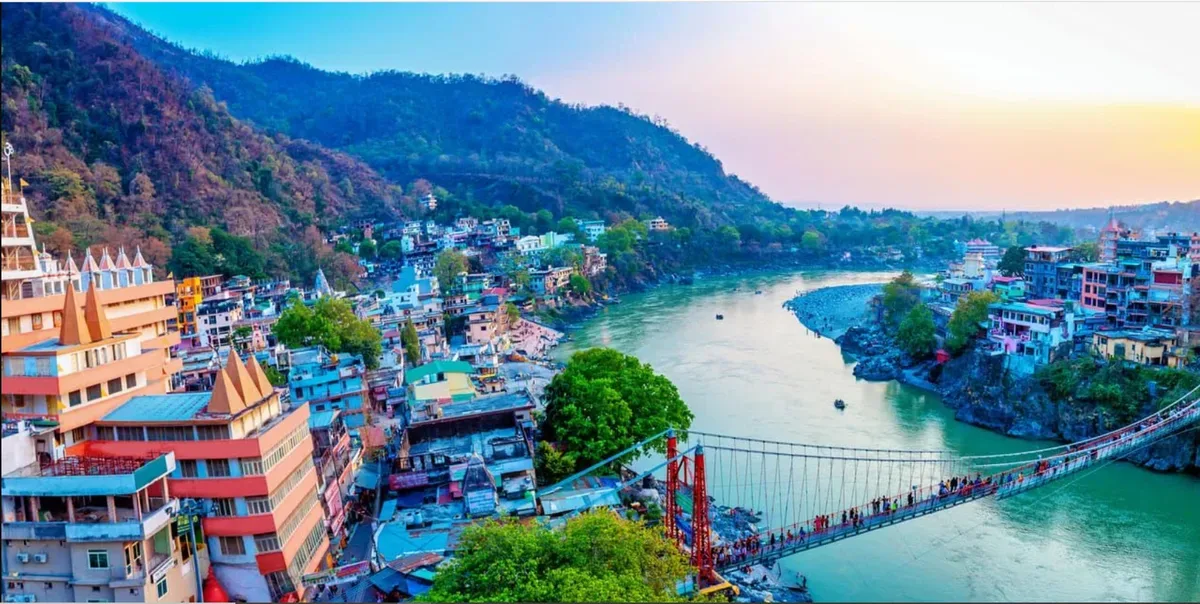
Rishikesh, located in the foothills of the Himalayas, is a sacred town known as the 'Yoga Capital of the World'. It is believed that meditation and yoga practiced in Rishikesh leads to moksha (liberation). The town is renowned for its numerous ashrams, where spiritual seekers come to learn and practice yoga and meditation.
Best time to visit: The best time to visit Rishikesh is from February to mid-April and from September to November when the weather is pleasant.
Festival: The International Yoga Festival held in Rishikesh attracts yoga enthusiasts from around the world. The festival offers a unique opportunity to learn from renowned yoga masters and participate in various workshops and seminars.
Geographical Significance: Rishikesh is situated at the confluence of the Ganges and Chandrabhaga rivers. The town is surrounded by lush green forests and majestic mountains, creating a serene and picturesque setting for spiritual practices.
Rishikesh is a place where you can find your soul - Julia Roberts
Mathura/Vrindhavan
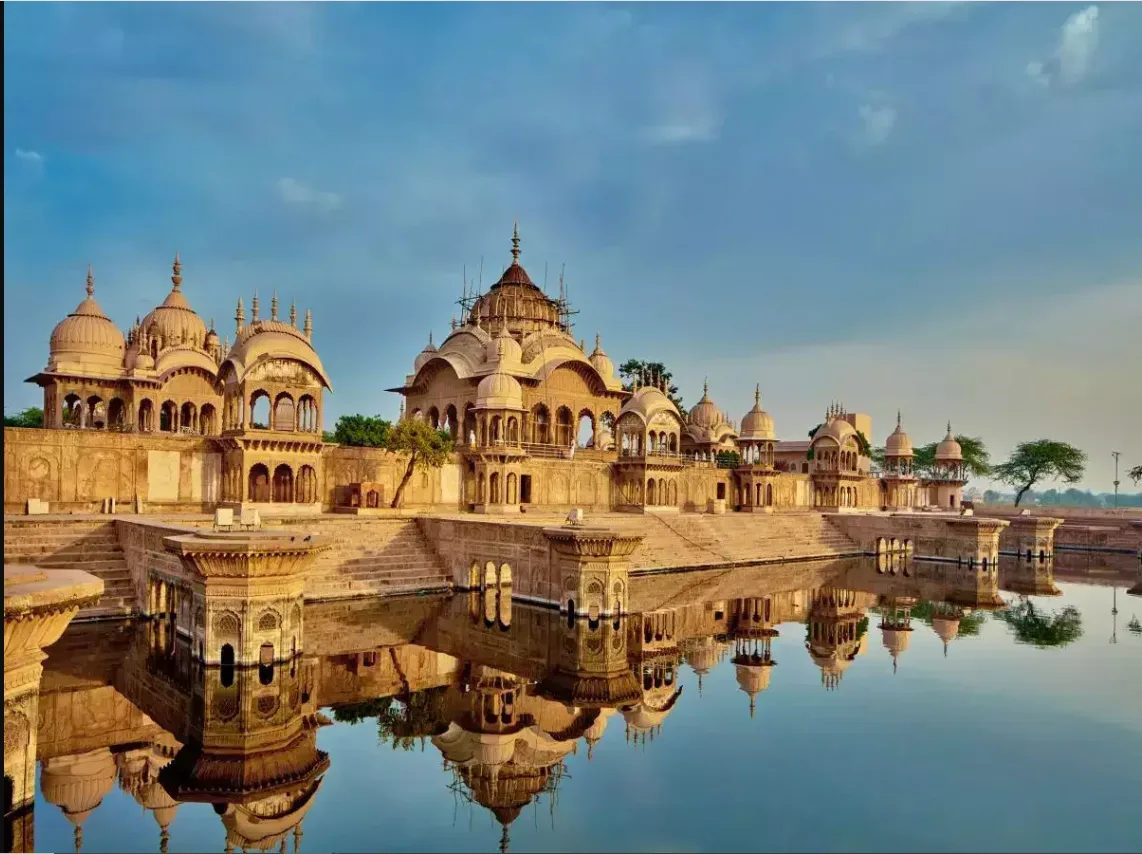
Mathura and Vrindavan, located in Uttar Pradesh, are considered the birthplaces of Lord Krishna. These twin towns are deeply revered by devotees of Lord Krishna and are famous for their temples and religious festivities.
Best time to visit: The best time to visit Mathura and Vrindavan is during the months of October to March when the weather is pleasant.
Festival: Holi, the Festival of Colors, is celebrated with great enthusiasm in Mathura and Vrindavan. Thousands of people gather to throw colored powders and water at each other, creating a vibrant and joyful atmosphere.
Historical Significance: Mathura and Vrindavan are associated with the life and teachings of Lord Krishna. The towns are mentioned in ancient scriptures and are believed to be the places where Lord Krishna performed his divine activities.
Pushkar, Rajasthan
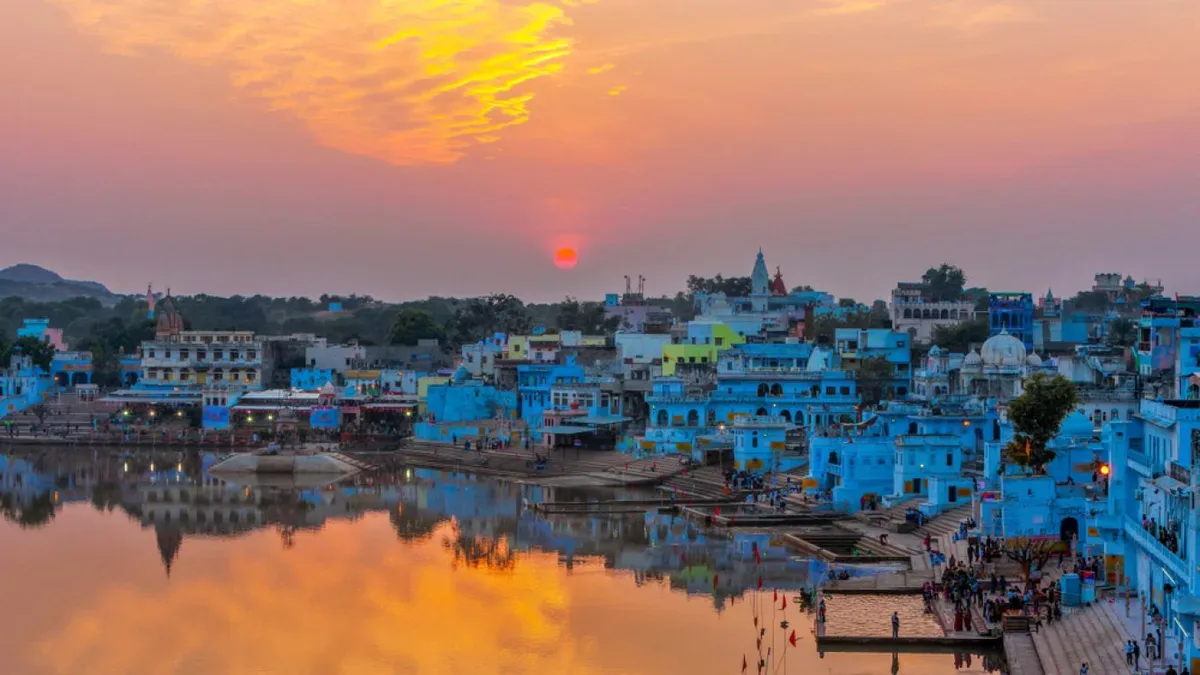
Pushkar is a holy town located in the state of Rajasthan. It is home to the famous Pushkar Lake, which is considered one of the most sacred lakes in India. The town is known for its numerous temples and the annual Pushkar Camel Fair.
Best time to visit: The best time to visit Pushkar is during the months of October to March when the weather is pleasant.
Festival: The Pushkar Camel Fair is a vibrant and colorful event that attracts thousands of tourists and locals. The fair showcases the rich cultural heritage of Rajasthan and includes activities like camel races, folk performances, and traditional competitions.
Historical Significance: Pushkar is believed to be the place where Lord Brahma, the creator of the universe, performed a yajna (sacred ritual). The town has great religious significance and is mentioned in ancient Hindu scriptures.
Dharmashala, Himachal Pradesh
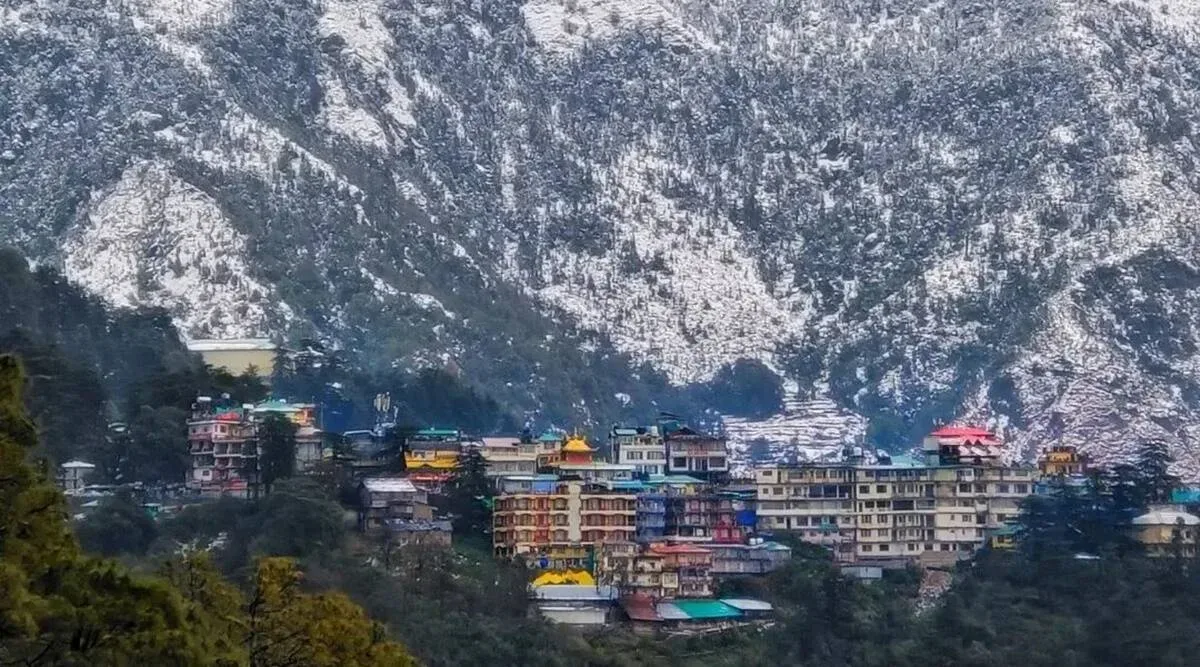
Dharamshala, located in the beautiful Kangra Valley, is a peaceful hill town that serves as the residence of the Dalai Lama. It is known for its Tibetan Buddhist monasteries and is a popular destination for those seeking spiritual solace.
Best time to visit: The best time to visit Dharamshala is from March to June and September to November when the weather is pleasant.
Festival: Losar, the Tibetan New Year, is celebrated with great fervor in Dharamshala. The streets come alive with vibrant decorations, traditional music, and dance performances.
Geographical Significance: Dharamshala is surrounded by snow-capped mountains and lush green forests, creating a serene and picturesque backdrop for spiritual practices and meditation.
Kasar Devi, Almora
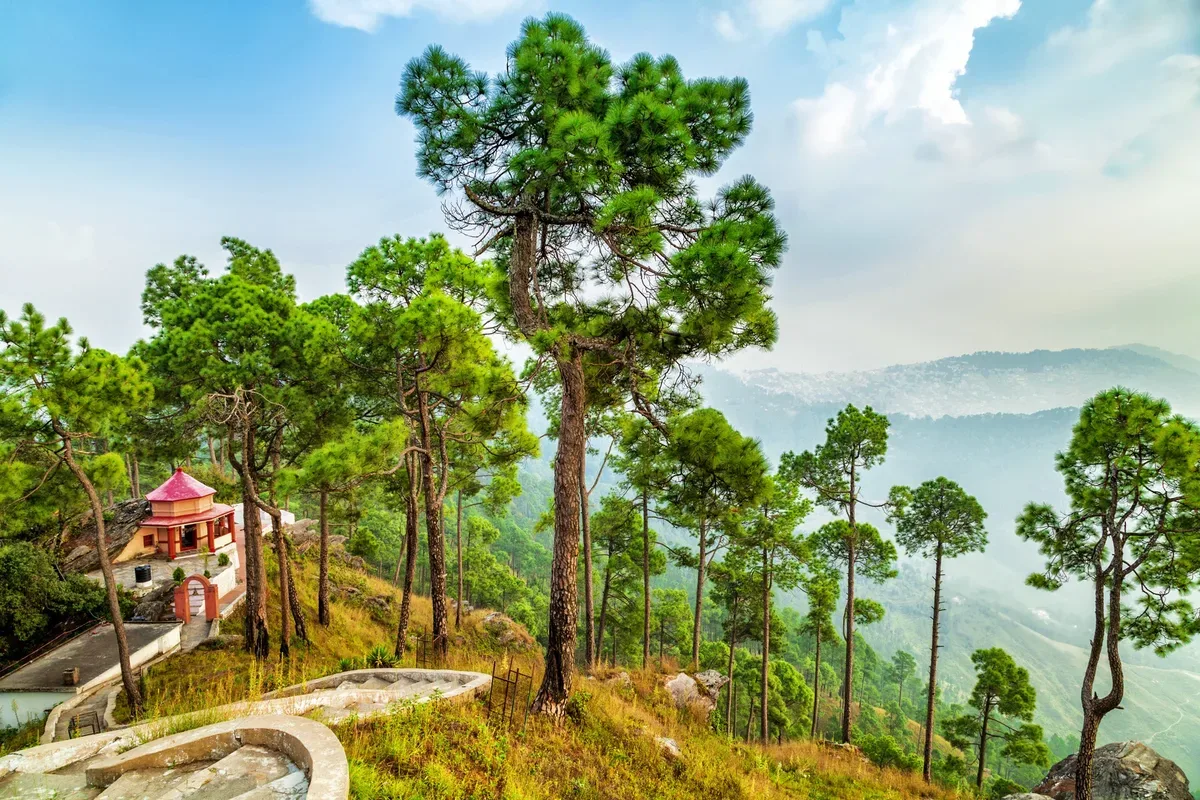
Kasar Devi, located in the Almora district of Uttarakhand, is a small village known for its spiritual energy. It is believed to be the place where Swami Vivekananda meditated and attained enlightenment.
Best time to visit: The best time to visit Kasar Devi is from April to June and September to November when the weather is pleasant.
Festival: The Kasar Devi Fair, held annually in the month of November, is a vibrant celebration of local culture and traditions. The fair includes music, dance, and various cultural performances.
Historical Significance: Kasar Devi has been a spiritual center for centuries and has attracted many renowned spiritual seekers and artists. The village is surrounded by ancient temples and offers breathtaking views of the Himalayas.
Hollywood celebrities Bob Dylan, Uma Tharman, and countless others have experienced the magic of this place.
Auroville Pondicherry
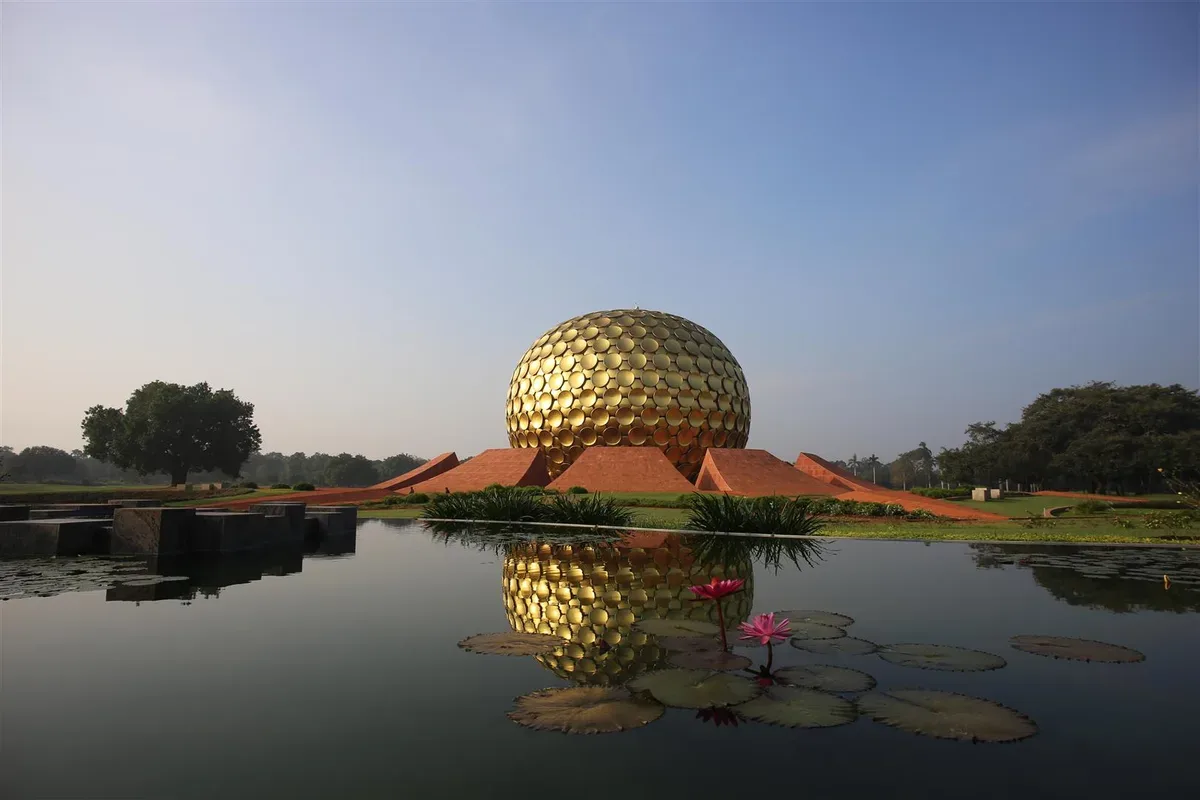
Auroville, located near Pondicherry in Tamil Nadu, is a unique spiritual community founded on the principles of peace, unity, and human evolution. It is a place where people from different cultures and backgrounds come together to live harmoniously.
Best time to visit: The best time to visit Auroville is from September to February when the weather is pleasant.
Festival: The Auroville Film Festival, held biennially, showcases films from around the world that promote the values of Auroville. The festival offers a platform for filmmakers to explore the themes of spirituality, sustainability, and human unity.
Geographical Significance: Auroville is situated amidst lush green forests and serene landscapes. The Matrimandir, a golden-domed structure at the heart of Auroville, is a symbol of the community's spiritual aspirations.
Gokarna, Karnataka
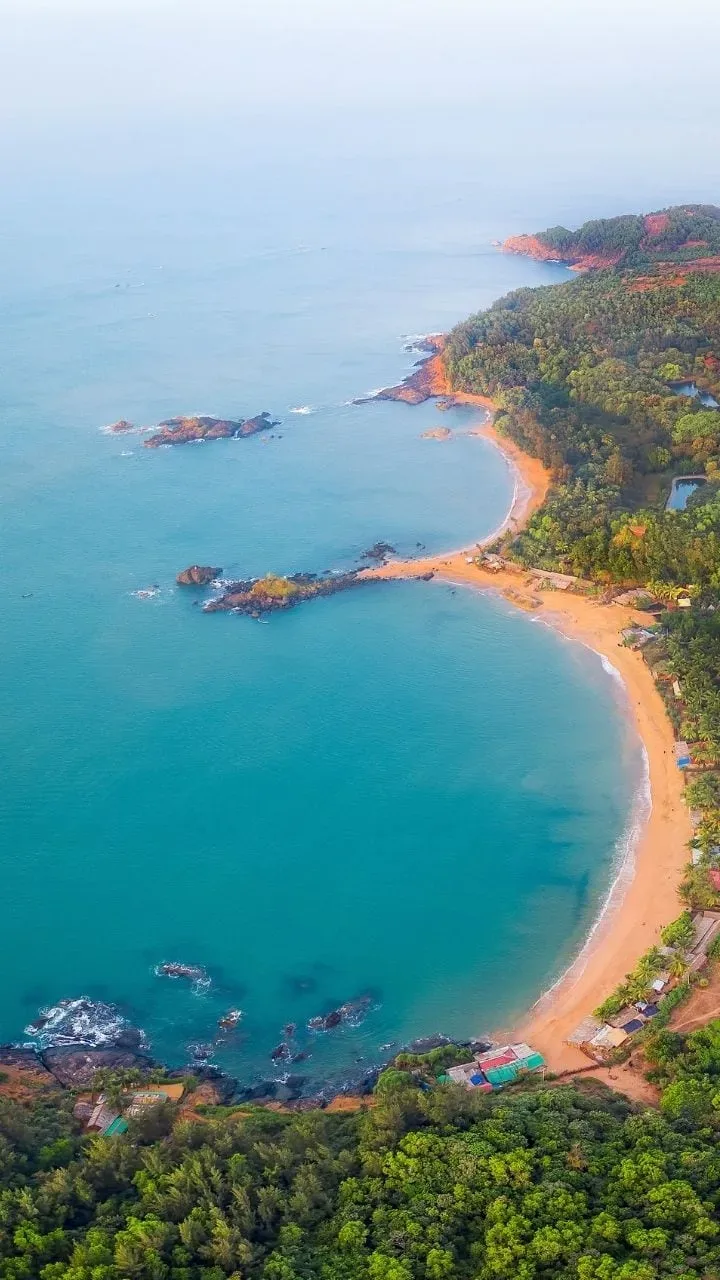
Gokarna, a small temple town in Karnataka, is known for its pristine beaches and ancient temples. It is considered a sacred place and is often referred to as the 'Benares of the South'.
Best time to visit: The best time to visit Gokarna is from October to March when the weather is pleasant.
Festival: The Mahashivaratri festival celebrated in Gokarna is a grand event that attracts devotees from all over the country. It is believed that Lord Shiva emerged from the ear of a cow (gomukh) in Gokarna, making it a significant place for Shiva worshippers.
Historical Significance: Gokarna is mentioned in Hindu mythology and is believed to be the place where Lord Shiva appeared to bless Ravana, the demon king. The town is also associated with the epic Ramayana.
Hampi, Karnataka
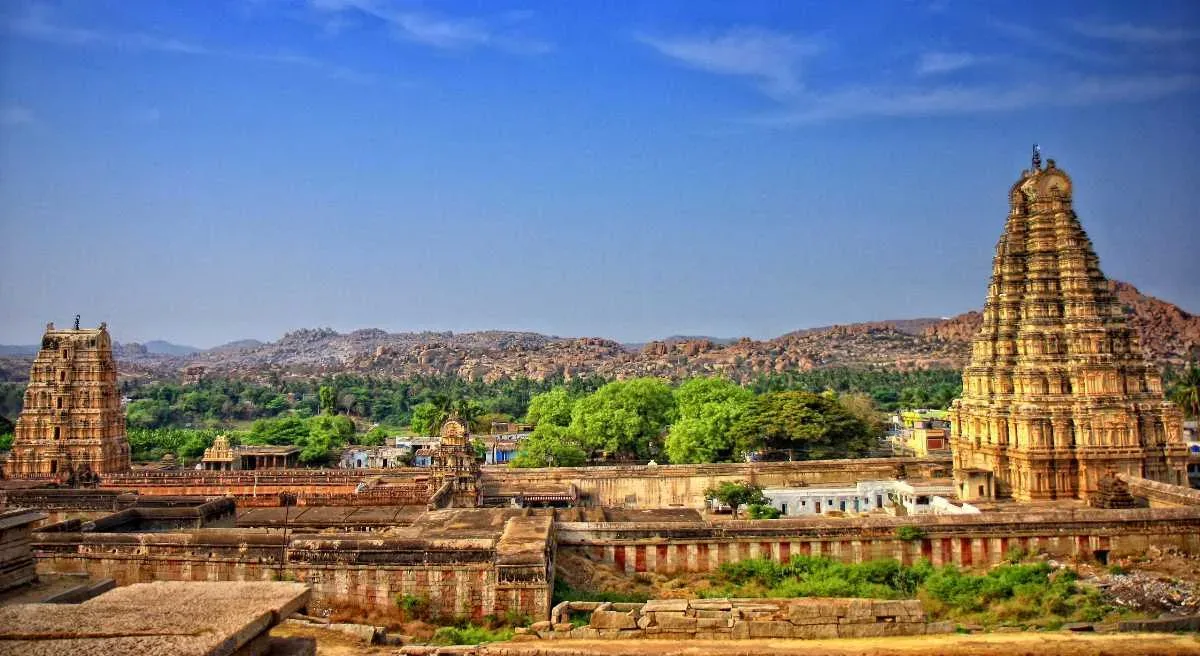
Hampi, a UNESCO World Heritage Site, is an ancient city in Karnataka that was once the capital of the Vijayanagara Empire. It is known for its magnificent ruins, temples, and rock-cut structures.
Best time to visit: The best time to visit Hampi is from October to February when the weather is pleasant.
Festival: The Hampi Utsav, held annually in November, is a cultural extravaganza that showcases the rich heritage of Hampi. The festival includes dance performances, music concerts, and a grand procession.
Historical Significance: Hampi is a treasure trove of history and architecture. The city was a thriving center of art, culture, and trade during the Vijayanagara Empire. The ruins of Hampi are a testimony to its glorious past.
Hampi is a place where the stones speak and the history comes alive - Unknown
Tiruvannamalai, Tamil Nadu
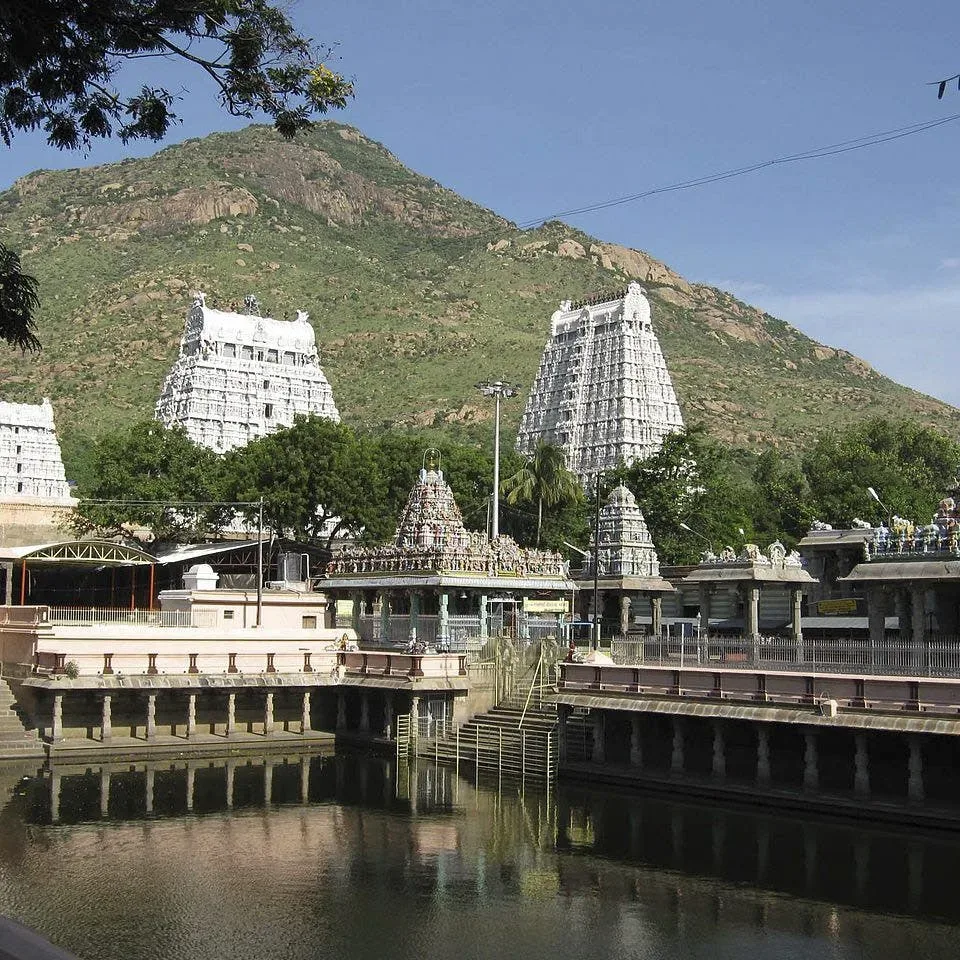
Tiruvannamalai, located in Tamil Nadu, is home to the sacred Arunachaleswarar Temple, dedicated to Lord Shiva. The town is considered one of the Pancha Bhoota Stalas (five elements temples) and is believed to be the embodiment of fire.
Best time to visit: The best time to visit Tiruvannamalai is from November to February when the weather is pleasant.
Festival: Karthigai Deepam, also known as the Festival of Lights, is celebrated with great fervor in Tiruvannamalai. The temple is illuminated with thousands of oil lamps, creating a mesmerizing sight.
Historical Significance: Tiruvannamalai is steeped in mythology and is mentioned in ancient Hindu scriptures. The town is believed to be the place where Lord Shiva appeared as a column of fire to settle a dispute between Lord Brahma and Lord Vishnu.
Arunachala was the spiritual centre of the universe, a place where the divine energy was palpable and accessible to all who sought it. - Ramana Maharishi