About this article
India, a land steeped in history, culture, and spirituality, is home to a dazzling array of festivals that reflect its rich diversity and heritage. From the colorful celebrations of Holi to the solemn rituals of Maha Shivratri, each festival holds a special place in the hearts of millions, weaving together threads of tradition, mythology, and communal joy. In this vibrant tapestry of festivities, Diwali, Holi, Navratri, Dussehra, Krishna Janmashtami, Ganesh Chaturthi, Pongal, Onam, Maha Shivratri, and Kumbh Mela stand out as shining examples of India's cultural exuberance and spiritual fervor. Join us on a journey through these enchanting celebrations, as we explore the essence and significance of each festival in the tapestry of India's cultural landscape.
Diwali - The Festival of Lights
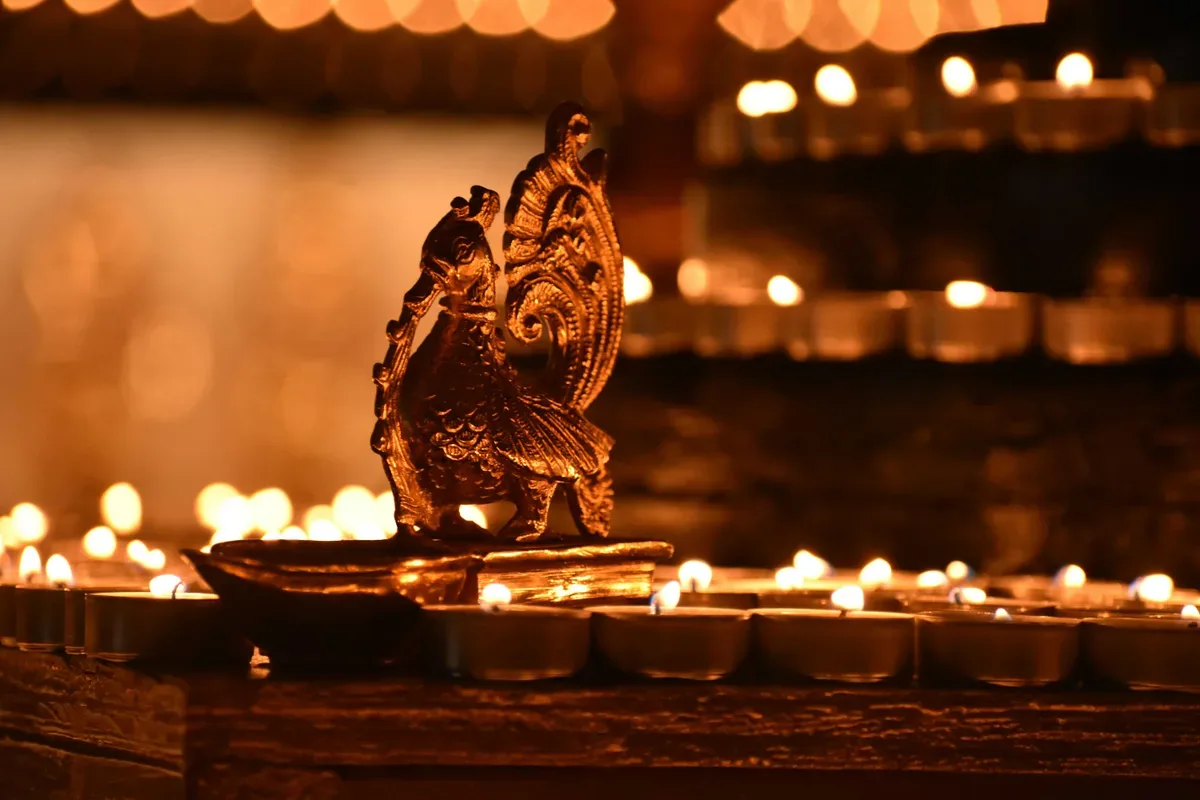
Diwali, also known as the Festival of Lights, is one of the most important and widely celebrated festivals in India. It marks the victory of light over darkness and good over evil. The festival is usually celebrated in the month of October or November, depending on the Hindu lunar calendar. The duration of Diwali varies, but it is typically celebrated for five days, with the main festivities taking place on the third day.
Diwali is celebrated across different regions and cities of India, but some of the best celebrations can be witnessed in cities like Delhi, Mumbai, and Jaipur. These cities are known for their elaborate decorations, grand fireworks displays, and the lighting of thousands of oil lamps called diyas.
The weather during Diwali varies depending on the region. In northern India, the weather is usually cool and pleasant, while in southern India, it tends to be warmer. Overall, the weather during Diwali is generally favorable for outdoor celebrations.
During the main festival of Diwali, the streets are filled with people celebrating and spreading joy. There is a festive atmosphere everywhere, with people exchanging gifts, wearing new clothes, and decorating their homes with colorful rangoli designs. The markets are bustling with activity as people shop for sweets, fireworks, and decorative items.
Overall, Diwali is a time of joy, togetherness, and spiritual significance for people across India.
Holi - The Festival of Colors
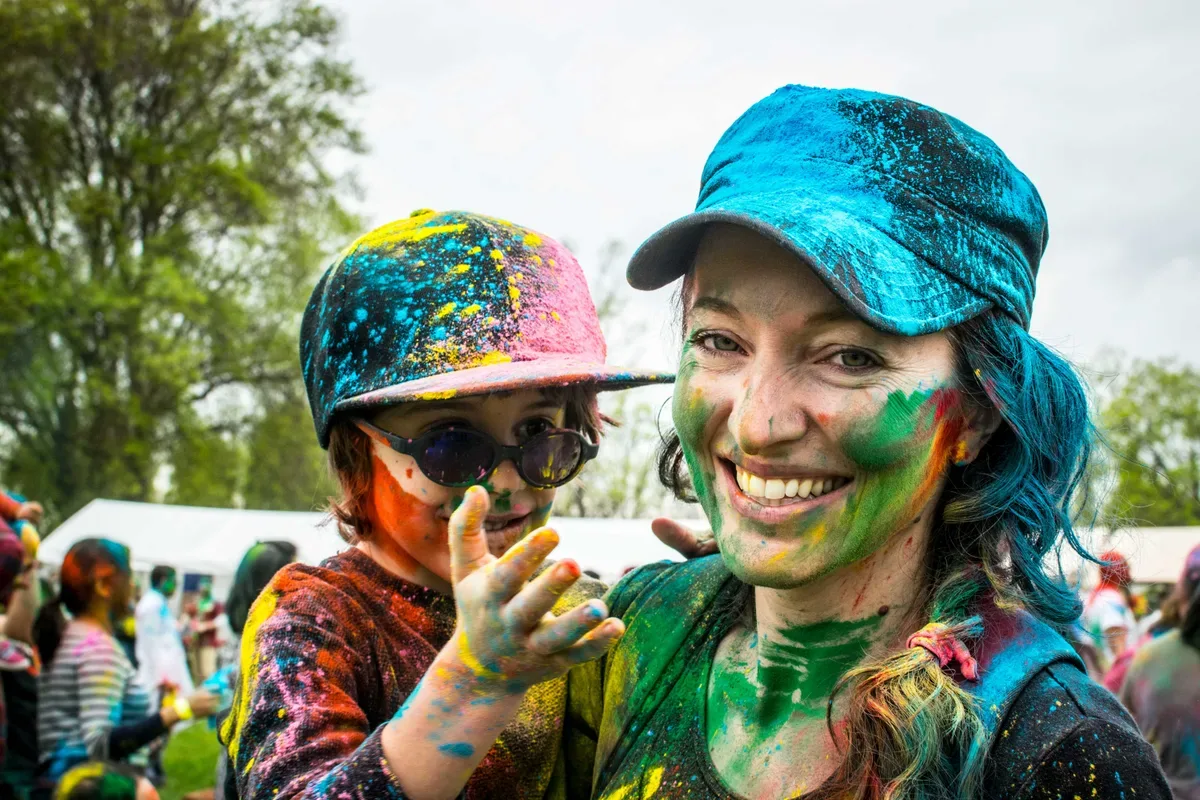
Holi, known as the Festival of Colors, is one of the most vibrant and joyous festivals celebrated in India. It is usually celebrated in the month of March, on the full moon day of the Hindu calendar month of Phalgun. The festival marks the arrival of spring and the triumph of good over evil.
Holi is celebrated with great enthusiasm and excitement across different regions of India, but some of the best celebrations can be experienced in cities like Mathura, Vrindavan, and Jaipur. These cities are known for their traditional rituals, lively music, and the throwing of colored powders and water.
The weather during Holi is usually pleasant as it falls during the spring season. The temperature is mild, making it ideal for outdoor celebrations. It is a time when people come together, forgetting all differences, and playfully drench each other in colors.
During the main festival of Holi, the streets are filled with people singing, dancing, and throwing colors at each other. Water balloons, water guns, and buckets of colored water are used to add to the festive spirit. People also indulge in traditional sweets and snacks, and the atmosphere is filled with laughter and joy.
Holi is a festival that brings people together and spreads happiness and harmony. It is a time to celebrate the beauty of life and the colors that surround us.
Navratri - The Nine Nights of Worship
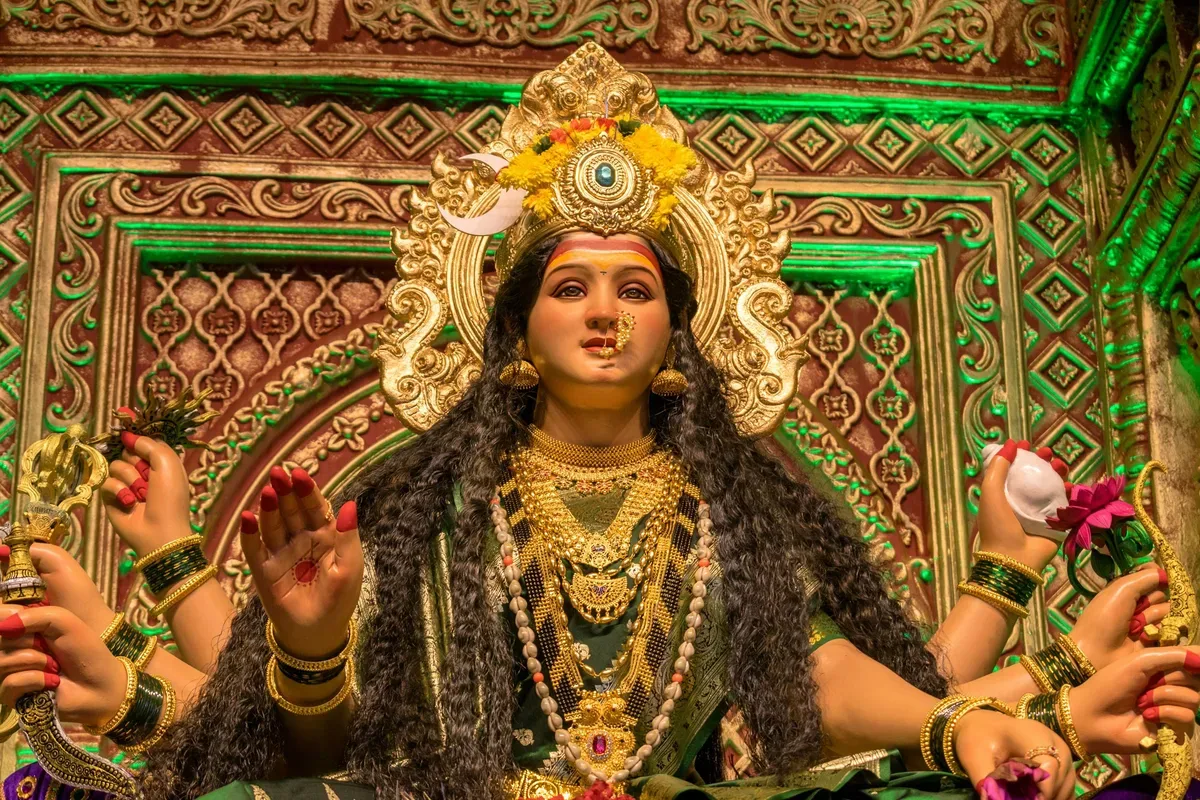
Navratri, meaning 'nine nights' in Sanskrit, is a festival dedicated to the worship of the Hindu goddess Durga. It is celebrated in the month of October or November, depending on the lunar calendar. Navratri is a time of fasting, prayer, and dance, and each night is dedicated to a different form of the goddess.
Navratri is celebrated with great enthusiasm in various parts of India, but the most extravagant celebrations can be witnessed in the state of Gujarat, particularly in cities like Ahmedabad and Vadodara. These cities are known for their vibrant Garba and Dandiya Raas dance performances, where people dress in traditional attire and dance to the rhythmic beats of the music.
The weather during Navratri is usually pleasant as it falls during the autumn season. The temperature is mild, making it comfortable for people to participate in outdoor festivities.
During the main festival of Navratri, the streets come alive with music and dance. People gather in large numbers at community centers and open grounds to perform the Garba and Dandiya dances. The atmosphere is electrifying, with colorful costumes, rhythmic music, and the clinking of traditional dance sticks.
Navratri is a time of devotion, celebration, and cultural significance. It is a festival that brings people together to celebrate the feminine power and seek the blessings of the goddess.
Dussehra
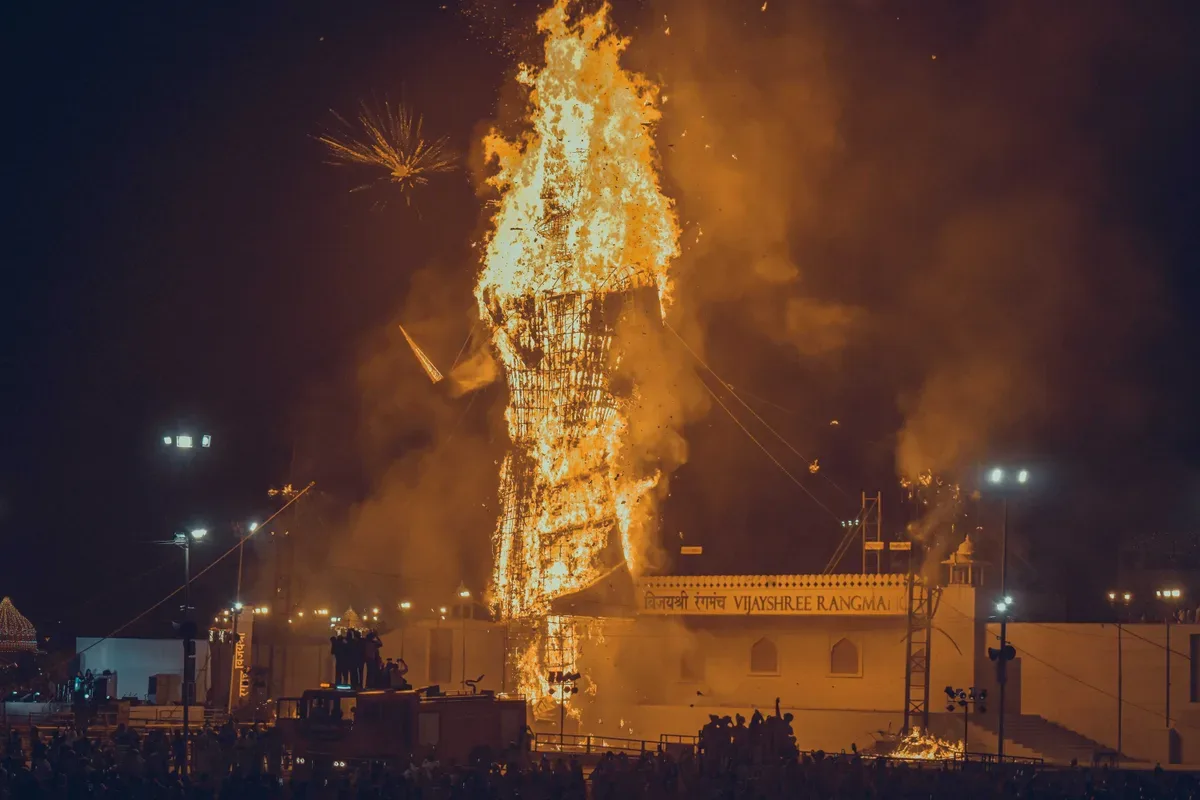
Dussehra, also known as Vijayadashami, is a major Hindu festival celebrated in India. It marks the triumph of good over evil and commemorates the victory of Lord Rama over the demon king Ravana. Dussehra is celebrated on the tenth day of the Hindu calendar month of Ashwin, which usually falls in September or October.
Dussehra is celebrated with great enthusiasm and grandeur across different regions of India. However, one of the most famous celebrations takes place in the city of Mysore in Karnataka. The Mysore Dussehra is known for its magnificent procession, which includes beautifully decorated elephants, traditional music and dance performances, and a grand display of fireworks.
The weather during Dussehra varies depending on the region. In northern India, it is usually mild and pleasant, while in southern India, it can be slightly warmer. Overall, the weather during Dussehra is generally favorable for outdoor celebrations.
During the main festival of Dussehra, large effigies of Ravana, his brothers, and his son are burnt to symbolize the victory of good over evil. People gather in open grounds to witness these effigy burnings and enjoy the cultural performances that accompany the event. The atmosphere is filled with excitement and joy as people celebrate the triumph of righteousness.
Dussehra is a festival that holds great significance in Indian mythology and is celebrated with immense devotion and enthusiasm.
Krishna Janmashtami
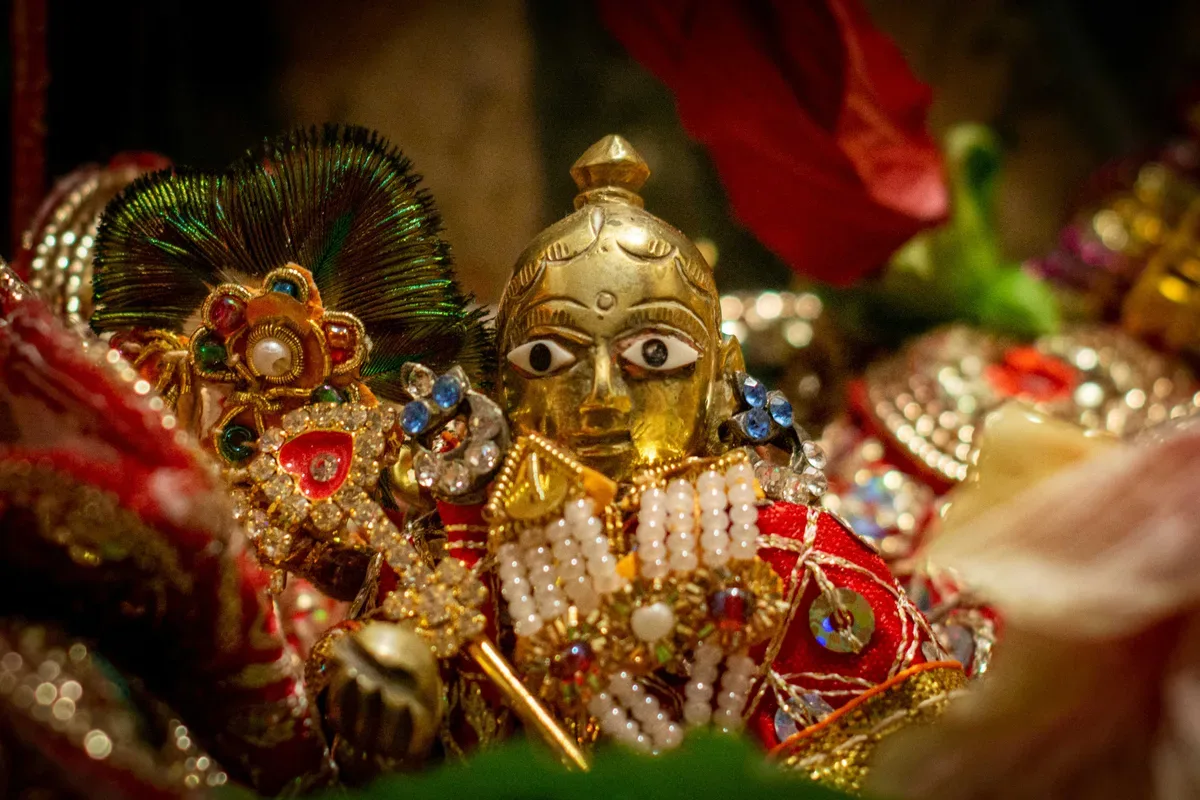
Krishna Janmashtami is a Hindu festival that celebrates the birth of Lord Krishna, who is considered the eighth avatar of Lord Vishnu. It is celebrated on the eighth day of the Hindu calendar month of Bhadrapada, which usually falls in August or September.
Krishna Janmashtami is celebrated with great devotion and enthusiasm across different regions of India. However, the cities of Mathura and Vrindavan in Uttar Pradesh are particularly known for their grand celebrations. These cities are believed to be the birthplace and childhood home of Lord Krishna.
The weather during Krishna Janmashtami varies depending on the region. In northern India, it is usually warm, while in southern India, it can be slightly cooler. Overall, the weather during Krishna Janmashtami is generally favorable for outdoor celebrations.
During the main festival of Krishna Janmashtami, temples and homes are beautifully decorated, and devotional songs and prayers are sung throughout the night. Devotees fast during the day and break their fast at midnight, the time when Lord Krishna is believed to have been born. The celebrations often include reenactments of episodes from Lord Krishna's life, such as his childhood pranks and his heroic deeds.
Krishna Janmashtami is a festival that celebrates the divine playfulness and teachings of Lord Krishna, and it is a time for devotees to immerse themselves in devotion and seek his blessings.
Ganesh Chaturthi - The Birthday of Lord Ganesha
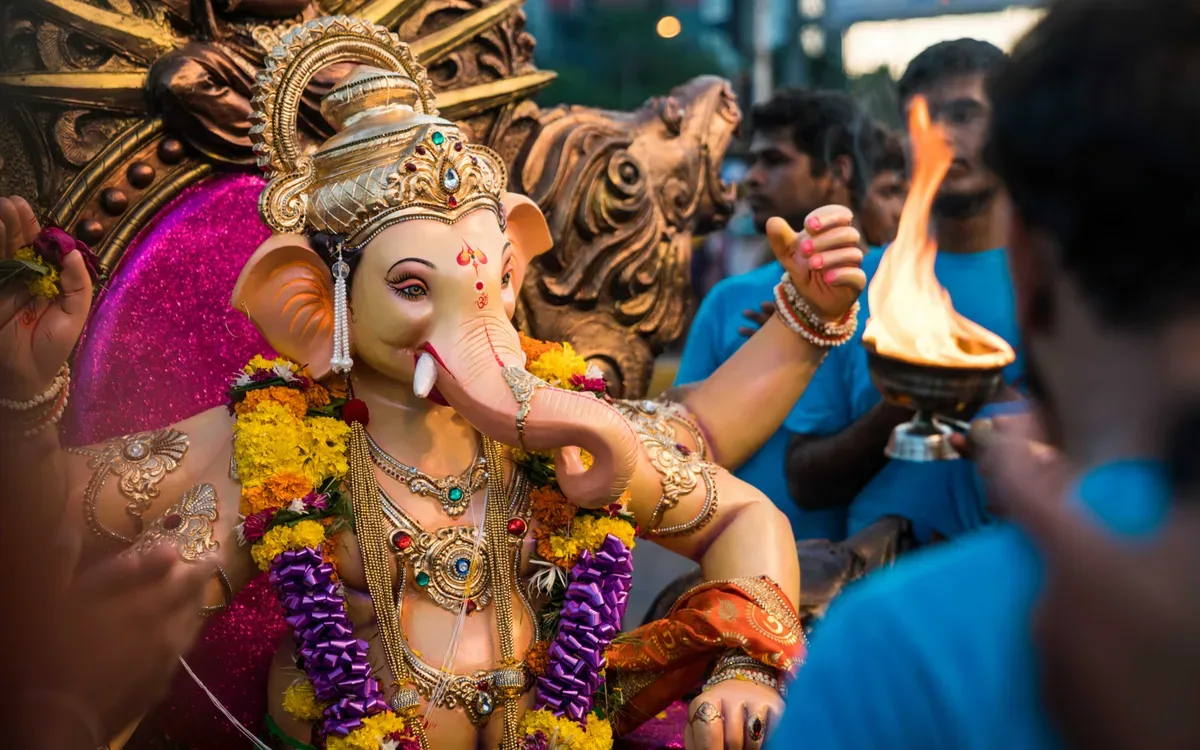
Ganesh Chaturthi, also known as Vinayaka Chaturthi, is a Hindu festival that celebrates the birth of Lord Ganesha, the elephant-headed god of wisdom and prosperity. It is celebrated on the fourth day of the Hindu calendar month of Bhadrapada, which usually falls in August or September.
Ganesh Chaturthi is celebrated with great enthusiasm and devotion across different regions of India. However, the city of Mumbai in Maharashtra is particularly known for its grand celebrations. The festival is marked by the installation of Ganesha idols in homes and public pandals, accompanied by prayers, devotional songs, and cultural performances.
The weather during Ganesh Chaturthi varies depending on the region. In western India, where the festival is widely celebrated, the weather is usually warm and humid. Overall, the weather during Ganesh Chaturthi is generally favorable for outdoor celebrations.
During the main festival of Ganesh Chaturthi, devotees offer prayers and perform rituals to invoke the blessings of Lord Ganesha. The idols of Ganesha are beautifully decorated, and devotees offer flowers, sweets, and coconuts as offerings. The festival concludes with the immersion of the Ganesha idols in water bodies, symbolizing the return of Lord Ganesha to his celestial abode.
Ganesh Chaturthi is a time of celebration, devotion, and seeking the blessings of Lord Ganesha for wisdom, prosperity, and success.
Pongal
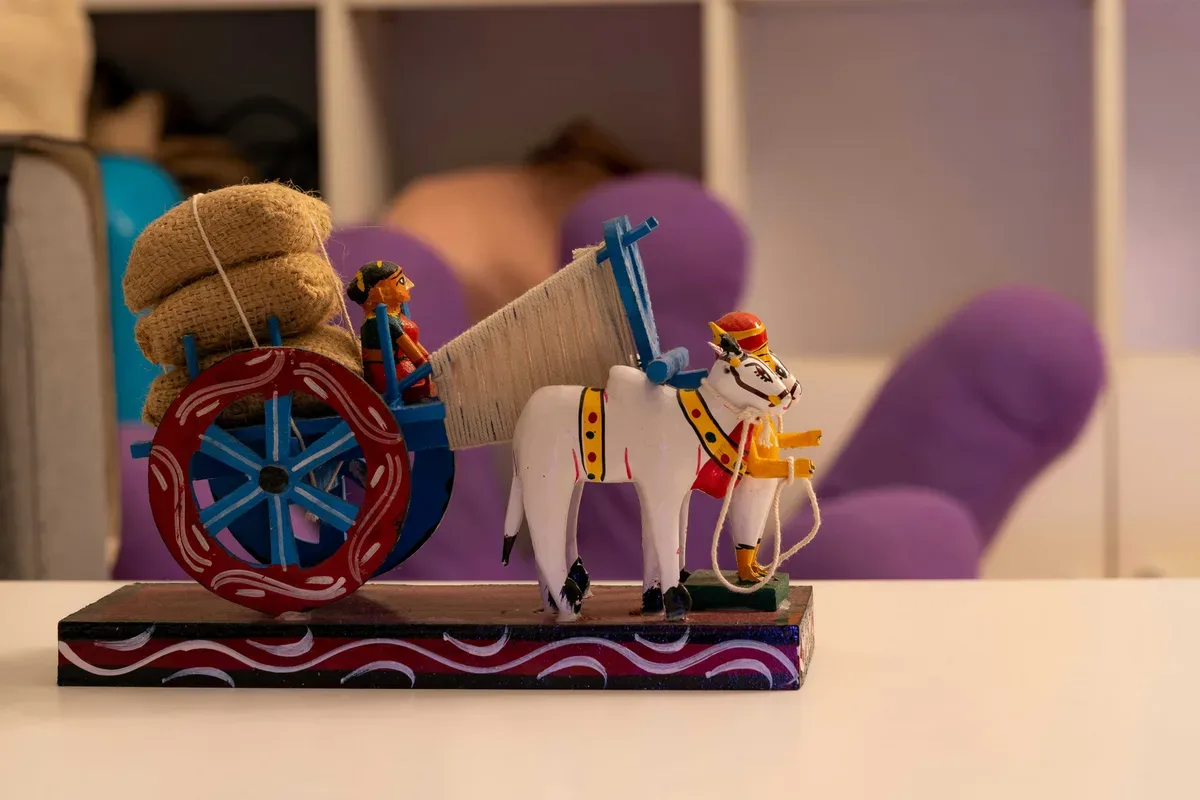
Pongal is a harvest festival that is primarily celebrated in the southern state of Tamil Nadu. It is dedicated to the Sun God and is observed for three days in the month of January, marking the end of the winter season and the beginning of the harvest season.
Pongal is celebrated with great enthusiasm and joy in rural and urban areas of Tamil Nadu. The festival is marked by the preparation of a special dish called 'Pongal' using newly harvested rice, jaggery, and other ingredients. The Pongal dish is cooked in a clay pot and offered to the Sun God as a symbol of gratitude for a bountiful harvest.
The weather during Pongal is usually pleasant as it falls during the winter season in Tamil Nadu. The temperature is mild, making it comfortable for people to participate in outdoor festivities.
During the main festival of Pongal, people decorate their homes with colorful kolam designs, wear traditional attire, and participate in cultural activities such as bull-taming, traditional music and dance performances, and sports competitions. The festival is a time for families to come together, enjoy delicious food, and celebrate the abundance of nature.
Pongal is a festival that celebrates the agricultural heritage of Tamil Nadu and the importance of the harvest season. It is a time to express gratitude and rejoice in the prosperity and abundance of nature.
Onam
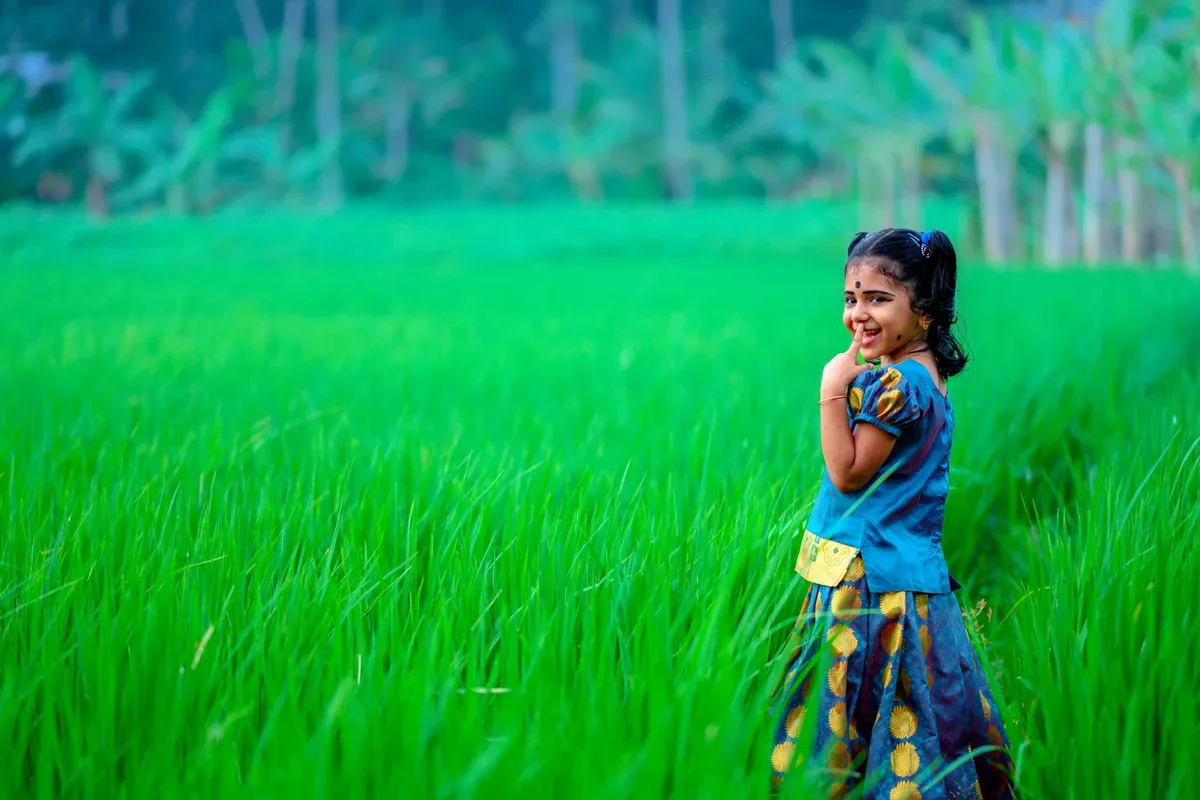
Onam is a traditional harvest festival celebrated in the southern state of Kerala. It is a ten-day festival that usually falls in the month of August or September, marking the homecoming of the mythical King Mahabali.
Onam is celebrated with great enthusiasm and cultural fervor in Kerala. The festival is marked by various activities, including traditional music and dance performances, boat races, flower decorations, and feasts. The highlight of the festival is the grand procession called 'Thiruvonam', where people dress in traditional attire and participate in a colorful parade.
The weather during Onam is usually pleasant as it falls during the monsoon season in Kerala. The temperature is moderate, making it comfortable for people to participate in outdoor festivities.
During the main festival of Onam, people decorate their homes with beautiful flower carpets called 'Pookalam' and prepare a grand feast known as 'Onasadya'. The feast consists of a variety of traditional dishes served on a banana leaf. The festival is a time when families come together, exchange gifts, and indulge in cultural activities that showcase the rich heritage of Kerala.
Onam is a festival that celebrates the spirit of unity, prosperity, and cultural diversity. It is a time for people to connect with their roots and honor the legacy of King Mahabali.
Maha Shivratri
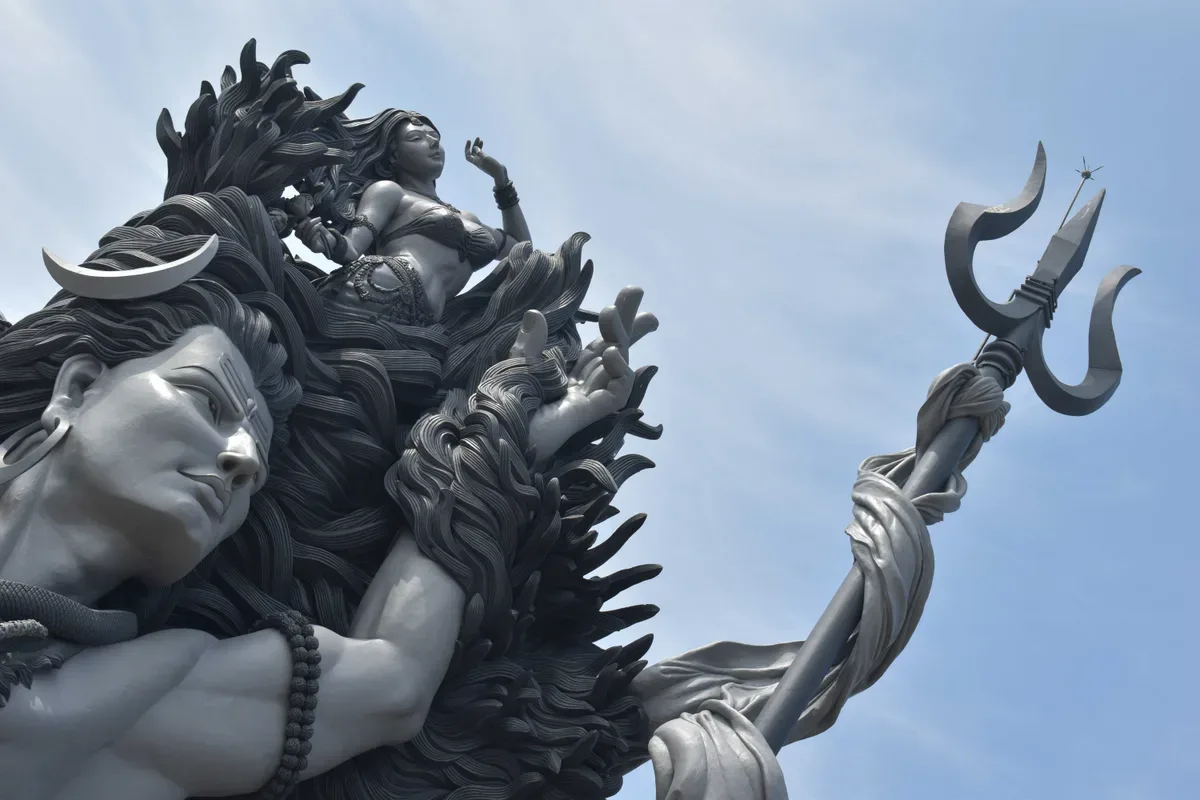
Maha Shivratri is a Hindu festival dedicated to Lord Shiva, one of the principal deities of Hinduism. It is celebrated on the 13th night and 14th day of the Hindu calendar month of Phalgun, which usually falls in February or March.
Maha Shivratri is celebrated with great devotion and reverence across different regions of India. One of the most famous celebrations takes place in the city of Varanasi in Uttar Pradesh, where thousands of devotees gather at the Kashi Vishwanath Temple to offer prayers and seek the blessings of Lord Shiva.
The weather during Maha Shivratri varies depending on the region. In northern India, it is usually cold, while in southern India, it can be slightly warmer. Overall, the weather during Maha Shivratri is generally favorable for outdoor celebrations.
During the main festival of Maha Shivratri, devotees observe a strict fast and stay awake all night, engaging in prayers, chants, and the singing of devotional songs. The temples are beautifully decorated with flowers and lights, and the air is filled with the fragrance of incense. Devotees offer milk, fruits, and flowers to the Shiva Lingam, symbolizing their devotion and surrender to Lord Shiva.
Maha Shivratri is a time for spiritual introspection, meditation, and seeking the blessings of Lord Shiva for inner peace, strength, and enlightenment.
Kumbh Mela - The Largest Gathering of Pilgrims
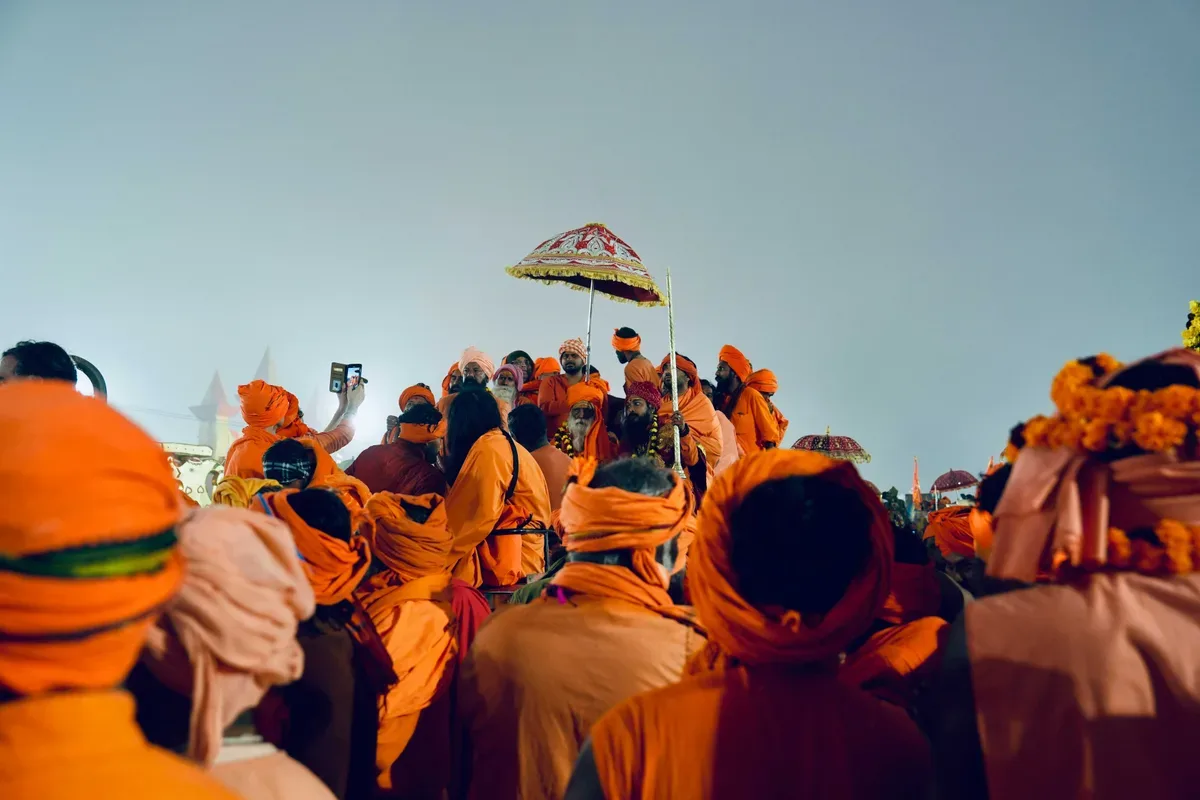
Kumbh Mela is a major pilgrimage and cultural event in India that attracts millions of devotees from around the world. It is held at four different locations in a cycle of twelve years: Prayagraj (formerly Allahabad), Haridwar, Nashik, and Ujjain. The festival is believed to be the largest gathering of pilgrims on Earth.
Kumbh Mela is celebrated for several weeks, with the main bathing dates considered the most auspicious. During the festival, devotees gather at the banks of sacred rivers, such as the Ganges, Yamuna, Godavari, and Kshipra, to take a holy dip and cleanse themselves of sins.
The weather during Kumbh Mela varies depending on the location and time of the year. In general, the festival is held during the winter or spring season, when the weather is pleasant and mild.
During the main bathing days of Kumbh Mela, the atmosphere is filled with spirituality and devotion. Sadhus and saints from various Hindu sects gather to take part in the rituals and offer blessings to the devotees. The festival also features religious discourses, cultural performances, processions, and exhibitions showcasing the rich heritage of India.
Kumbh Mela is a unique festival that showcases the diversity and unity of India's spiritual traditions. It is a time for spiritual seekers to come together, seek enlightenment, and experience the power of collective devotion.
Each festival, with its unique customs, traditions, and rituals, serves as a testament to the resilience, unity, and spirituality of the Indian people. From the vibrant colors of Holi to the luminous glow of Diwali, from the rhythmic beats of Navratri to the solemn prayers of Maha Shivratri, these celebrations resonate with a timeless message of hope, love, and harmony.
As we bid farewell to this journey, let us carry with us the spirit of these festivals – the spirit of togetherness, gratitude, and reverence for life. In the tapestry of India's festivals, we find not only a celebration of the past but also a beacon of light guiding us towards a brighter, more inclusive future. Let us cherish these moments of cultural enrichment and continue to honor the traditions that unite us as one diverse and vibrant nation.