About this article
The mid-20th century witnessed something extraordinary in Western spirituality. A wave of profound wisdom began flowing from ancient India to the shores of America and Europe, carried by remarkable spiritual teachers who would forever change how millions approached consciousness, meaning, and inner peace.
These visionary masters brought with them timeless traditions of yoga, Vedanta, and meditation, offering seekers an alternative to the prevailing materialism and conventional religious frameworks of the time. Their teachings on self-realization, universal truth, and inner transformation provided new pathways to awakening that resonated deeply with Western hearts hungry for authentic spiritual experience.
Today, we explore the lives and legacies of twenty influential Indian gurus who shaped the spiritual landscape of America and beyond. Their stories reveal not just individual journeys of enlightenment, but a collective awakening that continues to inspire seekers worldwide.
A.C. Bhaktivedanta Swami Prabhupada
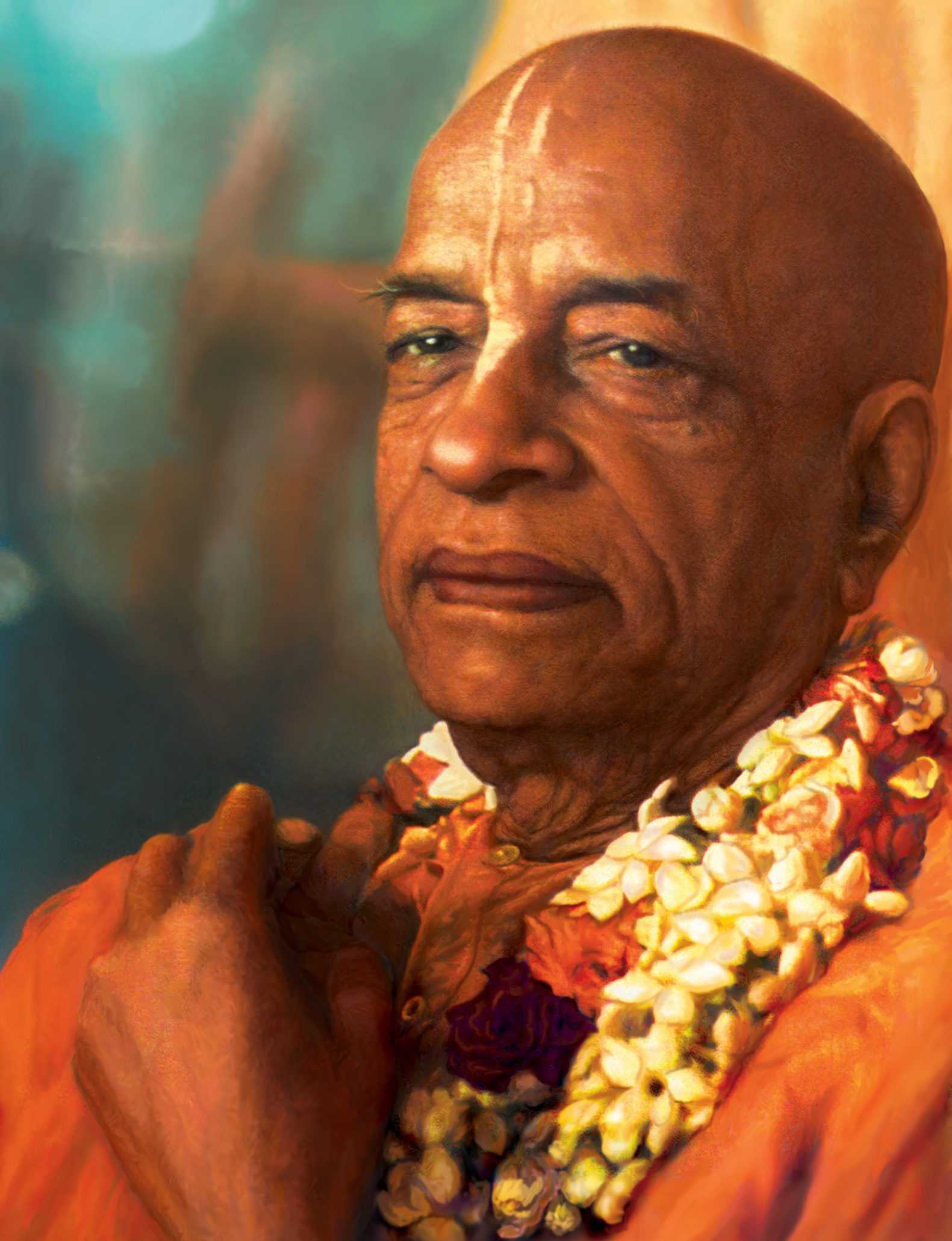
Born Abhay Charan De in 1896 Calcutta, Prabhupada's early life was marked by devotion and activism. He participated in Mahatma Gandhi's civil disobedience movement as a young man, but his spiritual destiny unfolded when he met his guru, Srila Bhaktisiddhanta Sarasvati, in 1922.
For over thirty years, Prabhupada prepared for his master's request to bring Krishna consciousness to the English-speaking world. When he finally arrived in New York City at age 69 in 1965, he carried little more than spiritual texts and an unshakeable mission.
The Bhakti Revolution
Prabhupada's teachings centered on Bhakti-yoga, the path of devotional service to Krishna through mantra meditation. The Hare Krishna maha-mantra became a bridge between ancient Vedic wisdom and modern Western hearts seeking connection with the divine.
His approach was beautifully inclusive. He taught that devotion to Krishna was accessible to everyone, regardless of background, emphasizing vegetarianism, simple living, and ethical conduct as natural expressions of spiritual love.
Building a Global Community
In 1966, Prabhupada founded the International Society for Krishna Consciousness (ISKCON), popularly known as the Hare Krishna movement. His literary contributions were immense, translating and authoring over 80 volumes of sacred texts, including accessible English versions of the Bhagavad-gita and Srimad-Bhagavatam.
By the 1970s, ISKCON had grown to over 100 centers worldwide. The movement attracted notable figures like George Harrison of The Beatles, and established communities like New Vrindavana in West Virginia became beacons of Vedic living.
Prabhupada's unique gift lay in simplifying ancient practices for contemporary practitioners. He introduced the free distribution of sanctified vegetarian food (prasadam) as a form of spiritual service, allowed women active participation in temple worship, and made Vedic ceremonies accessible to Western audiences.
His legacy endures through ISKCON's continued global presence and the countless lives transformed through bhakti practice. As he often said, "I am the servant of the servant of the servant of Krishna," embodying the humble devotion he taught.
Anandamayi Ma
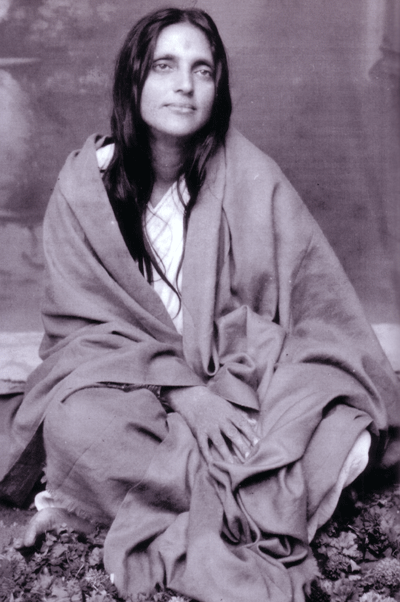
Born Nirmala Sundari Devi in 1896 in Bengal, Anandamayi Ma was recognized as a self-realized soul from childhood. Despite growing up in poverty, she displayed spontaneous meditative states and ecstatic experiences that marked her as extraordinary.
Her very name, meaning "Mother permeated with bliss," captured the essence of her teaching and presence. Though she never formally traveled to the West, her profound wisdom reached Western seekers through devoted followers and translated teachings.
The Unity of All Paths
Anandamayi Ma's teachings emphasized the essential unity of all spiritual paths and the non-dual philosophy of Advaita Vedanta. She taught that divine bliss (Ananda) and unconditional love were our natural state, accessible through meditation, detachment from material concerns, and compassionate living.
Her approach was refreshingly universal. She encouraged recognition of divinity within all beings, transcending sectarian boundaries and speaking to the heart of universal spirituality that many Western seekers craved.
Silent Transmission
What made Anandamayi Ma particularly unique was her method of teaching through presence rather than formal doctrine. Seekers from around the world traveled to her satsangs (spiritual gatherings) where her silent wisdom conveyed profound insights that words often could not express.
Her emphasis on spontaneous divine bliss and ecstatic states offered a path of joy rather than struggle. This approach resonated with Western practitioners seeking authentic spiritual experience beyond intellectual understanding.
Her legacy continues through ashrams and spiritual centers worldwide, preserving her timeless message of divine love and the motherly compassion she embodied so beautifully.
B.K.S. Iyengar
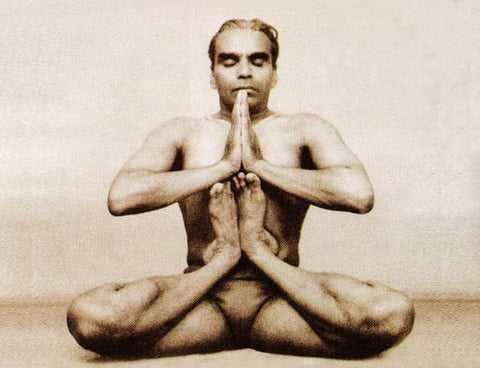
Bellur Krishnamachar Sundararaja Iyengar's early life was marked by severe illness, but these challenges became the catalyst for his revolutionary approach to yoga. Born in 1918, he began learning yoga at 15 under his brother-in-law, Tirumalai Krishnamacharya, transforming personal healing into a gift for humanity.
The Science of Alignment
Iyengar developed what became known as Iyengar Yoga, a system renowned for its focus on precise alignment, systematic sequencing of postures, and therapeutic applications. He demonstrated that yoga could be both spiritually transformative and scientifically rigorous.
His groundbreaking book "Light on Yoga" (1966) became a foundational text, combining practical instruction with spiritual philosophy in a way that made ancient wisdom accessible to Western practitioners.
Innovation Through Props
One of Iyengar's most significant contributions was his innovative use of props like blocks, belts, chairs, and ropes. This approach made yoga accessible to people of all ages and physical conditions, dramatically expanding who could practice and benefit from these ancient teachings.
The first Iyengar Yoga studio in the West opened in Ann Arbor, Michigan, in 1972. From there, the practice spread to over 70 countries, with hundreds of certified centers maintaining the high standards he established.
A Living Legacy
Iyengar's influence extended far beyond the yoga mat. Students included violinist Yehudi Menuhin and actresses Ali MacGraw and Annette Bening. His rigorous teacher certification programs created a global community dedicated to precision and therapeutic value in yoga practice.
His teaching that "the body is the bow, the asana is the arrow, and the target is the soul" beautifully captured how physical practice could become a pathway to spiritual realization. Today, Iyengar Yoga remains one of the most influential and widely practiced styles globally.
Eknath Easwaran
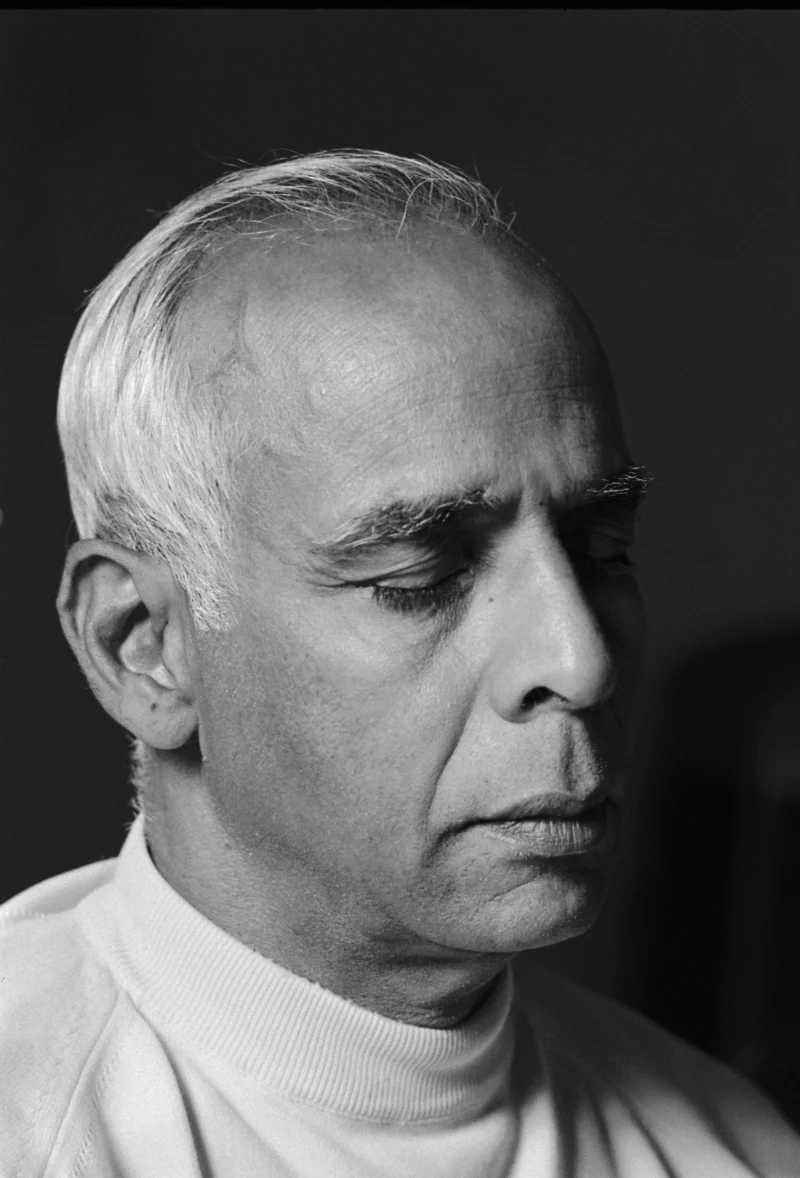
Born in Kerala in 1910, Eknath Easwaran brought a unique perspective to Western spirituality. Raised by his spiritual grandmother and later serving as a university professor, he bridged academic understanding with practical wisdom.
When he arrived in the United States in 1959 on a Fulbright exchange program, he carried with him a revolutionary approach to meditation that would make spiritual practice accessible to busy Western lives.
The Birth of Passage Meditation
Easwaran developed "Passage Meditation," a method involving the silent repetition of memorized inspirational passages from world spiritual traditions. This technique offered structure and accessibility that resonated deeply with Western practitioners seeking concrete methods for inner development.
His eight-point spiritual program emphasized integrating meditation with everyday life rather than withdrawing from the world. This practical approach included mantra repetition, slowing down, and prioritizing others, making spirituality livable in modern contexts.
Academic Recognition
In 1968, Easwaran's meditation class at UC Berkeley became the first accredited college course on meditation in the United States. This milestone marked meditation's entry into mainstream academic acceptance.
He authored over 30 books, including the multi-volume "Bhagavad Gita for Daily Living," which made Indian scriptures accessible and relevant to Western readers. His biography "Gandhi The Man" introduced Gandhi's spiritual and political legacy to new generations.
A Practical Path
Easwaran founded the Blue Mountain Center of Meditation in 1961 and Ramagiri Ashram in 1970, creating spaces where his teachings could flourish. His influence extended beyond formal students, inspiring the natural foods movement through students who authored the influential vegetarian cookbook "Laurel's Kitchen."
His emphasis on living spirituality in the midst of everyday responsibilities offered a middle path between withdrawal and materialism, showing that true spirituality could indeed be practical and transformative.
Jiddu Krishnamurti
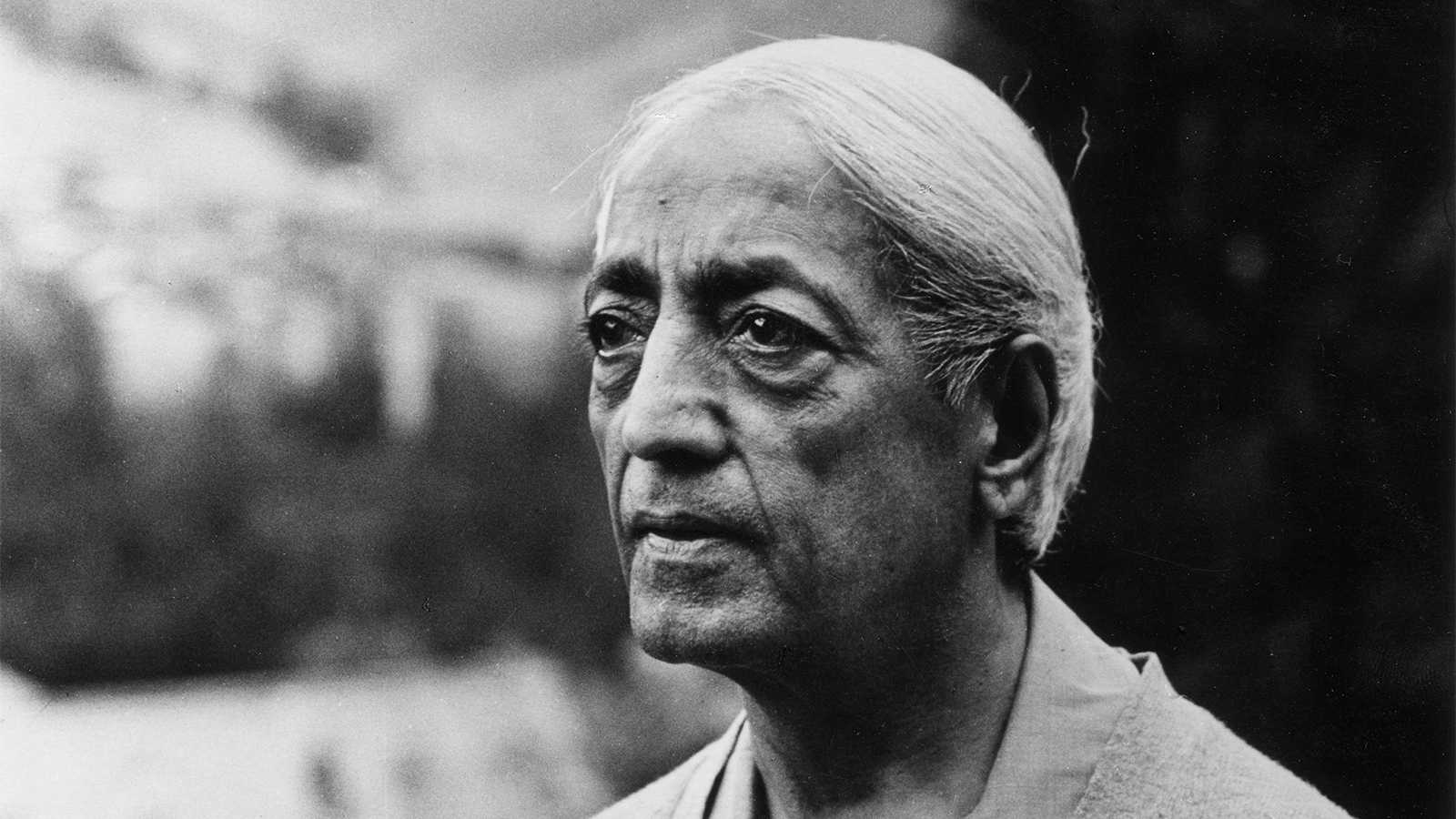
Born in 1895 in Madanapalle, India, Krishnamurti's spiritual journey began when the Theosophical Society proclaimed him the "World Teacher" at age 14. However, his most profound teaching came through dramatically rejecting this role in 1929.
The Great Renunciation
In a moment that shocked the spiritual world, Krishnamurti dissolved the Order of the Star, created to support his messianic role, declaring "truth is a pathless land." He rejected all external authority, dogma, and organized religion, advocating instead for direct observation and self-inquiry.
This radical act of renunciation became the foundation of his teaching, emphasizing total psychological freedom and living without dependence on gurus, beliefs, or systems.
Revolutionary Teachings
Krishnamurti spent his life delivering lectures and engaging in dialogues about psychological revolution and freedom from conditioning. His key works, "The First and Last Freedom" and "Commentaries on Living," challenged conventional approaches to spirituality and self-understanding.
His message profoundly influenced Western spiritual discourse, shifting focus from external authority to radical personal freedom and self-exploration. Notable figures like Aldous Huxley, philosopher-scientist David Bohm, and author Alan Watts were deeply impacted by his teachings.
The Art of Inquiry
What made Krishnamurti unique was his dialogical, Socratic approach that encouraged individuals to investigate their own minds directly. He blended Eastern contemplative insights with Western rational inquiry and psychological awareness.
His schools worldwide promote holistic education aligned with his philosophy of questioning and integrated living. His influence extends beyond spirituality into progressive education and psychology.
The Krishnamurti Foundations continue to preserve and disseminate his work globally, maintaining his vision of awareness, meditation, and self-inquiry as pathways to human freedom and understanding.
Maharishi Mahesh Yogi
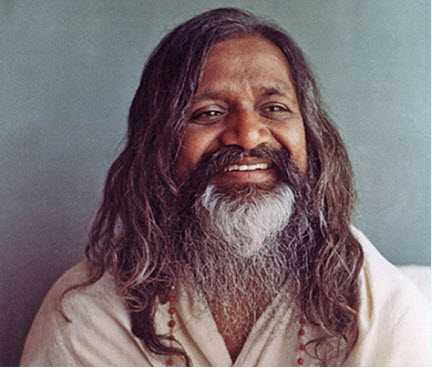
Born Mahesh Prasad Varma around 1917-1918, Maharishi Mahesh Yogi studied physics and mathematics before becoming a disciple of Swami Brahmananda Saraswati. This unique combination of scientific training and spiritual wisdom would shape his revolutionary approach to meditation.
Transcendental Meditation Revolution
After years of preparation in the Himalayas following his guru's passing, Maharishi emerged with Transcendental Meditation (TM), a simple technique practiced for 20 minutes twice daily. His genius lay in presenting ancient meditation in scientific terms that appealed to Western rationality.
TM's simplicity and effectiveness attracted millions worldwide. Maharishi's teaching that meditation required no effort or concentration revolutionized Western understanding of contemplative practice.
Celebrity Endorsement and Global Reach
The 1960s brought global fame when The Beatles, Mia Farrow, and Donovan learned TM at his ashram in Rishikesh. This celebrity endorsement sparked immense Western interest in Indian spirituality and legitimized meditation in popular culture.
Maharishi established hundreds of TM centers, educational institutions, and research organizations globally. His Maharishi University of Management became a model for consciousness-based education.
The Maharishi Effect
Perhaps Maharishi's most ambitious teaching was the "Maharishi Effect," proposing that when a critical mass of individuals practices TM, societal harmony increases. This concept suggested meditation's power extended beyond individual benefits to collective consciousness transformation.
Extensive research on TM's benefits helped establish meditation as a scientifically validated practice, influencing psychology, neuroscience, and holistic wellness approaches. TM programs were integrated into schools, businesses, prisons, and government initiatives across the US and Europe.
Today, with over six million practitioners worldwide, TM remains one of the most widely practiced meditation techniques, continuing Maharishi's vision of individual transcendence creating world peace.
Nisargadatta Maharaj
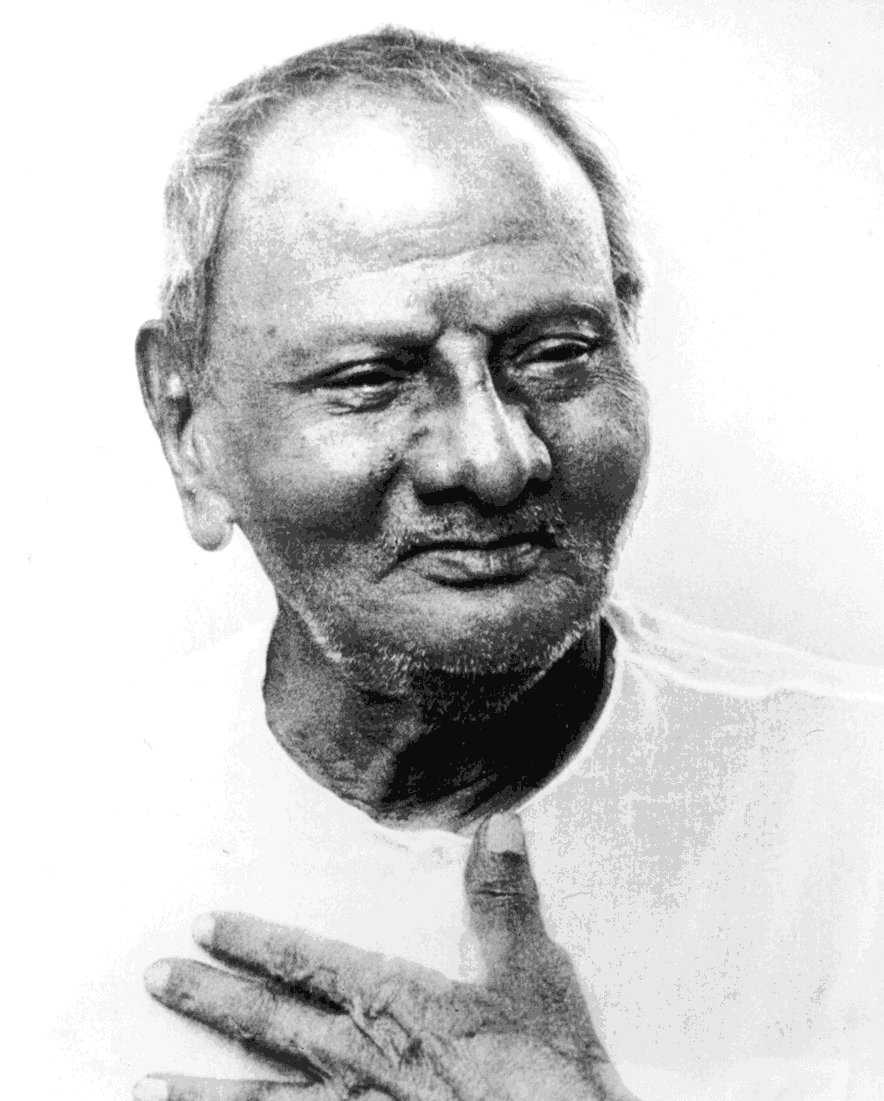
Born Maruti Shivrampant Kambli in 1897 in Bombay, Nisargadatta Maharaj lived the life of an ordinary businessman while pursuing extraordinary spiritual realization. His path demonstrates that enlightenment doesn't require external renunciation, only inner understanding.
The Humble Sage
After meeting his guru Sri Siddharameshwar Maharaj in 1933, Nisargadatta continued his householder life, balancing family and business while practicing meditation and self-inquiry. His small apartment in Mumbai became an unlikely hub for seekers from around the world.
Though he never traveled to the West, his profound teachings reached Western audiences through the dedication of translators and followers who recognized his rare authenticity.
Direct Pointing to Truth
Nisargadatta's teaching style was refreshingly direct and uncompromising. He advocated "Nisarga Yoga," a path of natural, effortless awareness that stripped away all spiritual complexity to focus on the simple sense of "I am."
His approach removed spiritual dogma and rituals, emphasizing direct experience over beliefs. This radical simplicity appealed to Western seekers tired of elaborate spiritual systems and seeking immediate access to truth.
The Book That Changed Everything
"I Am That," a compilation of dialogues with seekers, became his most influential work in the West. This book profoundly impacted the global non-duality movement and inspired numerous spiritual teachers and meditation centers.
His influence extends far beyond formal Advaita circles, reaching contemporary authors like Wayne Dyer, Rupert Spira, and Eckhart Tolle. His teaching that self-realization requires no external ritual or preparation, but simply abiding as one naturally is, revolutionized Western spiritual seeking.
Nisargadatta's legacy demonstrates that the deepest spiritual truths often come in the simplest packages, available to anyone willing to inquire "Who am I?" with genuine sincerity.
Osho
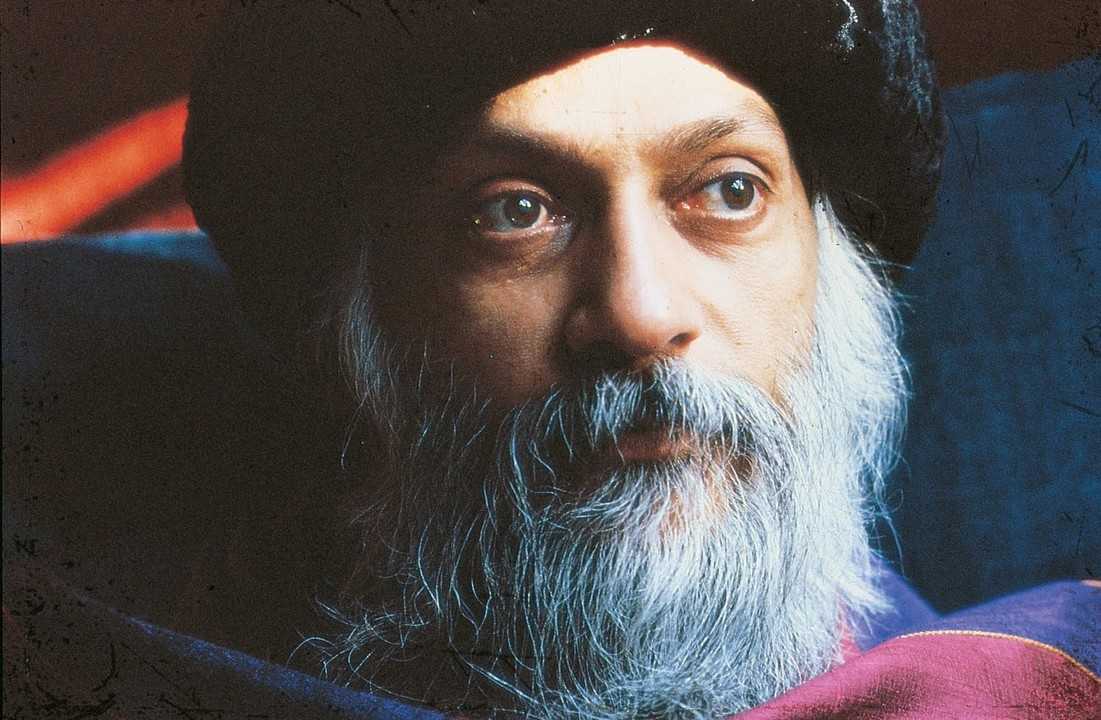
Born Chandra Mohan Jain in 1931, Osho challenged virtually every spiritual convention of his time. Raised with unusual freedom in a Jain family, he questioned social and religious norms from an early age, developing an approach to spirituality that embraced paradox, humor, and the full spectrum of human experience.
Zorba the Buddha
Osho's revolutionary teaching integrated Eastern meditation with Western psychology and psychotherapy. He rejected traditional asceticism and guilt-based spirituality, instead celebrating individual freedom, joyful living, and self-discovery.
His concept of "Zorba the Buddha" symbolized the union of material enjoyment with spiritual awakening, challenging the notion that spirituality required renunciation of worldly pleasures.
Dynamic Meditation and Innovation
Osho developed innovative meditation techniques, most notably Dynamic Meditation, which uses intense physical activity to release tensions before entering stillness. This approach addressed the restless modern mind in ways traditional sitting meditation often couldn't.
His Pune ashram became a magnet for Western seekers exploring alternative approaches to consciousness and personal transformation. Later, his controversial commune in Oregon, USA, brought significant media attention that paradoxically increased interest in his teachings.
Cultural Revolution
Osho fostered a significant cultural shift toward accepting sensuality and pleasure as part of spiritual life. His willingness to address sexuality, relationships, and psychology within a spiritual context broke conventional taboos and attracted thousands seeking integration rather than repression.
His blending of Eastern mysticism with Western psychology helped popularize holistic mental health approaches and contributed to the development of modern mindfulness-oriented practices.
The Osho International Meditation Resort continues to attract global visitors, and his meditation techniques remain popular worldwide. His writings inspire spiritual seekers exploring non-traditional paths that embrace the totality of human experience.
Papaji (H.W.L. Poonja)
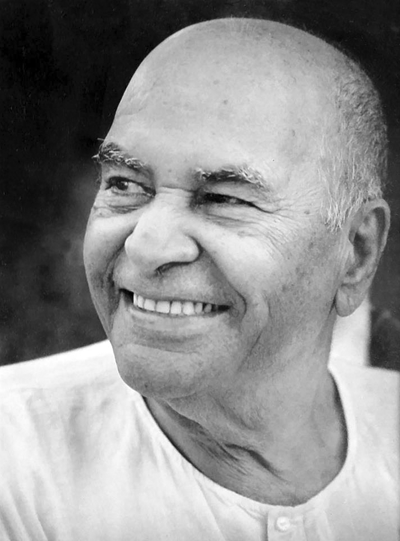
Born Hariwansh Lal Poonja in 1910, Papaji bridged the profound wisdom of traditional Advaita with a radical immediacy that spoke to contemporary seekers. His meeting with Sri Ramana Maharshi in 1944 catalyzed a realization that would later awaken countless Western students.
From Devotion to Recognition
Initially a devoted Krishna bhakta, Papaji's spiritual journey took a dramatic turn under Ramana Maharshi's silent gaze, leading to direct recognition of the Self. This transformation informed his later teaching style, which emphasized instantaneous realization over gradual spiritual practice.
After settling in Lucknow, India, Papaji became a magnet for Western seekers drawn to his direct, uncompromising approach to truth. His teaching transcended cultural and religious boundaries, focusing purely on immediate recognition of one's true nature.
The Neo-Advaita Revolution
Papaji became central to the Neo-Advaita movement, teaching that the Self is already free and requires no spiritual practices for realization. His approach challenged conventional spiritual seeking, pointing directly to the truth of present-moment awareness.
His unique methodology involved teaching primarily through silent presence and direct transmission rather than systematic doctrine. He famously discouraged repetitive self-inquiry practices, advocating instead for a one-time, deep recognition of what we truly are.
Global Transmission
Though Papaji didn't establish formal organizations, his influence spread through the many Western students he authorized as teachers. This created a widespread Satsang movement that continues to flourish in the West today.
Students like Gangaji, Mooji, and Andrew Cohen became prominent teachers, each carrying aspects of Papaji's direct pointing to freedom. His emphasis on instantaneous realization without effort strongly resonates with Western seekers attracted to simplicity and immediacy in spirituality.
The Avadhuta Foundation and other groups continue preserving his teachings, maintaining his message that "You do not have to change yourself, you are already free."
Swami Chinmayananda Saraswati
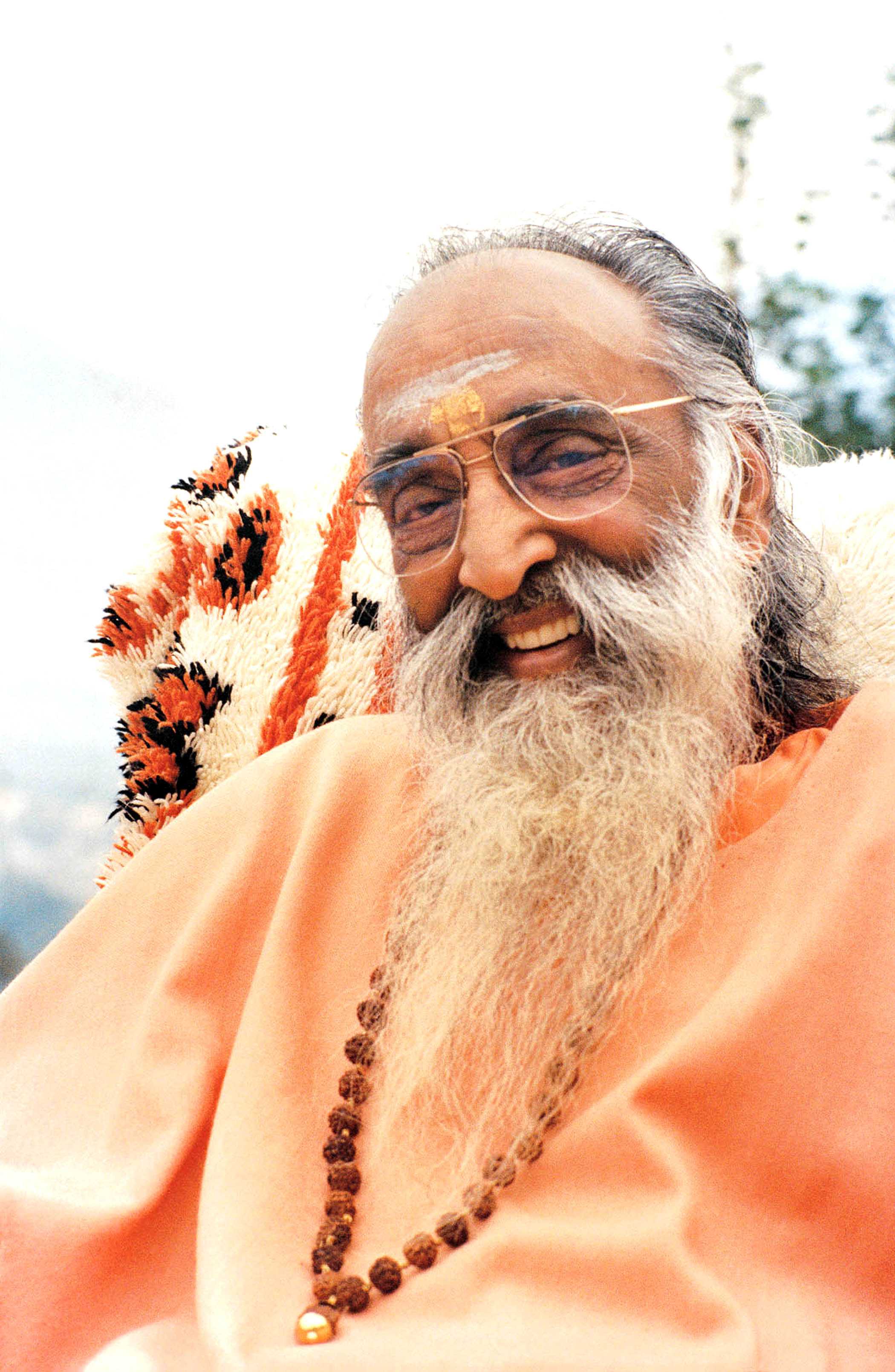
Born as Balakrishna Menon on May 8, 1916, in Ernakulam, Kerala, Swami Chinmayananda Saraswati emerged from a devout religious family to become one of the most influential bridges between ancient Indian wisdom and modern Western understanding. His early life as a journalist and active participant in India's independence movement shaped his ability to communicate complex ideas with clarity and conviction.
From Activism to Awakening
A pivotal encounter with Swami Sivananda of Rishikesh redirected his path toward serious Vedanta study. This meeting sparked a transformation that led him to take monastic vows under Swami Sivananda's guidance. He then devoted twelve years to rigorous study under the renowned Himalayan Vedanta teacher Swami Tapovan Maharaj, preparing for his life's mission.
Making Ancient Wisdom Accessible
Swami Chinmayananda's core mission centered on making Vedanta philosophy accessible and practical for everyone. Through his famous jnana yajñas (spiritual discourses), he delivered countless public lectures focusing primarily on Vedanta and the Bhagavad Gita. His teachings emphasized self-realization and the fundamental unity of all religions.
He deeply believed in the inherent divinity within each person, teaching, "Let every person be taught that the Divine is within and every person will work out his own salvation." His approach emphasized that Vedanta study should "unfold the knowledge that is inherent in everyone and to make one's life full."
Global Mission Begins
In 1953, he founded the Chinmaya Mission to spread these universal teachings. His influence in the West truly blossomed with global teaching tours beginning in 1965. These extensive journeys covered 39 cities across 18 countries, including significant stops throughout the United States, United Kingdom, Europe, and Asia.
The rapidly growing interest from Western seekers led to the establishment of Chinmaya Mission West in 1975. As a prolific author, he wrote 95 publications, including comprehensive commentaries on major Hindu scriptures like the Bhagavad Gita and the Upanishads, making them widely available in English.
Bridging Cultures Through Understanding
His unique gift lay in translating complex Sanskrit scriptures into accessible English while retaining their original depth and authenticity. This ability effectively bridged the cultural gap between Indian spirituality and Western rational mindsets. He actively participated in numerous interfaith dialogues, promoting religious harmony and universal spirituality.
Transforming Western Perceptions
The impact of Swami Chinmayananda's work manifests in the Chinmaya Mission's global presence, which now operates over 300 centers worldwide, with more than 30 centers across North America. His teachings attracted thousands of Western spiritual seekers, leading to vibrant communities dedicated to study and practice.
Highly respected by leaders of other faiths, including Cardinal Valerian Gracias and the Dalai Lama, he inspired countless spiritual seekers, teachers, and scholars throughout the West. Through his efforts, Western perceptions of Hinduism shifted from viewing it as an "exotic religion" to recognizing it as a universal, rational, and practical philosophy.
Innovative Teaching Methods
Swami Chinmayananda introduced several groundbreaking methodologies to Western audiences. He emphasized group study and discussion as core methods for integrating ancient wisdom into daily life. He created specialized programs such as Bala Vihar for children's spiritual education and Devi groups for women's spiritual empowerment.
His approach masterfully combined intellectual clarity with devotional fervor, appealing to diverse audiences from scholars to lay practitioners. He championed "practical Vedanta," focusing on applying profound teachings to everyday conduct and personal transformation. These methods, emphasizing dialogue and critical thinking, resonated deeply with Western educational philosophies.
Living Legacy
Swami Chinmayananda Saraswati's enduring legacy continues through the active global Chinmaya Mission organization. His English translations and commentaries remain widely regarded as highly accessible and authoritative spiritual resources. His emphasis on diligent study, deep reflection, and consistent practice has profoundly shaped contemporary spiritual education programs worldwide.
His vision of seamlessly integrating spiritual wisdom with dedicated service and education continues to evolve and inspire seekers globally. His life and teachings have invigorated Vedanta philosophy worldwide, bringing ancient spiritual wisdom to Western audiences with remarkable clarity, compassion, and practical depth.
His teachings remind us: "More important than what is behind you and what is ahead of you is what is in you. Seek it. Centered in it, act and live."
Ramana Maharshi
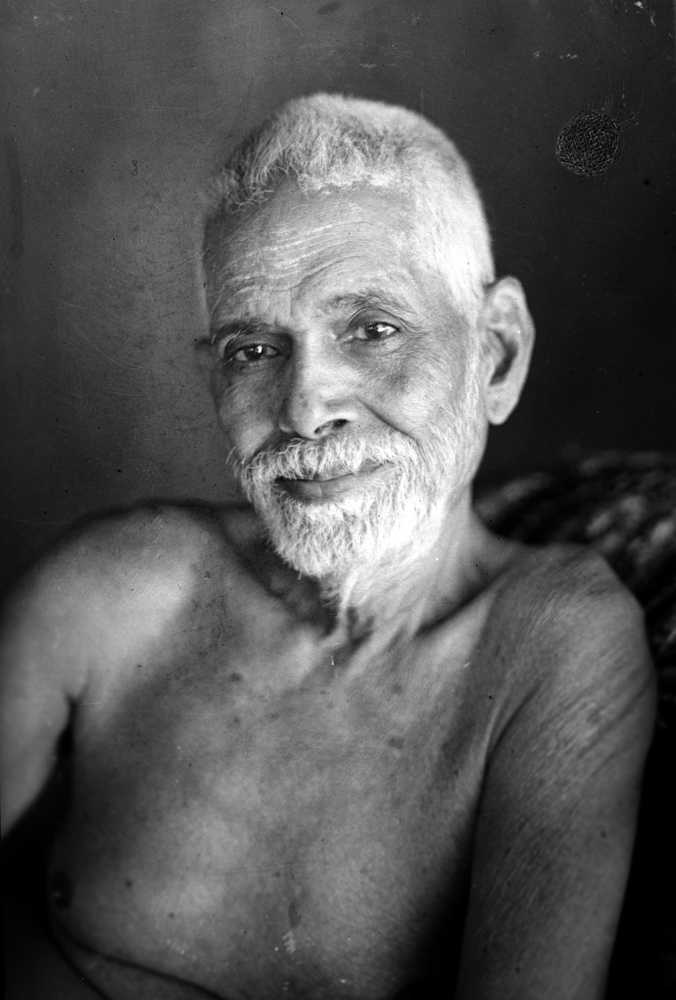
Born Venkataraman Iyer in 1879, Ramana Maharshi's spiritual journey began with a profound death experience at age 16 that led to permanent Self-realization. His subsequent life at Arunachala Hill became a beacon for seekers worldwide, drawn by his profound presence and direct teachings.
The Question That Transforms
Ramana's principal teaching centered on self-inquiry, specifically asking "Who am I?" as a direct means to realize the true Self beyond ego and body. This simple yet profound practice cut through spiritual complexity to the heart of realization.
His emphasis on silence and stillness as vehicles of spiritual instruction offered an alternative to complex philosophical systems. Seekers found that his mere presence conveyed wisdom beyond words.
The Western Discovery
Though Ramana never traveled from his ashram, his teachings reached the West primarily through British journalist Paul Brunton's influential book "A Search in Secret India." This introduction sparked interest among Western intellectuals and spiritual seekers.
Key works like "Talks with Sri Ramana Maharshi" and "Be As You Are" made his philosophy accessible to English-speaking audiences, establishing him as a foundational figure in Western non-duality teachings.
Influence Without Organization
Unlike many gurus who established formal organizations, Ramana's influence spread organically through devotees and visitors who carried his teachings worldwide. His ashram remains a major pilgrimage destination for Western seekers.
Notable Western devotees included Paul Brunton, Arthur Osborne, and Maurice Frydman, who helped translate and disseminate his teachings. His influence on the modern non-duality movement cannot be overstated.
The Legacy of Silence
Ramana's minimalist teaching style, focused on direct experience rather than intellectual explanation, continues to influence contemporary spiritual teachers and non-duality movements. His methodology of self-inquiry remains a cornerstone practice in Western Advaita circles.
His ashram continues attracting thousands of Western seekers annually, maintaining his timeless message that Self-realization is humanity's highest achievement and greatest service to the world.
Sri Aurobindo
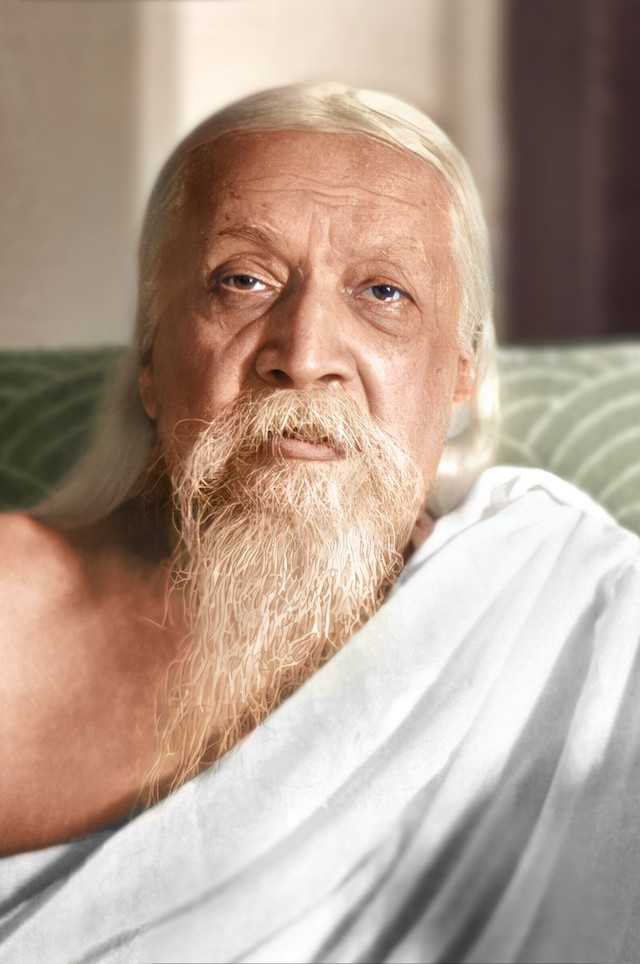
Born Aurobindo Ghose in 1872, Sri Aurobindo uniquely combined Western education with Indian spirituality. His Cambridge education and subsequent mastery of Sanskrit created a rare synthesis that would revolutionize spiritual understanding.
From Revolutionary to Sage
Initially an Indian nationalist activist, Sri Aurobindo's spiritual transformation began around 1906 through intense yoga and meditation practices. This shift from political to spiritual revolution reflected his understanding that true change must begin with consciousness itself.
His transition from activism to spiritual teaching demonstrated that outer transformation required inner evolution, a message that resonated with Western seekers interested in both personal and social change.
Integral Yoga and Supramental Consciousness
Sri Aurobindo developed Integral Yoga, a comprehensive system emphasizing the evolution of human consciousness toward divine life on earth. His vision went beyond individual liberation to encompass collective transformation.
His concept of supramental consciousness as the next stage of human evolution provided a hopeful vision of human potential that attracted intellectuals and spiritual seekers alike. This idea suggested that spiritual evolution was not just possible but inevitable.
Literary and Philosophical Impact
Sri Aurobindo's extensive writings, including "The Life Divine" and "The Synthesis of Yoga," presented complex spiritual concepts in sophisticated English that appealed to Western intellectuals. His epic poem "Savitri" is considered one of the greatest spiritual poems in English.
The philosophical magazine "Arya" (1914-1921) introduced his vision of spiritual evolution and human potential to a global audience, influencing thinkers worldwide.
Global Centers and Continuing Influence
The Sri Aurobindo Ashram in Pondicherry continues attracting international visitors, while study groups and centers worldwide preserve his teachings. His influence extends beyond spirituality to philosophy, psychology, and consciousness studies.
Notable influenced figures include Nobel laureate Gabriela Mistral and philosopher Ken Wilber, who integrates Sri Aurobindo's ideas into contemporary Integral Theory. The international township of Auroville stands as a living experiment in his vision of human unity.
His synthesis of Eastern mysticism with Western rational thought continues influencing contemporary spirituality, offering a vision of transformation that encompasses both individual realization and collective evolution.
Sri Chinmoy
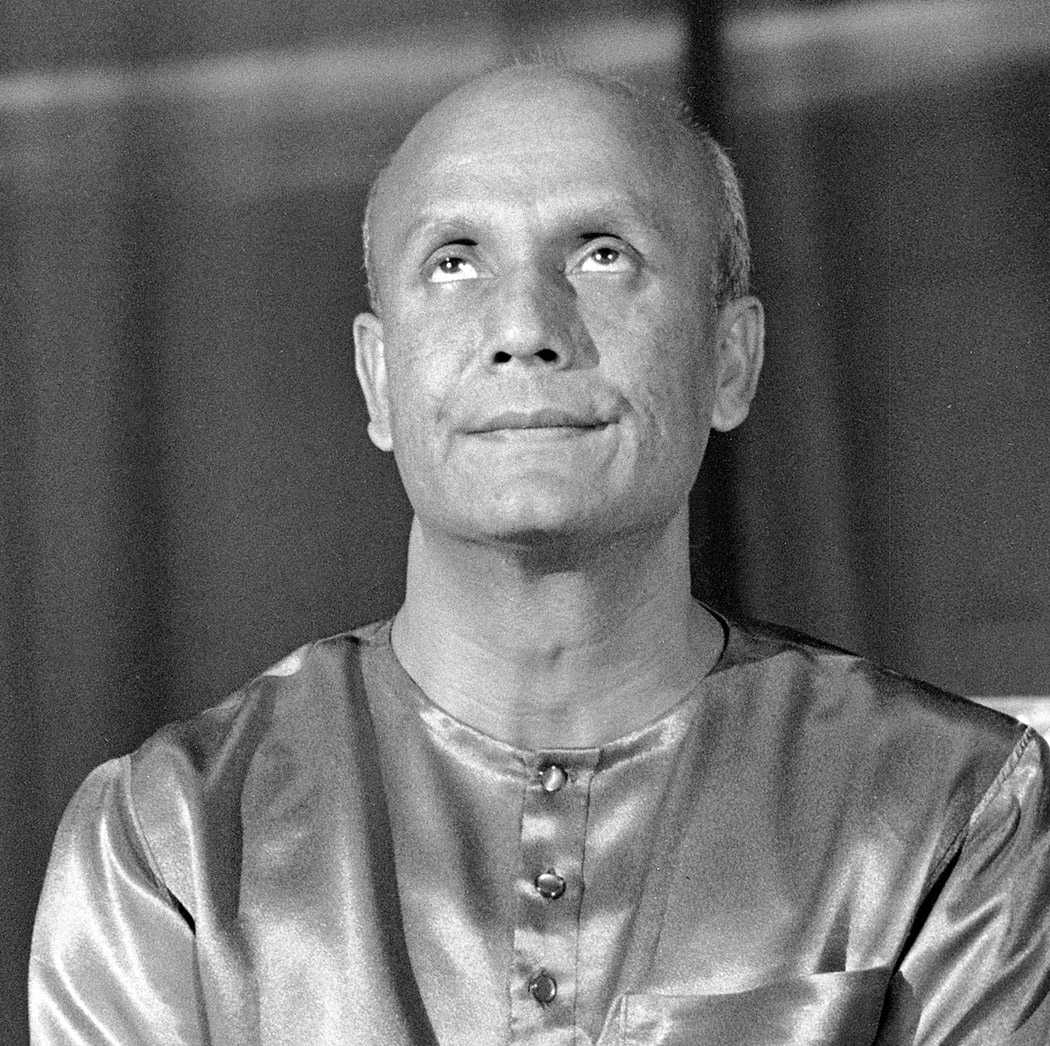
Born Chinmoy Kumar Ghose in 1931, Sri Chinmoy spent over 20 years in the Sri Aurobindo Ashram before responding to an inner call to share his wisdom with Western seekers. His path emphasized aspiration, the heart's inner cry for self-transcendence and growth.
From Ashram to the World
Moving to New York City in 1964, Sri Chinmoy brought a unique synthesis of traditional Bhakti Yoga with modern artistic expression and athletic pursuits. His approach demonstrated that spirituality could embrace all aspects of human potential.
He founded Sri Chinmoy Centers worldwide, eventually establishing about 350 centers in over 50 countries. His teaching attracted diverse followers, including musicians like Carlos Santana and John McLaughlin.
Art, Music, and Meditation
Sri Chinmoy's integration of spiritual aspiration with creative expression was revolutionary. He authored thousands of poems and songs, created countless artworks, and organized free Peace Concerts worldwide, demonstrating spirituality as celebration rather than renunciation.
His approach showed that meditation, art, music, and even sports could be vehicles for spiritual growth when approached with the right consciousness. This holistic vision appealed to Western seekers interested in integrating spirituality with daily life.
Global Peace and Unity
His Peace Concerts and the Sri Chinmoy Oneness-Home Peace Run, a global torch relay, promoted his vision of world harmony through spiritual transformation. He maintained friendships with world leaders like Nelson Mandela and Mikhail Gorbachev.
For nearly four decades, he played a spiritual role at the United Nations in New York, offering meditations and promoting interfaith harmony on a global platform. His work demonstrated spirituality's relevance to world peace and cooperation.
The Legacy of Self-Transcendence
Sri Chinmoy's centers continue operating worldwide, teaching meditation, art, and self-transcendence. His unique combination of heart-centered devotion with creative expression continues inspiring artists and athletes seeking to integrate spiritual consciousness with their pursuits.
His emphasis on continual growth and self-transcendence, captured in his phrase "Our goal is to go from bright to brighter to brightest," provides a dynamic model for spiritual development that resonates with achievement-oriented Western culture.
Swami Muktananda
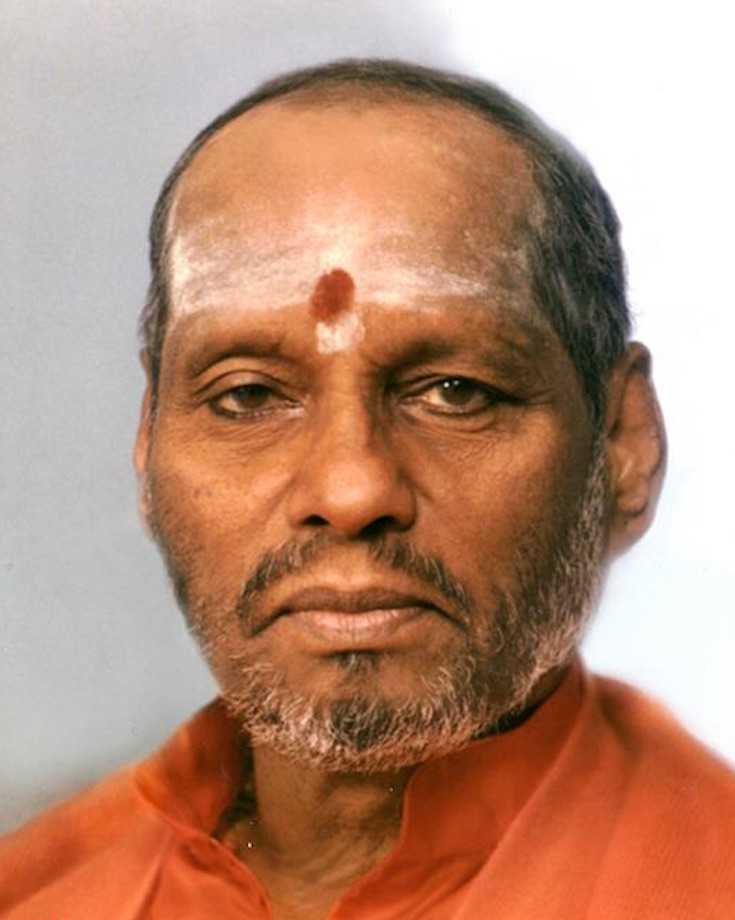
Born Krishna Rai in 1908, Swami Muktananda's encounter with his guru Bhagawan Nityananda at age 15 set him on a path that would revolutionize how Westerners understood spiritual energy and awakening.
The Power of Shaktipat
After receiving shaktipat initiation from his guru in 1947, Muktananda spent nine years in intensive meditation before emerging to share Siddha Yoga with the world. His teaching emphasized that spiritual awakening could be transmitted directly from teacher to student through divine grace.
This concept of shaktipat, or spiritual energy transmission, offered Western seekers a direct path to awakening that transcended intellectual understanding or years of practice. The immediacy and power of this approach attracted thousands.
Three World Tours Transform the West
Beginning in 1970, Muktananda's three major world tours brought Siddha Yoga to eager Western audiences. His demonstrations of shaktipat's transformative power created a sensation in spiritual communities across America and Europe.
He established over 150 meditation centers and ashrams globally, with his Indian ashram Gurudev Siddha Peeth becoming a major pilgrimage destination for Western seekers experiencing profound meditative states and spiritual awakening.
Beyond Religious Boundaries
Muktananda's teaching that spiritual awakening was accessible to everyone, regardless of religious background, resonated strongly with Western audiences seeking universal spiritual truths. His approach integrated mantras, meditation, and ethical living with the transformative power of the guru's grace.
He developed innovative programs like the Prison Project in 1979, bringing spiritual teachings to inmates and demonstrating spirituality's relevance to all aspects of human experience.
Living Transmission
What made Muktananda unique was his emphasis on direct energetic transmission as the primary means of spiritual awakening. Many students reported profound experiences of awakened Kundalini energy, deep meditative states, and lasting transformation.
Siddha Yoga continues as an active tradition with global centers and retreats. Muktananda's influence on Western experiential spirituality, emphasizing direct energy transmission and personal awakening, helped establish guru-guided spiritual transmission as a recognized path in contemporary spiritual communities.
Swami Prabhavananda
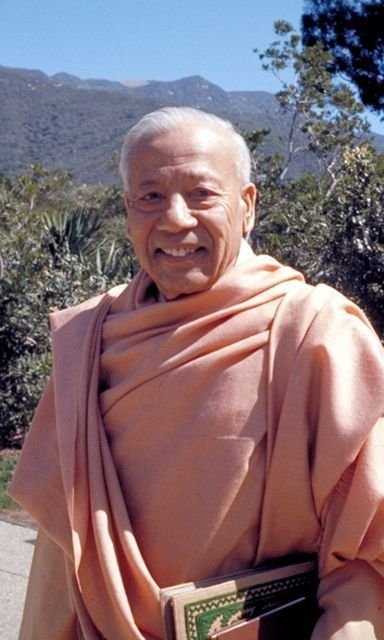
Born in India in 1893, Swami Prabhavananda represented the scholarly tradition of the Ramakrishna Order. His mission to America in 1923 began a remarkable journey of making Sanskrit wisdom accessible to Western minds through careful translation and thoughtful presentation.
Building Vedanta in the West
Founding the Vedanta Society of Southern California in 1930, Prabhavananda created one of the earliest formal centers for Hindu philosophy in America. His systematic approach to teaching Vedanta philosophy attracted intellectuals and spiritual seekers alike.
His emphasis on the unity of all religions and practical spirituality provided a philosophical foundation that many Western seekers found compelling. This universal approach transcended sectarian boundaries while maintaining authentic spiritual depth.
Literary Collaboration and Influence
Prabhavananda's collaboration with writers like Christopher Isherwood produced highly regarded English translations of classical texts including "The Song of God: Bhagavad Gita" and "The Upanishads." These translations remain influential in academic and spiritual circles.
His friendship with Aldous Huxley helped introduce Vedantic concepts to literary and intellectual communities, demonstrating how ancient wisdom could speak to contemporary concerns and questions.
Accessible Wisdom
Rather than presenting Sanskrit texts in overly academic formats, Prabhavananda focused on literary-quality English translations that captured the spiritual essence while remaining accessible to general readers. This approach made profound philosophical concepts available to broader Western audiences.
He emphasized practical Vedanta applicable to everyday life, moving beyond theoretical discussion to show how these teachings could transform daily experience and relationships.
Continuing Influence
Vedanta Societies across America continue teaching principles Prabhavananda established. His translations and commentaries remain foundational texts for Western students of Hindu philosophy and continue influencing contemporary spiritual education.
His legacy demonstrates how patient, scholarly dedication to authentic translation and teaching can build lasting bridges between Eastern wisdom and Western understanding, creating foundations that support generations of spiritual seekers.
Swami Rama
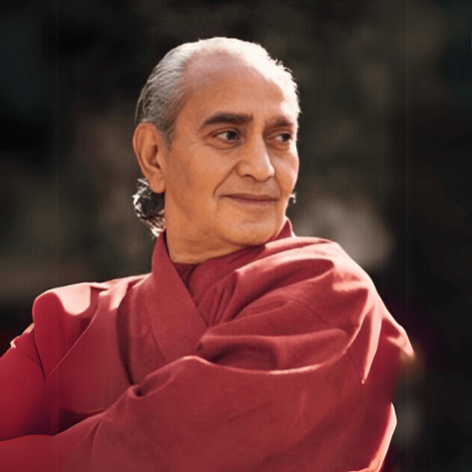
Born Brij Kishore Dhasmana in 1925 in the Garhwal Himalayas, Swami Rama uniquely combined rigorous Himalayan spiritual training with Oxford University education. This unusual background equipped him to bridge Eastern spiritual science with Western rational inquiry.
Demonstrating Yogic Abilities
Swami Rama gained significant attention at the Menninger Foundation in Kansas in 1969, where he demonstrated extraordinary yogic feats under scientific conditions. His conscious control of heart rate, brain waves, and other autonomic functions provided scientific validation of yoga's potential.
These demonstrations were groundbreaking for Western science, opening new avenues of research into mind-body connections and the voluntary control of physiological processes previously thought to be automatic.
Practical Integration
Coming to the West with his master's encouragement to bridge spiritual teachings with Western psychology and medicine, Swami Rama founded the Association of Himalayan Yoga Meditation Societies International and the Himalayan Institute.
His books like "Living with the Himalayan Masters" and "Yoga and Psychotherapy" shared practical teachings that made ancient wisdom relevant to contemporary health and psychological understanding.
Scientific Spirituality
Swami Rama's collaboration with Western scientists significantly contributed to meditation research and the scientific study of consciousness. His approach promoted synthesis between Eastern wisdom and Western science, advancing acceptance of meditation in therapeutic and medical settings.
He developed systematic meditation and yoga curricula that aligned ancient teachings with contemporary scientific understanding, making spiritual practices both authentic and credible to Western practitioners.
Continuing Legacy
The Himalayan Institute continues offering yoga, meditation, and holistic health programs based on Swami Rama's teachings. His integration of spiritual practice with scientific validation has had lasting impact on Western acceptance of mind-body-spirit approaches.
His demonstration that ancient practices could meet modern scientific standards helped legitimize yoga and meditation as valuable tools for health, psychological well-being, and spiritual development in Western culture.
Swami Satchidananda
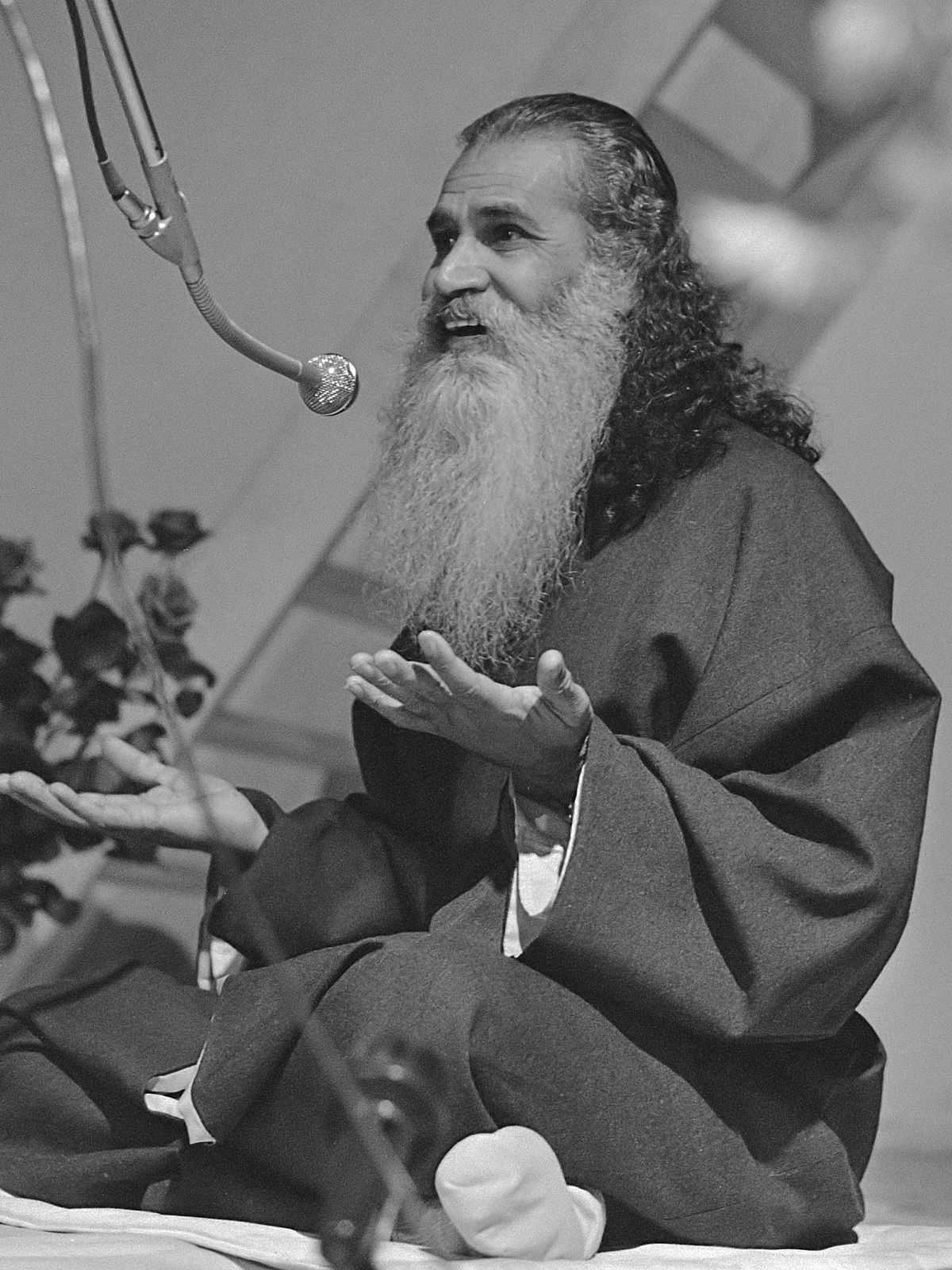
Born C. K. Ramaswamy Gounder in 1914, Swami Satchidananda's path from Tamil Nadu to Woodstock's main stage illustrates the unexpected ways spiritual wisdom found its place in Western culture. His training under Swami Sivananda prepared him for a mission that would touch millions.
The Peace-Loving Yogi
Satchidananda's appearance at the Woodstock Festival in 1969, where he gave the opening address, symbolically merged spiritual wisdom with the counterculture movement. His message of peace and universal truth resonated with a generation seeking alternatives to conventional values.
His founding of Integral Yoga Institutes across the United States provided systematic training in his comprehensive approach, which integrated physical postures, breathing, meditation, ethical values, and devotional service.
Truth is One, Paths are Many
This central teaching of Satchidananda captured the universal spirituality many Western seekers craved. His emphasis on interfaith harmony and worldwide spiritual brotherhood aligned yoga with global social consciousness.
His translation and commentary on Patanjali's Yoga Sutras made classical yoga philosophy accessible to Western readers, while his teaching style combined ancient wisdom with contemporary relevance.
Celebrity Connections and Global Impact
Satchidananda's students included notable figures like John Lennon and Yoko Ono, who appreciated his vision of peace and spirituality. His participation in interfaith dialogues earned respect among religious and spiritual leaders worldwide.
Integral Yoga Centers spread throughout the US, Europe, and beyond, with thousands of yoga teachers trained under his guidance contributing significantly to the global yoga movement.
Living Peace
His teaching that individuals should "be the peace you want to see in the world" provided a practical approach to social transformation through personal spiritual development. This message resonated with Western audiences seeking meaningful ways to create positive change.
Integral Yoga remains a respected tradition worldwide, continuing Satchidananda's vision of yoga as a path to both personal transformation and global harmony. His integrative approach influenced modern yoga therapy, mindfulness practices, and spiritual education.
Swami Sivananda
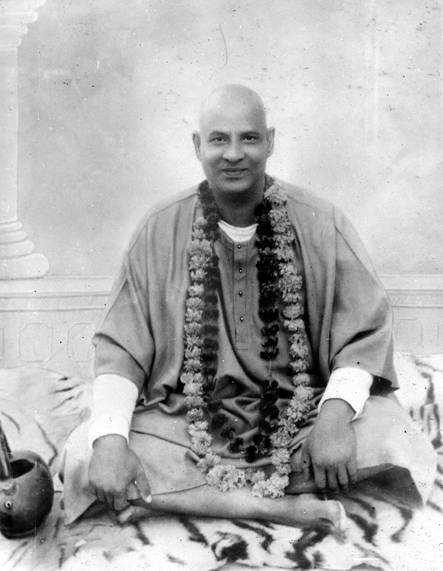
Born Kuppuswami in 1887 in Tamil Nadu, Swami Sivananda's journey from medical doctor to spiritual teacher exemplifies the integration of service and wisdom. His decade serving as a physician in British Malaya, particularly his free treatment of the poor, revealed his understanding that true healing must address both body and soul.
The Synthesis of All Paths
Returning to India in 1923 to pursue spirituality, Sivananda met his guru Vishvananda Saraswati in Rishikesh. In 1936, he founded the Divine Life Society, creating a comprehensive approach that synthesized all paths of yoga: Karma (action), Bhakti (devotion), Raja (meditation), and Jnana (knowledge).
His five-point yoga program became a foundation for Western yoga practice: proper exercise (asanas), proper breathing (pranayama), relaxation, vegetarian diet, and positive thinking with meditation. This systematic approach made ancient practices accessible and practical for modern life.
Literary Legacy and Global Influence
Sivananda authored over 200 books on yoga, Vedanta, and spirituality, including foundational texts like "Practice of Yoga" and "Bliss Divine." His prolific writing provided comprehensive guidance for spiritual seekers at every level of understanding.
Rather than traveling extensively himself, he trained and sent disciples to the West to establish his integrated teachings. Most notably, his disciple Swami Vishnudevananda founded Sivananda Yoga Vedanta Centers in North America, creating the infrastructure for global expansion.
Medical Wisdom Meets Spiritual Practice
Sivananda's unique background as a medical doctor informed his holistic approach to yoga and spirituality. He effectively integrated health principles with spiritual practice, demonstrating how physical well-being supported inner development.
The first Sivananda Yoga Vedanta Centre opened in Montreal, Canada, in 1959, eventually growing to centers in over 26 countries. His systematic approach influenced tens of thousands of Western practitioners seeking authentic yet practical spiritual guidance.
Enduring Principles
His teaching that "individual peace paves the way for world peace" provided a framework for understanding how personal spiritual development contributes to global harmony. This message resonated strongly with Western audiences seeking meaningful ways to create positive change.
The Divine Life Society continues publishing and promoting his works worldwide, while Sivananda Yoga remains a widely practiced tradition emphasizing the unity of physical, mental, and spiritual disciplines. His legacy demonstrates how medical knowledge combined with spiritual wisdom can create comprehensive approaches to human well-being.
Swami Vivekananda
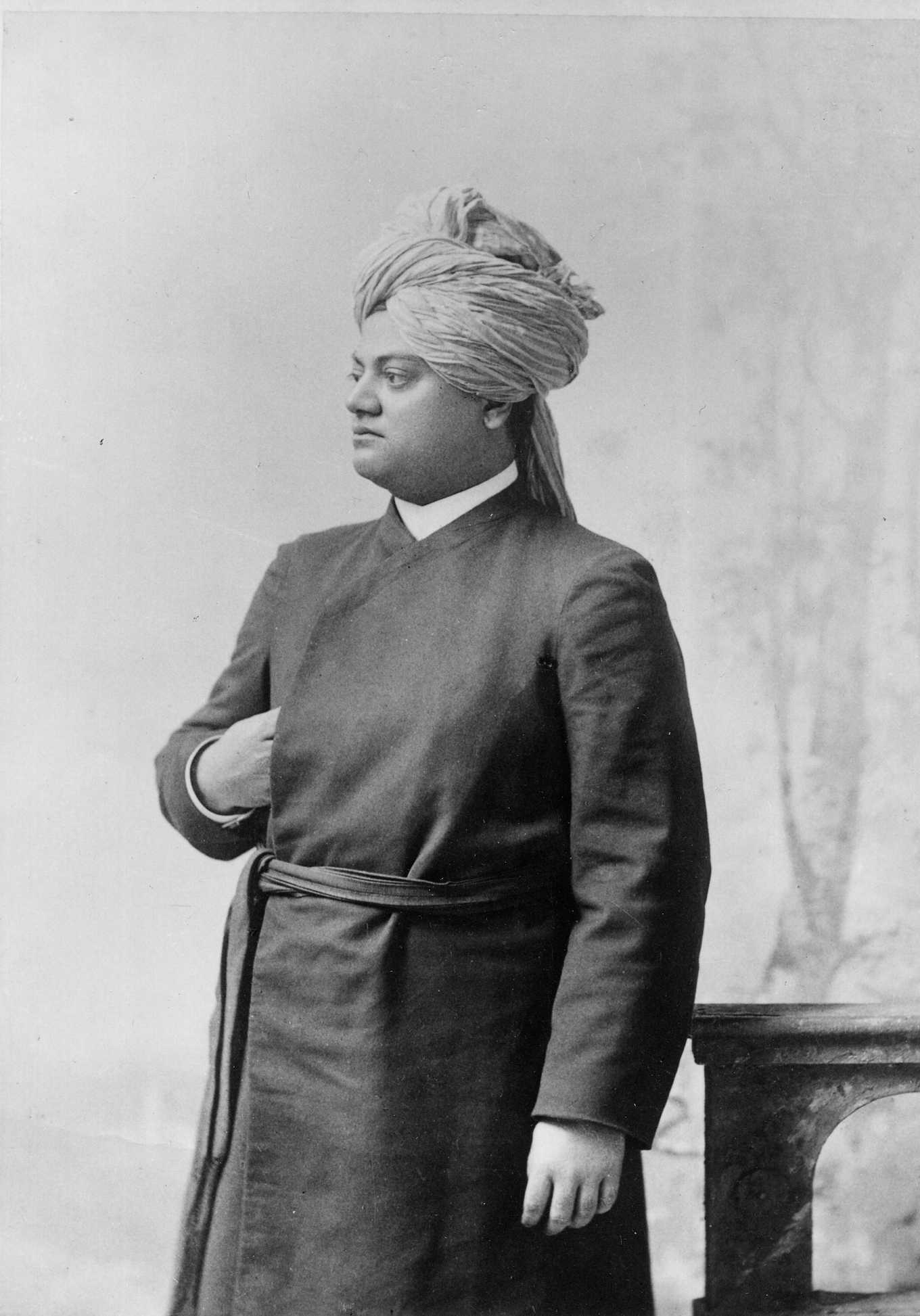
Born Narendranath Datta in 1863 in Calcutta, Swami Vivekananda represents perhaps the most significant early bridge between Indian spirituality and Western consciousness. His affluent, educated Bengali background and exposure to both Eastern and Western thought uniquely prepared him for his historic mission.
The Chicago Moment
Vivekananda's appearance at the 1893 Parliament of the World's Religions in Chicago marked a watershed moment for Eastern spirituality in the West. His opening words, "Sisters and brothers of America," earned a standing ovation and immediately established him as a compelling voice for universal spirituality.
This single speech introduced millions of Americans to Hindu philosophy and demonstrated that spiritual wisdom transcended cultural and religious boundaries. The response was so overwhelming that he was invited to lecture extensively across the United States and Europe.
Systematic Teaching for Western Minds
Following his Chicago triumph, Vivekananda traveled extensively, delivering lectures and founding Vedanta centers in major cities. His books "Raja Yoga" and "Karma Yoga" provided systematic presentations of Indian spiritual philosophy tailored for Western understanding.
He founded the first Vedanta Society in New York in 1894, followed by centers in San Francisco, London, and other major cities. By the early 20th century, at least 12 major Vedanta centers were established in the US, eventually growing to over 150 worldwide today.
The Four Yogas Integration
Vivekananda's genius lay in presenting the four yogas as complementary paths suitable for different temperaments and life situations. This systematic approach appealed to Western minds seeking structured spiritual development while honoring individual differences in spiritual inclination.
His emphasis on practical spirituality lived through service (karma yoga) alongside meditation and devotion provided a balanced approach that resonated with Western values of active engagement with the world.
Cultural Transformation
Vivekananda influenced prominent Western disciples including Sister Nivedita and Josephine MacLeod, who helped establish his teachings in Western contexts. His lectures drew packed audiences and extensive press coverage, significantly raising awareness of Indian philosophy.
He pioneered a model for East-West spiritual exchange that emphasized universal principles while respecting cultural differences. His founding of the Ramakrishna Mission in 1897 combined spiritual practice with humanitarian service, demonstrating engaged spirituality.
Revolutionary Impact
His teaching that individuals should "arise, awake, and stop not till the goal is reached" inspired both spiritual seekers and social reformers. His message that "you cannot believe in God until you believe in yourself" empowered Western audiences to see spirituality as self-empowerment rather than self-diminishment.
Today, Vedanta Societies worldwide continue teaching his synthesis of spiritual wisdom, while his influence on modern interfaith dialogue and universalism in spirituality remains profound. His work established the foundation upon which later Indian teachers would build their Western missions.
Paramahamsa Yogananda
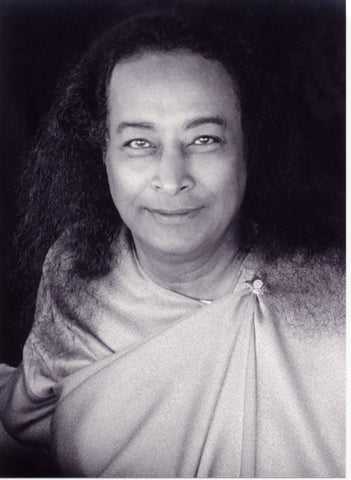
Born Mukunda Lal Ghosh in 1893, Paramahamsa Yogananda's destiny as a bridge between East and West was evident from birth. Blessed by the renowned Kriya Yoga master Lahiri Mahasaya as an infant, he grew up in a family deeply connected to India's greatest spiritual traditions.
The Scientific Approach to God
Under the guidance of his guru Swami Sri Yukteswar Giri, Yogananda developed a unique approach that presented Eastern spirituality through Western scientific understanding. His teaching that yoga was "a scientific method for reuniting the soul with the Spirit" appealed to rational Western minds.
When he arrived in the United States in 1920 to represent India at the International Congress of Religious Liberals in Boston, he carried with him the mission to demonstrate that spirituality and science were complementary rather than contradictory.
Kriya Yoga and Self-Realization
Yogananda founded the Self-Realization Fellowship (SRF) in 1920, establishing the primary vehicle for spreading Kriya Yoga teachings in the West. This ancient technique of meditation and breath control offered practical methods for spiritual acceleration that appealed to goal-oriented Western culture.
He personally initiated approximately 100,000 students into Kriya Yoga techniques, creating a substantial foundation of practitioners who would continue sharing these teachings for generations to come.
The Book That Changed Everything
"Autobiography of a Yogi," published in 1946, became one of the most influential spiritual books in Western history. Its blend of Eastern mysticism, Western rationality, and inspiring life stories created an accessible introduction to Indian spirituality for millions of readers.
The book's influence extended far beyond spiritual circles, inspiring figures like Elvis Presley and Steve Jobs, and continuing to introduce new generations to the possibilities of spiritual realization and the unity underlying all religions.
Breaking Cultural Barriers
Yogananda courageously addressed racial discrimination in segregated America, founding an African-American center and performing interracial marriages. His vision of spiritual equality transcended social prejudices and demonstrated spirituality's relevance to social justice.
His influence reached celebrities and artists including opera singers Amelita Galli-Curci and Vladimir Rosing, as well as later figures like George Harrison of The Beatles, demonstrating spirituality's appeal across cultural boundaries.
The Living Legacy
The Self-Realization Fellowship continues operating worldwide, maintaining Yogananda's emphasis on direct experience of the divine through meditation and ethical living. His integration of Eastern spiritual techniques with Western scientific understanding established a template for contemporary spiritual movements.
Widely credited as "the father of yoga in the West," Yogananda's work paved the way for the modern global yoga movement. His teaching that self-realization is "the knowing that you are now in possession of the kingdom of God" continues inspiring seekers toward direct spiritual experience rather than mere belief.
The Continuing Awakening
The collective impact of these twenty remarkable teachers extends far beyond their individual contributions. Together, they initiated a profound transformation in Western consciousness that continues evolving today.
Seeds of Transformation
Each guru brought unique gifts that addressed different aspects of human spiritual hunger. From Prabhupada's devotional practices to Krishnamurti's radical inquiry, from Iyengar's precise physical discipline to Nisargadatta's direct pointing to truth, these teachings offered multiple pathways to the same ultimate goal of awakening.
Their diverse approaches demonstrated that authentic spirituality could embrace many forms while maintaining essential unity. This multiplicity of paths appealed to Western individualism while honoring universal spiritual truths.
Cultural Integration
These teachers didn't simply transplant Eastern practices to Western soil. Instead, they created genuine synthesis, adapting ancient wisdom to contemporary needs while preserving essential spiritual principles. Their success lay in making profound teachings accessible without diluting their transformative power.
They established institutions, wrote books, trained Western disciples, and created communities that continue flourishing today. Their work normalized meditation, yoga, and Eastern philosophy as legitimate aspects of Western spiritual life.
Scientific Validation
Many of these teachers, particularly figures like Maharishi Mahesh Yogi and Swami Rama, actively collaborated with Western scientists to validate their teachings through research. This integration of ancient wisdom with modern scientific methods helped establish meditation and yoga as credible practices in mainstream culture.
Today, thousands of studies confirm the health benefits of practices these teachers introduced, demonstrating their practical wisdom alongside spiritual profundity.
Global Community
Perhaps most significantly, these teachers created a global spiritual community that transcends national, cultural, and religious boundaries. Their students became teachers, establishing centers worldwide and creating networks of practitioners united by shared spiritual principles rather than institutional authority.
This organic growth demonstrates the authenticity of their teachings. Rather than creating dependency, they empowered students to carry forward living wisdom that continues adapting to new cultural contexts while maintaining essential truth.
Living the Teachings Today
The awakening these teachers initiated continues expanding in contemporary spiritual communities worldwide. Their emphasis on direct experience over dogmatic belief, universal principles over sectarian division, and practical application over theoretical knowledge remains deeply relevant.
Integration with Daily Life
Modern practitioners increasingly embrace these teachers' vision of spirituality integrated with daily life rather than separate from it. Whether through corporate meditation programs, yoga therapy in healthcare, or mindfulness in education, their influence permeates contemporary culture.
Their teaching that spiritual realization enhances rather than diminishes engagement with the world resonates with contemporary values of holistic living and conscious participation in society.
Continuing Evolution
New generations of teachers, both Eastern and Western, continue developing these foundational teachings for contemporary needs. The principles these pioneers established provide stable foundations for ongoing spiritual evolution and cultural adaptation.
Their legacy demonstrates that authentic spiritual transmission transcends individual personalities to become living wisdom that continues growing and serving humanity's spiritual development.
An Invitation to Explore
The stories of these twenty remarkable teachers offer more than historical interest. They provide inspiration, guidance, and practical wisdom for anyone seeking deeper meaning, inner peace, and authentic spiritual development.
Each teacher's journey demonstrates that spiritual realization is possible regardless of background, circumstances, or starting point. Their diverse paths show that there are many ways to approach the universal human quest for truth, meaning, and connection with the divine.
Finding Your Path
Whether drawn to devotional practices, analytical inquiry, physical disciplines, or contemplative silence, these teachings offer guidance for every temperament and life situation. Their collective wisdom suggests that the most important step is simply beginning wherever you are with whatever calls to your heart.
Their lives exemplify the transformation possible when individuals commit to spiritual growth while maintaining compassionate engagement with the world. They show that enlightenment enhances rather than diminishes our capacity to serve others and contribute to human wellbeing.
Resources for Deeper Study
Many of these teachers' original works remain in print and widely available. Their ashrams, centers, and organizations continue offering instruction, retreats, and community for serious students. Online resources make their teachings more accessible than ever before.
However, as these teachers consistently emphasized, the most important practice is applying their wisdom in daily life rather than accumulating theoretical knowledge. Their teachings come alive through practice, service, and sincere spiritual seeking.
The Awakening Continues
The spiritual renaissance these twenty teachers initiated in the West represents more than a historical phenomenon. It marks the beginning of humanity's conscious evolution toward greater wisdom, compassion, and unity.
Their collective message transcends religious and cultural boundaries to address universal human needs for meaning, connection, and inner peace. In our contemporary world of rapid change and global challenges, their teachings offer both stability and guidance for navigating complexity with wisdom and grace.
The seeds of wisdom they planted continue growing in countless hearts worldwide. Each person who embraces meditation, yoga, self-inquiry, or compassionate service waters these seeds, contributing to the continuing awakening of human consciousness.
Their legacy reminds us that true transformation begins within individual hearts and minds, then radiates outward to heal families, communities, and ultimately our shared world. This understanding offers hope and practical guidance for anyone seeking to contribute to positive change.
As we honor these remarkable teachers and their profound contributions, we simultaneously accept the invitation to continue their work in our own lives and communities. The awakening they initiated becomes complete only when we embody their wisdom and share it with others through our own authentic spiritual living.