
vishnu · August–September
Janmashtami
Janmashtami marks the birth of Krishna, with a quiet midnight practice that travels well.
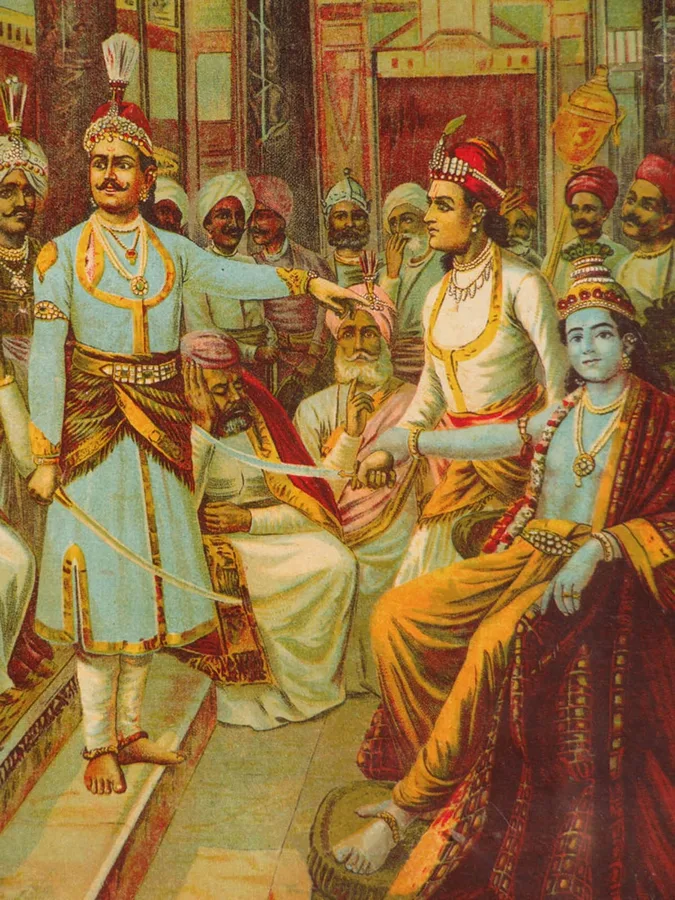
The short version
At midnight, read a short passage about Krishna’s birth, sit in silence for five minutes, and choose one act of playful kindness for the next day.
Open a listed year below for the date and local-time guidance.
Published dates
What Janmashtami means
Janmashtami celebrates the birth of Krishna, who is understood in Vaishnava traditions as an avatar of Vishnu. The story begins in a prison in Mathura, where Krishna is born under threat from the ruler Kamsa and carried across the Yamuna to safety. The midnight timing is part of the observance, but traditions do not always place the festival on the same civil date. Gaudiya Vaishnava communities and Smarta calendars can differ. The story’s enduring invitation is to recognise wisdom and tenderness in an unlikely place.
How to observe it
Keep a simple fast only if it is safe for your health. Read, sing, or listen to a short devotional passage at midnight, then eat something nourishing.
Outside India
The midnight window is the local midnight in the published festival date, not an Indian clock time. A local temple may hold its public programme on the nearest convenient evening.
For yoga teachers
A new possibility can arrive in a constrained place. Let the class explore spaciousness without needing circumstances to be perfect.
Questions people ask
Why can Janmashtami have two dates?
Different traditions use different rules for the lunar day and midnight window. Smukti labels the tradition for each published occurrence.
What can I do for Janmashtami at home?
Read Krishna’s birth story at local midnight, sit quietly, and make one kind or playful offering in the day that follows.
Go deeper
Krishna’s North India
Explore Mathura, Vrindavan, and the living landscape of Krishna devotion.
Explore Smukti journeys