
shiva · February–March
Maha Shivaratri
The great night of Shiva is a long, quiet observance centred on stillness and attention.
The short version
Turn off unnecessary lights for ten minutes, sit quietly, and repeat a simple intention such as ‘may I meet what is true’.
Open a listed year below for the date and local-time guidance.
Published dates
What Maha Shivaratri means
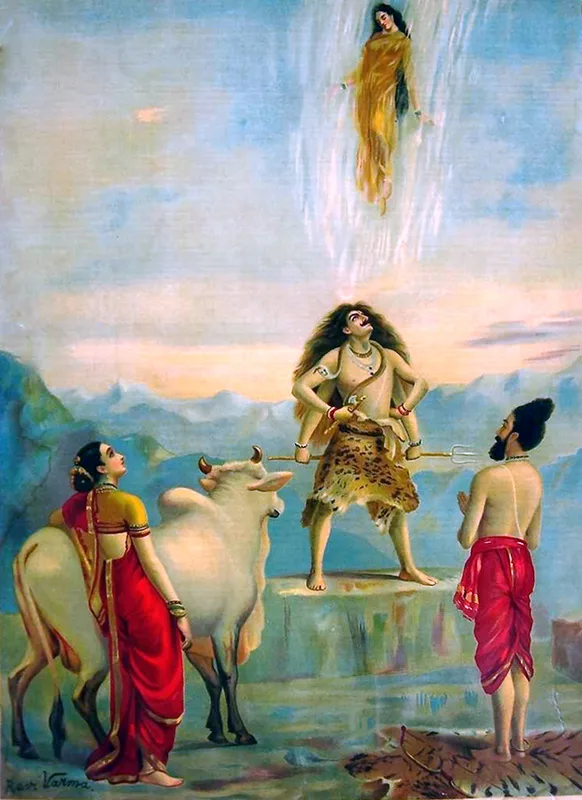
Maha Shivaratri means the great night of Shiva. It is associated with Shiva’s cosmic dance, the marriage of Shiva and Parvati, and the night when a formless presence is honoured through the Shiva linga. Stories vary by region and lineage, but the shared texture is restraint, wakefulness, and a willingness to stay with what cannot be solved quickly. Many people fast or keep vigil in a temple. Neither is required for a sincere home observance. A quiet room, a glass of water, and honest attention are enough to begin.
How to observe it
Fast only according to your health and tradition. Otherwise, choose a simple meal, reduce distractions, and return to silence several times during the evening.
Outside India
The observance belongs to the local night. Sunrise, sunset, and the midnight window therefore change with your city.
For yoga teachers
Shiva’s night is an invitation to practise steadiness rather than performance. Offer students a place to pause between effort and release.
Questions people ask
What is Maha Shivaratri?
It is the great night of Shiva, commonly observed through simplicity, prayer, meditation, and wakefulness.
Do I need to stay awake all night?
No. A short period of quiet attention is a respectful home practice; fasting and night-long vigils are optional.
Go deeper
A Shiva pilgrimage in India
Visit sacred places with a local guide and time for reflection.
Explore Smukti journeys