About this article
Learning yoga in India is unlike any other experience—but learning it in an ashram elevates it to a sacred journey of transformation. Unlike modern yoga studios or urban training centers that often emphasize only the physical aspects of yoga, ashrams immerse you in the full spectrum of yogic life—where discipline, devotion, and daily living become part of your training.
Ashrams are not just schools; they are living lineages, deeply rooted in the ancient traditions of India. Here, yoga is preserved in its purest form—not just asanas, but as a holistic science that integrates the body, mind, breath, and soul. From the moment you enter the ashram gates, you're stepping into a space intentionally designed to support inner growth: early morning silence, sacred chants, karma yoga, sattvic food, and the presence of a realized teacher or guru.
In this environment, you're not just taught yoga—you live it. The guidance of the guru or spiritual teacher plays a pivotal role. These mentors, often with decades of sadhana (spiritual practice), transmit not just knowledge, but presence and wisdom. They serve as beacons, helping you navigate both the outer techniques and the inner terrain of transformation.
This blog explores India’s most respected ashrams for Yoga Teacher Training Courses (TTC)—places where yoga isn’t diluted, but upheld in its traditional glory.
1. Sri Sri School of Yoga – Art of Living, Bengaluru
Founder: Sri Sri Ravi Shankar
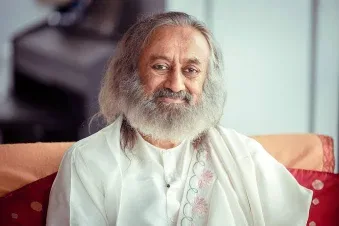
Founded Year: 1981 (The Art of Living Foundation, under which the school operates)
Location: Primarily headquartered at the Art of Living International Center, Bengaluru, Karnataka, India, but also offers programs globally.
Devotees: Millions of followers worldwide, drawn to the holistic teachings of Sri Sri Ravi Shankar, encompassing yoga, meditation, and stress-management techniques.
Ashram Campus Size: The Art of Living International Center in Bengaluru is a vast and serene campus spread over approximately 65 acres.
Programs Offered: Sri Sri School of Yoga offers a range of Yoga Teacher Training Programs, including:
- 200-Hour Yoga Teacher Training: A foundational program covering asanas, pranayama, meditation, yoga philosophy, anatomy, and teaching methodology.
- 300-Hour Yoga Teacher Training: An advanced program for deepening practice and teaching skills.
- Specialized workshops and retreats: Focusing on various aspects of yoga and well-being.
Schedule: Typically 6:30 AM – 7:30 PM, six days a week
Accommodation & Meals: Shared rooms with vegetarian meals included, set within a 65-acre eco-campus .
Cost of the TTC Program: ₹130,000–₹180,000 (~$1,600–$2,200 USD), includes certification, food, and stay .
Certification: Yoga Alliance (RYT 200/300)
Website: artofliving.org/yoga
2. Isha Hatha Yoga Teacher Training – Isha Foundation, Coimbatore
Founder: Sadhguru Jaggi Vasudev
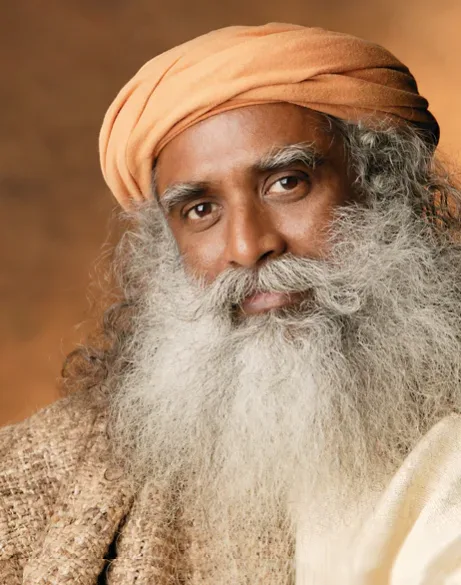
Founded Year: 1992 (Isha Foundation)
Location: Isha Yoga Center, Coimbatore, Tamil Nadu, India, and other centers globally. The TTC programs are primarily held at the Coimbatore center.
Devotees: Millions of individuals inspired by Sadhguru's teachings on yoga, spirituality, and human well-being.
Ashram Campus: The Isha Yoga Center in Coimbatore is a vast and ecologically conscious campus nestled at the foothills of the Velliangiri Mountains, spanning a significant area.
Programs Offered: Isha offers intensive Hatha Yoga Teacher Training Programs that delve deep into classical Hatha Yoga:
- Isha Hatha Yoga Teacher Training Program: A rigorous residential program that equips participants to teach various classical Hatha Yoga practices. The duration and specific modules may vary.
- Sadhguru's Surya Kriya, Angamardana, Yogasanas, Bhuta Shuddhi Teacher Training: Specialized programs to teach specific Isha Hatha Yoga practices.
Schedule: 5:30 AM – 9:30 PM, strict daily discipline, including silence periods .
Accommodation & Meals: Simple shared rooms, sattvic meals, silence zones .
Cost of the Isha Hatha Yoga TTC Program: ₹500,000–₹600,000 (~$6,000–$7,200 USD), all-inclusive .
Certification: Isha Hatha Yoga School certification (not Yoga Alliance)
Website: isha.sadhguru.org
3. Sivananda Yoga Vedanta Centres – Rishikesh & Neyyar Dam
Founder: Swami Sivananda Saraswati
Encounter Amma, Walk Narayana Guru’s Legacy, and Stand at Kanyakumari Where Vivekananda Meditated — The Living Masters Southern Tip route travels from Trivandrum through Kanyakumari, Swami Sivananda’s birthplace at Pattamadai, the sacred Tamirabarani River, Amritapuri Ashram, and Varkala over ten days. Kochi start and end also available. Designed specifically for international spiritual travelers.
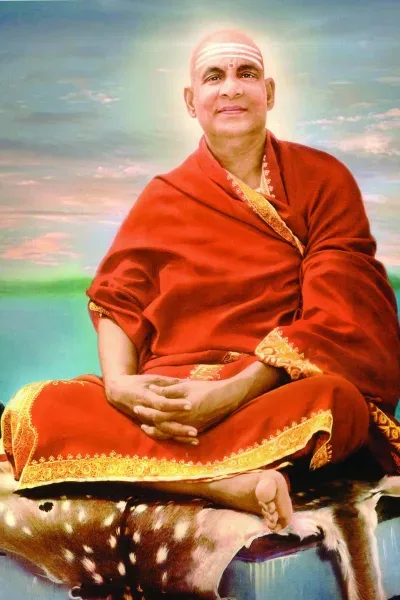
Founded Year: 1957 (Sivananda Yoga Vedanta Centre organization founded by his disciple Swami Vishnu-devananda)
Location: Multiple locations worldwide, with prominent ashrams in Rishikesh (Uttarakhand), Neyyardam (Kerala), and various international centers.
Devotees: A global community of yoga practitioners and spiritual seekers following the teachings of Swami Sivananda, emphasizing the five points of yoga: proper exercise (asanas), proper breathing (pranayama), proper relaxation (savasana), proper diet (vegetarian), and positive thinking and meditation (vedanta and dhyana).
Ashram Campus: Varies depending on the location. The Rishikesh and Neyyardam ashrams are significant campuses providing a holistic yogic living experience.
Programs Offered: Sivananda Yoga Vedanta Centres are widely recognized for their comprehensive Yoga Teacher Training Courses (TTC):
- 200-Hour Yoga Teacher Training Course (TTC): A foundational intensive program based on the Sivananda system, covering asanas, pranayama, meditation, yoga philosophy, anatomy, and mantra chanting.
- Advanced Teacher Training Courses (ATTC): For deepening practice and teaching skills.
- Yoga retreats and workshops: Focusing on various aspects of yoga and Vedanta.
Schedule: 5:30 AM – 10:00 PM, including satsangs and karma yoga .
Accommodation & Meals: Dorms or private rooms; two yogic vegetarian meals daily .
Cost of Yoga TTC at Sivananda Ashram: ₹120,000–₹180,000 (~$1,400–$2,200 USD), depending on room type .
Certification: Yoga Alliance certified (RYT 200/300) . Website: sivananda.org
4. Parmarth Niketan Ashram – Rishikesh
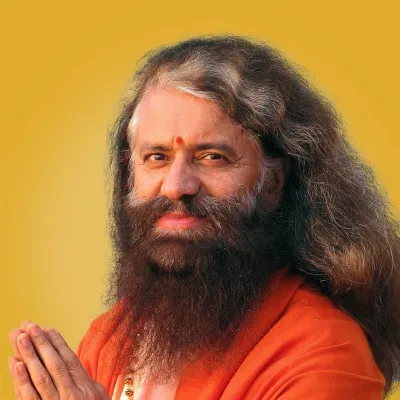
- Founder: Pujya Swami Shukdevanandji Maharaj
- Style: Traditional Hatha Yoga, Vinyasa elements, and spiritual immersion
- Program: 200-Hour TTC: 4-week residential program with asana, anatomy, philosophy, Ganga Aarti participation Guest teachers from around the world, often during events like International Yoga Festival
- 200-Hour TTC: 4-week residential program with asana, anatomy, philosophy, Ganga Aarti participation
- Guest teachers from around the world, often during events like International Yoga Festival
- Schedule: 6:00 AM – 7:00 PM, with time for seva and satsang
- Accommodation & Meals: Ganga-facing guest rooms, yogic vegetarian meals
- Cost: ₹100,000–₹160,000 (~$1,200–$1,900 USD), all-inclusive
- Certification: Yoga Alliance Certified (RYT 200)
- Website: parmarth.org
5. Ramamani Iyengar Memorial Yoga Institute (RIMYI) – Pune
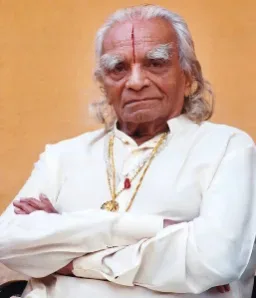
- Founder: B.K.S. Iyengar
- Style: Iyengar Yoga – focused on alignment, props, and therapeutic application
- Program: Introductory Courses: For practitioners with minimum 3 years of Iyengar Yoga experience Teacher Training: Multi-year mentorship-based training, includes practical exams and assessments
- Introductory Courses: For practitioners with minimum 3 years of Iyengar Yoga experience
- Teacher Training: Multi-year mentorship-based training, includes practical exams and assessments
- Schedule: Not residential; morning and evening intensive classes, often over several months
- Accommodation & Meals: Not provided—students arrange private housing nearby
- Cost: Fees vary by program (~₹30,000–₹60,000 / $360–$720), lodging not included
- Certification: Iyengar Yoga Certification through RIMYI (not Yoga Alliance)
- Website: iyengar-yoga-pune.com
How to Choose the Right Ashram
- Traditional vs. Modern: Do you prefer a strict traditional path (e.g., Isha, Sivananda) or a modern, adaptable approach (e.g., Sri Sri)?
- Intensity Level: Isha is extremely rigorous; Sivananda is more balanced for beginners.
- Certification Type: Some programs (like Iyengar or Isha) follow their own certification systems, not Yoga Alliance.
- Budget and Duration: Programs range from ₹100,000 to ₹600,000 depending on depth, amenities, and location.
- Spiritual Environment: Rishikesh and Coimbatore offer strong spiritual surroundings; Pune offers focused technical training.