Asana is one of yoga's eight limbs. For thousands of years, yoga was a path to moksha, liberation. Today it is often reduced to the poses. At India's southern tip, it is still lived as a path, and this journey takes you there.
Doors rarely opened
By special arrangement, ashrams that have kept their practice alive for over a century open their spaces to our group, and their monks teach us in person.
Guided by a lifetime of practice
Dr Neel Kulkarni, teaching since 1976, weaves each story into your own practice and shows you how to carry it into your classes.
Your classroom: ashram, hill and sea
Practise at sunrise, study where the masters sat, meditate in a hillside cave, and set your intention where three seas meet.
Live yoga as a path, and bring it into every class you teach.
Read more about this immersion
This is not a five-star resort, a class that corrects your postures, or another course in a studio. It is yoga as it has been lived for thousands of years: breath, chanting, meditation, philosophy and service, in the places where the masters practised. Just be yourself; from the airport to the ashram, everything else is taken care of.
Two masters. One coastline.
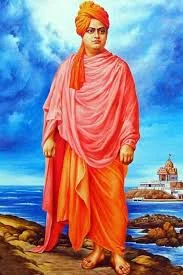
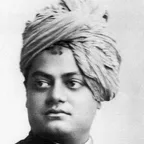
Swami Vivekananda
The monk who brought yoga to the West. At Kanyakumari, three days of meditation helped shape his life's mission.
Read more about Swami Vivekananda
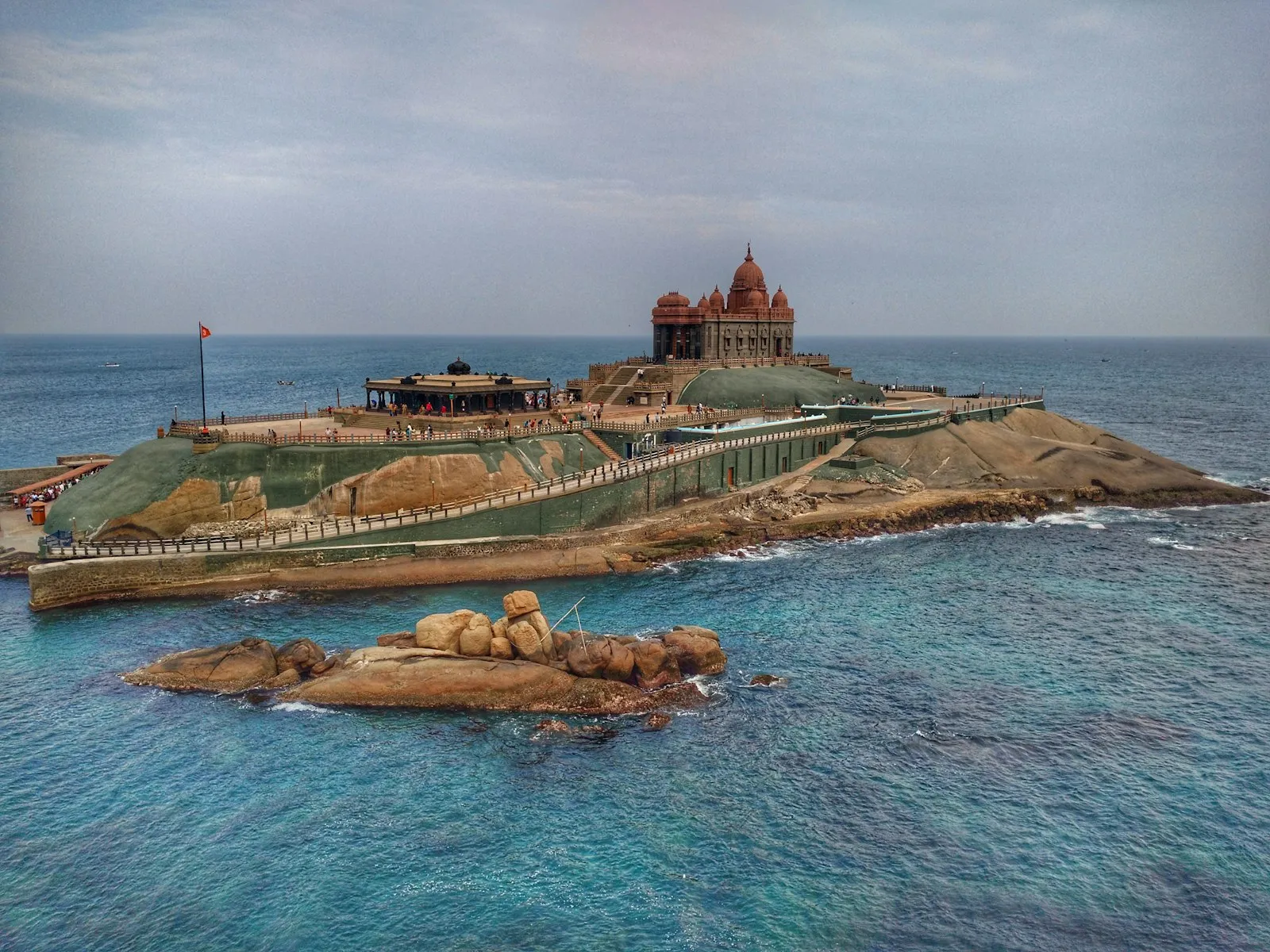
Swami Vivekananda. The monk who brought yoga to the West. In 1893 he stood before the World's Parliament of Religions in Chicago. His book Raja Yoga (1896) introduced Patanjali's Yoga Sutras to Western readers. Before any of it, he sat for three days on a rock at Kanyakumari, where three seas meet, and found his life's mission. Much of the yoga taught in the West today traces back to him.
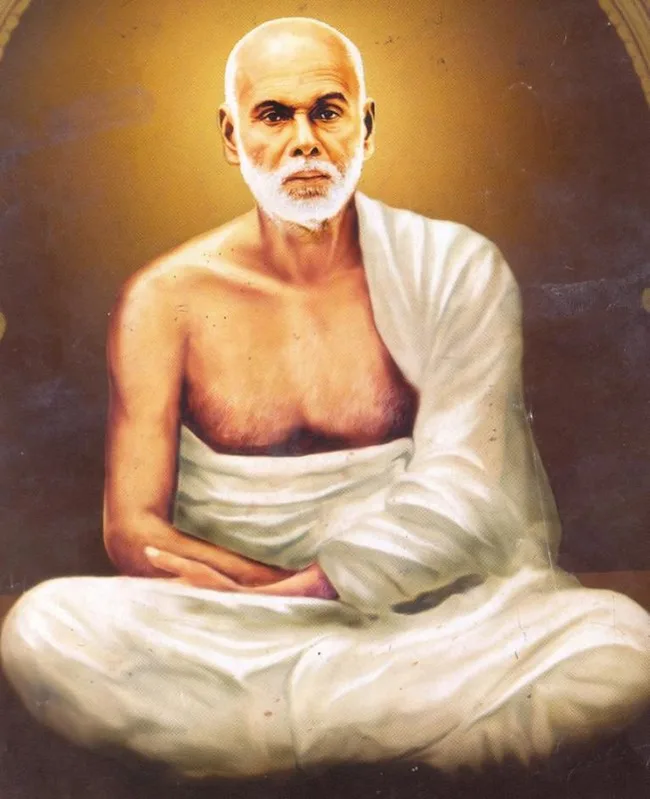
Sree Narayana Guru
A master of Advaita who made the oneness of life a force for social freedom in Kerala.
Read more about Sree Narayana Guru
Sree Narayana Guru. A master of Advaita, the oneness of all life, who turned it into a nonviolent revolution: "One caste, one religion, one God for humankind." He opened temples to those who had been barred from them, and freed millions in Kerala without raising a hand. In 2024, Pope Francis honoured his message at the Vatican: all people, whatever their faith, belong to one human family.
उत्तिष्ठत जाग्रत प्राप्य वरान्निबोधत
Uttiṣṭhata jāgrata prāpya varān nibodhata
Arise, awake, and stop not till the goal is reached. — Swami Vivekananda
What you'll study
About 35 hours of learning and 12 hours of guided visits, in seven days.
≈35 hours of learning
Practice & reflection: 13.75 h
Teacher training: 5 h
Living lineage: 6 h
NARDEP: 4 h
Homework: 5.75 h
34.5 hours in total. The 12 hours of guided visits are additional.
Learning areas and planned hours
Area
Hours
Daily practice and theory with Dr Neel Kulkarni: asana, vinyasa, breath, meditation and chanting
9 h
Teacher training: how to teach a class, with practice teaching
3.5 h
Opening session: yoga as a complete system
1 h
Evening reflections with Dr Neel
3 h
With the monks of Narayana Gurukula: sessions, prayers, and Nataraja Guru's samadhi
6 h
Practical Vedanta and Siddha Varma at NARDEP, with the herbal garden
4 h
The dharma of a yoga teacher, with Nivedita didi of Vivekananda Kendra
1.5 h
Sunrise saṅkalpa at Vivekananda Kendra
0.75 h
Daily homework on that day's teaching: reading, short essays, short talks
5.75 h
Certificate of completion: 30 hours of Yoga Alliance continuing-education credit, issued by SaeeTech, The Authentic Yoga School, on completing the programme and its assignments.
Approximate site and town pins. Lines show the programme's geography, not exact roads or a timed itinerary. NARDEP marks the Vivekananda Kendra campus area.
Sivagiri
A living lineage
Learn from monks of a line that has passed its teaching from teacher to student for over a century.
Read the storyClose
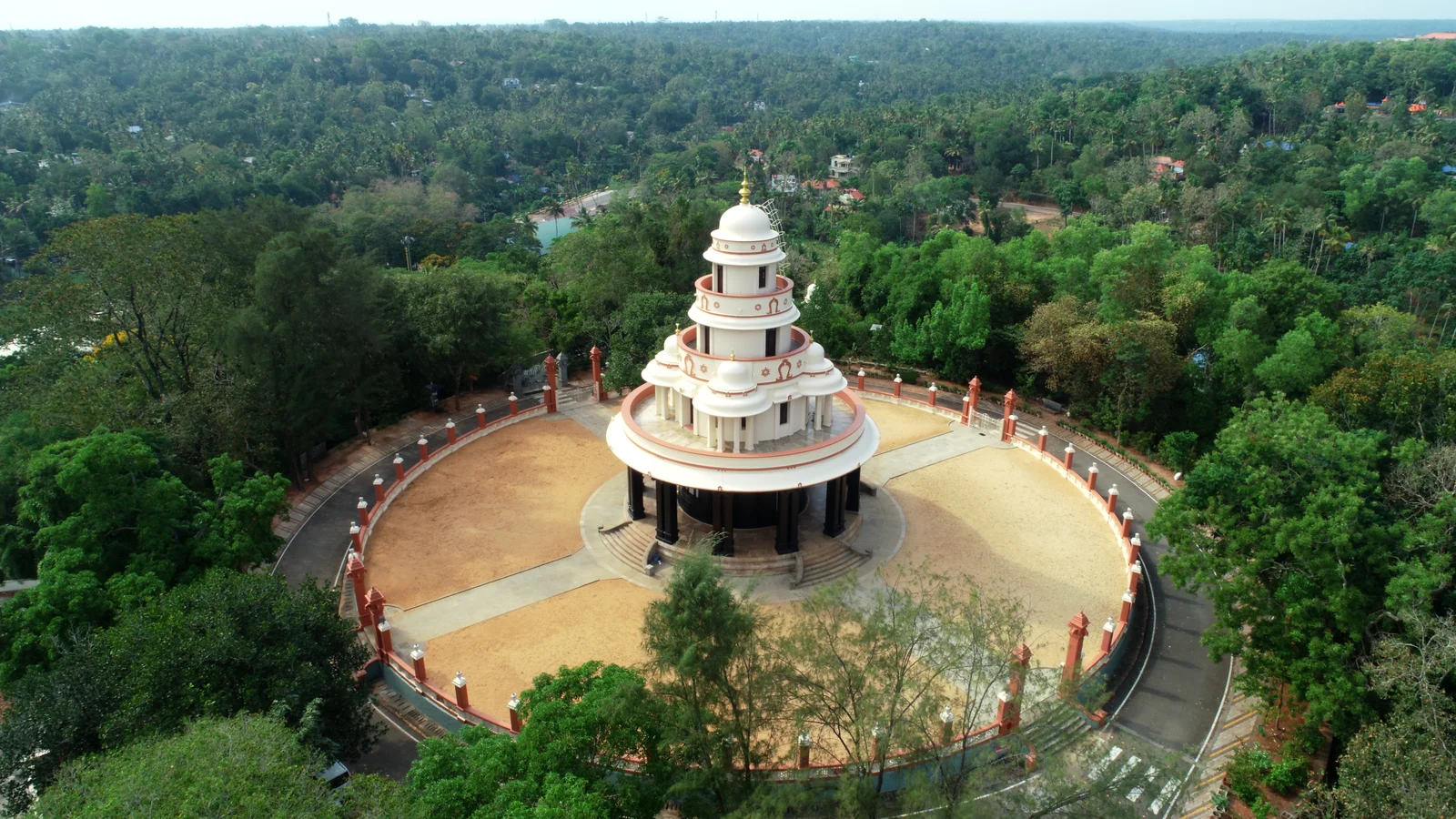
In 1888, a young ascetic named Sree Narayana Guru took a stone from the river at Aruvippuram and consecrated it as Shiva — an act his caste was forbidden. It became a turning point for social reform in Kerala. His disciple Nataraja Guru founded Narayana Gurukula in 1923, and monks of that same line still teach today.
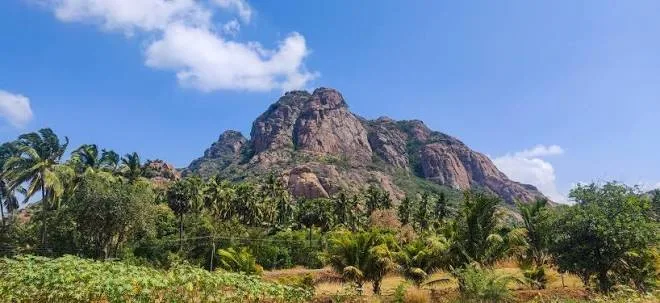
Maruthuvazh Malai
The healing hill
Meditate in a cave where sages sat in tapas, above India's southern tip.
Read the storyClose
The name means "the hill where medicine dwells". Legend says it is a fragment of the Sanjeevani mountain that Hanuman carried to heal Lakshmana, and its slopes are still rich in healing herbs. Sree Narayana Guru sat in tapas in a cave here, in solitude, before his teaching began.
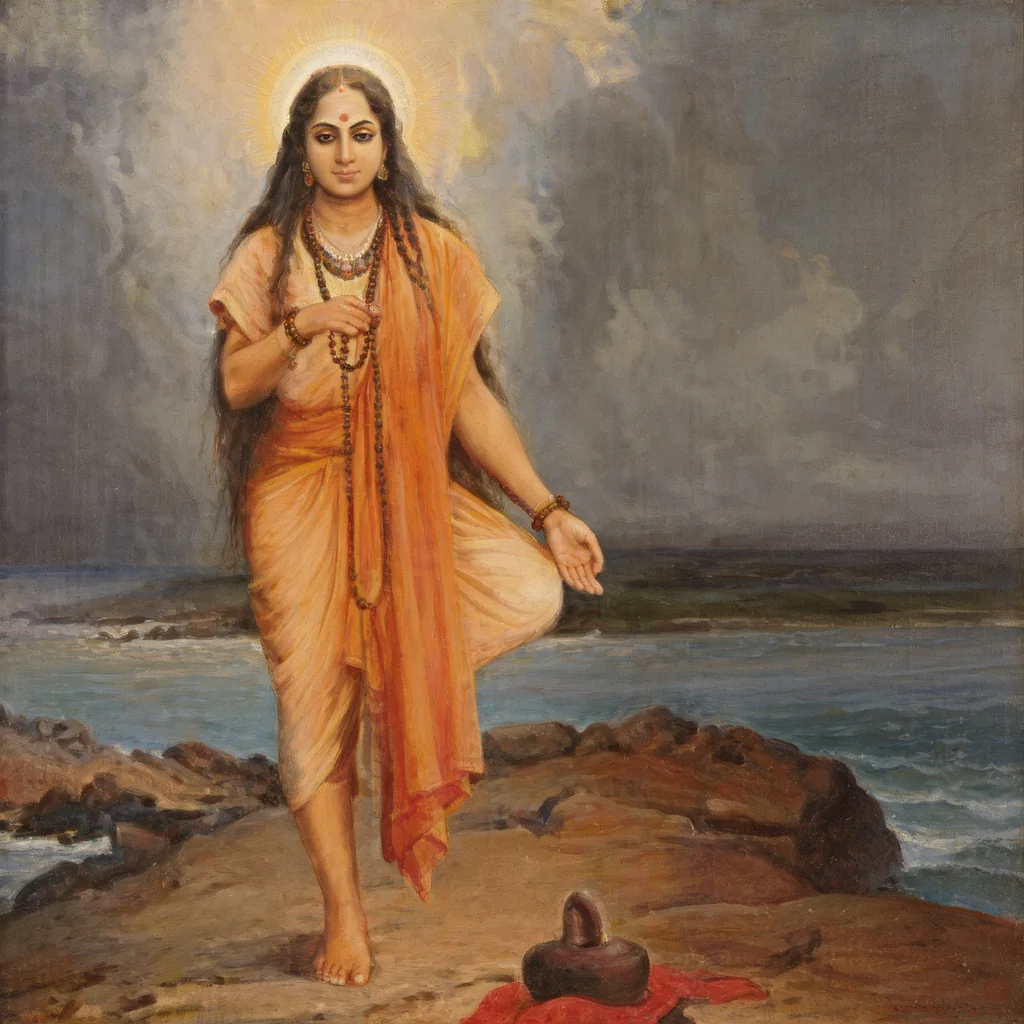
Kanyakumari
Where three seas meet
The Devi's Shakti peetha, and the rock where Vivekananda meditated.
Read the storyClose
Three seas meet at India's southern tip, and tradition holds that the Devi's spine fell here, making it a Shakti peetha. In 1892, Swami Vivekananda swam out to the rock offshore, meditated for three days, and found his life's mission. At sunrise on 6 February, the new moon, you set your own saṅkalpa at Vivekananda Kendra.
Practical Vedanta at NARDEP, and an introduction to Siddha Varma, the healing tradition of South India's 18 Siddhars.
Read the storyClose
Vivekananda taught that serving others is itself a spiritual practice. He called it practical Vedanta. Since 1986, Vivekananda Kendra's NARDEP has carried that into villages, farms and herbal gardens. Here you also meet Siddha Varma, the healing tradition of the Siddhars, the yogi-healers of the South.
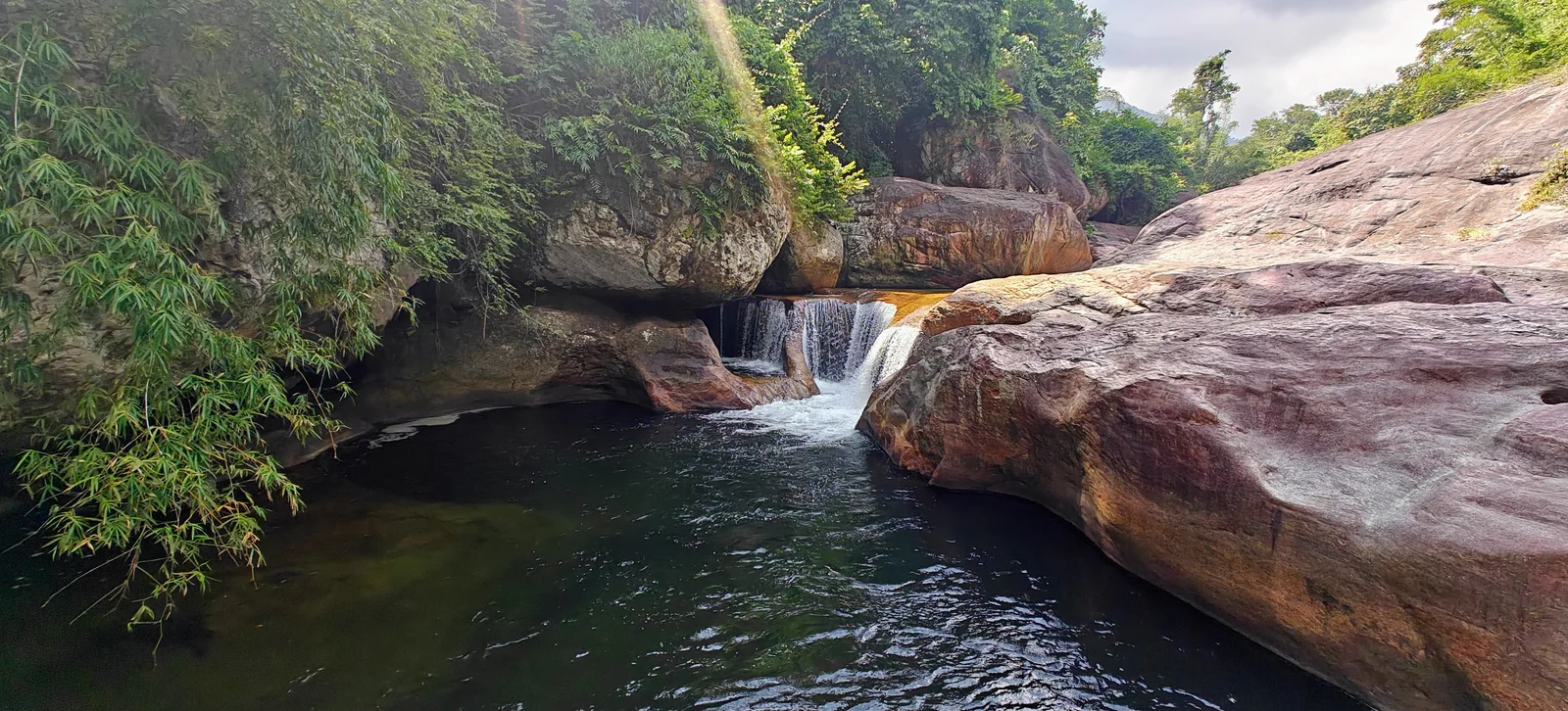
Kalikesam
Forest waters
The forest streams of the Western Ghats.
Read the storyClose
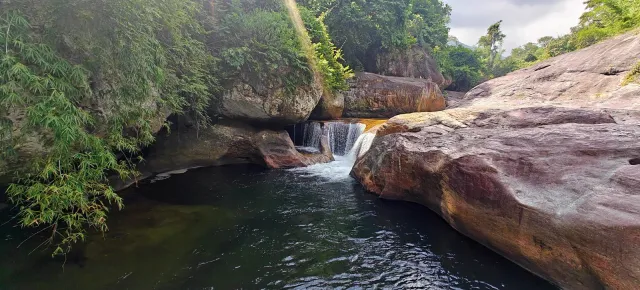
Deep in the forests of the Western Ghats, a mountain stream runs past an old Kali shrine that gives the place its name. Bathing in it is a living form of śauca, purity, the first of Patanjali's niyamas. It is a quiet morning between the teachings, with only water and forest.
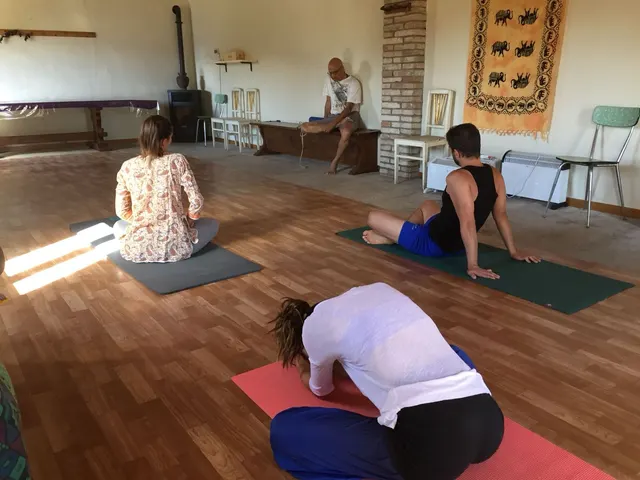
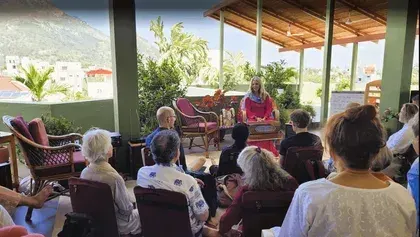
Dr Neel teaching in Città di Castello, Italy · past class, not this programme
Varkala
A day for teachers
Morning practice and an afternoon of teacher training with our lead teacher: how to teach a class, with practice teaching.
Read the storyClose
For centuries, the Yoga Sutras were carried on palm leaf and paper, passed from teacher to student. This day is about that passage: chanting, practice, and how to bring it into your own classes, in Varkala, where Narayana Guru made yoga philosophy a living force.
A day here
6:30 am Morning prayers and practice with Dr Neel
8:00 am Breakfast
9:30 am A lineage session or a guided visit
1:00 pm Lunch, then rest through the midday heat
3:30 pm Teacher training, or practice and theory
5:00 pm Evening prayer, temple or sea
7:30 pm Dinner and reflection with Dr Neel
8:30 pm Study in your room; lights out by 9:30
Two days include longer journeys of about 150 km, around 4 hours on the road with two or three stops in between: from Varkala to Kanyakumari, and from Kanyakumari to Kovalam.
Teachers who have lived this path for decades, and hosts who know every place.
Program lead
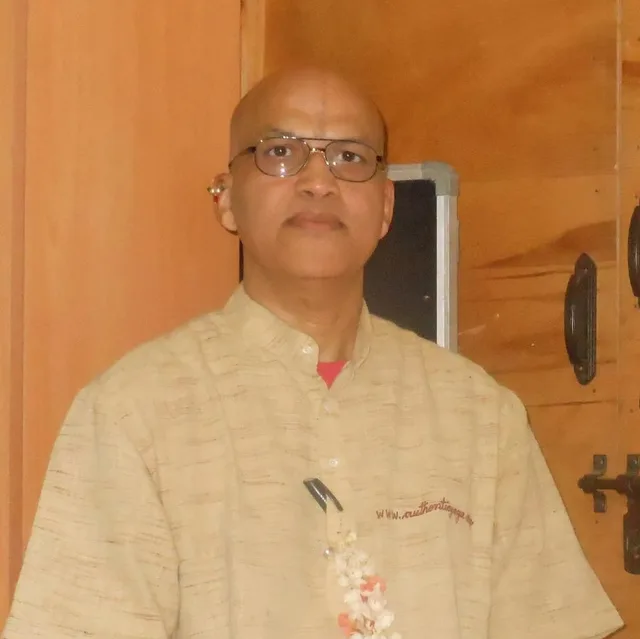
Dr Neel Kulkarni
Teaching since 1976; has certified over 1,000 yoga teachers. Adjunct Professor of Yoga, Bharatiya Vidya Bhavan, Mysuru.
Hatha Yoga
Yoga Sutras
Sanskrit
Read more
Dr Neel Kulkarni has taught yoga since 1976, across Europe, Asia, Australia and the US, to more than 40,000 students, and has certified over 1,000 yoga teachers.
An IIT Kharagpur aerospace engineer by training, he studied with the Iyengars and created his own complete system of yoga practice and teaching.
He founded SaeeTech, The Authentic Yoga School, a Yoga Alliance Registered Yoga School, and is an Adjunct Professor of Yoga at Bharatiya Vidya Bhavan, Mysuru.
Who it's for
Certified yoga teachers who feel their training gave them the poses, but not the rest of yoga
Teachers whose own practice has slipped since they started teaching
Those who want to learn from living teachers, not screens
Anyone drawn to India's spiritual traditions who doesn't want to go alone, or as a tourist
Ready for early mornings, full days and an hour of study each evening
Designed for international yoga teachers. Indian nationals are equally welcome to apply.
Not for you if
You are looking for a leisure retreat rather than a learning immersion
Early mornings, full teaching days and evening study are not what you want
What you take home
Daily practice and teaching with Dr Neel Kulkarni
The texts and stories behind the practice, and how to teach from them
A copy of "Adhiyoga: Authentic Yoga System of Neel Kulkarni", published with Bharatiya Vidya Bhavan
A saṅkalpa for what your practice and teaching will serve
A certificate of completion carrying 30 hours of Yoga Alliance continuing-education credit
All 30 of your Yoga Alliance training hours, in one week
Registered Yoga Teachers need 30 hours of continuing-education training every three years. Complete the programme and its assignments, and your certificate covers all 30.
Certificate issued by SaeeTech, The Authentic Yoga School, a Yoga Alliance Registered Yoga School.
Fee and what's included
€800 · per person, twin share · Single room +€200
Applying is free. If you are offered a place after review and a call, a €200 deposit confirms it.
€700 for the first six accepted places, until 30 November 2026, whichever comes first. Standard fee: €800 per person, twin share. Availability is confirmed by our team after review and a call.
What's included
Accommodation for 6 nights in twin-share, non-AC rooms
Three vegetarian meals a day with fresh fruit and juices
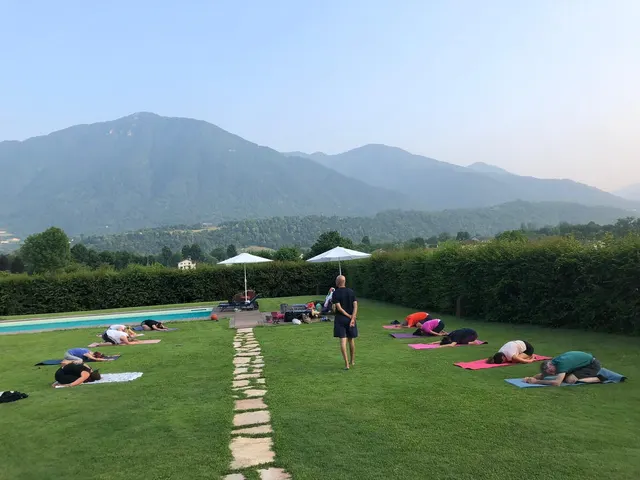
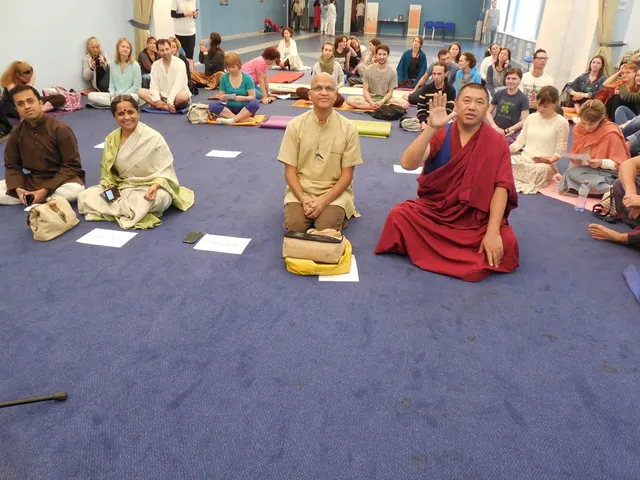
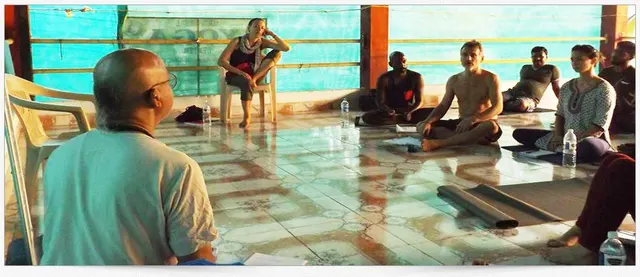
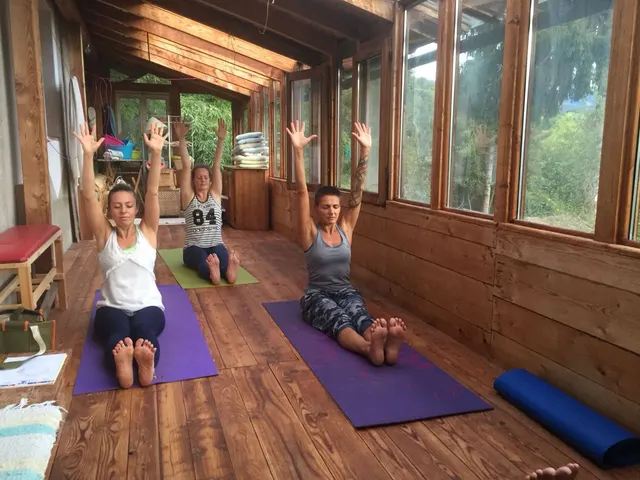
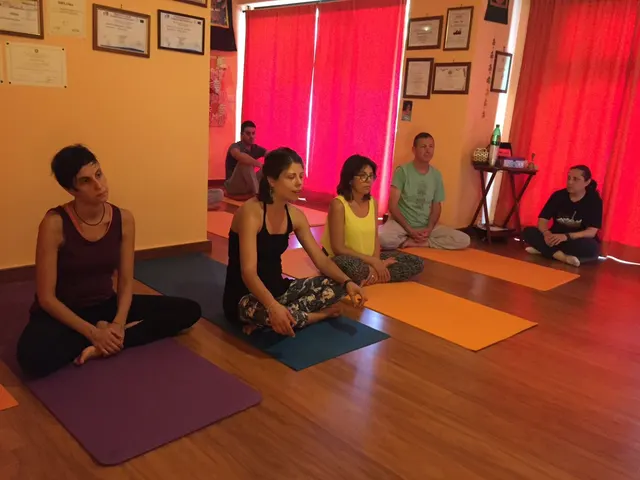
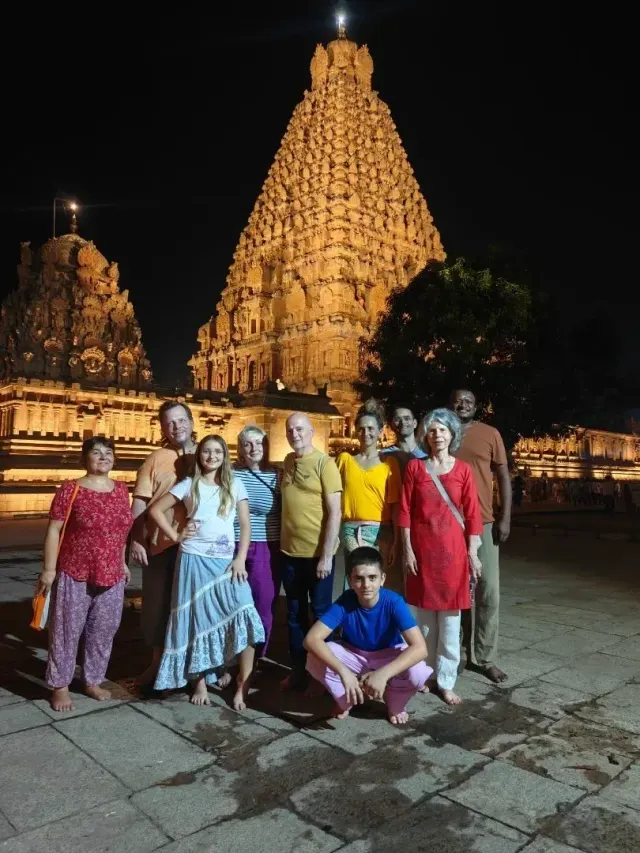
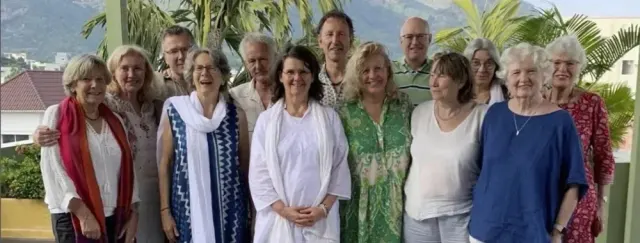
Neel's past classes and earlier Smukti journeys—not photographs of this programme.
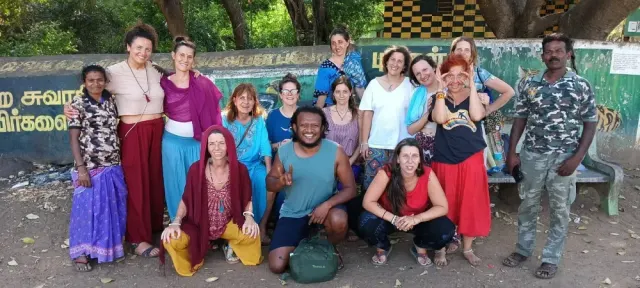
Past class with Dr Neel Kulkarni in Belluno, Italy — not this programmeDr Neel Kulkarni at the first International Yoga Day in St Petersburg, Russia — past event, not this programmeDr Neel Kulkarni teaching in Goa — past class, not this programmeDr Neel Kulkarni teaching in Città di Castello, Italy — past class, not this programmeStudents practising in Italy — past class with Dr Neel Kulkarni, not this programmeStudents in Potenza, Italy — past class with Dr Neel Kulkarni, not this programmeA past Smukti journey · ThanjavurA past Smukti journey · South IndiaA past Smukti spiritual journeyA past Smukti satsang · Tiruvannamalai
How to apply
Apply
Tell us about your teaching and why you want to come.
A short call
We speak with every applicant.
Your place
If it's a fit, we offer you a place and explain how to confirm.
Apply
Applying doesn't commit you to anything.
Frequently asked questions
Is this right for me?
If you teach yoga and sense there is more to it than asana, yes. This immersion is for certified yoga teachers who want to go beyond the poses: to the philosophy, the practice of breath, chanting and meditation, and the living traditions that yoga comes from. It doesn’t matter whether you are in your first year of teaching, have taught for decades, or have only just certified. What matters is that you are ready to be a student again.
Do I need to be Hindu?
No. Teachers of every faith and background are welcome. What we ask is respect, and a sincere interest in yoga as a path.
Several of the places we visit are living Hindu temples and ashrams, where worship and practice go on every day. Inside them, we follow their customs: modest clothing that covers shoulders and knees, shoes left at the entrance, no photography where it isn't allowed, and quiet in the inner shrines. Some temples ask men to enter bare-chested, or everyone to wear traditional dress. Before each visit, we explain what the place means and what is expected, so you can take part with understanding rather than as an onlooker.
How is this different from a yoga retreat?
A retreat is for rest. This is for study. Instead of a resort and daily asana classes, you learn from a teacher who has taught since 1976, sit with monks of a living lineage, and visit the places where the masters practised. Each day ends with an hour of homework, and you leave with a certificate, reading materials and a practice to carry home. Expect early mornings, full days and real learning, at India's southern tip.
Does it count for Yoga Alliance?
Yes. Complete the programme and its assignments, and you receive a certificate of completion carrying 30 hours of Yoga Alliance continuing-education credit, the full training requirement for three years. It is issued by SaeeTech, The Authentic Yoga School, a Yoga Alliance Registered Yoga School. You log the hours in your own Yoga Alliance account. If you choose not to do the assignments, you receive a certificate of attendance for the hours you attend.
I'm not registered with Yoga Alliance. Is this still for me?
Yes. Yoga Alliance registration isn't required to join. You'll receive the same certificate of completion for 30 hours of training, issued by SaeeTech, The Authentic Yoga School, which you can use as a record of your continuing education with studios, employers or other yoga organisations. Whether another organisation recognises the hours is up to them.
What is the homework?
About an hour each evening on that day's teaching: a short reading, a short essay or a short talk. Dr Neel reviews it in class and in the evening reflection.
What is the daily rhythm?
Days begin at 6:30 am with prayers and practice. Most evenings end in your room by 8:30 pm for an hour of study, with lights out by 9:30. Two days include longer journeys of about 150 km, around 4 hours on the road with two or three stops, and one ends later after an evening temple visit.
How physical is it?
The programme includes daily practice, temple visits on foot, and a climb up Maruthuvazh Malai on a rocky path. Tell us about any health or mobility needs when you apply.
Where do we stay?
Three stays, in twin-share, non-AC rooms: Varkala, the Vivekananda Kendra campus in Kanyakumari, and a yoga ashram above the sea at Kovalam. Single rooms are available for €200 extra.
How do I get there?
Fly to Thiruvananthapuram (TRV). Airport transfers are included. The programme begins at 10 am on 1 February, so arrive that morning or the day before. On 7 February we drive you back to the airport.
Train teachers?
Run this immersion for your graduates, on your dates.
 Arise, awake, and stop not till the goal is reached. — Swami Vivekananda
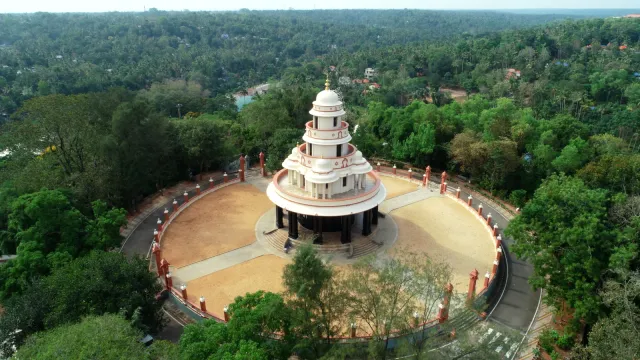
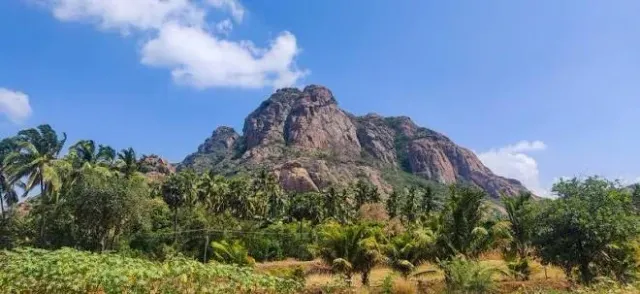
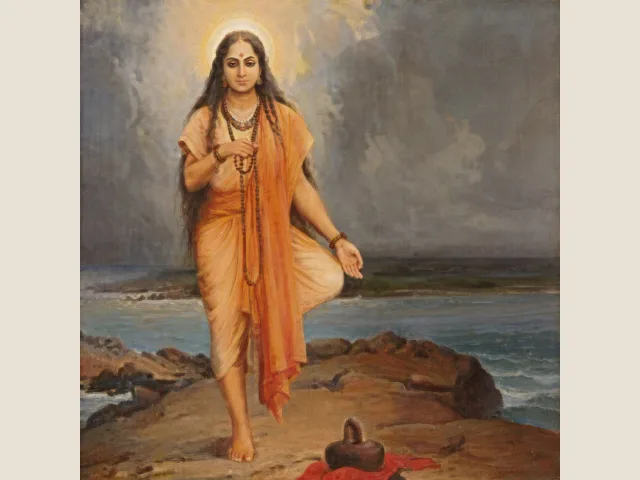
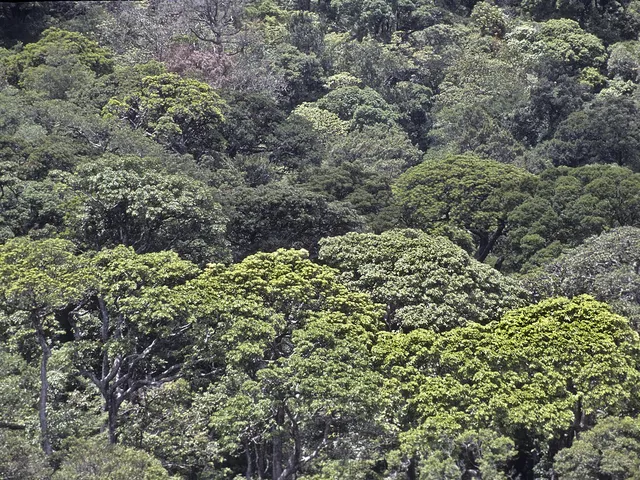 Photo credit